Is Chicken and Sweet Potatoes Healthy? Nutrition and Tips
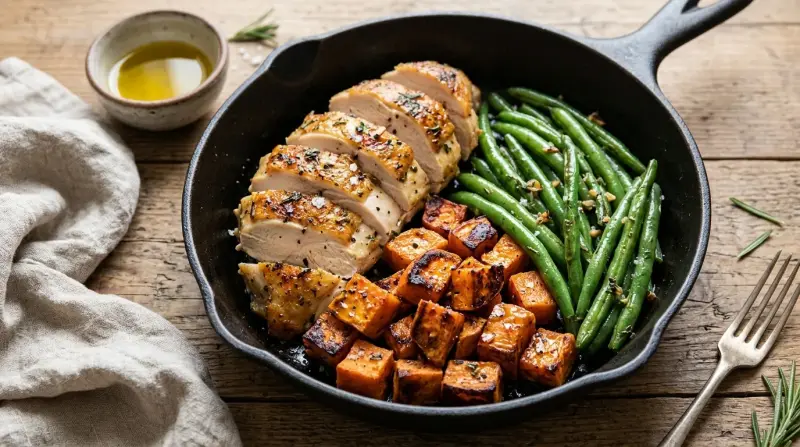
Yes, chicken and sweet potatoes form a highly nutritious, balanced meal. Skinless chicken supplies complete lean protein for muscle repair, while sweet potatoes provide slow-digesting complex carbohydrates, dietary fibre, potassium, and beta-carotene. When cooked with moderate amounts of unsaturated oil and paired with non-starchy vegetables, this combination supports steady energy and fullness.
Why Chicken and Sweet Potatoes Work Well Together
A satisfying meal balances macronutrients so blood sugar rises gradually rather than spiking and crashing. Chicken breast or trimmed chicken thighs deliver high-quality protein with minimal saturated fat, keeping you full for hours after eating.
Sweet potatoes complement that protein with complex carbohydrates and roughly 4 grams of fibre per medium root. Their bright orange flesh is rich in beta-carotene, which your body converts into vitamin A for eye health and immune function, alongside vitamin C and potassium.
| Component (100 g cooked) | Key Nutrients | Primary Role in the Meal |
|---|---|---|
| Skinless chicken breast | 31 g protein, 3.6 g fat, B vitamins | Builds and repairs muscle tissue, promotes satiety |
| Skinless chicken thigh | 25 g protein, 10.9 g fat, iron, zinc | Adds richness, juiciness, and essential minerals |
| Baked sweet potato | 20 g carbs, 3.3 g fibre, vitamin A, potassium | Provides sustained energy and digestive support |
| Olive or avocado oil (15 ml) | 14 g monounsaturated fat, vitamin E | Helps absorb fat-soluble vitamin A from sweet potatoes |
Adding a small amount of healthy fat is actually beneficial here. Vitamin A is fat-soluble, meaning your body absorbs far more beta-carotene when sweet potatoes are roasted or sautéed with olive oil or avocado oil rather than eaten completely dry.
How Cooking Methods Affect Nutritional Value
The core ingredients are wholesome, yet preparation choices easily double the calories or sodium of your plate. Roasting, grilling, or pan-searing retains nutrients without excess grease, whereas deep-frying or heavy sugary glazes tip the nutritional balance.
- Choose the right cut: Boneless, skinless chicken breast is the leanest option. Skinless chicken thighs contain slightly more fat and calories, though they stay tender at high oven heat and provide extra iron.
- Measure your cooking oil: Use 15 ml to 30 ml (1 to 2 tablespoons) of olive oil or avocado oil for a full baking tray. Pouring straight from the bottle often adds 45 ml (3 tablespoons) or more without improving texture.
- Watch added sugars: Sweet potatoes caramelise naturally at 220°C (425°F). Skip brown sugar, maple syrup, or honey glazes, and rely instead on smoked paprika, garlic powder, cumin, black pepper, and fresh herbs for savoury depth.
- Round out the plate: Because chicken and sweet potatoes lack high amounts of vitamin K and folate, fill a third of your tray with broccoli florets, green beans, or spinach.
If you want inspiration for flavour combinations beyond basic salt and pepper, read Do Sweet Potatoes Go Well with Chicken? Best Pairings for spice blends and vegetable matches.
Food Safety, Portions, and Storage Guidelines
Even the healthiest ingredients require careful cooking temperatures and proper storage to prevent foodborne illness and keep textures appealing for meal prep.
- Cook chicken to a safe internal temperature: Always use a digital meat thermometer to verify that the thickest part of the chicken reaches 74°C (165°F). Chicken thighs taste even more tender when cooked to 80°C (175°F) so connective tissue softens.
- Stagger roasting times for even cooking: Dice sweet potatoes into uniform 2 cm (0.75 inch) cubes so they cook evenly. Large pieces stay hard in the centre while small chicken pieces dry out; check How Long to Bake Chicken and Sweet Potatoes Properly for exact oven timings by cut.
- Cool and refrigerate promptly: Transfer cooked leftovers into shallow airtight containers within 2 hours of cooking. Store them in the refrigerator at 4°C (40°F) or below for up to 3 to 4 days, or freeze portions for up to 3 months.
- Reheat thoroughly: Warm stored portions in a skillet or oven until steaming hot at 74°C (165°F) throughout, adding a splash of chicken broth if the meat looks dry.
For a morning variation that uses leftover shredded poultry and crisp diced roots, try Chicken and Sweet Potato Hash: Savoury Breakfast Skillet, which tops the skillet with a runny poached egg.
A printable recipe card for Chicken and Sweet Potato Hash: Savoury Breakfast Skillet is just below this article, ready for you to download or print.
The short version
- Chicken and sweet potatoes deliver lean protein, complex carbohydrates, dietary fibre, potassium, and vitamin A in one balanced meal.
- Skinless chicken breast offers the lowest fat content, while skinless thighs add extra iron and stay juicy under high heat.
- Toss sweet potatoes in 15 ml to 30 ml (1 to 2 tablespoons) of olive or avocado oil so your body absorbs their fat-soluble vitamin A.
- Roast at 220°C (425°F) using savoury spices instead of sugary glazes, and add green vegetables like broccoli or green beans for extra micronutrients.
- Cook chicken to an internal temperature of 74°C (165°F) and refrigerate leftovers within 2 hours for up to 4 days.
Printable recipe card: Chicken and Sweet Potato Hash: Savoury Breakfast Skillet
Save it, print it, or keep it on your phone while you cook.
Loading the recipe card…

About the author
Mary C. Rivero
Mary C. Rivero specializes in comforting home‑cooked meals, from hearty pastas and sheet‑pan dinners to quick weeknight snacks. Her recipes feature clear, step‑by‑step directions and practical tips, helping readers create flavorful dishes with confidence and ease.