Asian Recipes
Asian cuisine spans a vibrant spectrum of flavors, from salty soy and sweet coconut to fiery chilies and aromatic herbs. Discover the essential techniques that make stir‑frying, steaming, and noodle making both approachable and delicious.
20 recipes
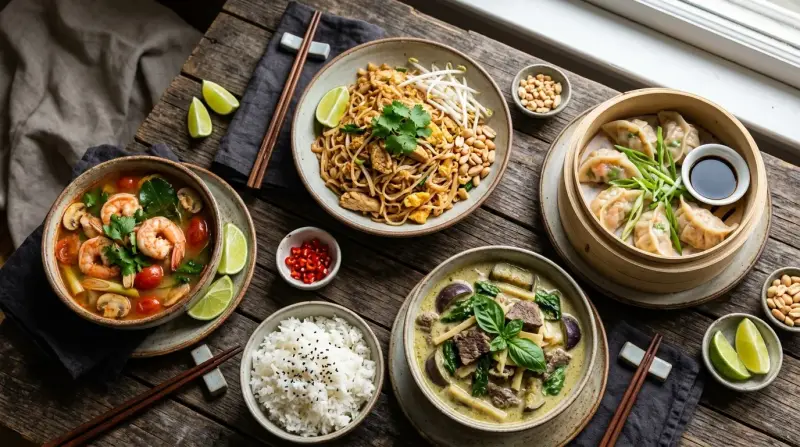
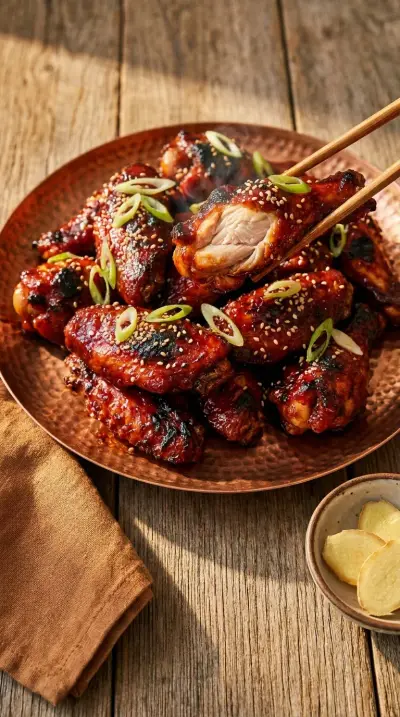



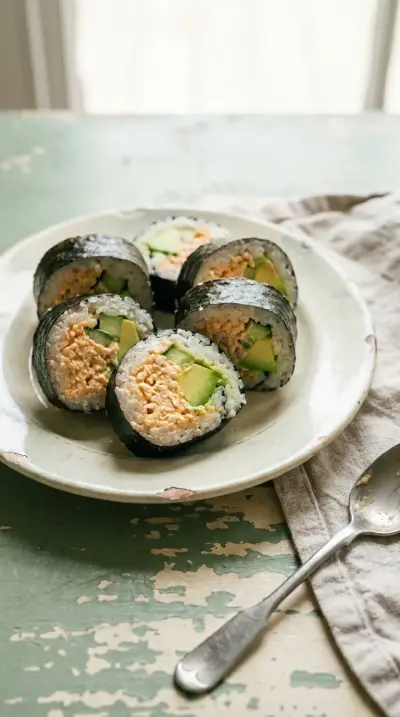

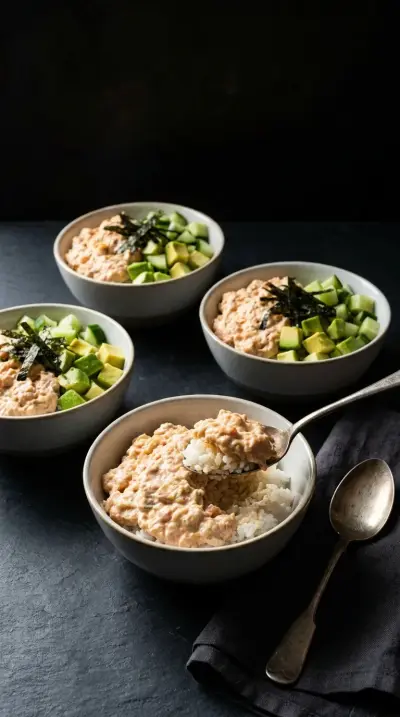

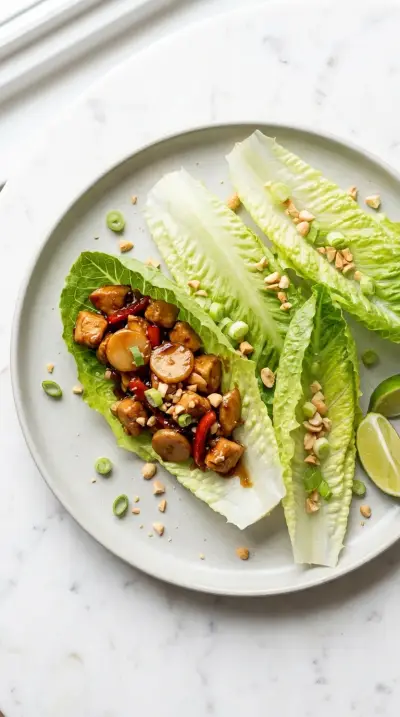
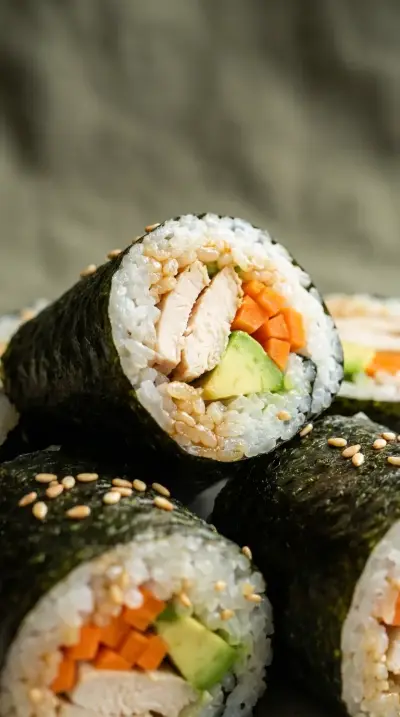


Core Flavors That Define Asian Cooking
Asian kitchens rely on a handful of foundational taste pillars: salty soy sauce, umami‑rich fish sauce, sweet coconut milk or palm sugar, sour citrus or tamarind, and heat from chilies or peppercorns. When these elements are balanced, dishes achieve the harmony that characterises everything from Japanese ramen to Thai curries.
Techniques Every Home Cook Should Know
Stir‑frying quickly sears ingredients over high heat, preserving crunch and color while developing a smoky depth. Steaming is a gentle method that keeps vegetables bright and proteins moist, ideal for dumplings, fish, and delicate greens. Proper noodle handling—soaking, boiling, or pan‑toasting—creates the perfect texture for dishes like pad thai or soba.
Practical Tips for Picking a Recipe
When browsing recipes, consider the following:
- Ingredient availability: Choose dishes that use staples you already have, such as rice, soy sauce, and garlic.
- Cooking time: Stir‑fry meals often finish in under 30 minutes, while braised soups may need longer simmering.
- Flavor profile: Decide if you want bright and sour, rich and savory, or a spicy kick, then select a recipe that highlights those notes.
Even without a specific recipe listed on this page yet, the guidelines above will help you spot meals that match your pantry, schedule, and taste preferences. Look for clear ingredient lists, step‑by‑step instructions, and notes on adjusting heat or sweetness to suit your palate.
Building a Versatile Asian Pantry
Stocking a few key items—soy sauce, sesame oil, dried chilies, ginger, garlic, and a good-quality broth—makes it easy to improvise. Fresh herbs like cilantro, Thai basil, or scallions add brightness at the end of cooking. With these basics on hand, you can experiment confidently and adapt any recipe you later discover on SparkJab.