Appetizers Recipes
Welcome to the Appetizers section, where bite‑size creations set the tone for any gathering. Browse for inspiration to craft crisp, savory, or sweet starters that delight guests.
28 recipes
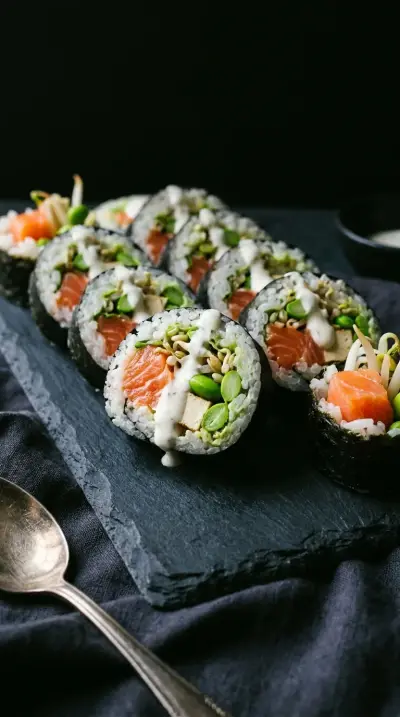
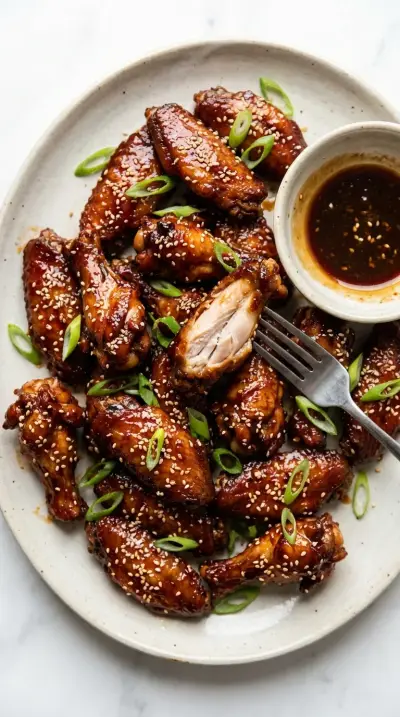
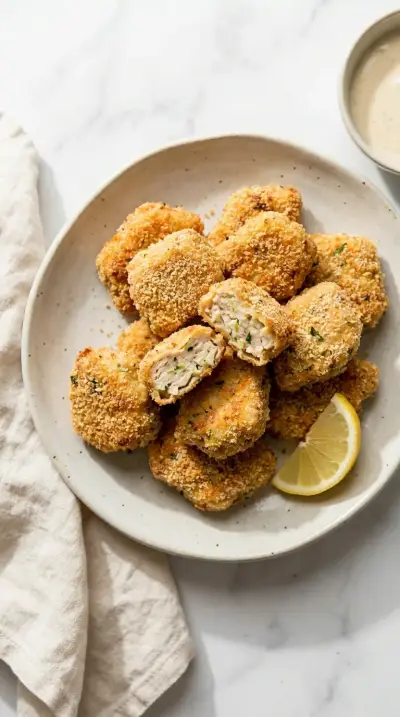
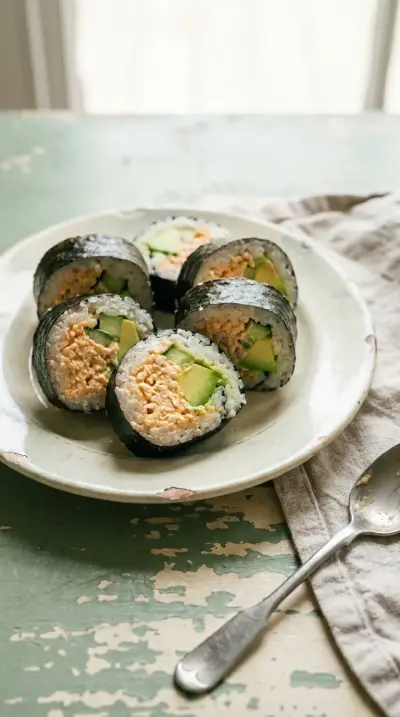
What Makes an Appetizer?
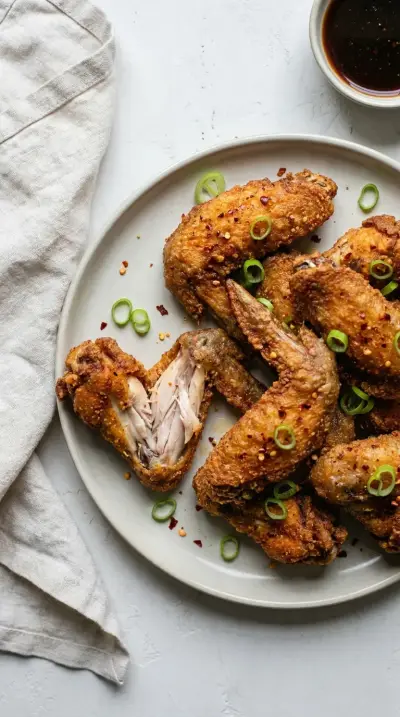
Appetizers are small, flavorful portions served before the main course. Their purpose is to awaken the palate, offer a glimpse of the meal’s style, and encourage conversation. Because they sit at the start of a dining experience, they should be easy to eat with hands or a simple utensil, and they often balance texture—crisp, creamy, crunchy, or tender—to keep guests interested.
Flavor Foundations and Techniques
Most appetizers rely on bold, approachable flavors. Acidic elements such as citrus juice, vinegar, or pickled vegetables brighten richer components. Sweet hints from honey, fruit preserves, or caramelized onions can contrast salty cheeses or seasoned meats. Herbs and spices add regional character; a pinch of smoked paprika can give a Southwestern feel, while fresh dill or cilantro brings a bright herbaceous note.
Techniques that work well for starters include quick‑cook methods—sautéing, flash‑roasting, or grilling—so you can assemble a dish in minutes. Dipping sauces, spreads, and crumbs let you build layers of taste without lengthy cooking. When planning a platter, think about temperature contrast: a warm bite beside a cool dip creates pleasing variety.
Practical Tips for Perfect Starters
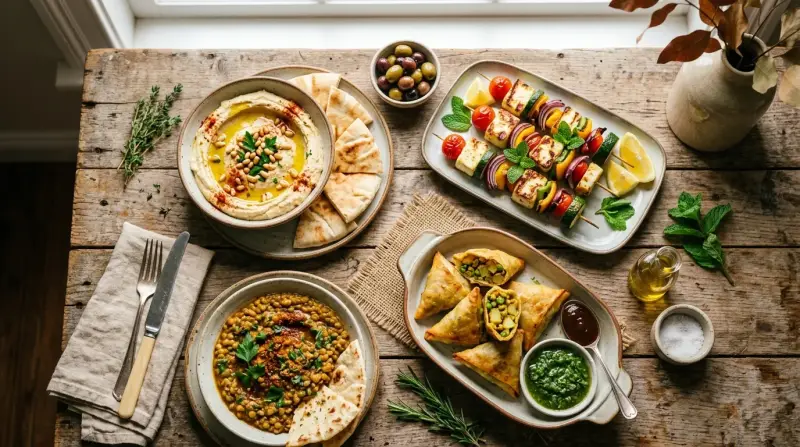
Choosing the right appetizer depends on the event size, venue, and equipment available. For casual gatherings, handheld items like seasoned nuts, vegetable sticks, or bite‑size skewers keep flow smooth. If you have a kitchen nearby, consider mini‑casseroles or baked phyllo cups that can be prepared ahead and reheated.
Here are a few quick guidelines to keep in mind:
- Keep portions bite‑size—no larger than two to three bites per serving.
- Balance flavors: pair salty with sweet, hot with cool, or rich with acidic.
- Plan for dietary needs; offering at least one vegetarian or gluten‑free option ensures inclusivity.
- Pre‑prepare components that can be assembled just before guests arrive to maintain texture.
Finally, presentation matters even for modest dishes. A colorful arrangement of fresh herbs, a drizzle of infused oil, or a sprinkle of toasted seeds can turn simple ingredients into an eye‑catching starter. By focusing on seasonality, texture contrast, and easy execution, you’ll create appetizers that set a welcoming tone for any meal.