Breakfast Recipes
Welcome to our breakfast collection, where you’ll find quick, hearty dishes that fit busy mornings. From fluffy pancakes to protein‑packed bowls, each recipe is designed for simplicity and flavor. Browse the grid to discover meals you can prepare in under 30 minutes.
29 recipes
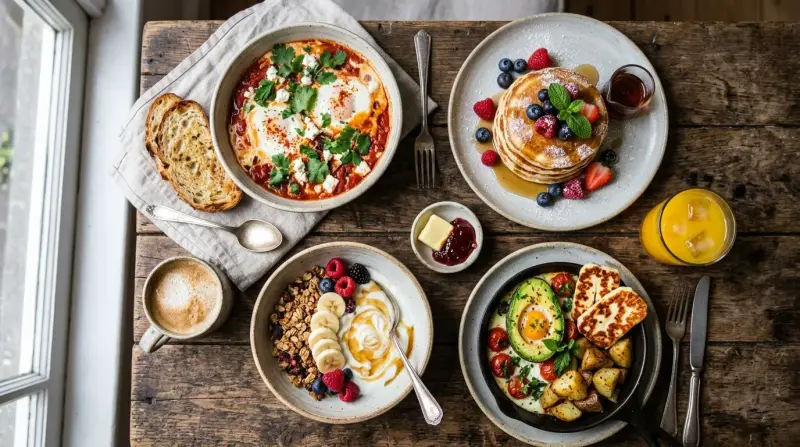
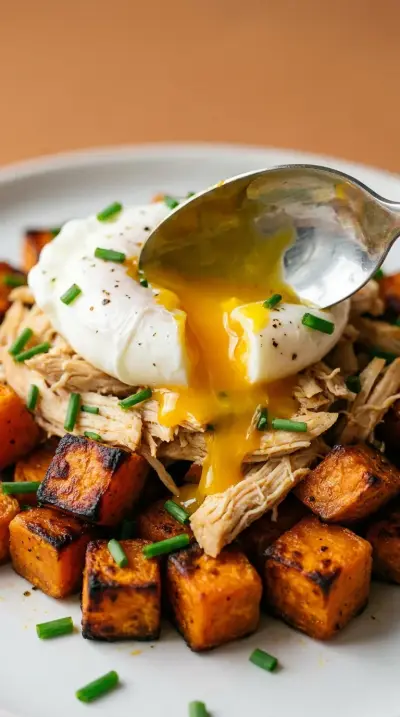
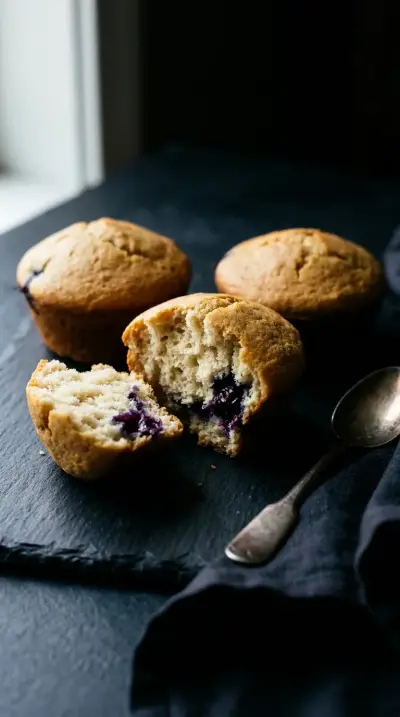
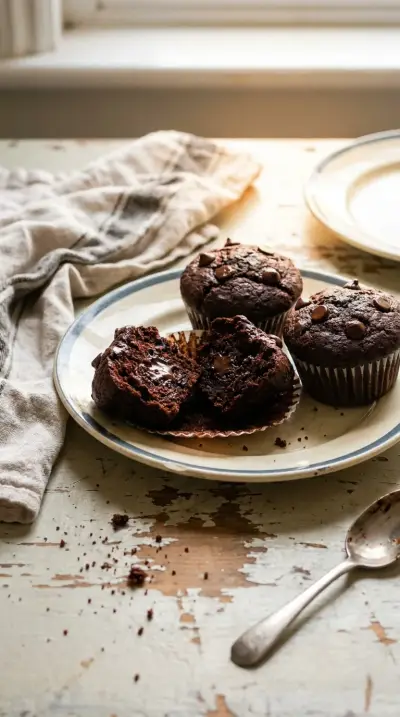



What makes quick breakfast recipes stand out
When mornings are rushed, the best breakfast dishes share three core qualities: speed, simplicity, and balance. A recipe that can move from pantry to plate in under thirty minutes reduces stress and frees up mental bandwidth for the day ahead. At the same time, a well‑designed quick breakfast still delivers protein, complex carbs, and a touch of healthy fat, preventing the mid‑morning energy dip that often follows sugary cereals. By focusing on ingredients that cook fast—eggs, oats, pre‑cooked grains, and frozen fruit—these recipes stay flavorful without demanding extensive prep.
Key ingredients for speed and flavor
Choosing the right staples makes the difference between a half‑finished scramble and a fully rounded meal. Below are the categories that most fast‑track breakfasts rely on:
- Eggs: versatile, high‑protein, and ready in minutes whether scrambled, poached, or folded into a frittata.
- Whole grains: quick‑cooking oats, instant quinoa, or pre‑cooked brown rice provide sustained energy and a neutral base for toppings.
- Dairy or dairy‑alternatives: Greek yogurt, cottage cheese, or fortified plant milks add creaminess and calcium without extra cooking time.
- Frozen fruit and vegetables: pre‑washed and flash‑frozen, they retain nutrients and can be tossed straight into a pan or blender.
- Nuts, seeds, and nut butters: a spoonful of almond butter or a sprinkle of chia seeds supplies healthy fats and a satisfying crunch.
- Flavor boosters: pantry staples such as soy sauce, hot sauce, fresh herbs, and spices transform a bland base into a memorable bite in seconds.
Keeping these items stocked in a reachable spot ensures that you can assemble a complete breakfast without a last‑minute grocery run.
Techniques and tips to shave minutes
Even the simplest recipes can be accelerated with a few strategic habits:
- Batch‑cook grains: Cook a large pot of quinoa or oats on Sunday and store portions in the fridge for the week.
- Pre‑portion proteins: Divide chicken breast, turkey sausage, or tofu into single‑serve bags; they thaw quickly in the microwave.
- Use the microwave wisely: Steam broccoli, melt cheese, or reheat leftovers in 30‑second bursts to avoid overcooking.
- One‑pan methods: Combine eggs, veggies, and cheese in a skillet; the entire dish cooks together, reducing cleanup.
- Prep toppings ahead: Chop herbs, grate cheese, or mix a spice blend the night before and store in airtight containers.
These shortcuts preserve flavor while keeping the overall cooking time under the 30‑minute threshold.
Serving ideas and presentation
Presentation can make a quick breakfast feel intentional. Use the following approaches to elevate the visual appeal without extra effort:
- Layered bowls: Start with a base of oats or quinoa, add a protein layer, then top with fruit, nuts, and a drizzle of honey or hot sauce.
- Open‑face sandwiches: Spread avocado on whole‑grain toast, top with a poached egg, and finish with a pinch of flaky sea salt.
- Mini‑skillet servings: Cook a single‑serve frittata in a small non‑stick skillet; it looks restaurant‑style and fits neatly on a plate.
- Color contrast: Pair bright berries with creamy yogurt, or add a handful of spinach to a sunny‑yellow egg scramble for visual balance.
Choosing a reusable bowl or plate that matches your kitchen aesthetic adds a subtle sense of care, even on the busiest mornings.
Storing, reheating, and make‑ahead options
Not every breakfast needs to be cooked fresh each day. Many components hold up well for 3‑4 days in the refrigerator and can be reheated in a microwave or skillet. Follow these guidelines for safe and tasty storage:
- Grains: Store cooked quinoa, rice, or oats in airtight containers; they reheat in 60‑90 seconds or can be eaten cold with added liquid.
- Egg dishes: Frittatas and baked egg muffins keep for up to four days; reheat on low heat to avoid rubbery texture.
- Protein: Cooked chicken, turkey sausage, or tofu slice store well; add a splash of broth when reheating to maintain moisture.
- Fruit: Frozen berries stay fresh indefinitely; thaw in the microwave for a quick topping.
- Sauces and spreads: Keep a small jar of hot sauce, pesto, or nut butter on the counter for immediate flavor boosts.
When reheating, cover the dish with a microwave‑safe lid or a damp paper towel to retain steam and prevent drying. For make‑ahead breakfasts, assemble layered bowls the night before, keeping wet ingredients (yogurt, dressing) separate until serving.
Frequently asked questions
Can I prepare a full breakfast in under ten minutes?
Yes, if you rely on pre‑cooked grains, frozen fruit, and a quick protein like eggs or pre‑cooked sausage. A typical ten‑minute breakfast might be a microwave‑heated oatmeal bowl topped with berries, almond butter, and a boiled egg sliced on the side.
What’s the best way to keep scrambled eggs fluffy when reheating?
Reheat in short 20‑second bursts on low power, stirring gently between intervals. Adding a splash of milk or water before reheating helps restore moisture.
Are there any low‑sugar breakfast options that still taste sweet?
Combine plain Greek yogurt with fresh berries, a drizzle of pure maple syrup, and a sprinkle of cinnamon. The natural sweetness of the fruit keeps added sugar low while satisfying a sweet craving.
How can I make breakfast more protein‑rich without adding meat?
Incorporate plant‑based proteins such as tofu scramble, chickpea flour pancakes, or a scoop of pea‑protein powder into smoothies. Pair with nuts, seeds, or dairy‑alternative yogurts for a complete amino‑acid profile.
What’s the safest storage time for cooked eggs?
Cooked eggs, including hard‑boiled, frittatas, and egg muffins, remain safe in the refrigerator for up to four days. Store them in a sealed container and reheat to an internal temperature of 165°F (74°C) before eating.