Broiled Eggs: Classic Muffin Cup Breakfast
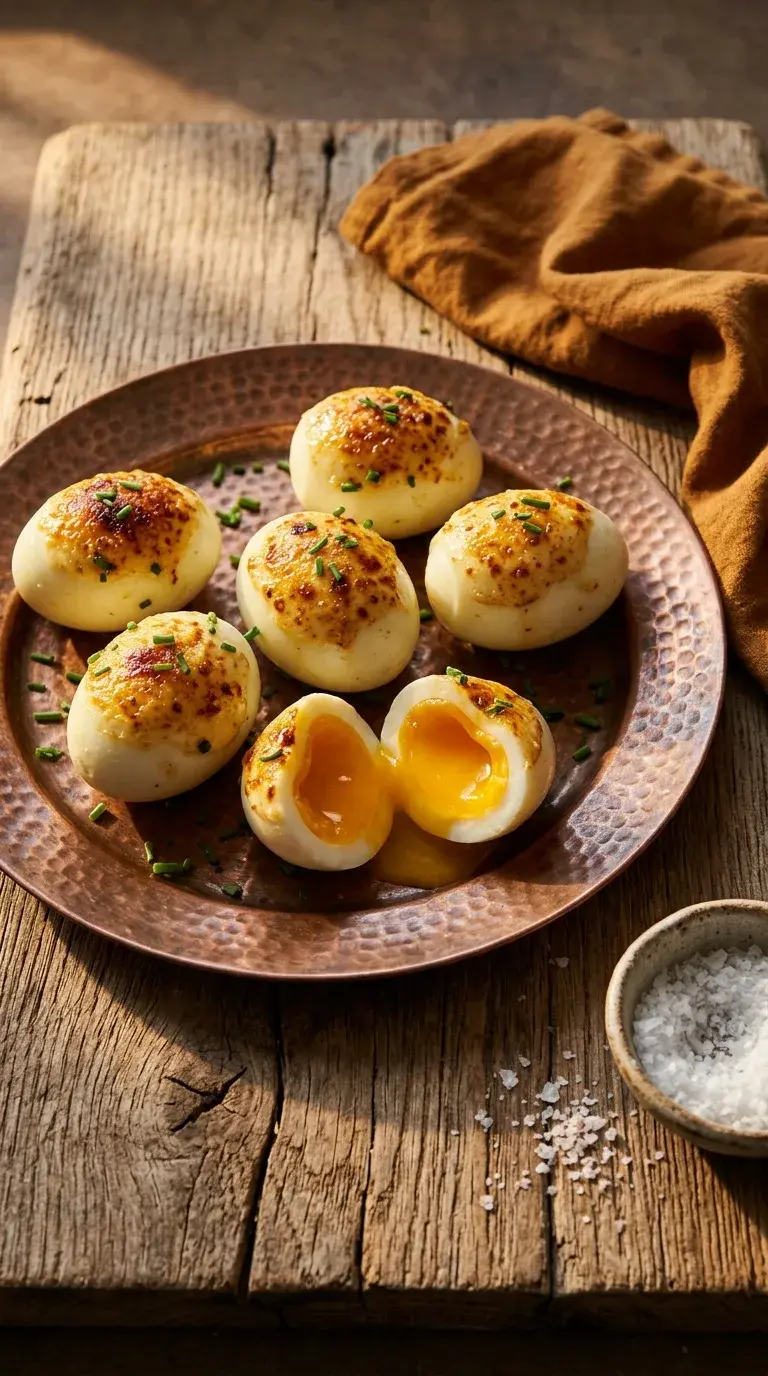
Too much time under the heat turns broiled eggs into rubbery discs with hard, chalky yolks. You lose the contrast between the textures. This produces an overcooked egg that lacks the fluid centre required for dipping bread.
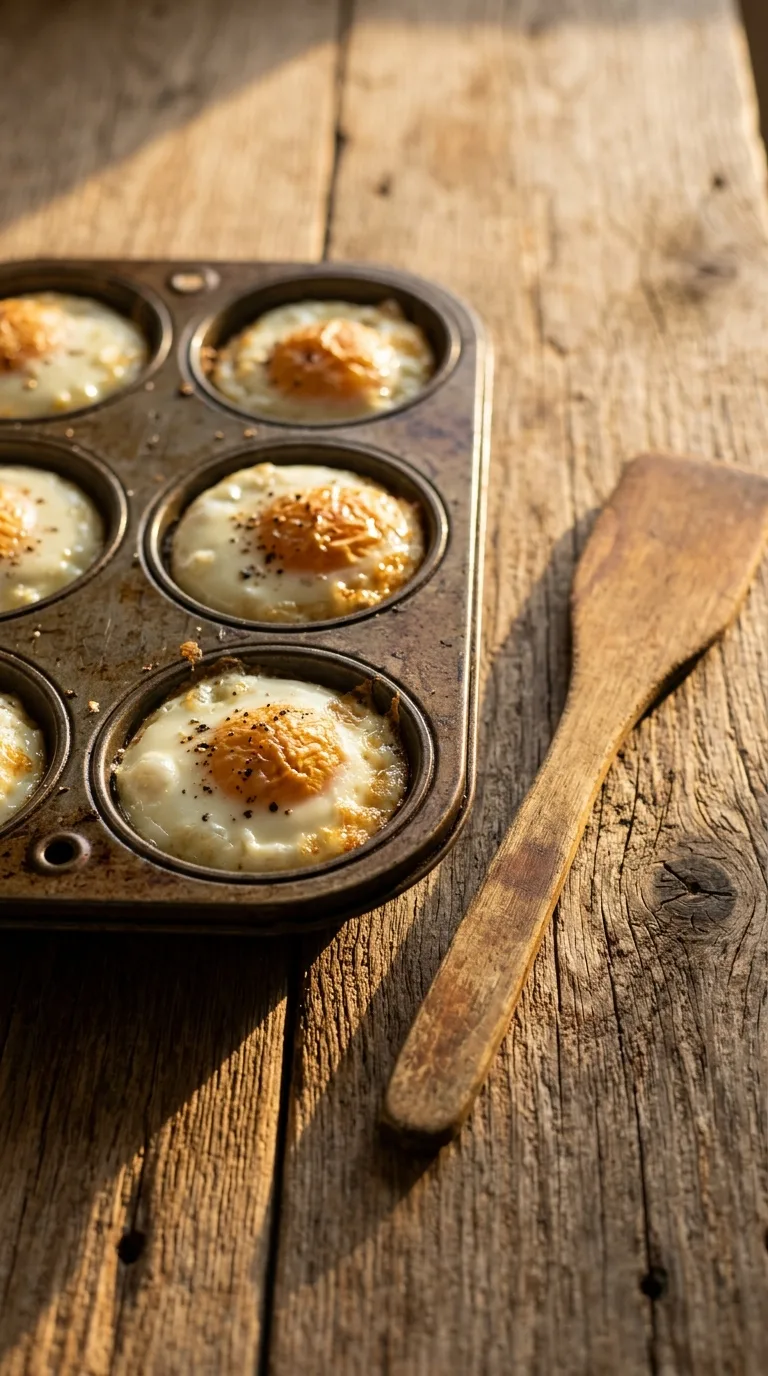
These eggs are cooked in a muffin tin to hold a deep, circular shape. When correct, the whites are opaque and set, while the centre remains bright and silky. The high heat of the broiler creates a slight crispness on the surface that adds a savoury depth to the dish.
Position your rack 12.5 cm (5 in) below the heating element to control the intensity. Use the residual heat to finish the yolks by letting the eggs sit a minute after broiling. This prevents the eggs from becoming over-done while ensuring the whites are fully cooked.
Broiled Eggs: Classic Muffin Cup Breakfast
Recipe cardIngredients
Instructions
-
Prepare the oven
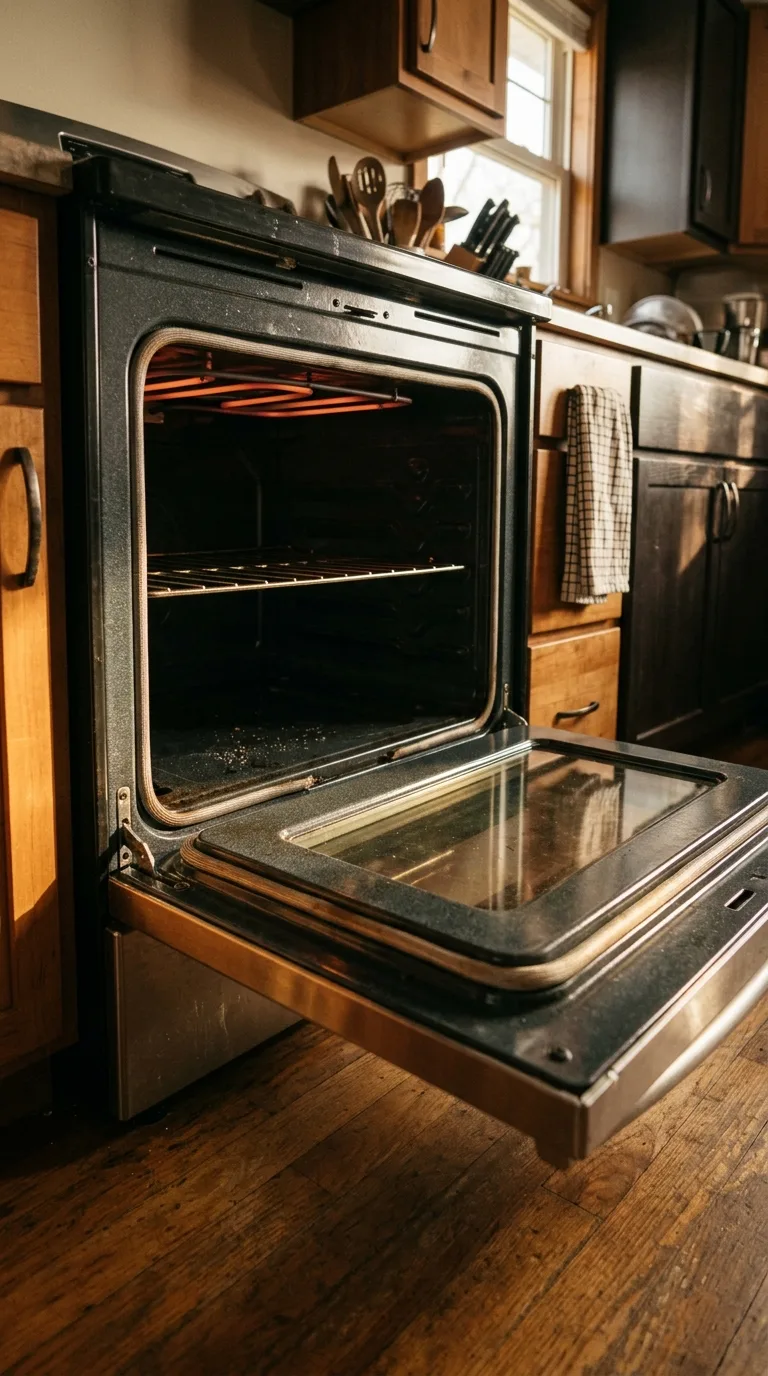
Preheat the oven to 200°C (400°F). Set the broiler rack 12.5 cm (5 in) below the heating element to ensure the heat is intense enough to sear the tops.
-
Grease the tin
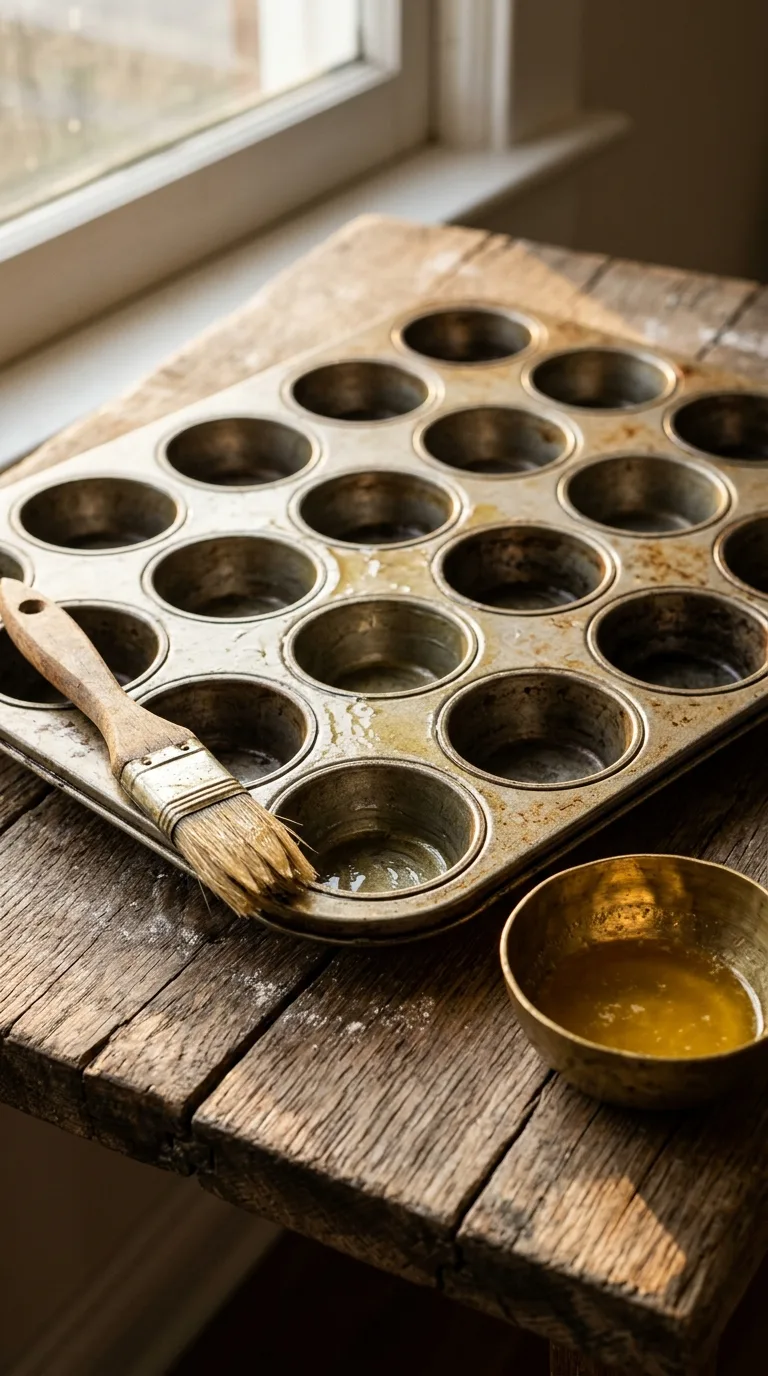
Brush each cup of a muffin tin with the melted butter. Allow any excess to drip off so you do not fry the bottom of the egg.
-
Add the eggs
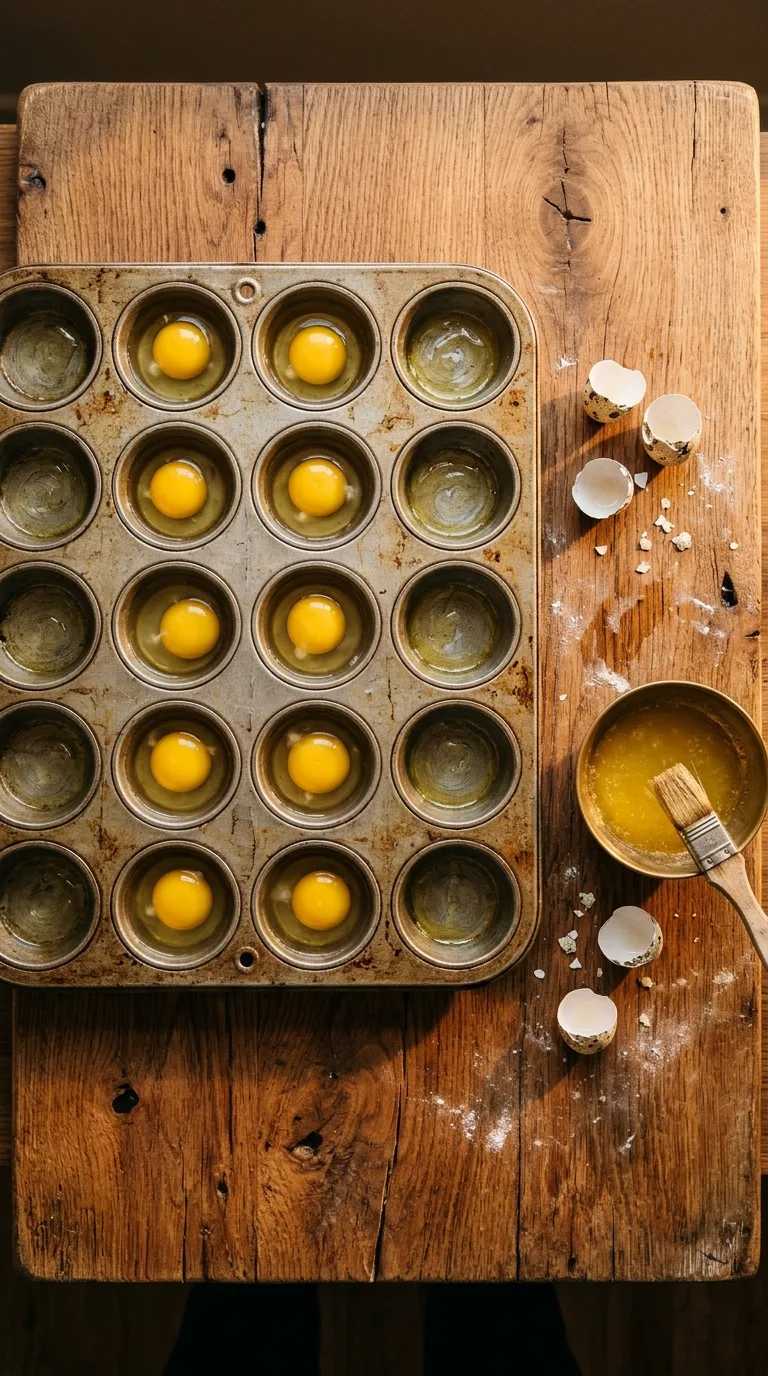
Carefully crack one egg into each cup. Do not break the yolk, as the intact centre provides the silky texture.
-
Season the whites
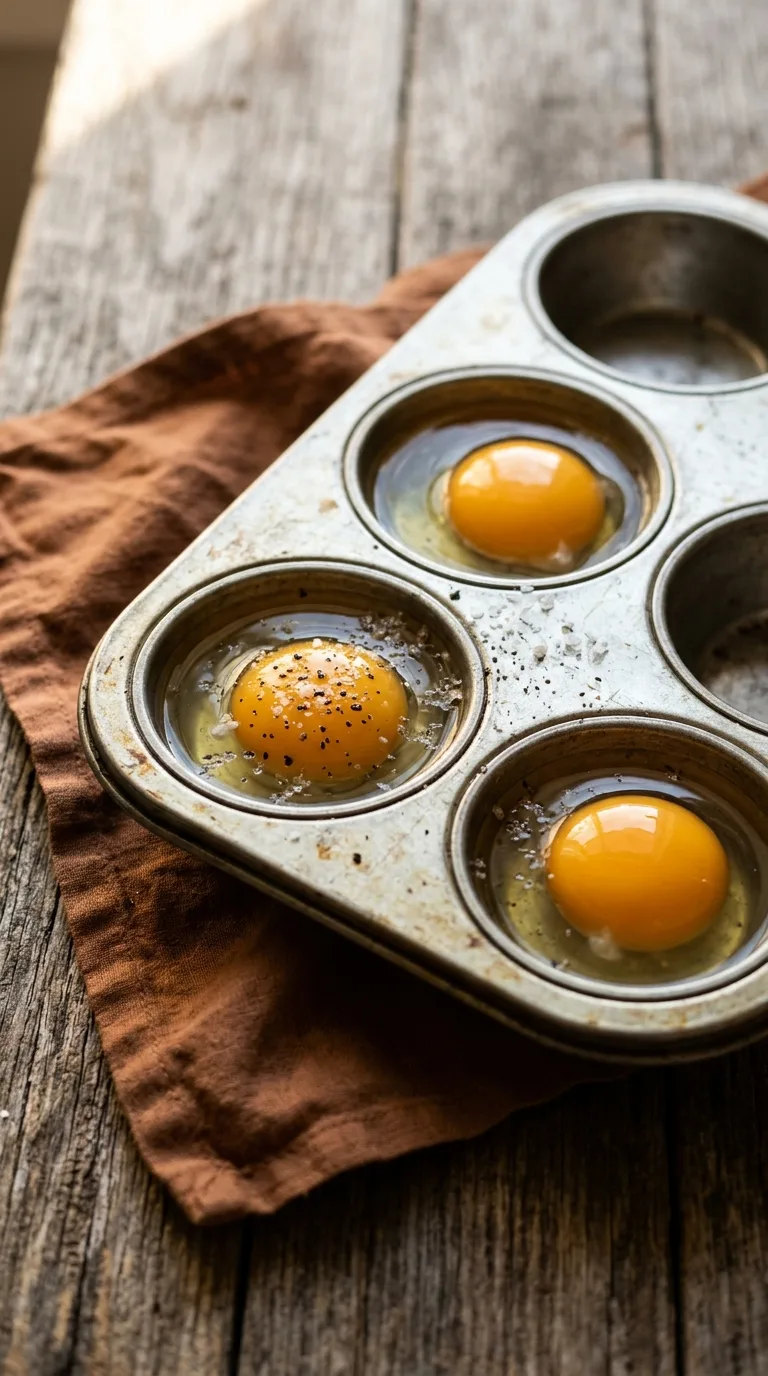
Add a pinch of salt and a pinch of freshly ground black pepper to the whites. Put the salt in now so it dissolves into the whites as they cook.
-
Broil the eggs
Place the tin on a rimmed baking sheet. Broil for 6 minutes until the whites are opaque and the yolks are thickened but still runny.
-
Remove and plate
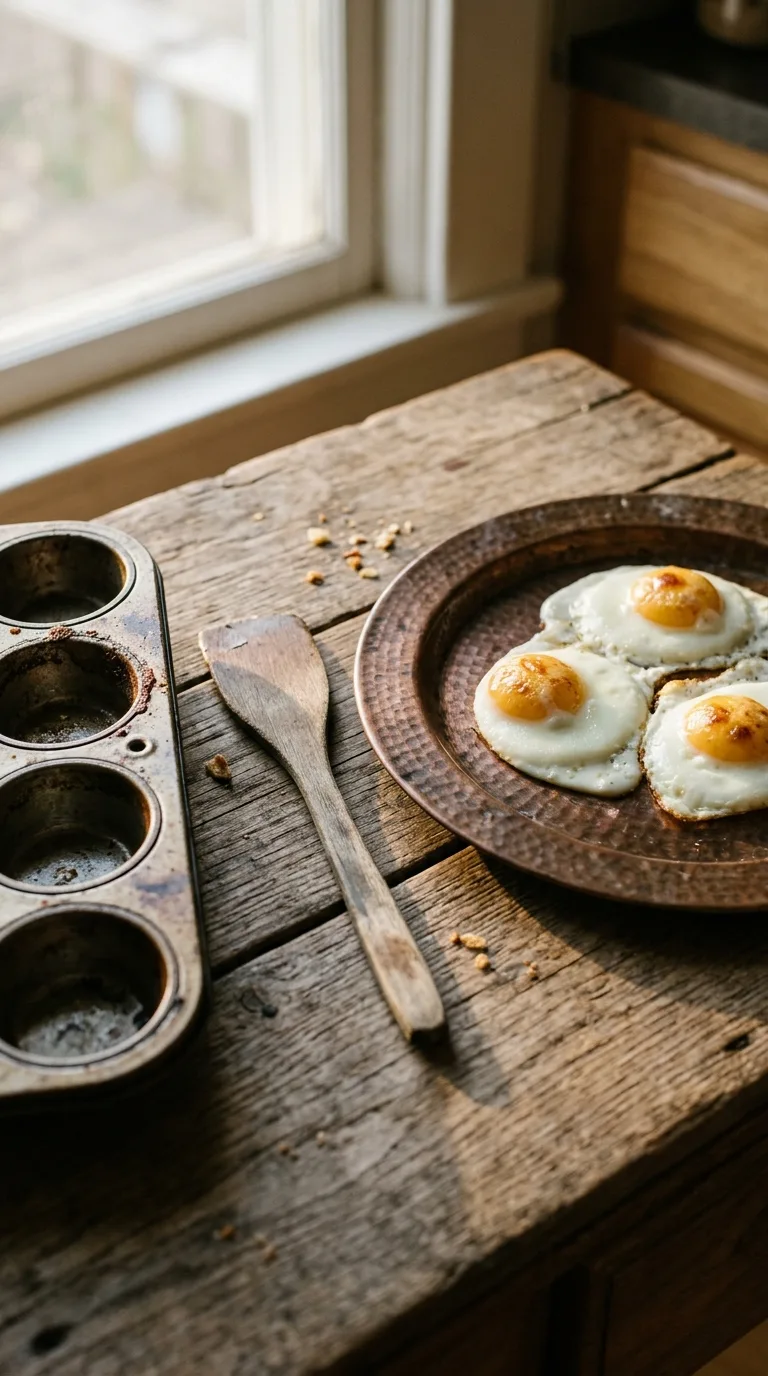
Use oven mitts to remove the tin. Use a thin wooden or silicone spatula to lift each egg onto a platter without tearing the white.
-
Add final touches
Sprinkle chopped chives over the hot yolks for a pop of colour. Apply a light squeeze of fresh lemon juice if you want added brightness.
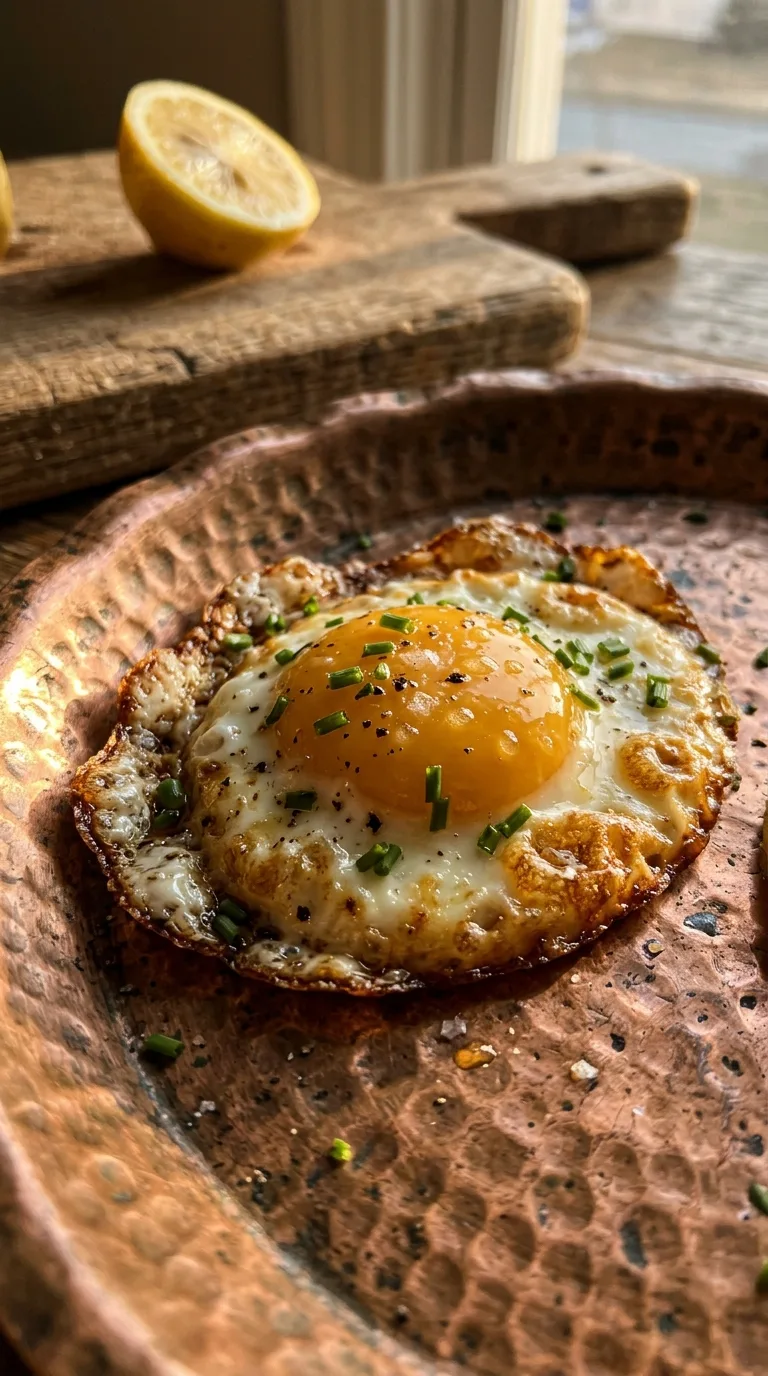
Watch the yolks closely during the final minute. If the tops look too liquid, broil for another 30 seconds. If they set completely, you have overcooked them. Let the eggs sit for one minute after removal so the residual heat finishes the yolks gently.
What goes wrong and why
Overcooked yolks happen if the rack is too close to the heating element or the timer runs too long. You will spot this when the yolks lose their glossy sheen and turn matte. Use a timer and check the eggs at 6 minutes to ensure the centres remain silky.
What to serve with it
Toast slices of crusty bread and cut them into strips for dipping into the yolk. For a more nutrient-rich breakfast, pair the eggs with a side of sautéed spinach and garlic. You can also add a dollop of Greek yoghurt topped with paprika for a creamy, savoury contrast.
Storing and reheating
Store cooked eggs in a shallow container in the fridge for up to 2 days. To freeze, wrap each egg individually in cling film for up to 1 week. Thaw the eggs in the refrigerator before reheating them gently to avoid toughening the proteins in the whites.
Nutrition per serving
- Calories
- 105
- Protein
- 6.3 g
- Carbs
- 0.4 g
- Fat
- 7.8 g
- Fiber
- 0.0 g
- Sugar
- 0.3 g
Estimated, and offered as a guide rather than a medical figure.
Made it? Rate it.
Questions people ask
How long should you broil eggs?
Broil the eggs for 6 minutes. This time allows the whites to turn opaque while keeping the yolks runny. Because broiler intensities vary, check them frequently to prevent the yolks from hardening.
What are buttered soldiers?
Buttered soldiers are strips of toasted bread. Cut the toast into thin rectangles so you can easily dip them into the thickened yolks of the broiled eggs for a classic accompaniment.
Are broiler eggs unhealthy?
No, provided you monitor the fats. They are rich in protein and naturally gluten-free. If you want to reduce saturated fat, replace the butter with a light drizzle of olive oil.

About the author
Mary C. Rivero
Mary C. Rivero specializes in comforting home‑cooked meals, from hearty pastas and sheet‑pan dinners to quick weeknight snacks. Her recipes feature clear, step‑by‑step directions and practical tips, helping readers create flavorful dishes with confidence and ease.