Mediterranean Recipes
Mediterranean cuisine is known for its vibrant vegetables, fragrant herbs, and generous use of olive oil. Browse this collection for ideas that bring fresh, health‑forward flavors to your kitchen.
7 recipes
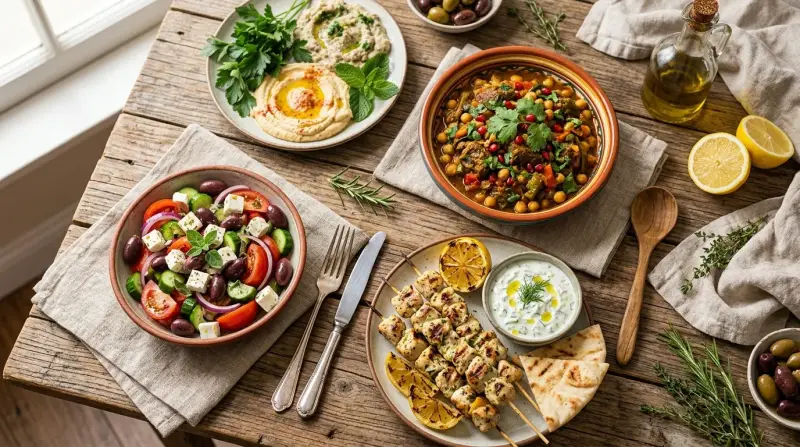

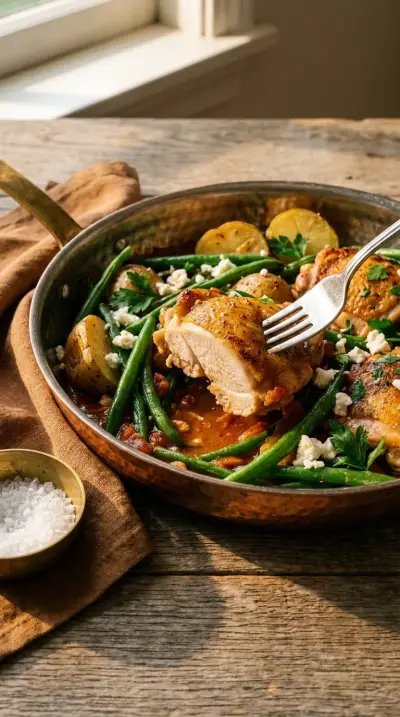

Chicken and Apple Meatballs: Baked Savoury Starters

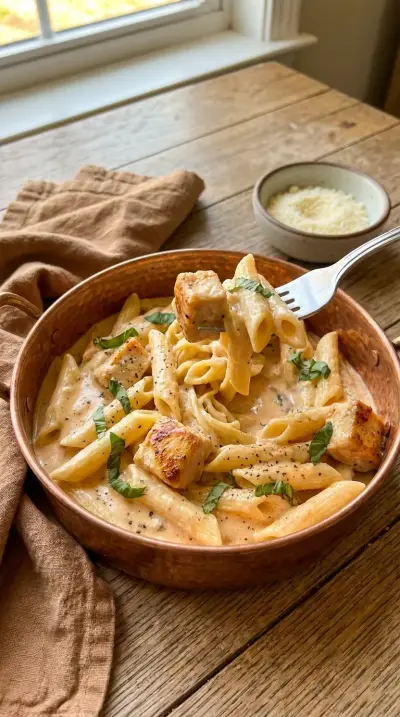
Yogurt Chicken Pasta: Creamy Mediterranean Pasta

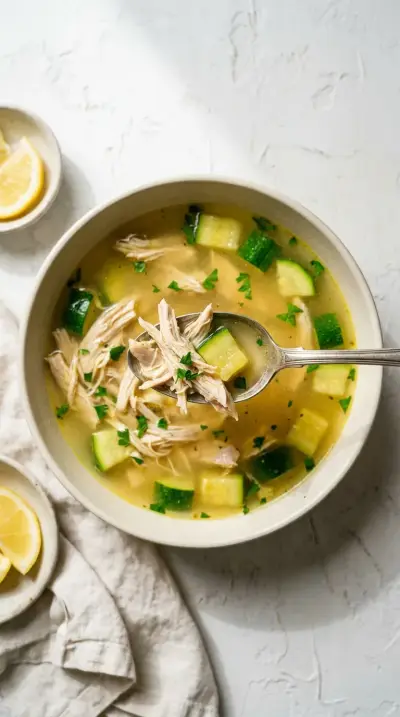
Zucchini Chicken Soup: Hearty Halal Comfort
Core Ingredients and Flavors
The backbone of Mediterranean cooking is simple, high‑quality produce. Ripe tomatoes, crisp cucumbers, briny olives, and sweet bell peppers provide bright color and natural sweetness. Fresh herbs such as oregano, thyme, basil, and mint add fragrant layers, while garlic and onions give depth. Olive oil, preferably extra‑virgin, is the primary fat, delivering a silky mouthfeel and heart‑healthy monounsaturated fats. Lemon juice or zest brings acidity that balances richness, and nuts like pine nuts or almonds add occasional crunch. Together, these elements create dishes that feel both light and satisfying.
Cooking Techniques That Define the Region
Grilling, roasting, and quick sautéing dominate Mediterranean kitchens because they preserve the integrity of fresh ingredients. Open‑flame grills impart smoky notes to vegetables, fish, or lean meats such as chicken or lamb, while oven‑roasting concentrates sweetness in root vegetables and legumes. One‑pan sautés in olive oil let garlic and herbs infuse the base, creating sauces that coat grains or pasta without heavy cream. Slow‑cooked stews, often started with a sofrito of onions, garlic, and tomatoes, develop deep, comforting flavors that are perfect for cooler evenings. The emphasis is always on letting natural tastes shine.
Choosing the Right Mediterranean Dish for Your Meal
When you browse this page, think about the balance you want on your table. If you need a light lunch, a salad of mixed greens, cucumber, olives, feta (or a plant‑based alternative), and a lemon‑olive‑oil dressing fits the bill. For a heartier dinner, look for baked fish topped with herbs and a drizzle of olive oil, or a vegetable‑rich grain bowl featuring couscous or quinoa tossed with roasted peppers, tomatoes, and a sprinkle of nuts. Consider the cooking time as well—quick sautéed dishes are ideal on busy weeknights, while slower braised recipes work well for weekends when you have more time.
- Olive oil
- Fresh herbs (oregano, thyme, basil, mint)
- Seasonal vegetables (tomatoes, zucchini, eggplant)
- Lemon or citrus
- Whole grains or legumes
Even without a specific recipe listed, these guidelines help you identify which upcoming dishes will complement your pantry and schedule. Look for titles that mention key ingredients you already enjoy, and trust the familiar Mediterranean principles to guide you toward a meal that is both nutritious and full of flavor.