Split Pea Mash: Creamy Mediterranean Breakfast Spread
Mediterranean legumes are often stewed into thick soups or salads. This version of split pea mash transforms the legume into a spread by simmering the peas until they reach a tender, mash-like consistency. You use unsalted butter and extra-virgin olive oil to create a richer, creamier base than traditional water-based preparations. This addition provides a silky mouthfeel and a depth of flavour that makes the dish suitable for toast or as a dip.
The final result is a velvety texture with small lumps for substance. You decide the consistency during the mashing stage. Use a potato masher gently to keep some texture, or mash more vigorously for a smoother finish. Add the lemon juice and salt at the very end. This ensures the bright acidity of the citrus remains sharp and does not mellow during the 45 minutes of cooking time.
Split Pea Mash: Creamy Mediterranean Breakfast Spread
Recipe cardIngredients
Instructions
-
Prepare the peas
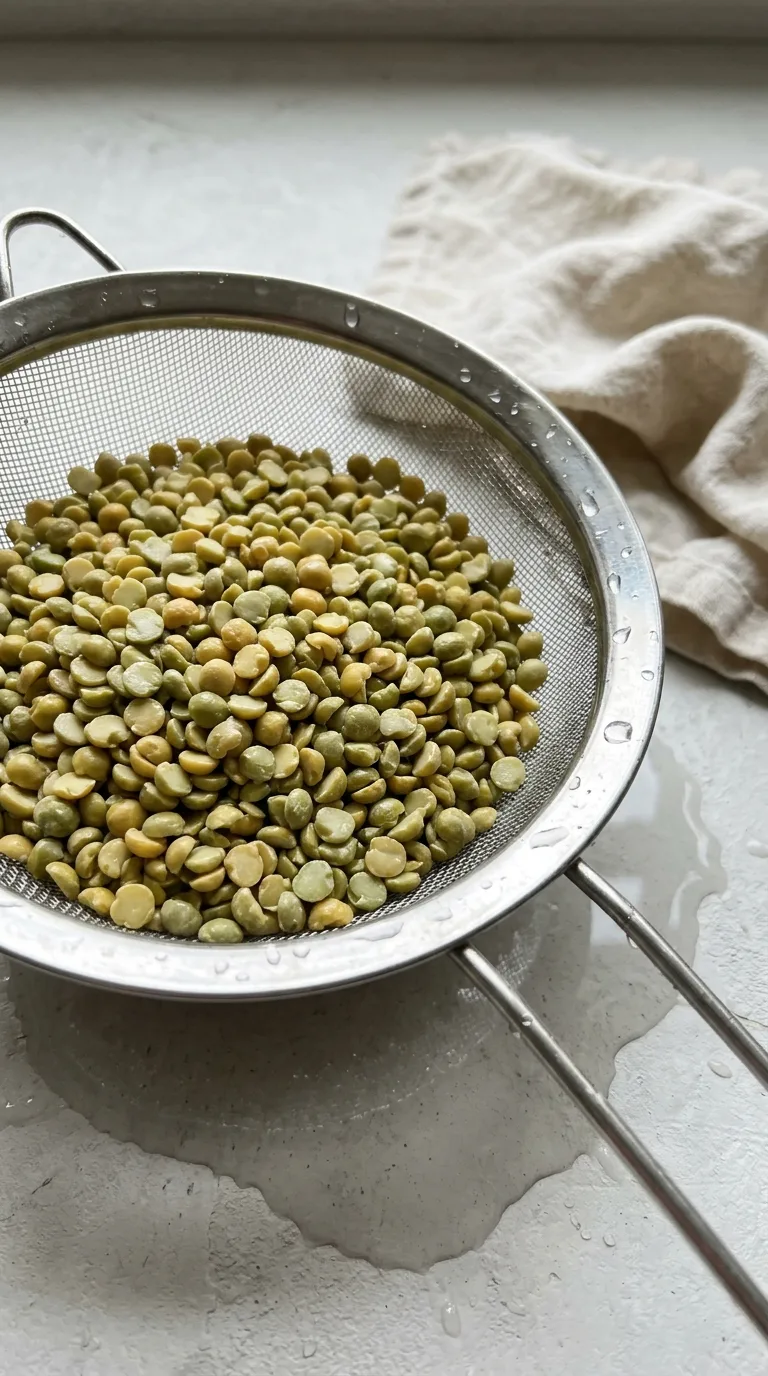
Rinse the dried split peas under cold running water until the water runs clear. Drain them well to remove excess starch. Place the peas and 1500 ml of water in a large stockpot.
-
Boil and simmer
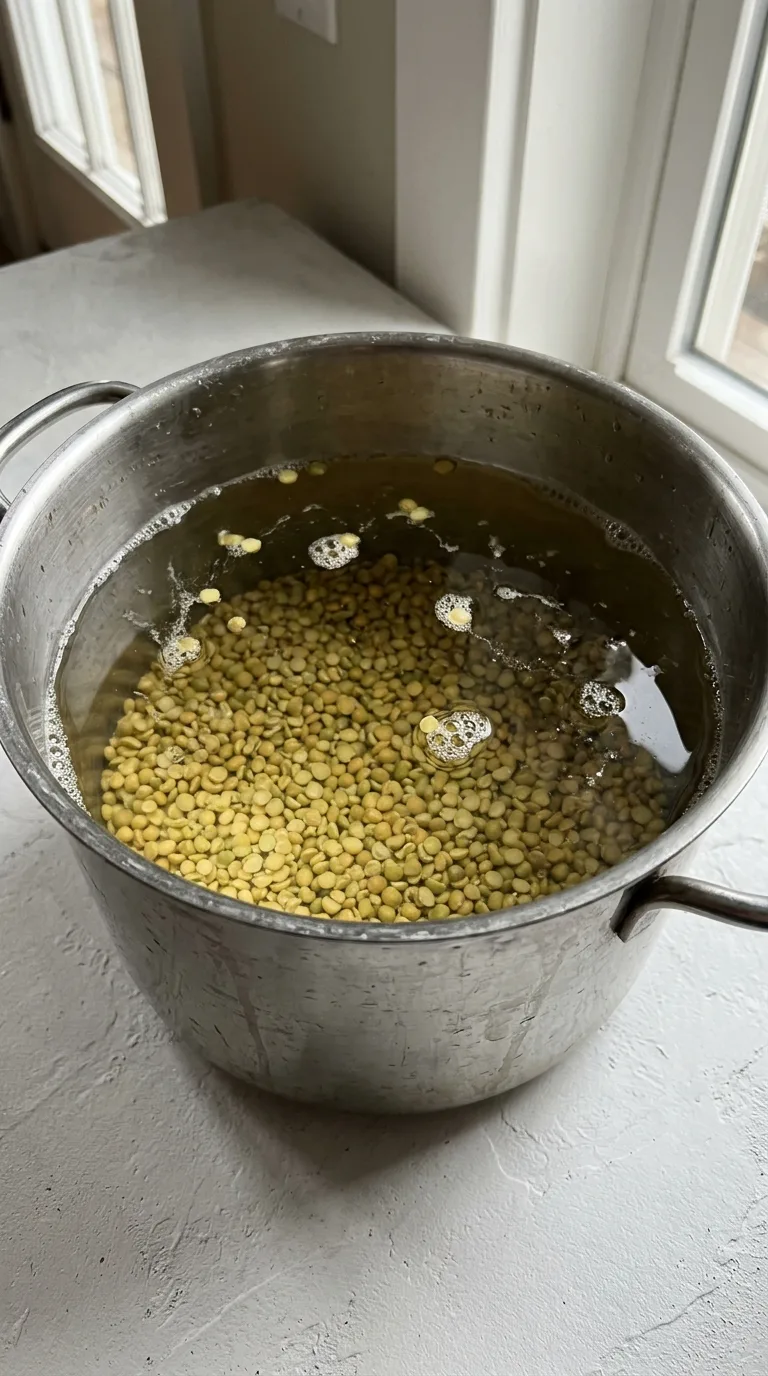
Bring the pot to a full boil over high heat. Reduce the heat to a gentle simmer. This slow heat prevents the peas from breaking apart too quickly.
-
Sauté the aromatics
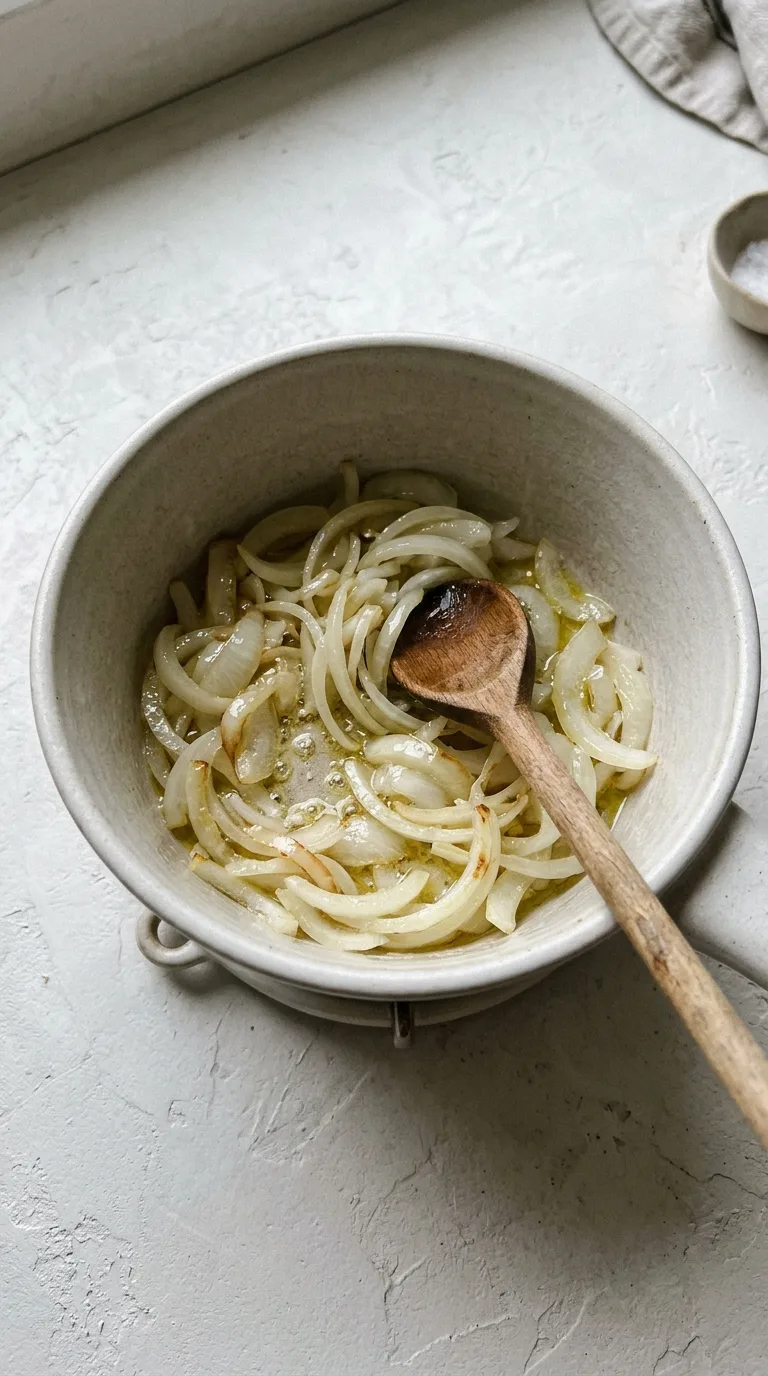
Heat 15 ml of extra‑virgin olive oil in a small saucepan over medium heat. Sauté the sliced onion for 5 minutes until translucent. Add the minced garlic and cook for one more minute until fragrant.
-
Simmer the mixture
Pour the onion‑garlic mixture into the stockpot. Cover and simmer for 35 minutes, stirring occasionally. Continue simmering for up to 45 minutes total until the peas are very tender and thick.
-
Mash the peas
Remove the pot from the heat. Use a potato masher to gently crush the peas. Leave some small lumps to provide a rustic texture to the spread.
-
Season and finish
Stir in 42 g of unsalted butter and the dried sage until melted. Add salt, pepper, and lemon juice last to preserve the brightness of the citrus. Stir in a splash of water if the mash is too thick.
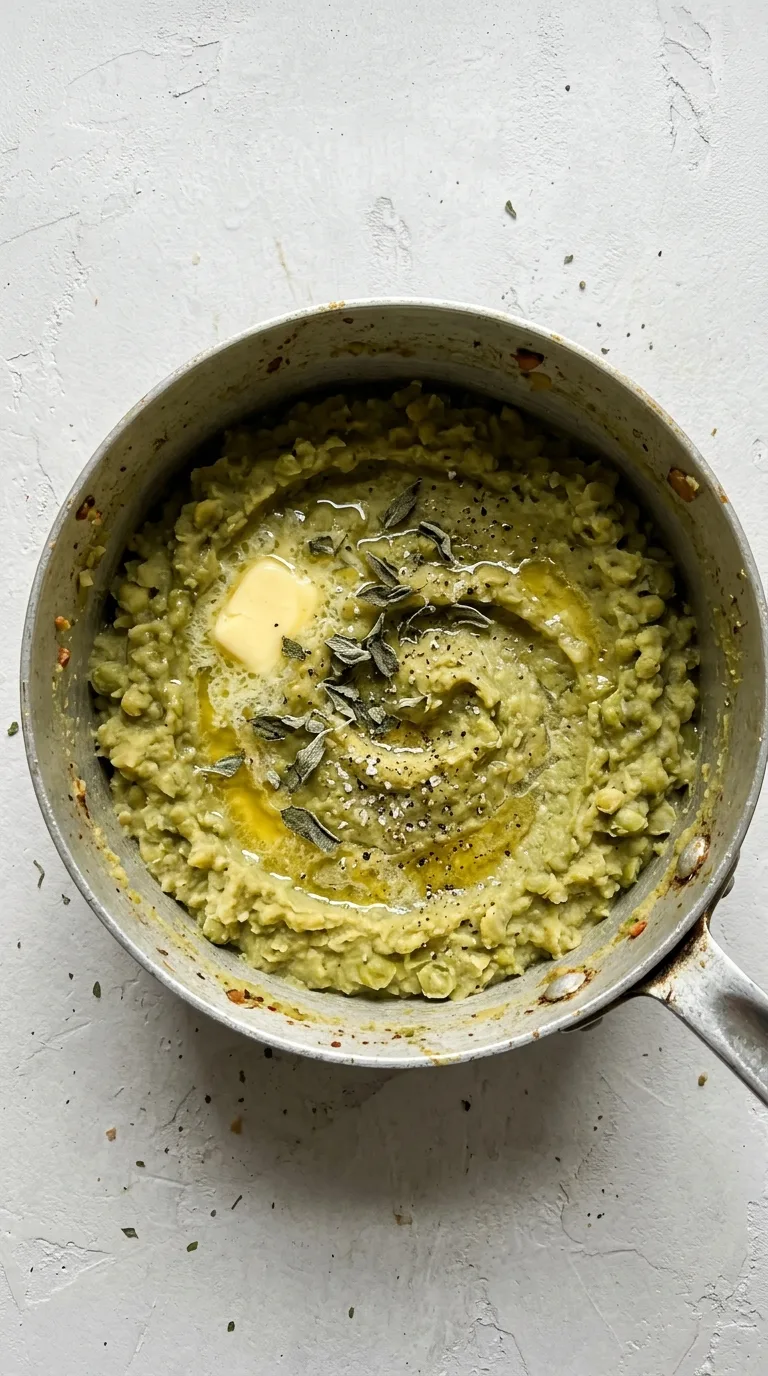
Watch the consistency during the final simmer. If the mash becomes too dry or thick before the peas are tender, stir in a splash of water or broth. This prevents the peas from scorching on the bottom and ensures a creamy texture.
How it differs from the traditional method
This version uses a potato masher rather than blending to keep some small lumps. This provides a rustic texture and a more substantial feel. Use a blender if you prefer a completely silken puree, though the mashed approach better supports the heartiness required for a breakfast spread.
Storing and reheating
Keep the mash in an airtight container in the fridge for up to 4 days. For longer storage, freeze it for up to 3 months. Thaw overnight in the fridge. Add a teaspoon of warm water or broth when reheating to prevent the mash from drying out.
Nutrition per serving
- Calories
- 245
- Protein
- 14.2 g
- Carbs
- 31.5 g
- Fat
- 6.8 g
- Fiber
- 9.4 g
- Sugar
- 3.1 g
Estimated, and offered as a guide rather than a medical figure.
Made it? Rate it.
Questions people ask
Can I use red or green split peas instead?
Yes. Red split peas break down faster and create a smoother, softer consistency. Green split peas hold their shape longer and provide a more earthy flavour. Both work well for this mash, but you may need to adjust the simmering time.
How do I make this vegan?
Omit the 42 g of unsalted butter. Use an additional tablespoon of extra-virgin olive oil or a plant-based butter substitute. This keeps the mash creamy while removing the dairy, making it suitable for a vegan diet without losing the rich mouthfeel.
Why is my mash too thick?
The peas have absorbed most of the liquid. Stir in a splash of water or vegetable broth until you reach your preferred consistency. This happens naturally as the starch in the split peas thickens the mixture during the simmering process.
About the author
Mary C. Rivero
Mary C. Rivero specializes in comforting home‑cooked meals, from hearty pastas and sheet‑pan dinners to quick weeknight snacks. Her recipes feature clear, step‑by‑step directions and practical tips, helping readers create flavorful dishes with confidence and ease.