Roasted Carrot Ginger Puree: Mediterranean Vegetable Side
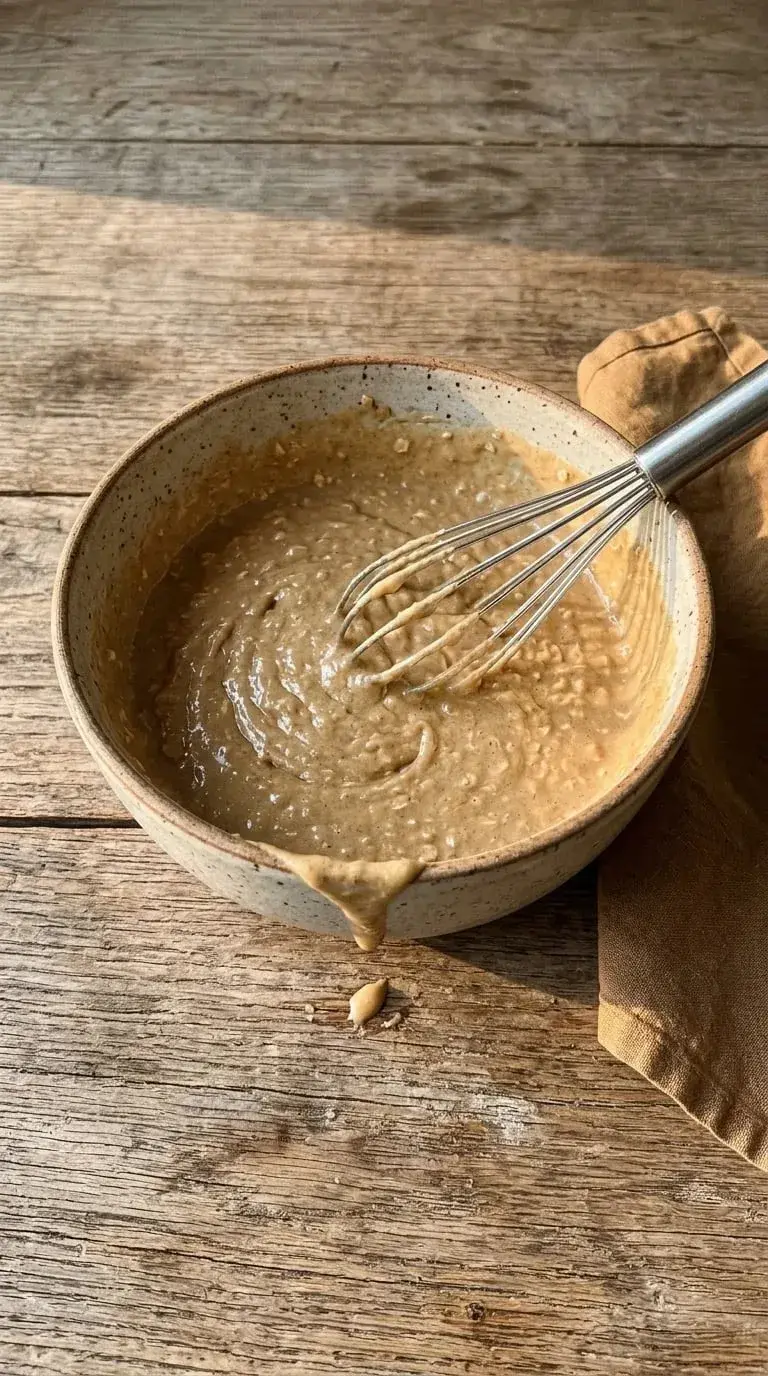
This roasted carrot ginger puree is a Mediterranean side dish with a silky texture and a fragrant spice profile. You blend roasted carrots with fresh ginger and vegetable stock to create a smooth consistency. It works as a warm starter or a accompaniment to roasted lamb or chicken.
Roast the carrots at 200°C (400°F) until they are tender and lightly caramelise. This process develops the sugars in the vegetable before you blend it. Let the carrots rest for 5 minutes after roasting. If you skip this rest or fail to roast them properly, the puree will lack depth of flavour and the texture will not be as smooth.
Roasted Carrot Ginger Puree: Mediterranean Vegetable Side
Recipe cardIngredients
Instructions
-
Prepare the oven
Preheat the oven to 200°C (400°F). Ensure the oven is fully heated so the carrots begin to caramelise immediately upon contact with the heat.
-
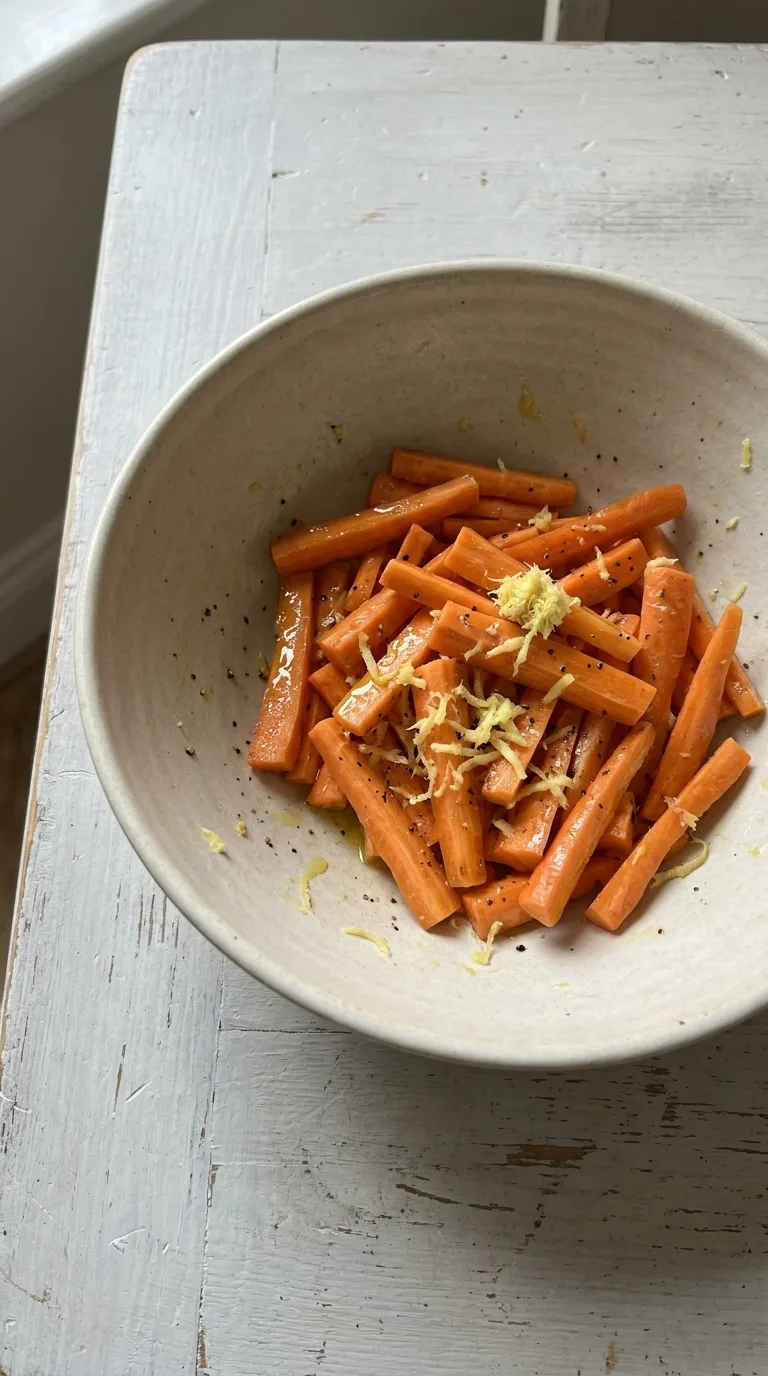
Coat the carrots
Place your peeled carrot sticks in a bowl. Drizzle them with olive oil and sprinkle with salt and pepper, then toss in the grated ginger. You must coat every piece evenly to ensure a consistent flavour and colour.
-
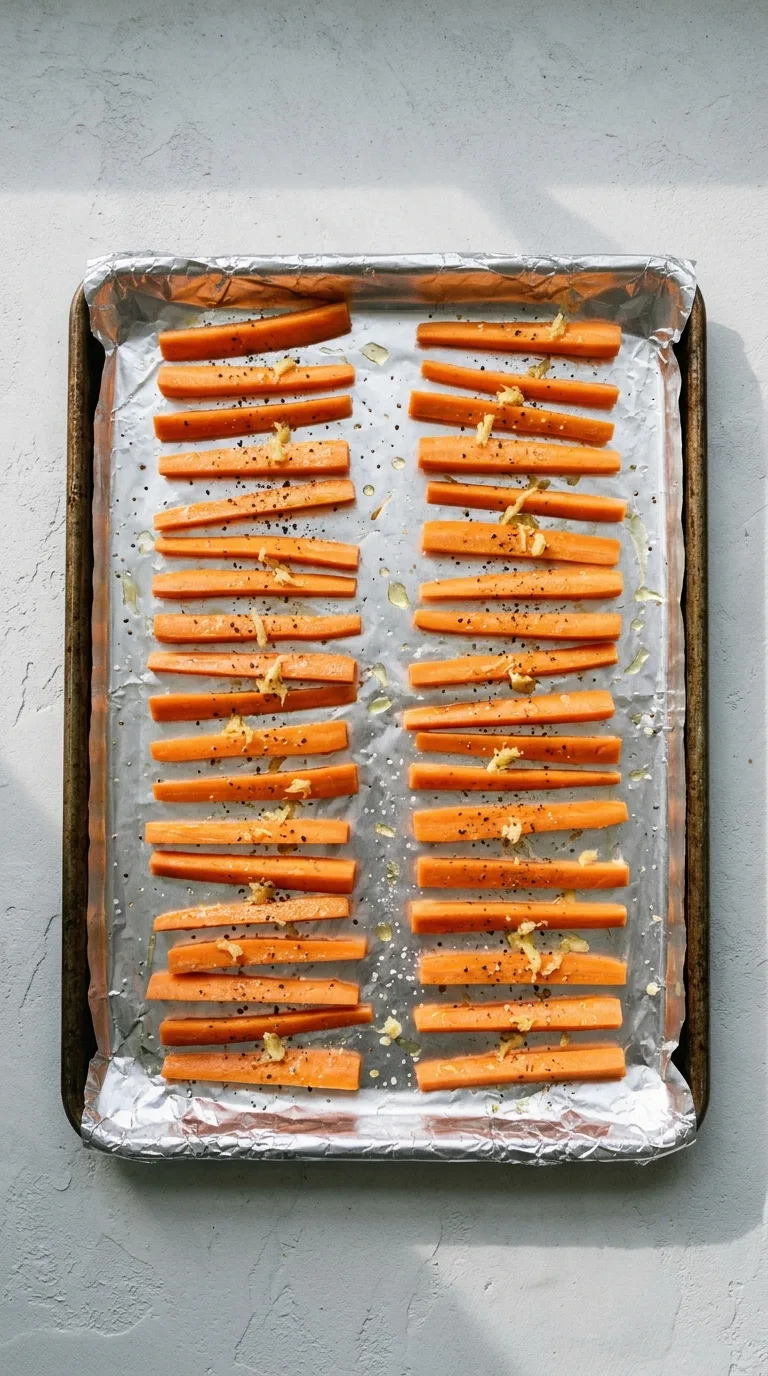
Roast the vegetables
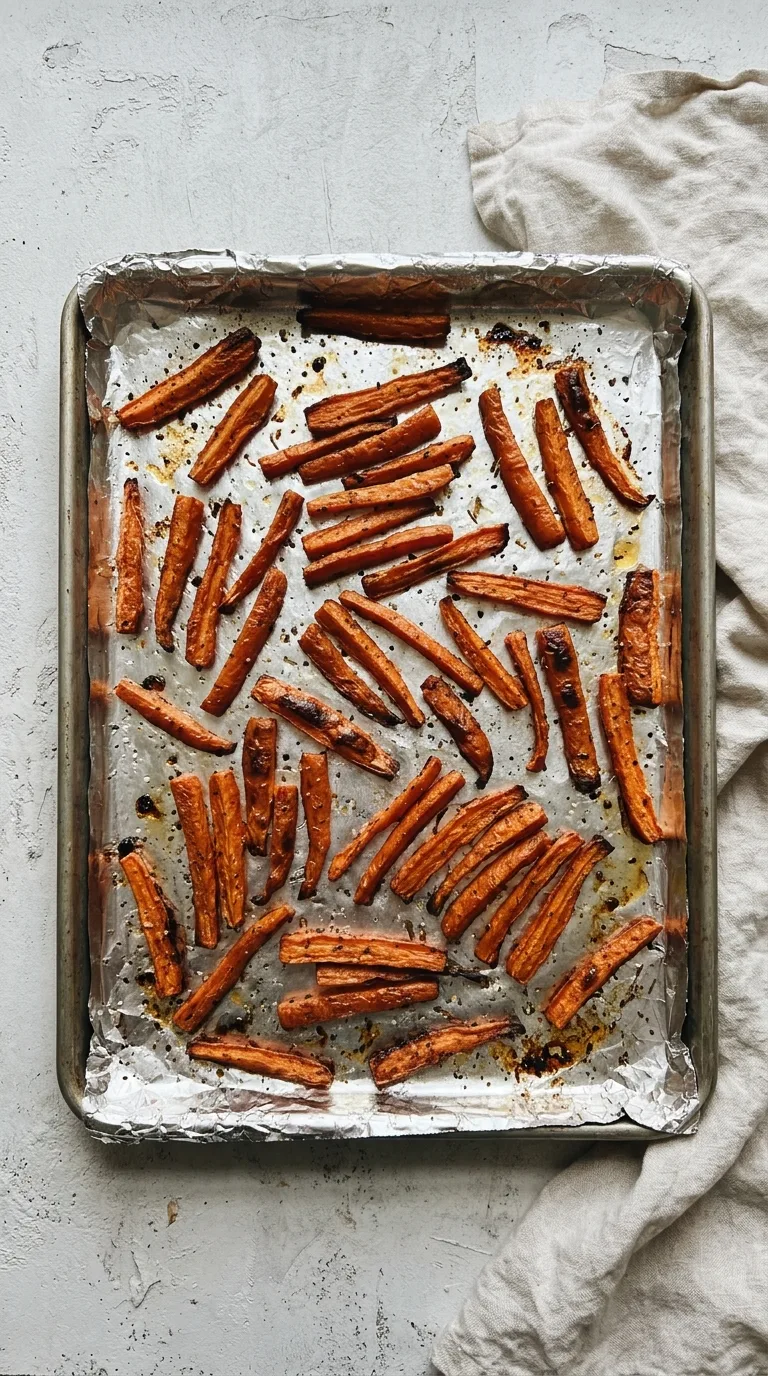
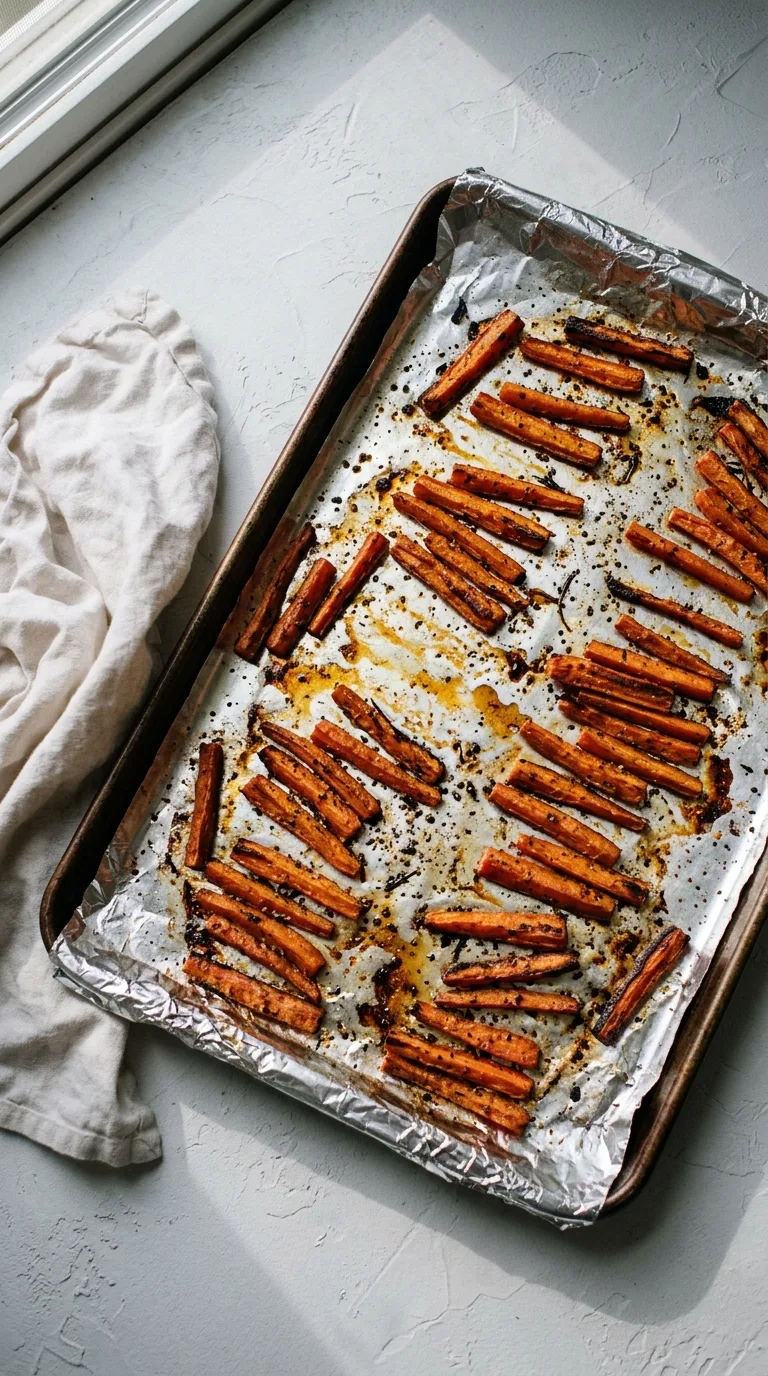
Spread the carrots in a single layer on a lined baking sheet. Roast for 12–14 minutes, turning once. Look for tender carrots that have lightly caramelised for a deeper sweetness.
-
Rest the carrots
Remove the tray from the oven. Let the carrots rest for 5 minutes. This allows the internal heat to stabilise before you blend them.
-
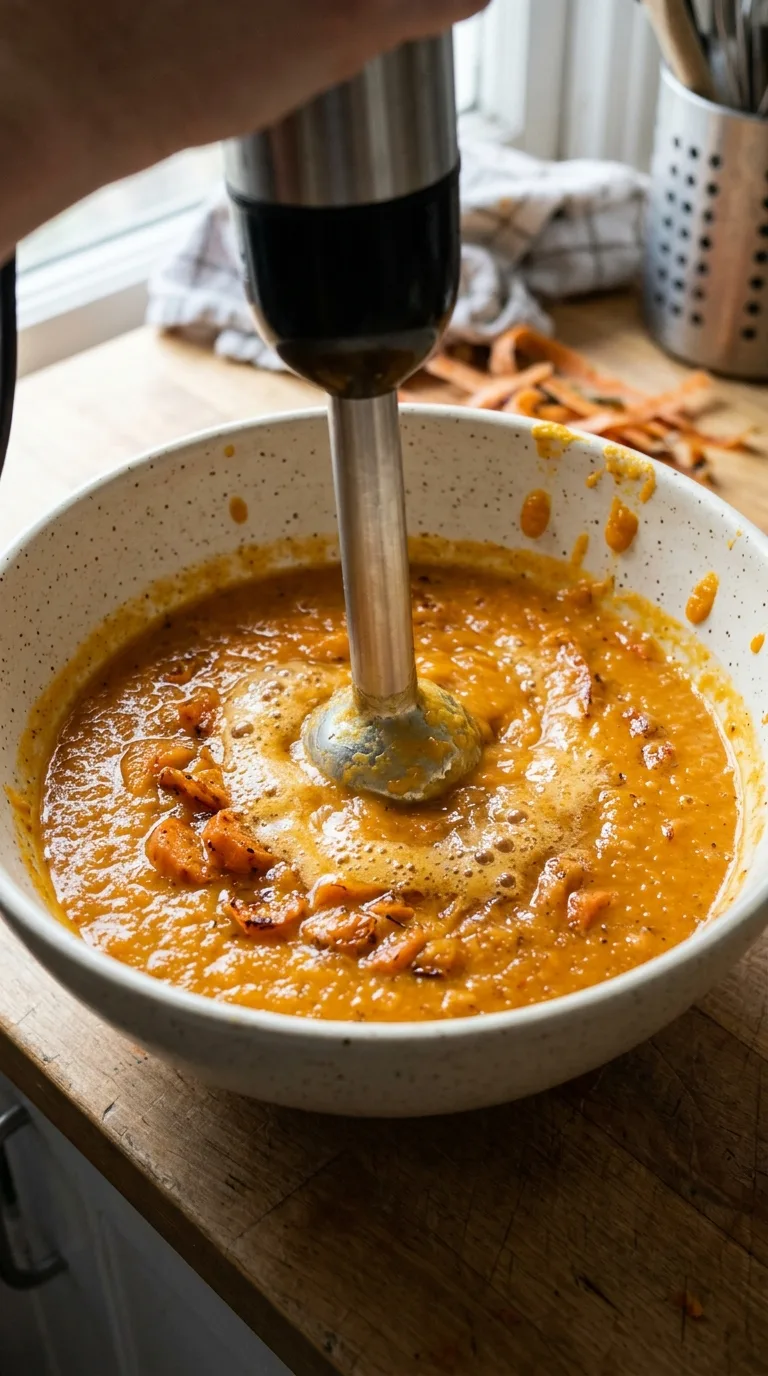
Blend until silky
Transfer the roasted carrots, ginger, and roasting juices to a bowl. Add the vegetable stock. Use an immersion blender to process the mixture until it is silky and smooth.
-
Adjust the consistency
Check the thickness of your puree. Add a splash more stock if it is too thick, as this ensures a smooth pour. Taste and adjust your seasoning now that the flavours have merged.
-
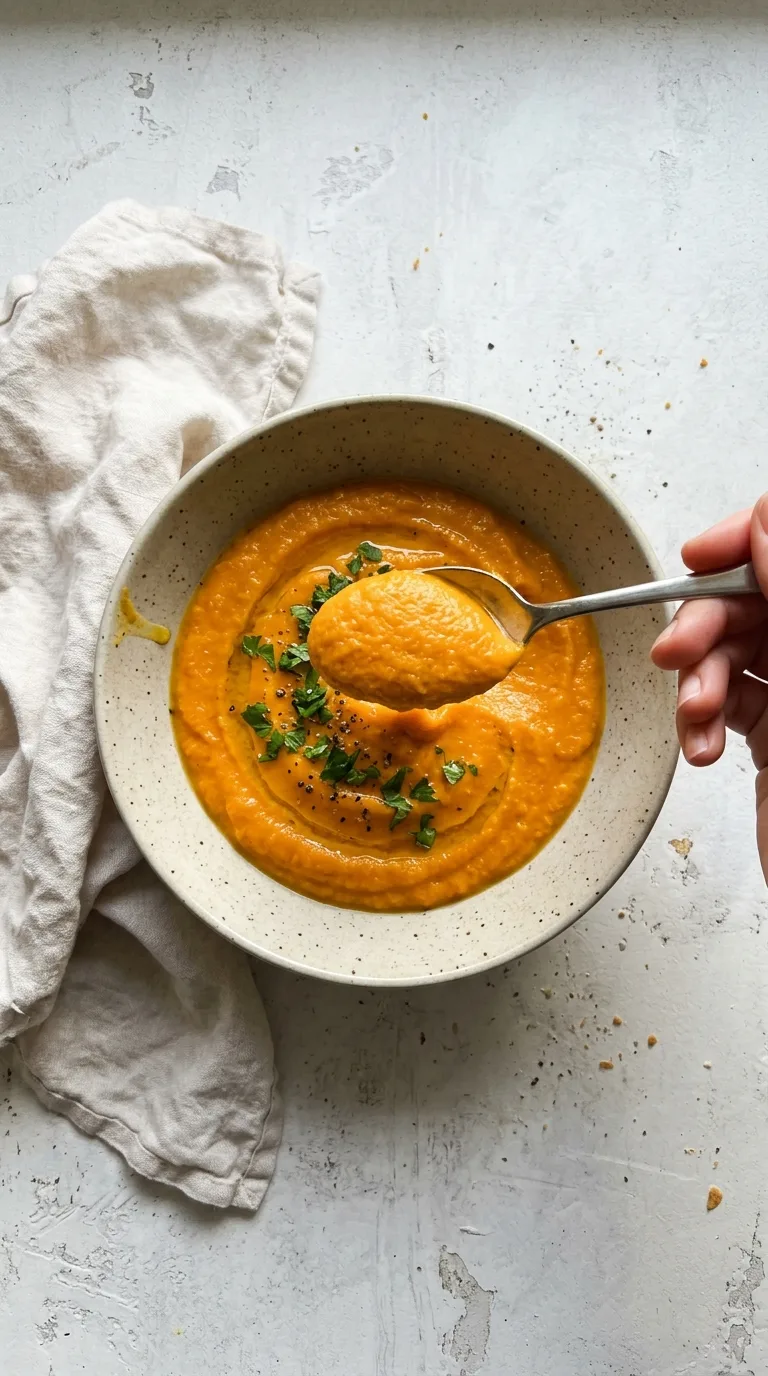
Garnish and serve
Serve the puree while it is hot. Drizzle a whisper of olive oil over the top and sprinkle with chopped parsley for a fresh contrast in colour.
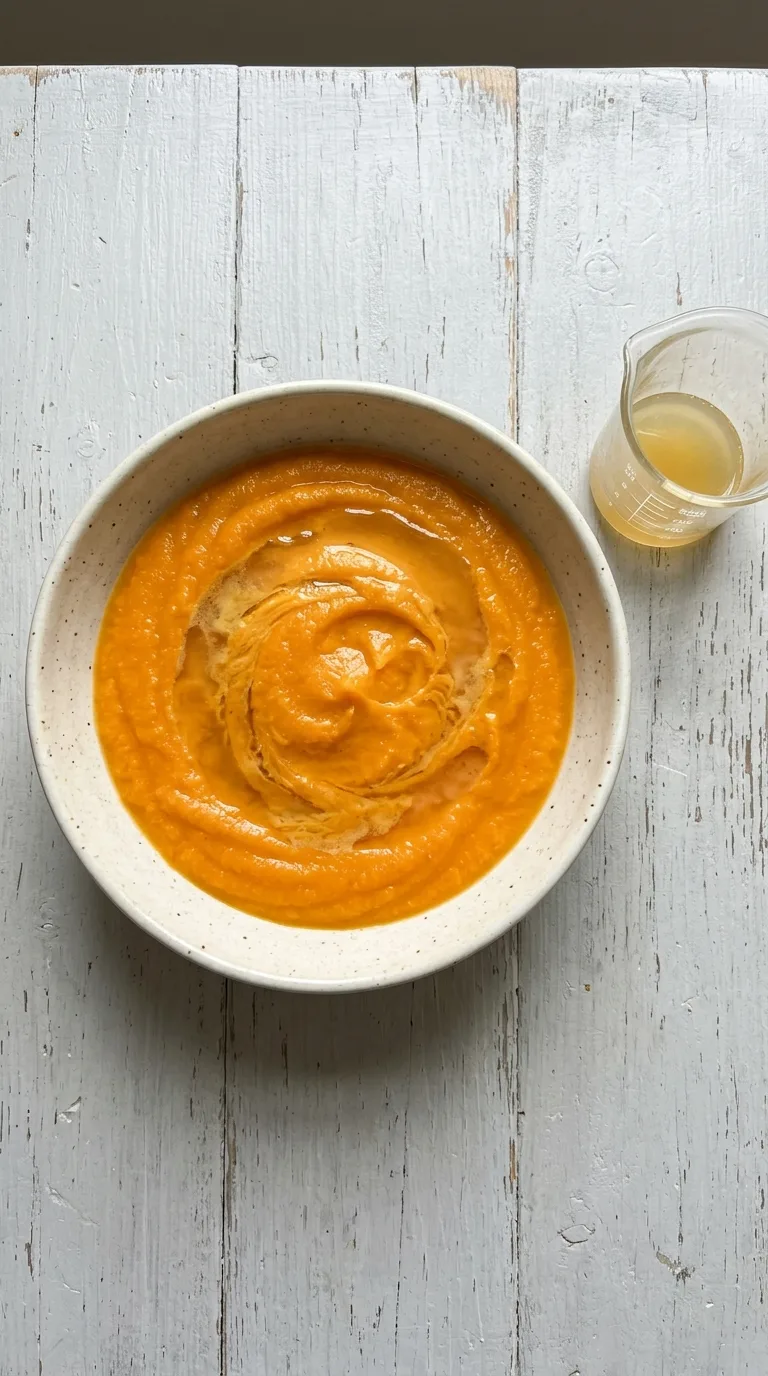
If your puree looks grainy rather than silky, you have likely not blended it long enough or your blender lacks the necessary power. Use a high–speed blender in short bursts to achieve the correct texture without over–heating the appliance motor.
What to serve with it
Pair this puree with roasted lamb or chicken for a fragrant autumn entrée. You can also use it as a base for a light soup by adding a dollop of Greek yoghurt and a pinch of paprika, or spread it on toasted baguette slices with fresh arugula for a savoury snack.
Storing and reheating
Store the puree in a sealed container in the refrigerator at 4°C (39°F) for up to 2 days. For longer storage, freeze in airtight containers or freezer bags for up to 3 months. Thaw the puree overnight in the refrigerator and reheat it gently before serving.
Nutrition per serving
- Calories
- 148
- Protein
- 3.2 g
- Carbs
- 16.8 g
- Fat
- 7.1 g
- Fiber
- 4.5 g
- Sugar
- 7.2 g
Estimated, and offered as a guide rather than a medical figure.
Made it? Rate it.
Questions people ask
Can I use a different milk for the coconut variation?
Yes. You can substitute 60 mL of coconut milk with heavy cream or cashew cream. These alternatives provide the same rich, creamy texture while maintaining the savoury profile of the roasted carrots and ginger.
Why do I need to let the carrots rest after roasting?
Let the carrots rest for 5 minutes to allow the internal heat to stabilise. This prevents the puree from splitting and ensures a more uniform temperature before you blend in the cold vegetable stock.
Can I use ground ginger instead of fresh?
No. Use fresh ginger to maintain the bright, sharp flavour. Ground ginger is too concentrated and lacks the aromatic quality needed to balance the natural sweetness of the caramelised carrots during the roasting process.

About the author
Mary C. Rivero
Mary C. Rivero specializes in comforting home‑cooked meals, from hearty pastas and sheet‑pan dinners to quick weeknight snacks. Her recipes feature clear, step‑by‑step directions and practical tips, helping readers create flavorful dishes with confidence and ease.