Broiled King Salmon: Honey-Apple Glazed Fillets
Choose a ceramic or aluminium pan to ensure the glaze does not scorch under high heat. You must use a broiler-compatible sheet pan to achieve the correct sear for broiled king salmon. Pat the fillets dry with a paper towel before adding oil to ensure the seasonings adhere and the skin crisps. Leave the salmon at room temperature for 10 minutes before cooking to promote even heat distribution and minimise the time spent in the oven.
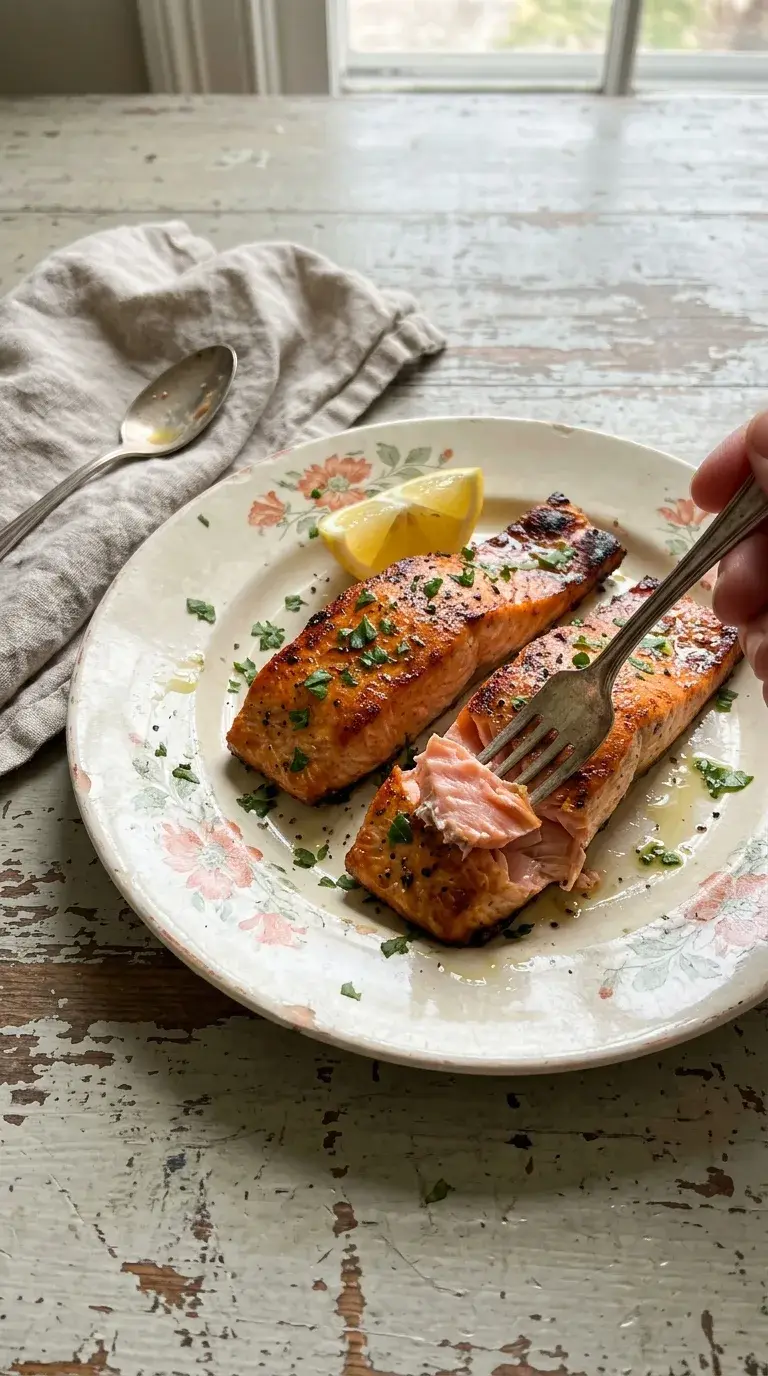
This Mediterranean dish combines a savoury rub of cumin, thyme, and lemon zest with a sweet glaze of honey, apple juice, and soy sauce. You will produce fillets that are crisp on the outside and tender inside. The final step requires you to let the fish rest for 3 minutes. This allows the juices to redistribute so the centre reaches an internal temperature of 53°C (125-130°F) without overcooking the edges.
Broiled King Salmon: Honey-Apple Glazed Fillets
Recipe cardIngredients
Instructions
-
Prepare the oven
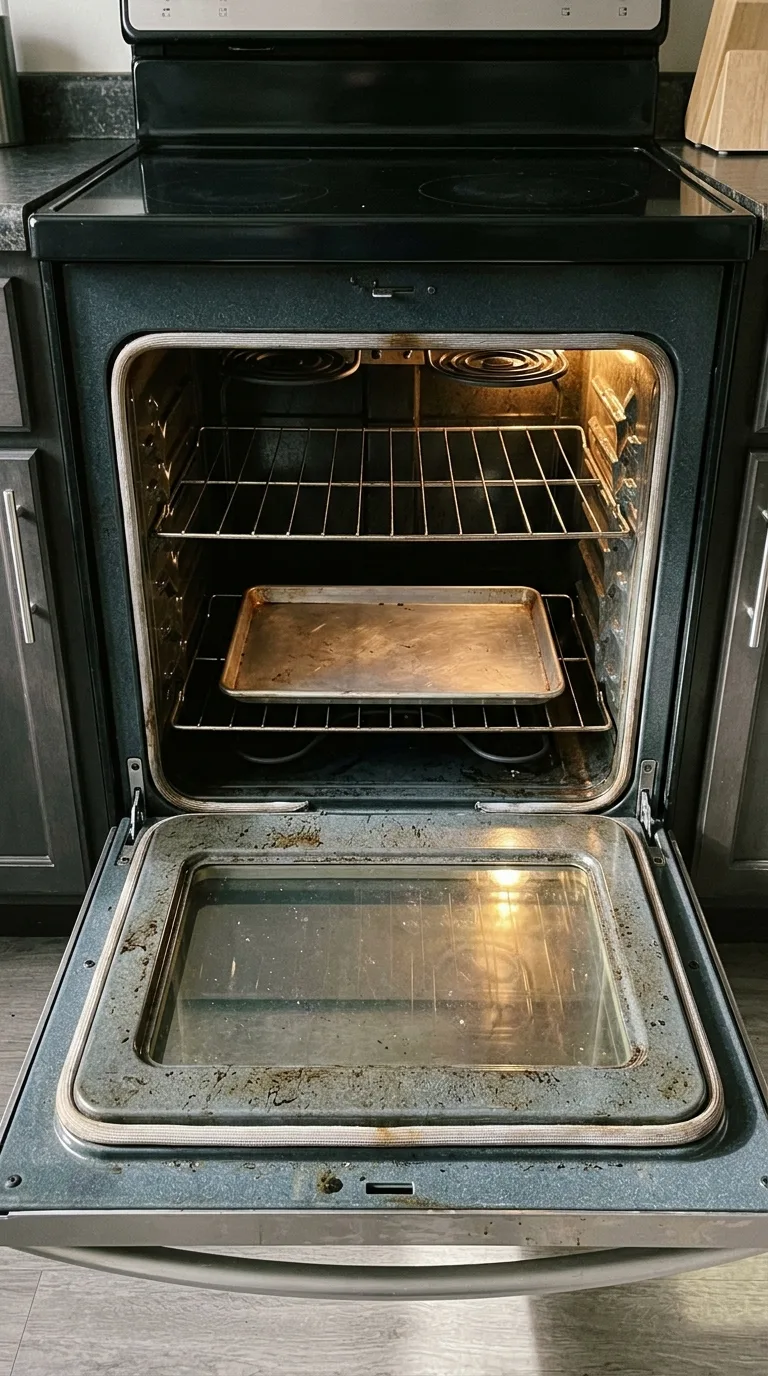
Preheat the oven broiler to 260°C (500°F). Position the rack 5cm above the heating element to ensure the heat hits the fish quickly. Place a sheet pan on the lower rack.
-
Season the salmon
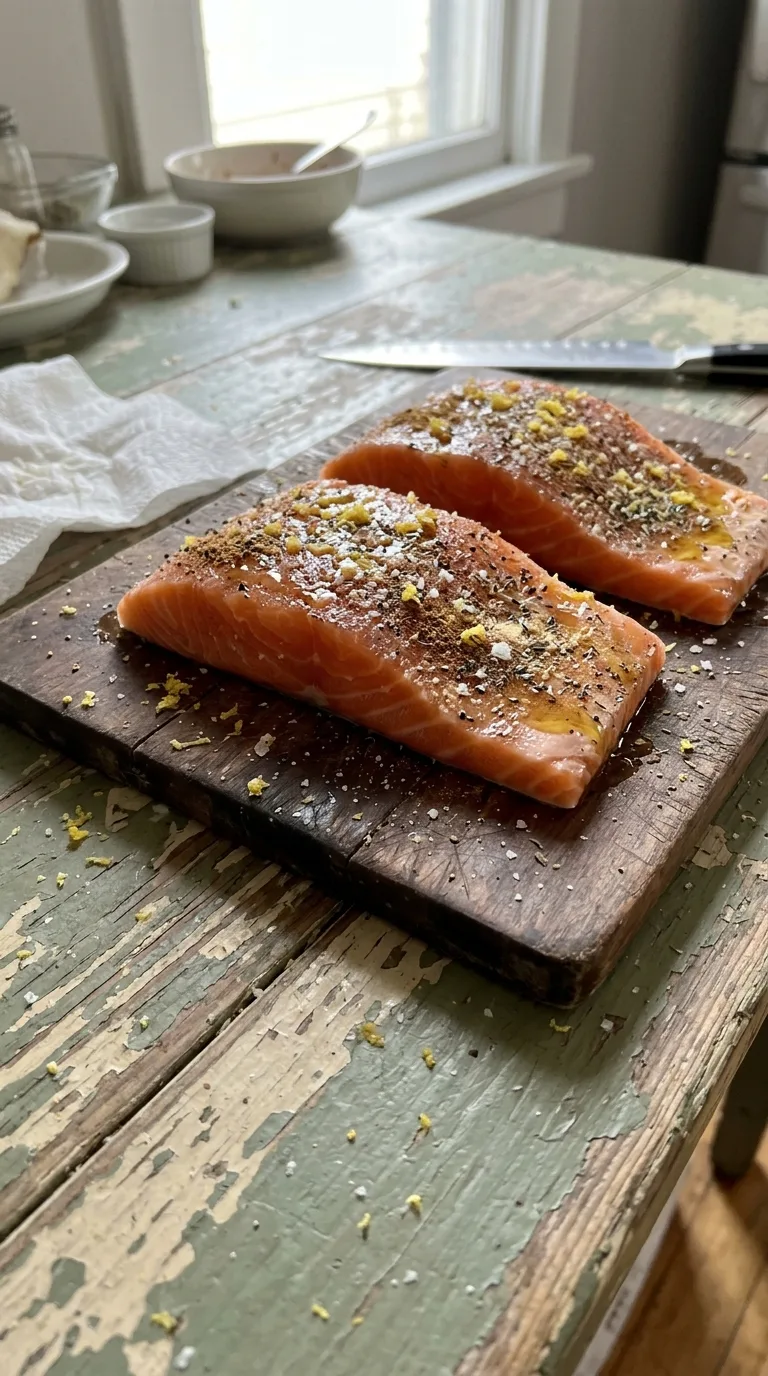
Pat the salmon fillets dry with a paper towel to remove excess moisture. Brush both sides with olive oil. Season evenly with salt, pepper, cumin, onion powder, thyme, and lemon zest.
-
Apply initial flavours
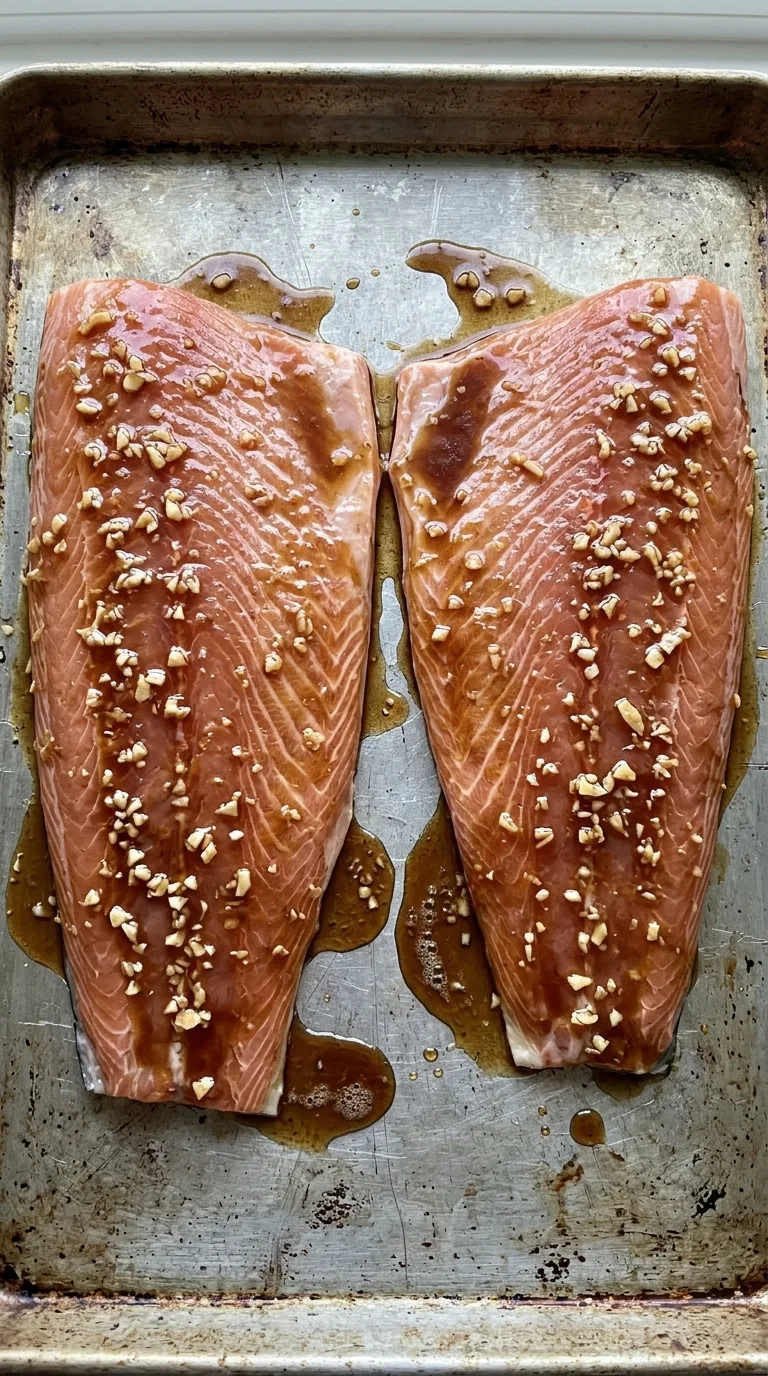
Drizzle honey, apple juice, and soy sauce over each fillet. Spread the minced garlic across the surface. Arrange fillets skin side down on the pan with a 2cm gap to allow heat to circulate.
-
Whisk the glaze
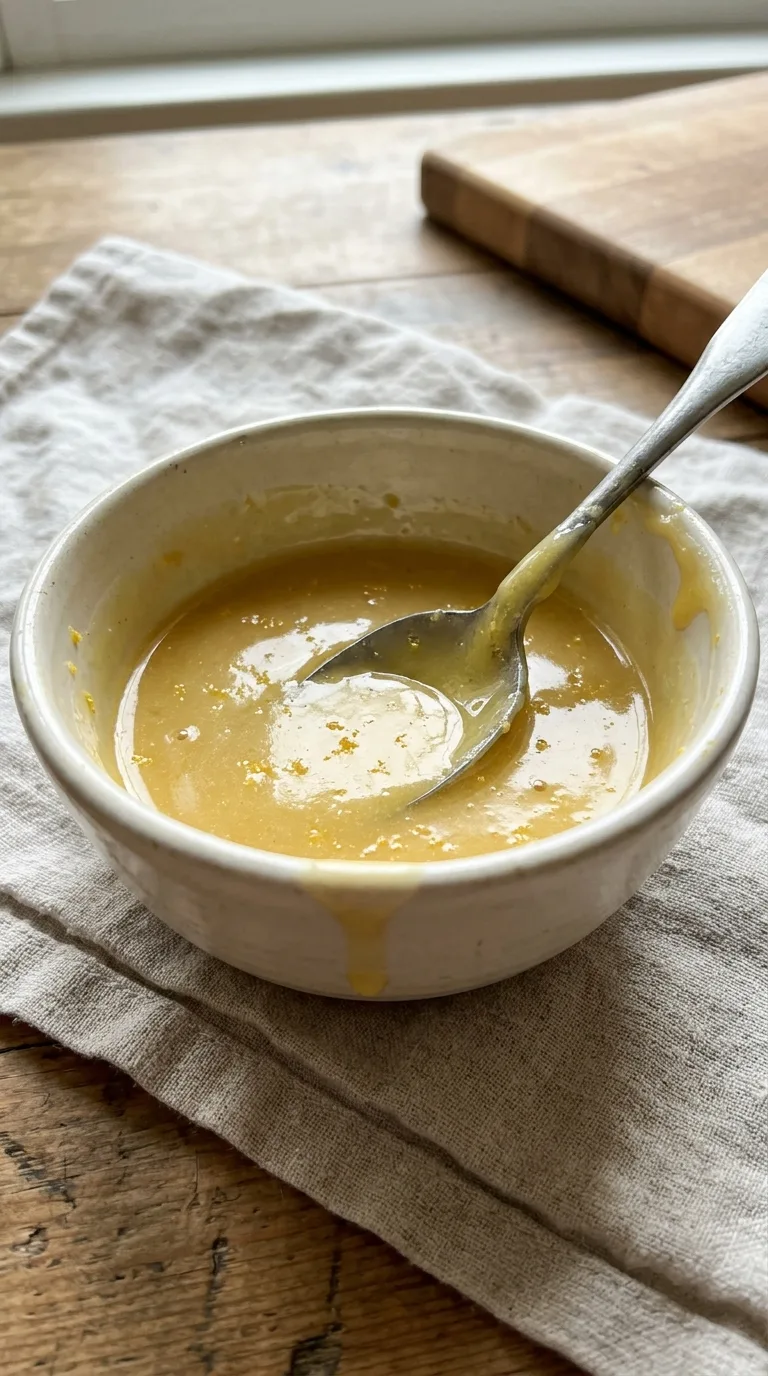
In a small bowl, whisk together the butter, honey, apple juice, and lemon zest. Mix until the texture is smooth. This creates a thick coating that will caramelise under the heat.
-
Broil the fillets
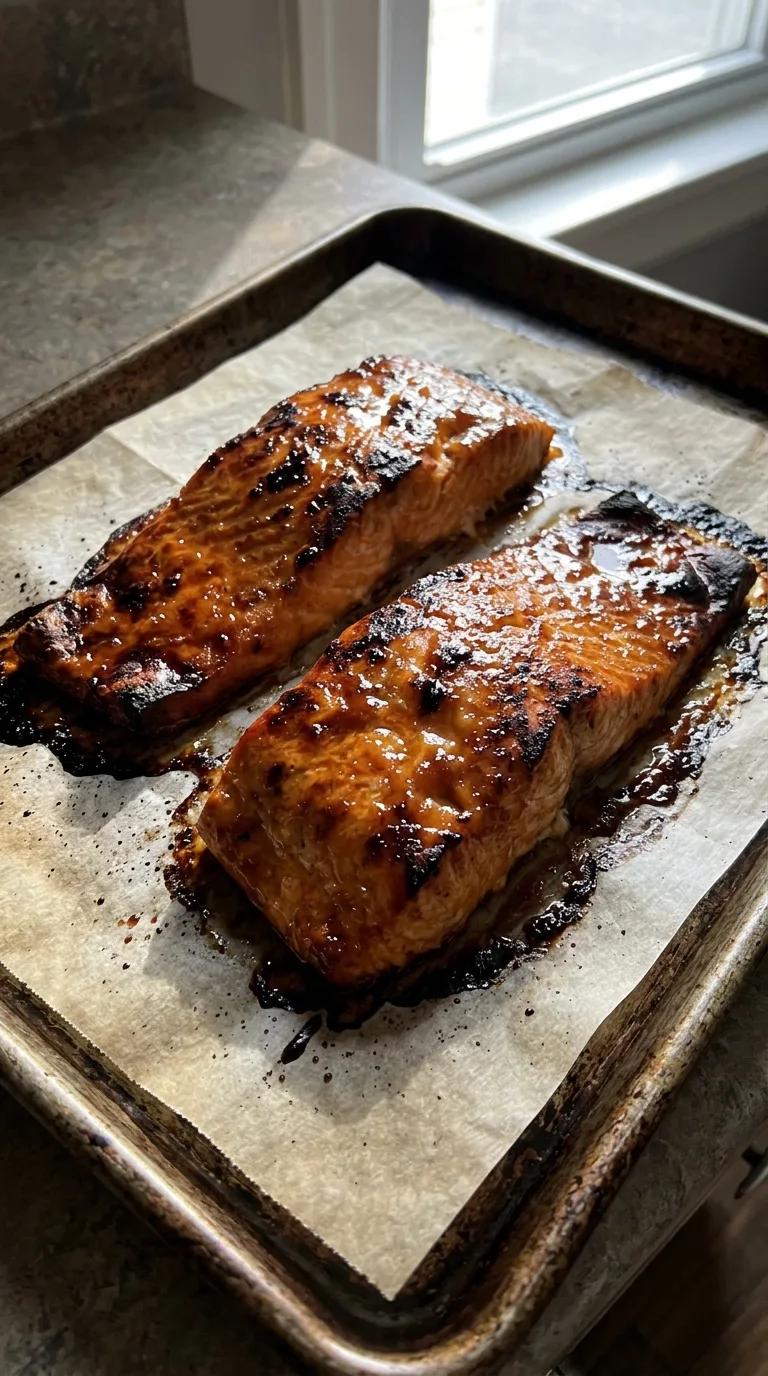
Broil the salmon skin side up for 8–10 minutes until the flesh flakes easily and the skin is crisp. Brush each fillet with the glaze. Slide the pan to the lower rack and broil for another 2–4 minutes.
-
Rest and check
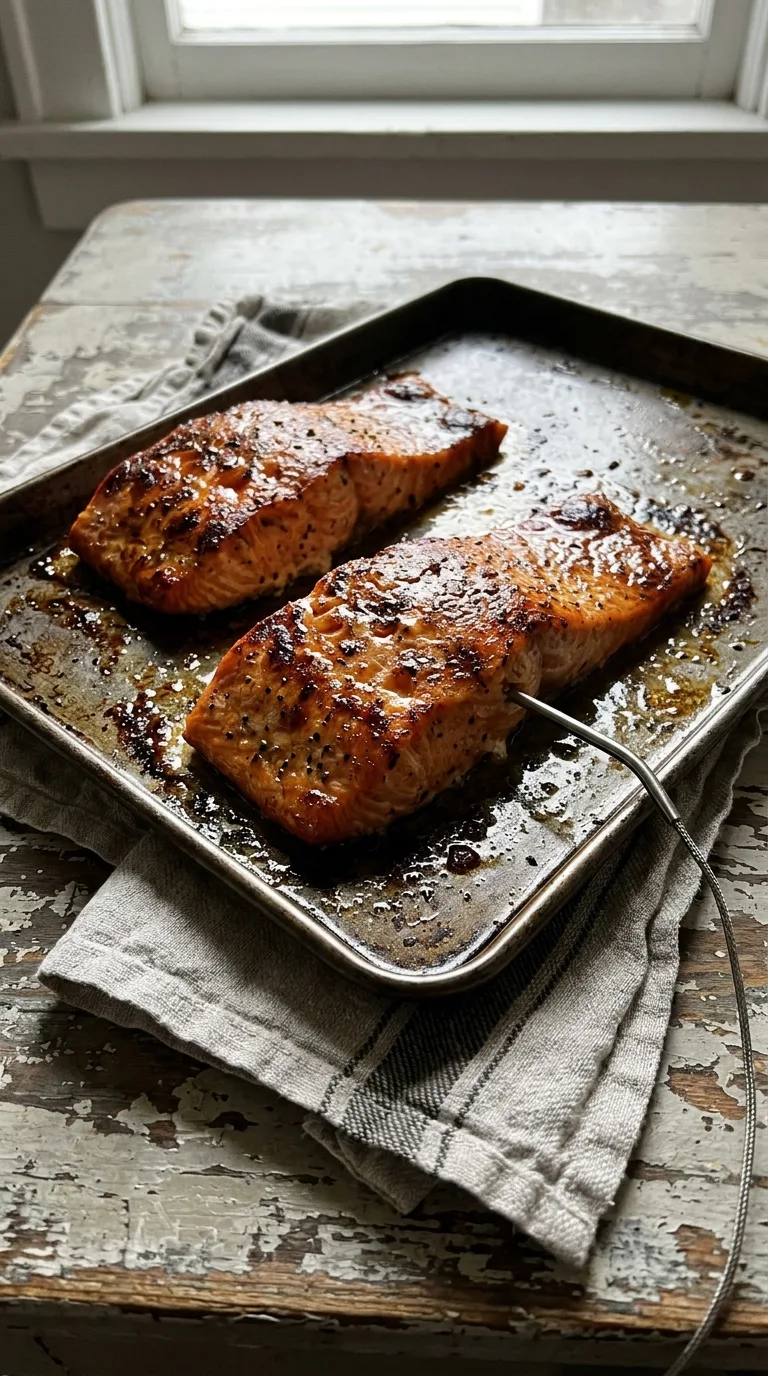
Remove the pan from the oven. Let the salmon rest for 3 minutes so the juices redistribute. Use a digital thermometer to ensure the centre reads 53°C (125–130°F).
-
Garnish and serve
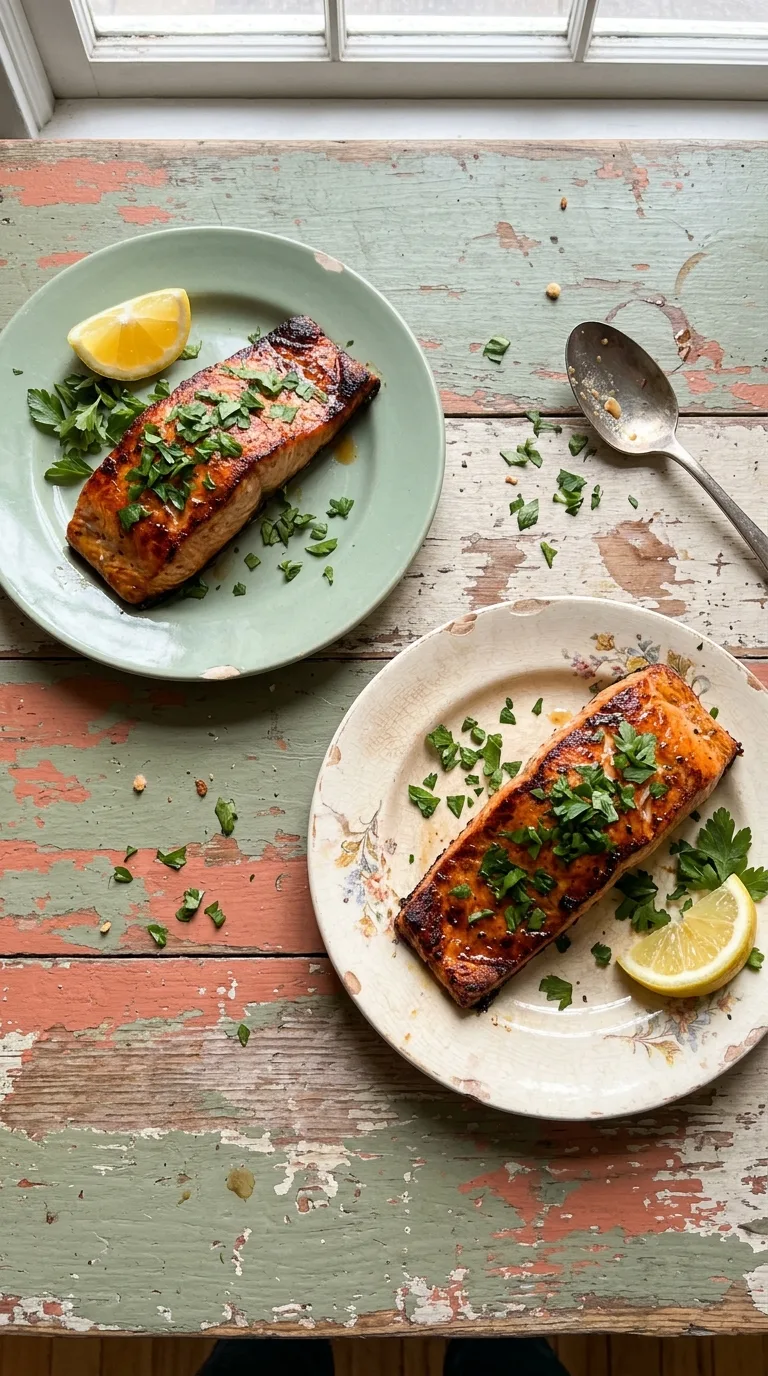
Transfer the fillets to plates. Garnish with chopped parsley and serve immediately with lemon wedges. The acidity of the lemon cuts through the richness of the king salmon.
If the fillets brown too quickly, the sugars in the glaze may burn. Slide the pan to a lower rack or tent the top half with aluminium foil to protect the surface while the centre continues to cook.
What to serve with it
Pair the salmon with a cucumber-rosemary salad dressed in olive oil and lemon for a light contrast. You can also serve the fillets over steamed jasmine rice with a side of sautéed spinach. A splash of fresh lemon juice over the fish adds a bright citrus flavour to the meal.
Storing and reheating
Place leftover salmon in an airtight container and keep it in the refrigerator for up to 2 days. For longer storage, seal the cooked fish in an airtight bag and freeze for up to 3 months. Thaw the fillets overnight in the refrigerator before you reheat them to maintain quality.
Nutrition per serving
- Calories
- 480
- Protein
- 38.5 g
- Carbs
- 12.2 g
- Fat
- 31.0 g
- Fiber
- 1.5 g
- Sugar
- 8.4 g
Estimated, and offered as a guide rather than a medical figure.
Made it? Rate it.
Questions people ask
Is it better to broil or bake your salmon?
Broiling is better for this recipe. The intense top-down heat caramelises the honey-apple glaze and crisps the skin quickly, which prevents the fish from drying out during the cooking process.
How many minutes should you broil salmon?
Broil for 8–10 minutes skin side up, then apply the glaze and broil for another 2–4 minutes. Total time varies by thickness, so use a thermometer to reach 53°C (125–130°F).
How should King salmon be cooked?
Cook King salmon to a medium internal temperature of 53°C (125–130°F). Because this variety has a high fat content, it remains tender and buttery even when exposed to high heat.
How do I broil salmon to make it crispy?
Pat the fillets completely dry with paper towels before adding oil and seasoning. This removes surface moisture, allowing the skin to sear and crisp rather than steam against the pan.

About the author
Mary C. Rivero
Mary C. Rivero specializes in comforting home‑cooked meals, from hearty pastas and sheet‑pan dinners to quick weeknight snacks. Her recipes feature clear, step‑by‑step directions and practical tips, helping readers create flavorful dishes with confidence and ease.