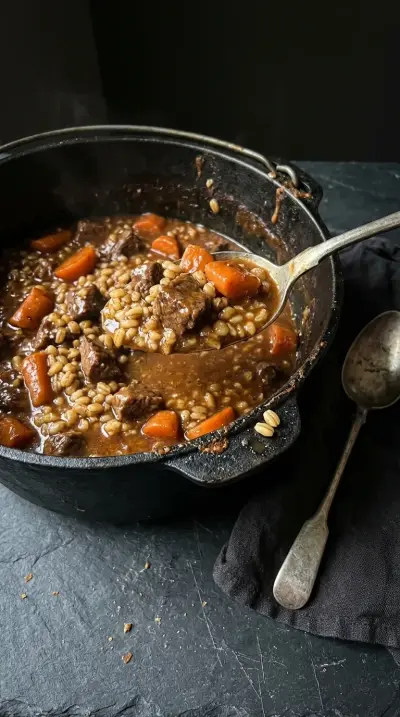
Roasted Carrot Ginger Soup: Mediterranean Vegetable Puree
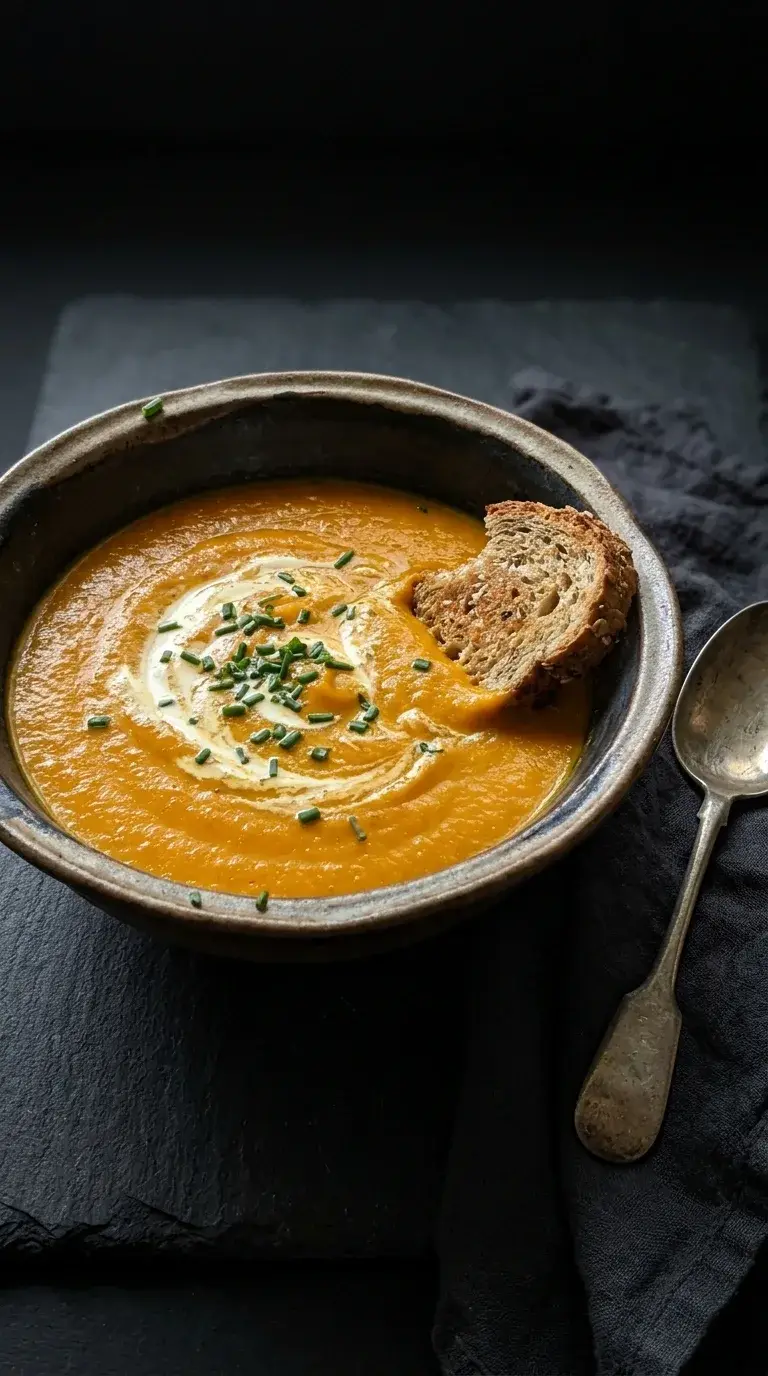
Select carrots that are firm and bright in colour to ensure the base of your roasted carrot ginger soup has a natural sweetness. Avoid any with soft spots or a rubbery texture. Choose a piece of fresh ginger that feels hard to the touch, as shrivelled roots lack the pungent oil needed to balance the sugars of the roasted vegetables.
You roast the carrots at 200°C (400°F) for 40 minutes to caramelise the exterior and deepen the flavour before blending them with minced ginger and vegetable broth. Stir in 250 ml heavy cream and heat to 70°C (160°F) to achieve a velvety consistency. The result is a savoury, warming soup with a smooth finish and a subtle heat from the ginger.
Roasted Carrot Ginger Soup: Mediterranean Vegetable Puree
Recipe cardIngredients
Watch how it's made
Instructions
-
Roast the carrots
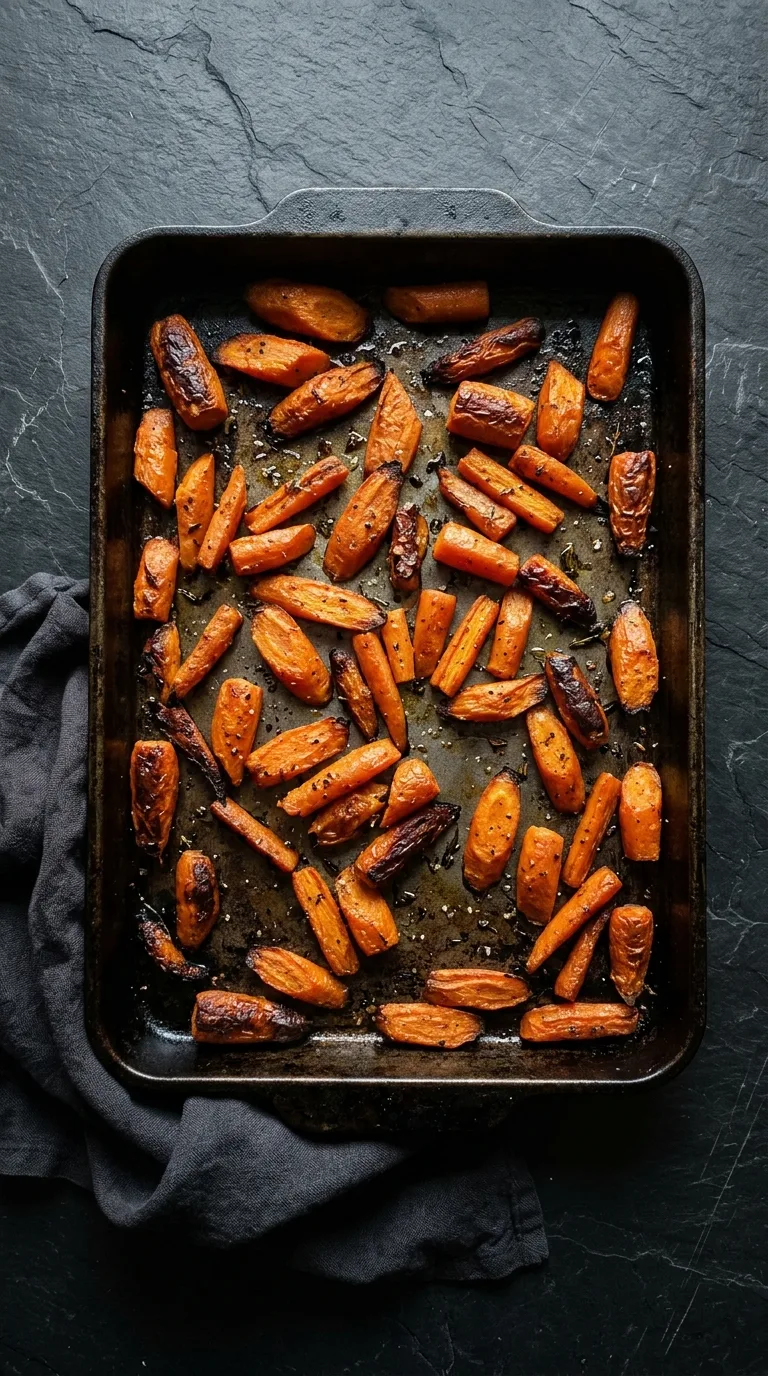
Preheat your oven to 200°C (400°F). Toss the carrots with olive oil, salt and pepper in a bowl to ensure even seasoning. Spread them in a single layer on a tray and roast for 40 minutes, turning once, until they caramelise to deepen the sweetness.
-
Soften the onion
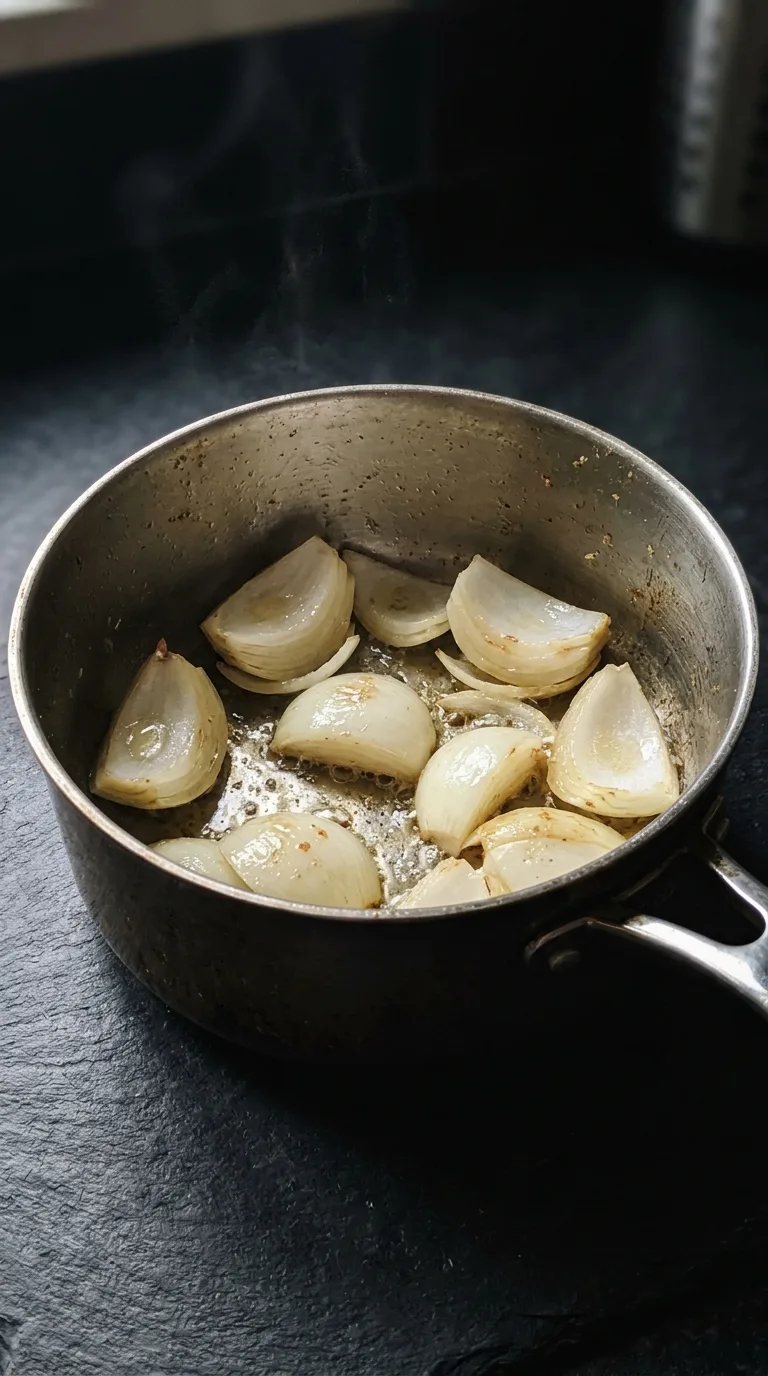
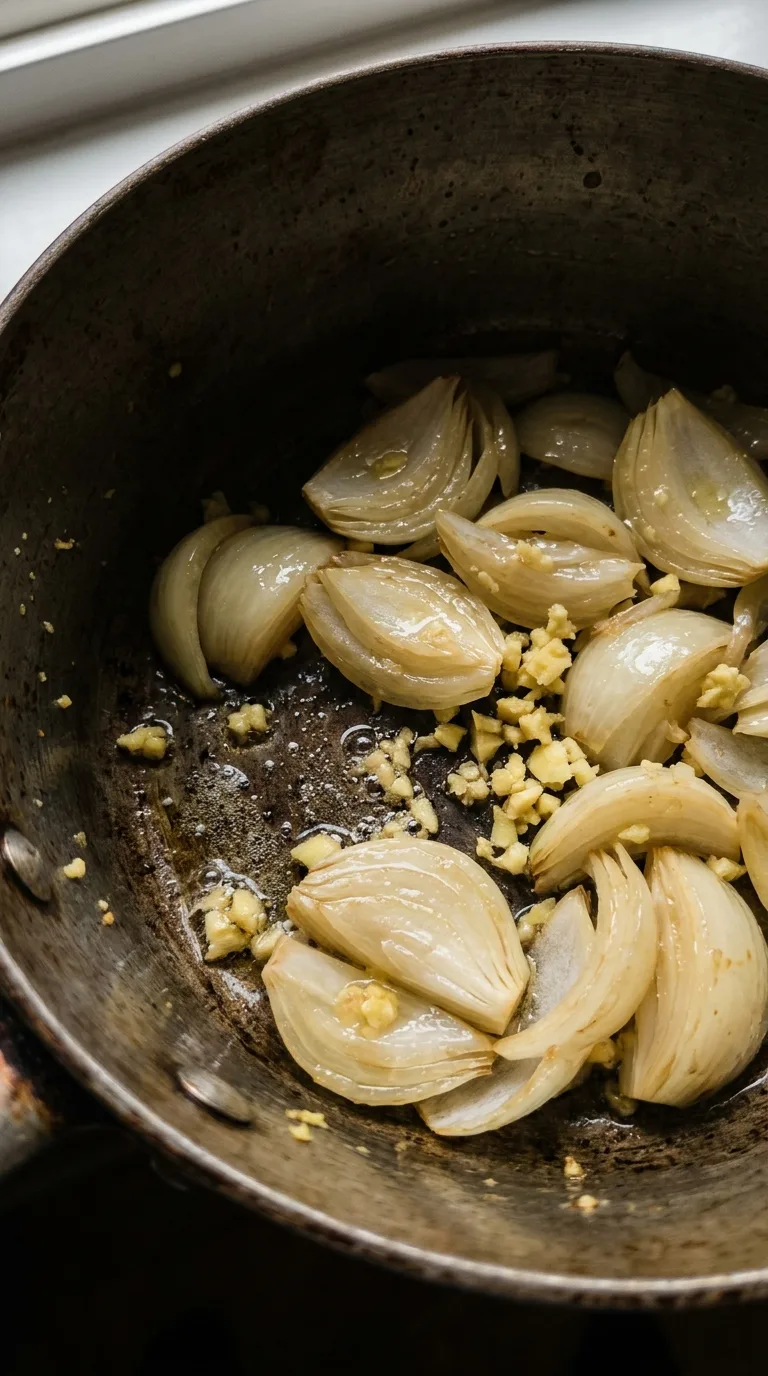
Heat a small amount of oil in a saucepan over medium heat. Cook the quartered onion for 5 minutes until translucent. This creates a mellow flavour base for the soup.
-
Fry the ginger
Stir the minced ginger into the onions. Cook for one minute to release the pungent oils and aromatic flavour before adding other liquids.
-
Simmer the base
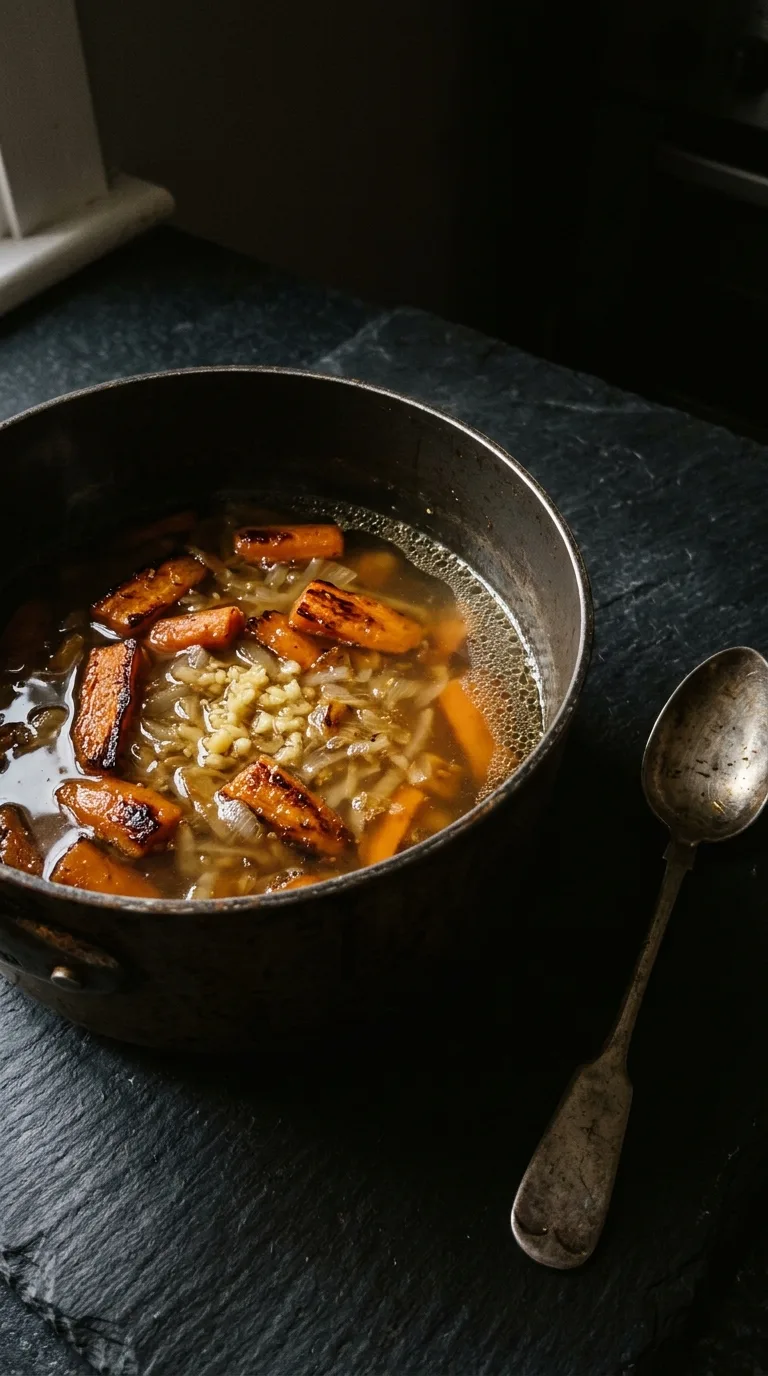
Add the roasted carrots and vegetable broth to the saucepan. Bring the mixture to a gentle boil, then reduce heat and simmer for 5 minutes. This allows the roasted flavours to meld with the broth.
-
Blend until smooth
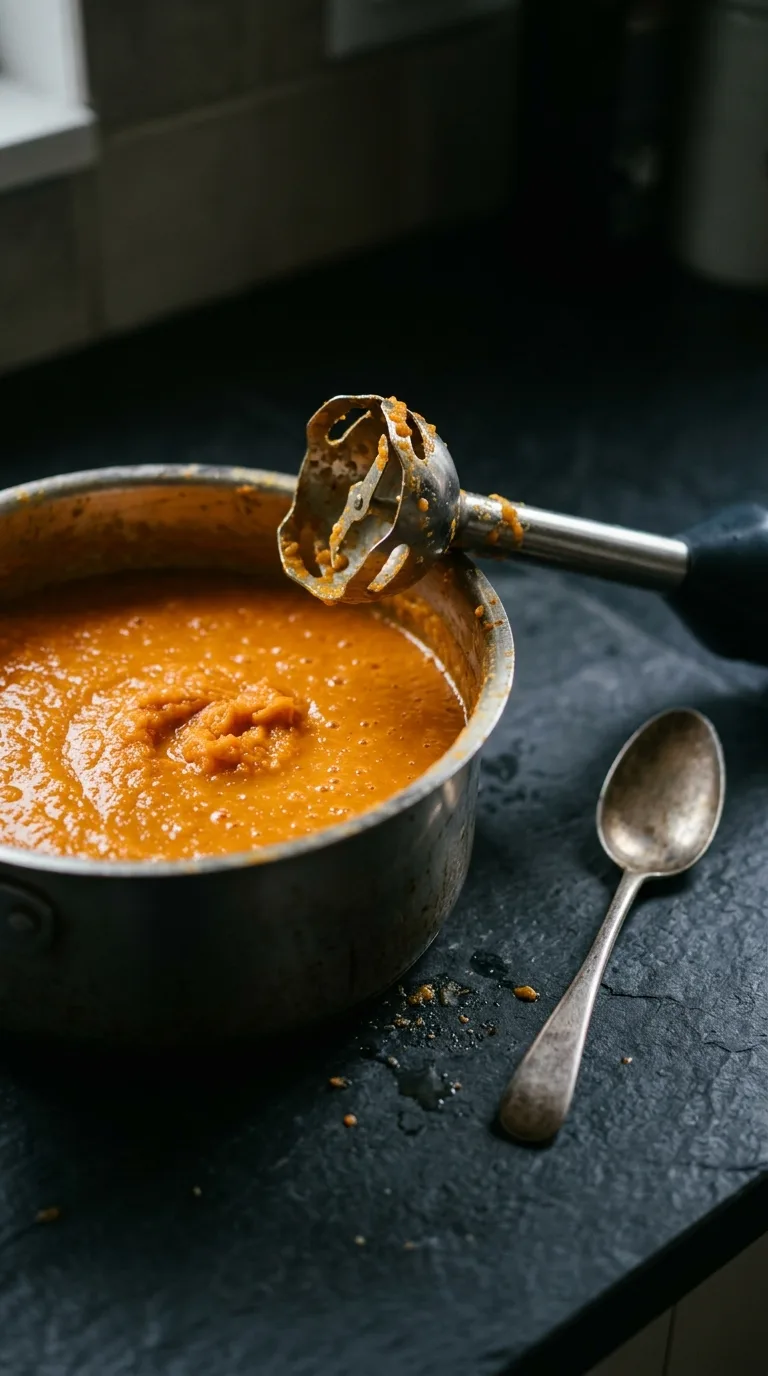
Use an immersion blender to process the soup until it is completely smooth. Ensure no lumps of onion remain to maintain a silky texture.
-
Finish with cream
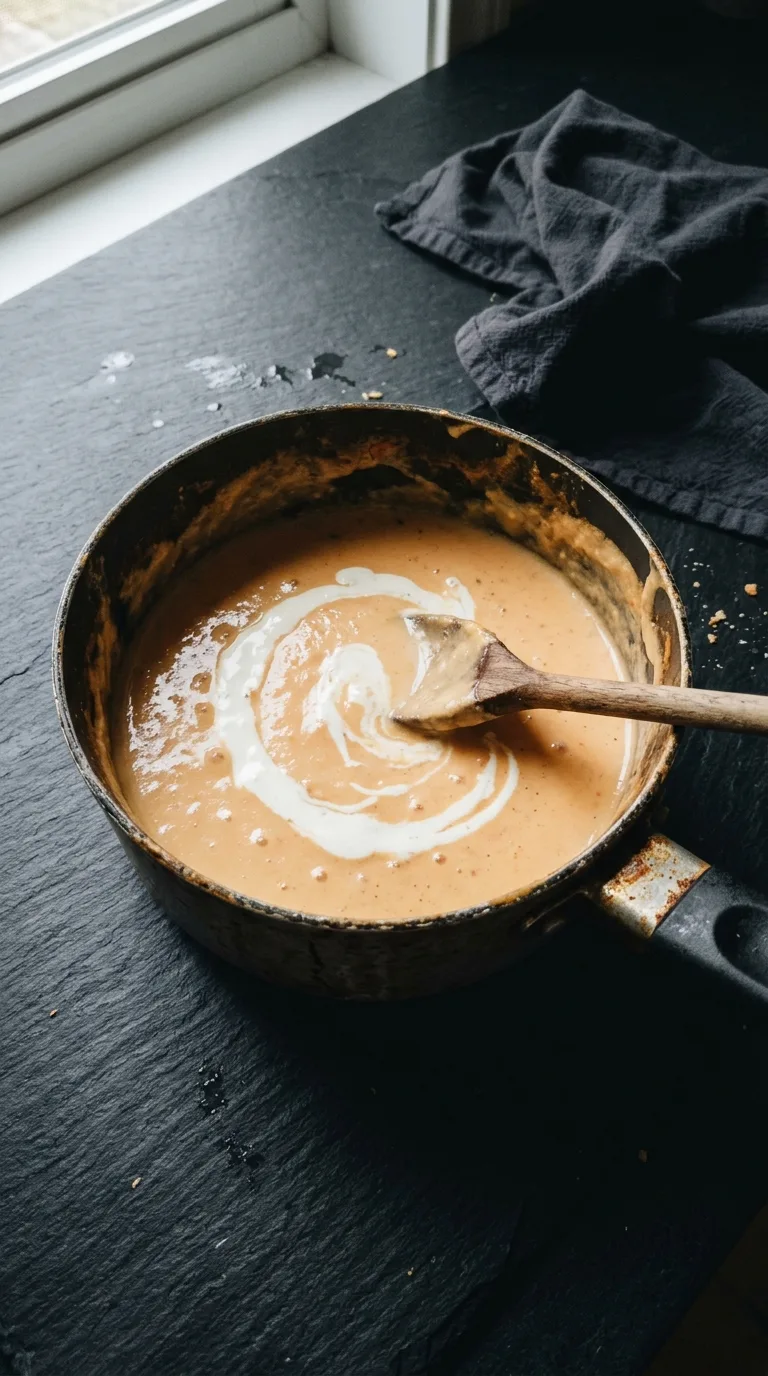
Stir in the cream and heat the soup to 70°C (160°F) for 2 minutes. Do not let it boil, as this can cause the cream to split. Adjust salt and pepper to taste.
-
Garnish and serve
Ladle the soup into bowls. Add a drizzle of cream and a sprinkle of chopped chives for colour and a fresh contrast to the earthy carrots.
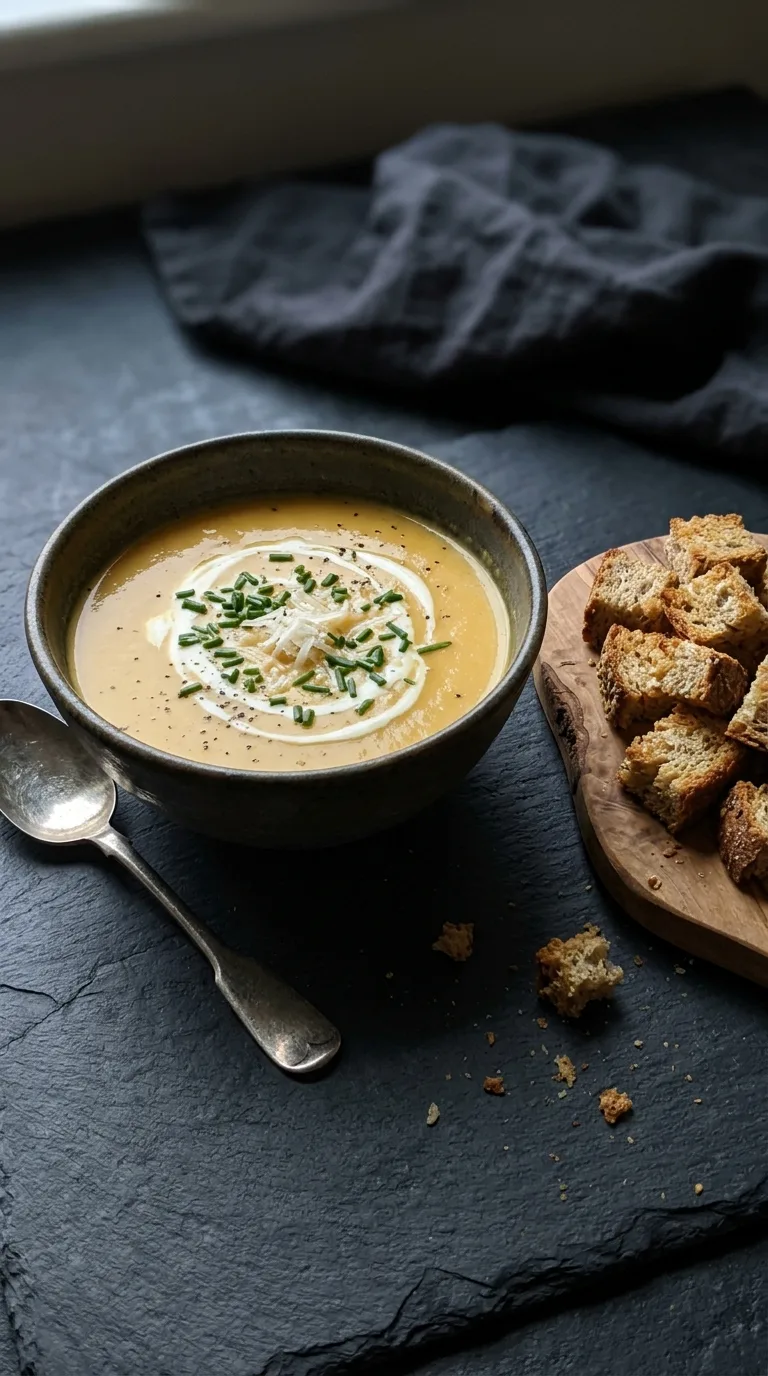
Avoid boiling the soup after you add the cream. If the liquid bubbles too vigorously, the dairy may separate, leaving the texture grainy rather than silky. Keep the heat low and monitor the temperature to ensure the emulsion stays stable.
Heavy cream substitutes
Use 250 ml coconut milk to replace the cream. This change makes the soup vegan and adds a subtle coconut flavour to the base. Do not omit the creamy element entirely, as it provides the silky texture needed to balance the sharp heat of the fresh ginger.
Storing and reheating
Keep the soup in the fridge for 2 to 4 days. Store it in an airtight container in the freezer for up to 3 months. Reheat gently on the stove or in the microwave. Add a splash of broth or milk if the texture has thickened during storage.
What to serve with it
Serve this soup with slices of toasted whole-grain bread or warm flatbread drizzled with herb oil. For a heartier finish, add a dollop of goat cheese or grated cheddar. To add crunch and colour, finish the bowls with toasted pumpkin seeds and chopped fresh chives.
Nutrition per serving
- Calories
- 245
- Protein
- 5.2 g
- Carbs
- 21.5 g
- Fat
- 16.8 g
- Fiber
- 4.1 g
- Sugar
- 12.4 g
Estimated, and offered as a guide rather than a medical figure.
Made it? Rate it.
Questions people ask
How to make carrot ginger soup taste better?
Add a splash of orange juice with the broth or a squeeze of fresh lemon juice at the end. The acidity cuts through the sweetness of the roasted carrots and brightens the overall flavour profile of the dish.
What are some common mistakes when making carrot soup?
Avoid boiling the soup after adding the cream. High heat can cause the dairy to split. Keep the temperature at 70°C (160°F) to ensure the texture remains smooth and the cream integrates perfectly.
What is Jamie Oliver's best carrot soup recipe?
This roasted carrot ginger soup is a favourite because roasting the vegetables first caramelises the natural sugars. This technique creates a deeper, more complex flavour than simmering raw carrots in broth alone.

About the author
Mary C. Rivero
Mary C. Rivero specializes in comforting home‑cooked meals, from hearty pastas and sheet‑pan dinners to quick weeknight snacks. Her recipes feature clear, step‑by‑step directions and practical tips, helping readers create flavorful dishes with confidence and ease.