Slow Cooker Oatmeal: Hearty Steel-Cut Porridge
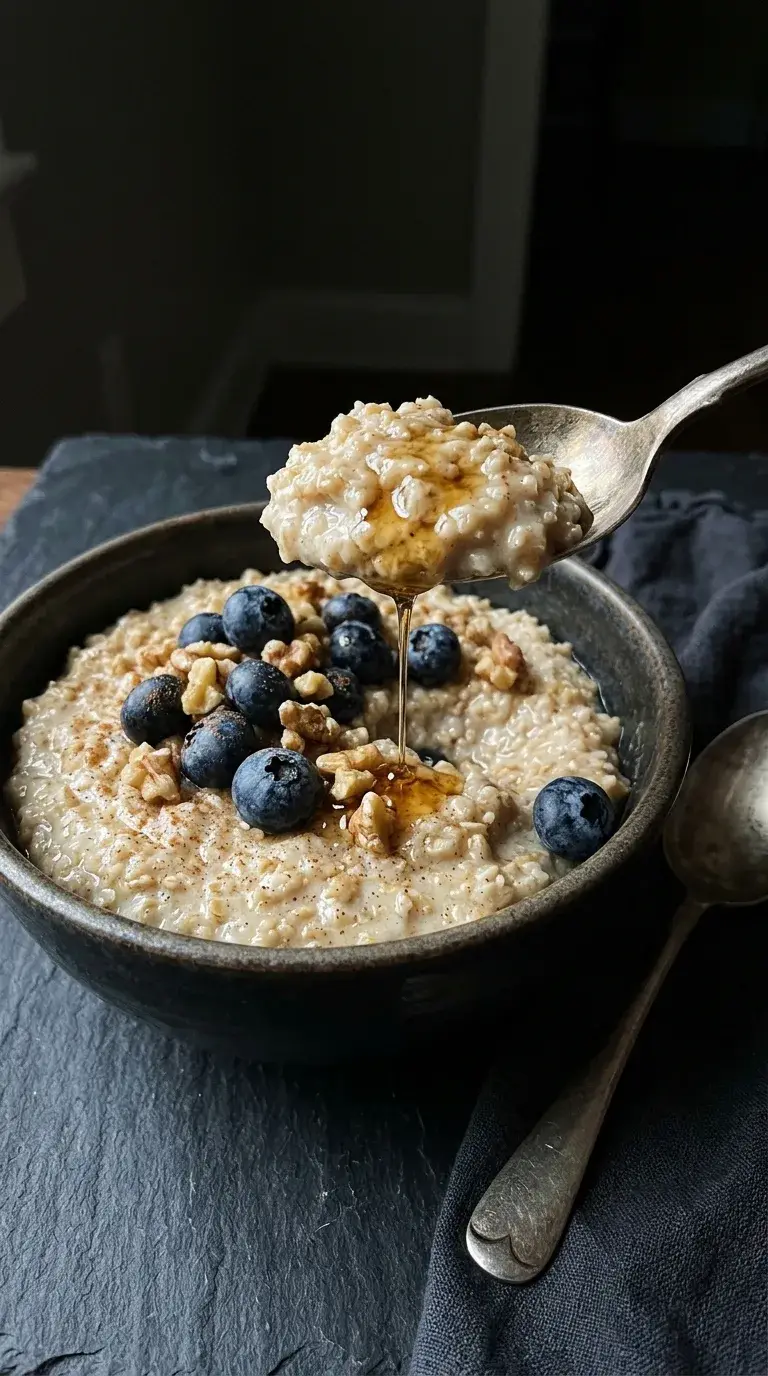
Steel-cut oats are the essential base for this slow cooker oatmeal. Buy oats that are minimally processed to ensure they hold their shape during the long simmer. Avoid instant or quick oats, as these break down too quickly and result in a mushy consistency rather than a hearty grain.
You combine these oats with water, milk, and cinnamon to create a warm, savoury-sweet porridge. You must stir the mixture once halfway through the 150 minutes (2 hours 30 minutes) of cooking to prevent the grains from settling at the bottom. Let the pot rest for 10 minutes after cooking so the starches can set. The result is a thick, creamy breakfast that you can finish with fresh fruit, nuts or granola for added texture and flavour.
Slow Cooker Oatmeal: Hearty Steel-Cut Porridge
Recipe cardIngredients
Instructions
-
Prepare the slow cooker
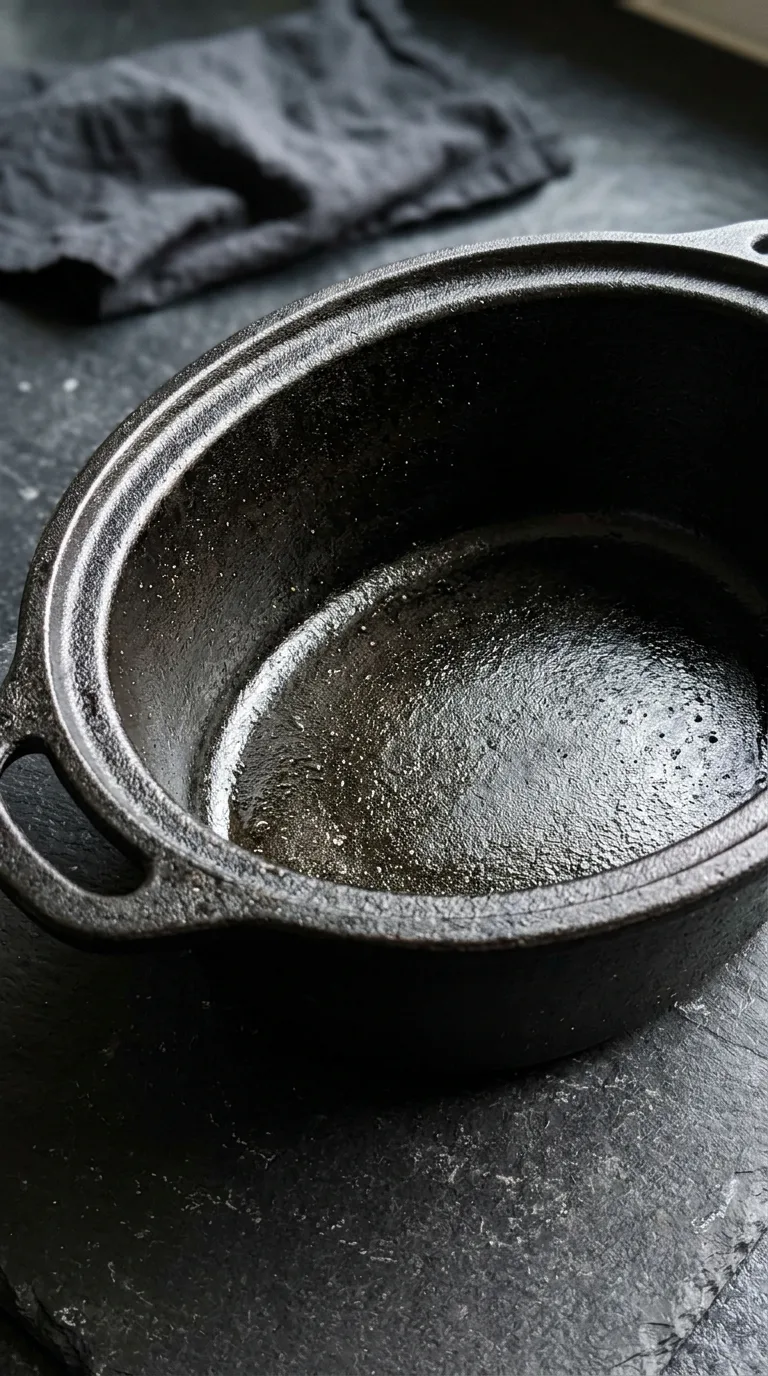
Spray the inside of the slow cooker with cooking spray. You must grease the surface to prevent the oats from sticking to the sides during the long cook.
-
Mix the dry ingredients
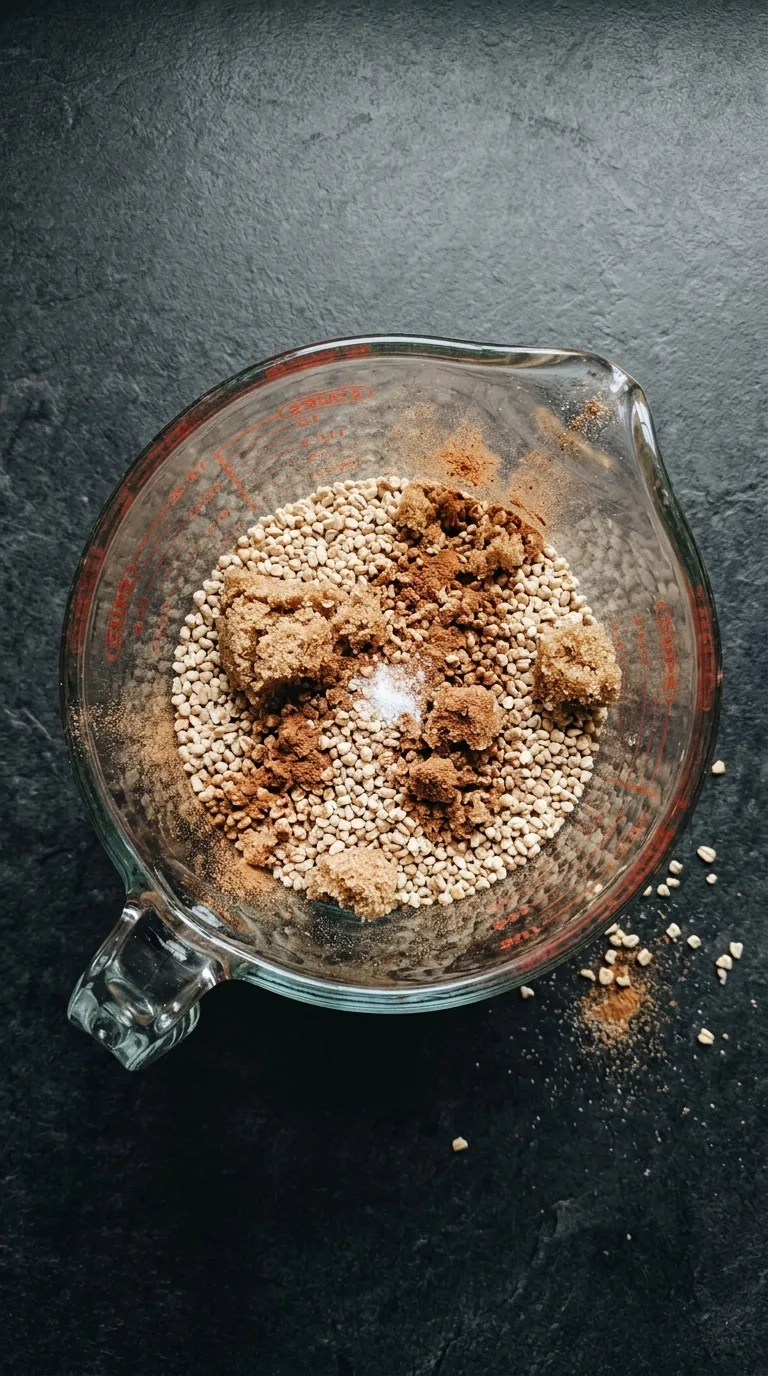
Place the steel-cut oats, brown sugar, ground cinnamon and a pinch of salt in a measuring jug or bowl. Combine these first so the spices and sugar distribute evenly through the grains.
-
Combine with liquids
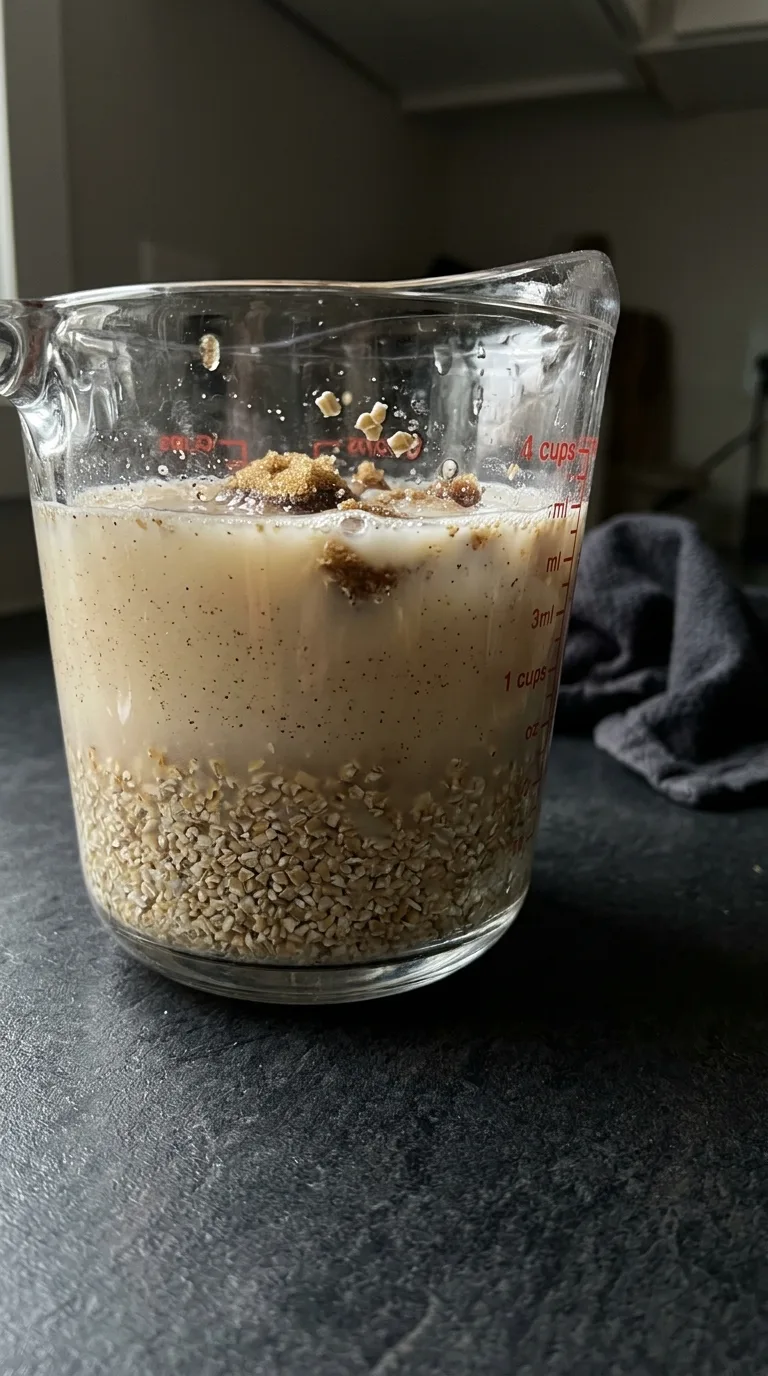
Add the 960 ml water and 720 ml milk to the oats mixture. Stir until the ingredients are well combined and no clumps of sugar remain.
-
Start the cooking
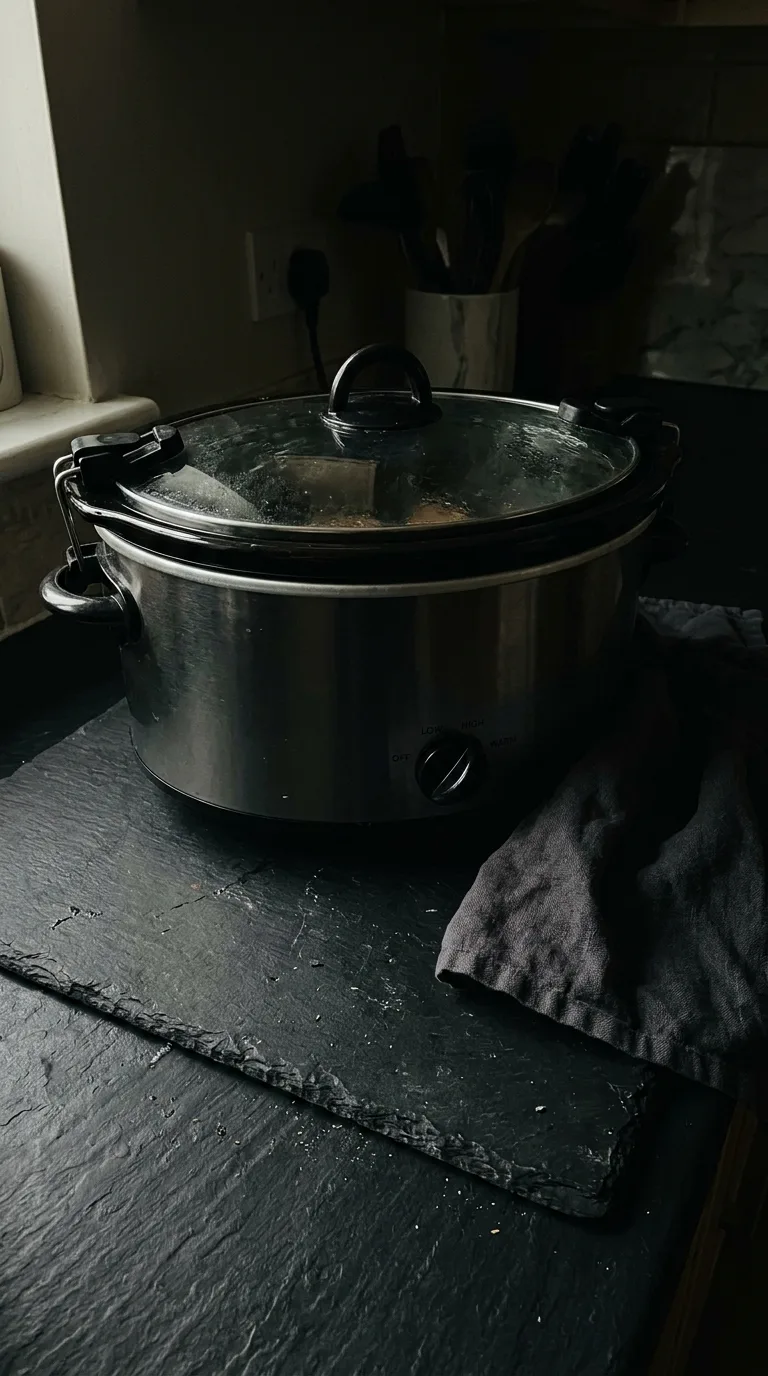
Pour the oat mixture into the greased slow cooker and stir in the vanilla extract. Seal the lid and set the cooker to low.
-
Cook and stir
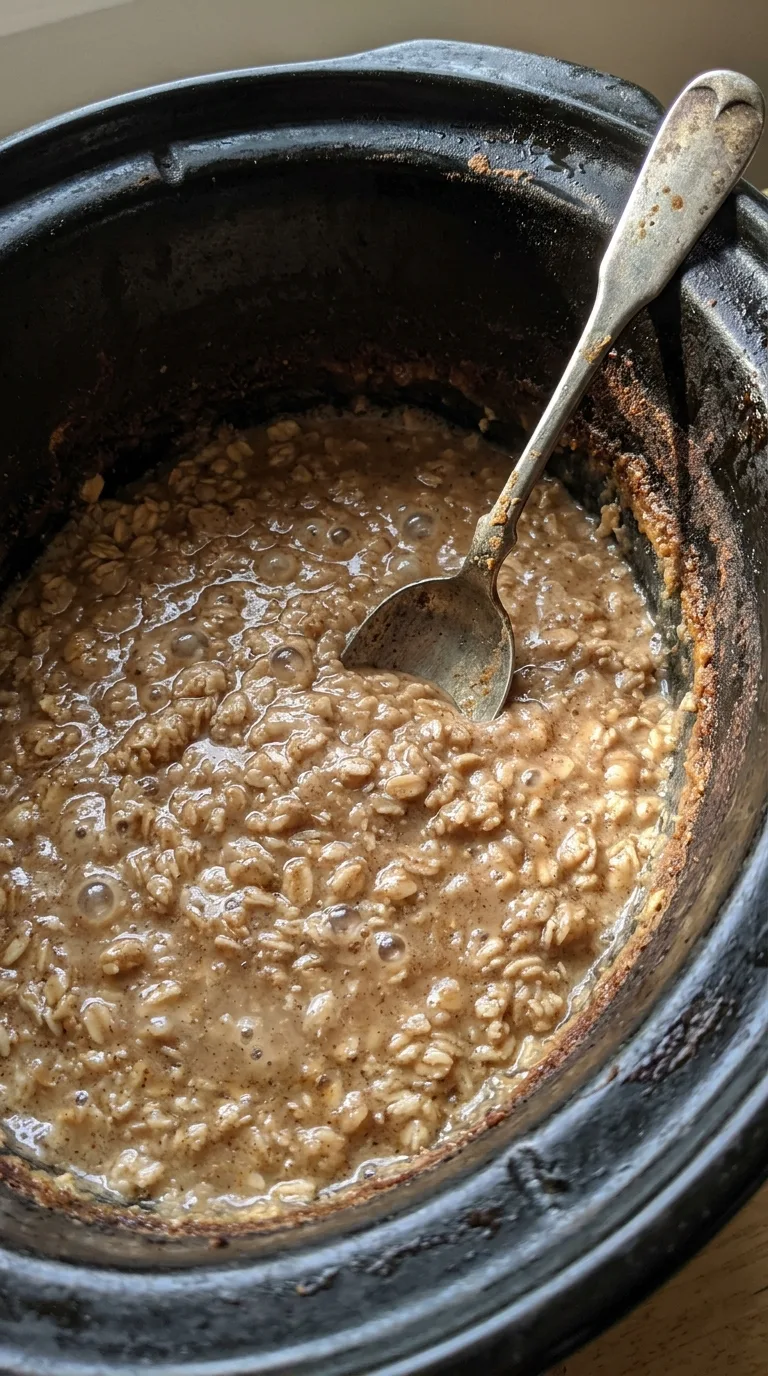
Cook for 150 minutes (2 hours 30 minutes). Stir once halfway through to keep the oats from settling at the bottom and scorching.
-
Rest the oatmeal
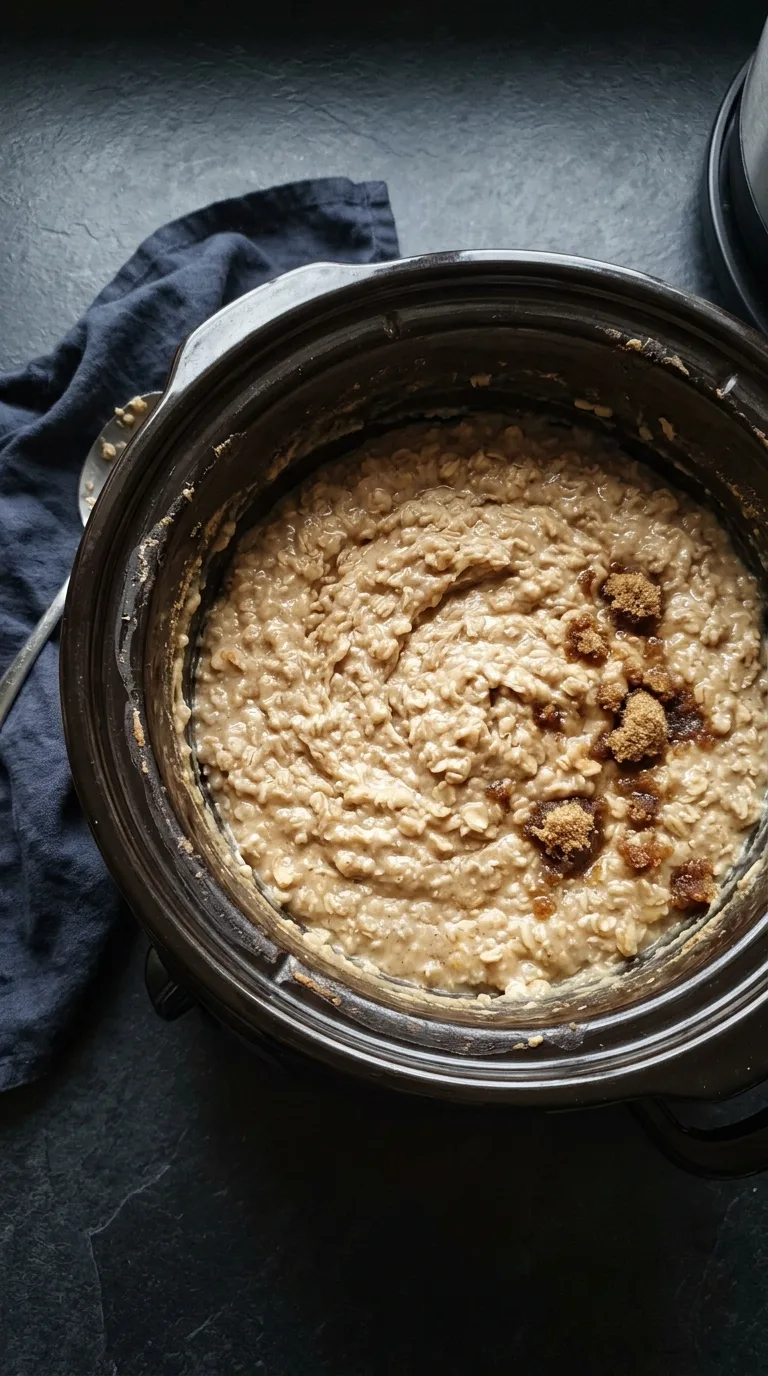
Remove the lid when the oatmeal is thick and creamy. Stir and let it rest for 10 minutes so the texture settles and becomes uniform.
-
Serve and garnish
Spoon the hot oatmeal into bowls. Add maple syrup, fresh fruit, nuts or granola for added texture and flavour.
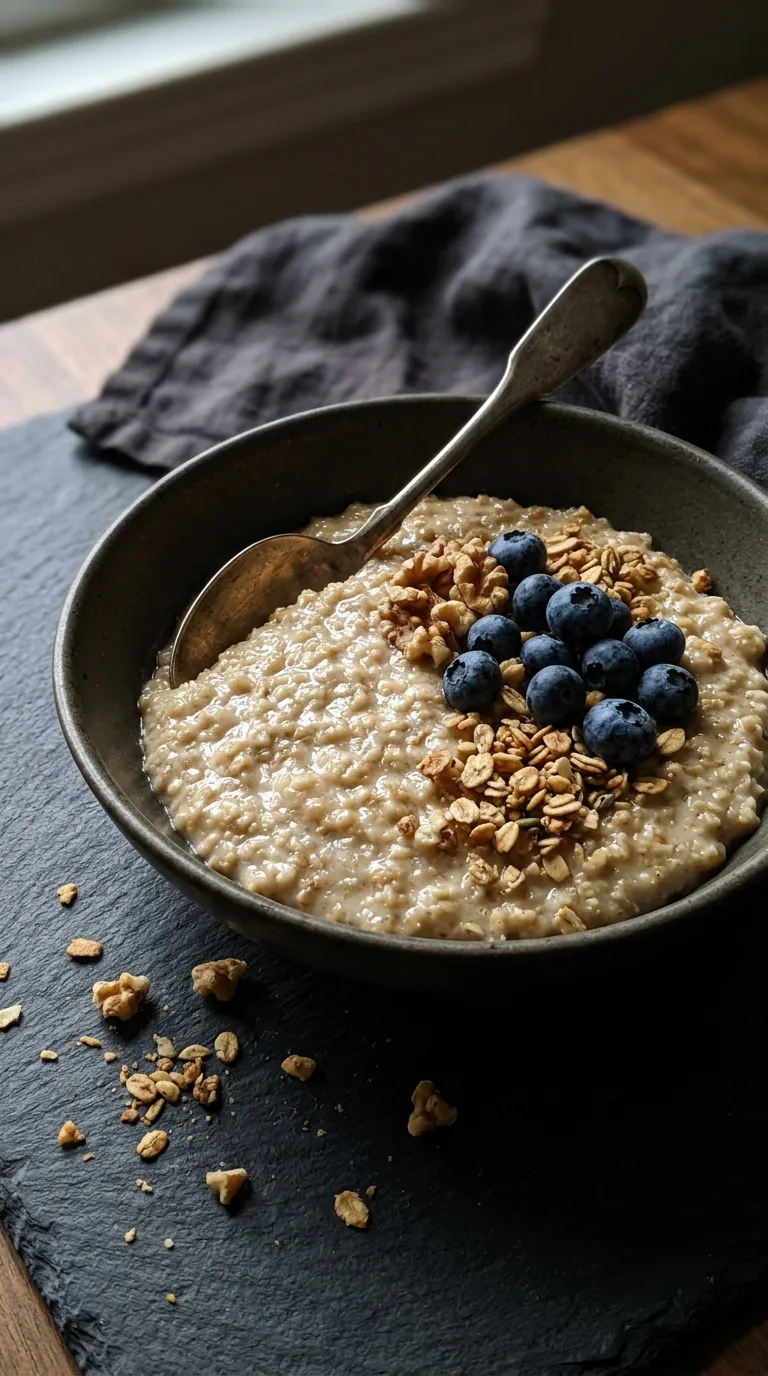
Watch the consistency at the halfway point. If the oatmeal begins to stick to the base or looks too dry, add a splash of water and stir gently. This prevents the bottom from burning and ensures a creamy finish throughout the pot.
Steel‑cut oats substitutes
Use rolled oats if you cannot find steel‑cut oats. Rolled oats cook faster and produce a softer, creamier texture. Reduce the cooking time significantly to avoid a mushy consistency. Do not use quick oats in a slow cooker, as they will disintegrate and lose all structure during the long cook.
What to serve with it
Top your bowl with sliced banana and honey for a tropical twist. You can also create a topping bar with chopped walnuts, dried cranberries, coconut flakes and fresh berries. For a silky finish, splash a little milk or oat milk on top before serving to adjust the consistency.
Storing and reheating
Keep leftover oatmeal covered at room temperature for up to 2 hours. Store in an airtight container in the freezer for up to 2 months. Thaw overnight in the fridge and reheat with a splash of milk or water to restore the creamy texture and loosen the oats.
Nutrition per serving
- Calories
- 315
- Protein
- 9.2 g
- Carbs
- 42.5 g
- Fat
- 7.8 g
- Fiber
- 5.1 g
- Sugar
- 18.4 g
Estimated, and offered as a guide rather than a medical figure.
Made it? Rate it.
Questions people ask
Can I cook oatmeal in a slow cooker?
Yes. A slow cooker provides consistent low heat that allows steel‑cut oats to soften slowly. This method prevents the bottom from burning and results in a creamy consistency without the need for constant stirring on a stove.
Can I cook breakfast oats in a slow cooker?
Yes. Steel‑cut oats are ideal for this method. They maintain a hearty chew after several hours of cooking. Other varieties like rolled oats work but require shorter cooking times to prevent them from becoming too soft.
What should not be cooked in a slow cooker?
Do not cook delicate proteins or vegetables that require high heat to sear. Foods that cook very quickly or require precise timing can overcook in a slow cooker, losing their texture and flavour during the long heating process.

About the author
Mary C. Rivero
Mary C. Rivero specializes in comforting home‑cooked meals, from hearty pastas and sheet‑pan dinners to quick weeknight snacks. Her recipes feature clear, step‑by‑step directions and practical tips, helping readers create flavorful dishes with confidence and ease.