Is Chicken and Sweet Potato Good for Dogs? Safe Prep and Portions
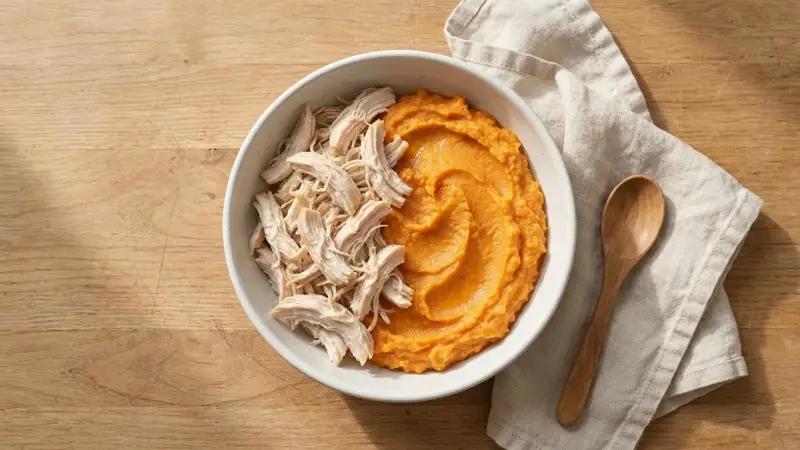
Yes, plain and thoroughly cooked chicken and sweet potato is safe and nutritious for most healthy dogs. Skinless chicken breast provides lean protein for muscle maintenance, while cooked sweet potato supplies gentle dietary fibre, beta-carotene, and potassium. Both ingredients must be prepared completely plain, without salt, butter, oil, garlic, onion, or spices.
Nutritional benefits of chicken and sweet potato for dogs
When you cook for your pet at home, simple whole ingredients work best. Boneless, skinless chicken breast is easily digestible and rich in essential amino acids, making it a staple recommendation when a dog has a mild upset stomach. Removing the skin and visible fat prevents excess calorie intake and reduces the risk of digestive distress or pancreatitis in sensitive dogs.
Sweet potatoes complement lean poultry by providing complex carbohydrates for steady energy alongside soluble and insoluble fibre. That fibre supports regular bowel movements and feeds beneficial gut bacteria. Orange-fleshed sweet potatoes also contain high levels of beta-carotene, which a dog converts into vitamin A to support vision, skin health, and immune function, alongside vitamin B6 and potassium.
However, chicken and sweet potato alone do not form a complete, balanced daily diet for a dog. Together, these two foods lack sufficient calcium, healthy omega-3 fatty acids, vitamin D, vitamin E, and trace minerals such as zinc and copper. You should serve this pairing as a healthy meal topper, a training treat, or a short-term bland diet during mild tummy trouble rather than a permanent sole food source unless a veterinary nutritionist formulates the full meal plan.
Why the belief that sweet potatoes are pure health food is only half true
Many dog owners assume that because sweet potatoes are a natural vegetable, dogs can eat unlimited amounts as a guilt-free filler. That belief is only partially accurate. While sweet potatoes are genuinely nutritious in small servings, they are also dense in starch and natural sugars, delivering roughly 20 grams of carbohydrates per 100 grams of cooked flesh.
In large portions, those extra carbohydrates quickly push a dog over its daily calorie target, leading to gradual weight gain and blood sugar spikes. Dogs with diabetes, obesity, or chronic yeast infections often do poorly on starch-heavy meals. Additionally, raw sweet potato is tough, hard to digest, and poses a serious choking or intestinal blockage hazard, while sweet potato skins can be difficult for smaller dogs to break down.
The practical takeaway is straightforward: treat sweet potato as a measured garnish rather than the bulk of the bowl. Peeling the root vegetable and cooking it until completely tender makes the starches digestible, while keeping portions modest preserves all the digestive benefits without unnecessary weight gain.
Safe cooking temperatures and preparation steps
Preparing poultry and root vegetables for a dog requires the same strict food-safety standards you use for your own family. Raw chicken can carry Salmonella and Campylobacter bacteria, which threaten both pets and human household members handling the food.
- Trim and peel carefully: Remove all skin, cartilage, bones, and excess fat from chicken breasts or tenderloins. Never feed cooked chicken bones, as they splinter easily and can puncture the digestive tract. Peel sweet potatoes thoroughly and cut them into uniform 2-centimetre (0.75-inch) cubes so they cook evenly.
- Cook to safe internal temperatures: Boil, poach, or steam the chicken in plain water until the thickest part reaches an internal temperature of 74°C (165°F) on a digital probe thermometer. Boil or steam the sweet potato cubes for 15 to 20 minutes until a fork slides through with zero resistance.
- Skip all seasonings and fats: Do not add salt, black pepper, stock cubes, butter, or cooking oils. Common kitchen aromatics such as onion, garlic, chives, and shallots belong to the Allium family and are toxic to dogs, causing oxidative damage to red blood cells even in small powdered amounts.
- Cool and shred before serving: Allow the food to cool to room temperature before placing it in your dog's bowl, as hot mashed sweet potato retains heat in the centre and can burn a dog's mouth. Shred the chicken into bite-sized strands and mash the sweet potato smoothly with a splash of the plain cooking water.
If you are making a separate seasoned meal for yourself at the same time, keep the dog's portion completely isolated in a separate pot. You can explore How to Cook Chicken and Sweet Potatoes in an Air Fryer for quick weeknight preparation methods, or review Can You Cook Raw Chicken and Sweet Potatoes in the Same Pan? to see how raw poultry and root vegetables behave when cooked together safely.
Portion sizes and storage guidelines
Treats and meal toppers should make up no more than 10 percent of your dog's total daily calories, with the remaining 90 percent coming from a complete, balanced commercial or veterinarian-formulated dog food. A standard ratio for a dog-friendly topper is two parts shredded chicken breast to one part mashed sweet potato by weight.
| Dog weight | Daily topper portion | Approximate split (chicken / sweet potato) |
|---|---|---|
| Under 5 kg (11 lb) | 15 to 30 grams (1 to 2 tablespoons) | 20 g chicken / 10 g sweet potato |
| 5 to 15 kg (11 to 33 lb) | 30 to 60 grams (2 to 4 tablespoons) | 40 g chicken / 20 g sweet potato |
| 15 to 30 kg (33 to 66 lb) | 60 to 100 grams (4 to 6 tablespoons) | 65 g chicken / 35 g sweet potato |
| Over 30 kg (66 lb) | 100 to 150 grams (6 to 10 tablespoons) | 100 g chicken / 50 g sweet potato |
Store leftover plain cooked chicken and sweet potato in an airtight glass or BPA-free container in the refrigerator at 4°C (40°F) or below for up to 3 days. For longer storage, portion single servings into freezer-safe containers or silicone moulds and freeze at -18°C (0°F) for up to 2 months. Thaw frozen portions overnight in the refrigerator rather than on the kitchen counter.
While your dog enjoys a plain bowl of boiled poultry and mash, you can turn the exact same core ingredients into a rich, seasoned meal for yourself with Chicken and Sweet Potato Hash: Savoury Breakfast Skillet, which pairs caramelised root vegetables and shredded chicken with a runny poached egg.
A printable recipe card for Chicken and Sweet Potato Hash: Savoury Breakfast Skillet is just below this article, ready for you to download or print.
Frequently asked questions
Can I give my dog sweet potato skin?
You should peel sweet potatoes before feeding them to your dog. The outer skin is fibrous and tough to digest, which can trigger vomiting, mild diarrhoea, or choking in small breeds. Removing the skin also eliminates any lingering soil or agricultural residue.
Can I use tinned sweet potato or tinned chicken instead of fresh?
Only use tinned ingredients if the label lists nothing beyond the main ingredient and plain water. Most tinned chicken contains high amounts of added sodium, while tinned sweet potato puree or pie filling frequently includes added sugar, syrups, or nutmeg, which is toxic to dogs. Freshly boiled or steamed ingredients give you complete control over salt and additives.
Is chicken and sweet potato safe for puppies?
Yes, healthy puppies over 8 weeks old can eat tiny amounts of plain, finely shredded chicken and smooth mashed sweet potato as an occasional training reward. Keep portions very small—no more than 1 teaspoon for toy breeds or 1 tablespoon for larger breeds—because growing puppies require precise calcium-to-phosphorus ratios from their main puppy food to support bone development.
What if my dog is allergic to chicken?
Chicken is a relatively common food allergen in dogs, often showing up as itchy paws, recurring ear infections, or chronic loose stools. If your dog reacts poorly to chicken, substitute plain cooked skinless turkey breast or lean minced beef cooked to 74°C (165°F) and drained of all fat, paired with the same plain mashed sweet potato.
Printable recipe card: Chicken and Sweet Potato Hash: Savoury Breakfast Skillet
Save it, print it, or keep it on your phone while you cook.
Loading the recipe card…

About the author
Mary C. Rivero
Mary C. Rivero specializes in comforting home‑cooked meals, from hearty pastas and sheet‑pan dinners to quick weeknight snacks. Her recipes feature clear, step‑by‑step directions and practical tips, helping readers create flavorful dishes with confidence and ease.