Halal Tuna Protein Sushi Bowls: Spicy Seafood Rice Bowls
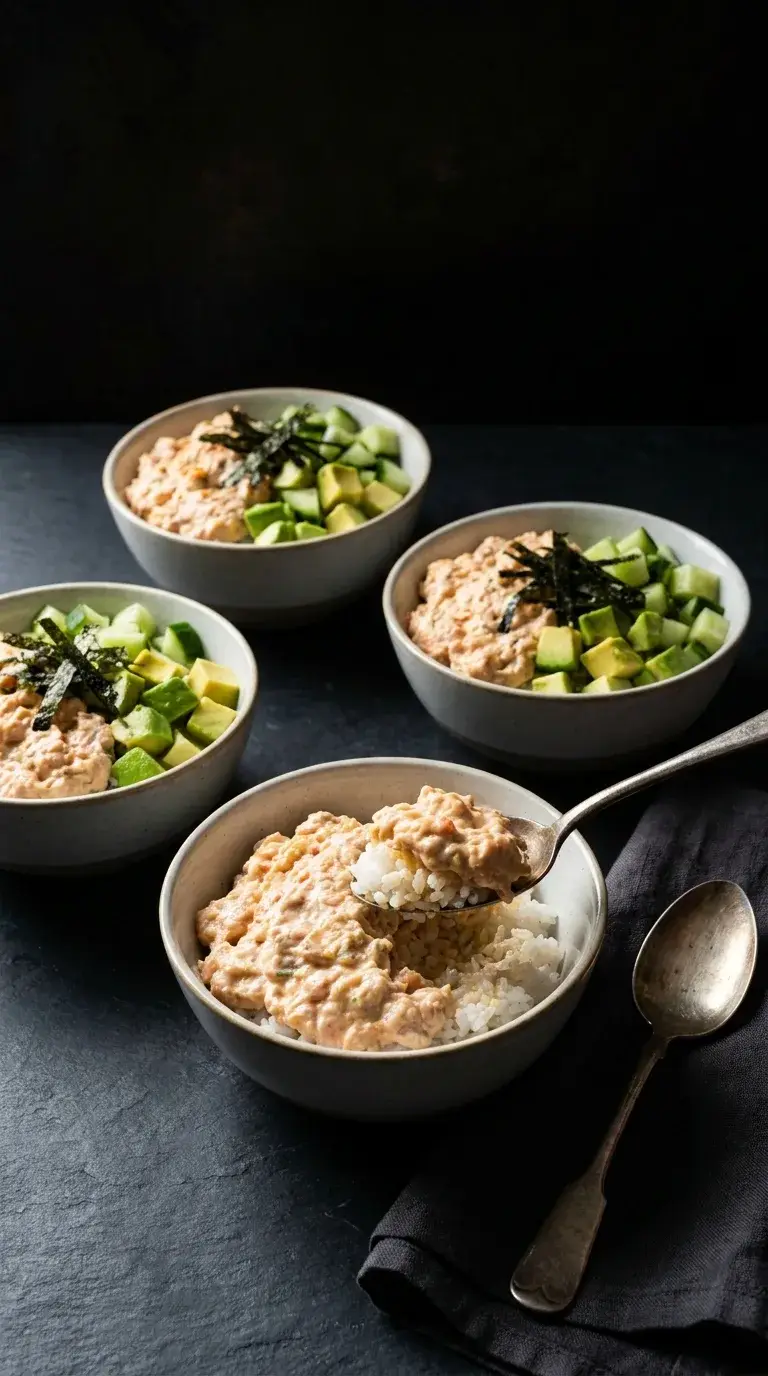
These bowls combine seasoned short-grain rice with a spicy tuna blend and fresh vegetables. Success depends on how you prepare the rice. Rinse the grains under cold water until the water runs clear to remove excess starch. This ensures the grains stay separated rather than clumping. Fold in the rice vinegar, sugar, and salt while the rice is hot so the seasoning absorbs evenly into the core of each grain for your tuna protein sushi.
Halal Tuna Protein Sushi Bowls: Spicy Seafood Rice Bowls
Recipe cardIngredients
Watch how it's made
Instructions
-
Prepare the rice
Rinse the sushi rice in a fine-mesh sieve under cold running water until the water runs clear. You must do this to remove excess starch. This ensures the grains stay separated rather than clumping together.
-
Simmer and steam
Combine rice and water in a medium saucepan and bring to a boil over high heat. Reduce heat to low, cover, and simmer for 18 minutes. Remove from heat and let it sit covered for 10 minutes to steam through.
-
Season the rice
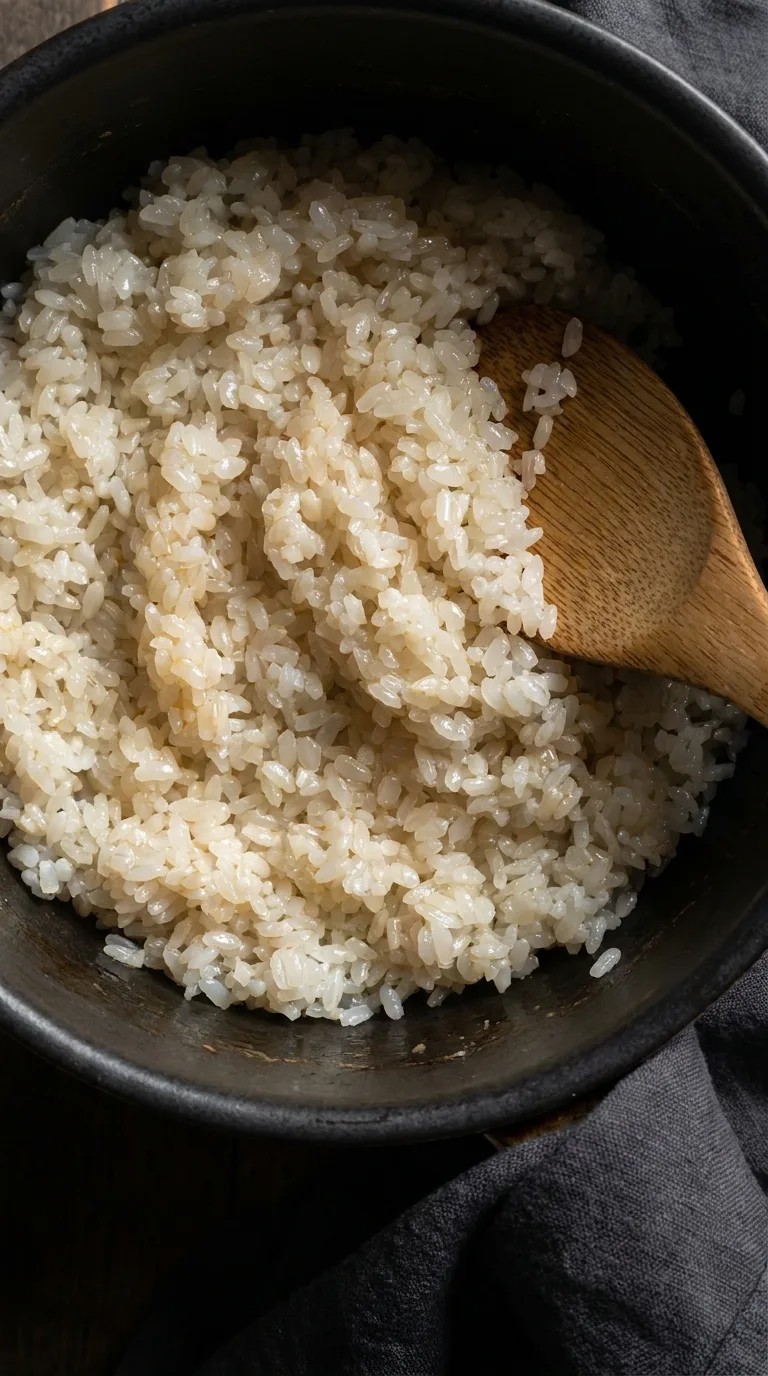
Whisk rice vinegar, sugar and salt in a small bowl until dissolved. Pour this over the hot rice and fold gently with a wooden spoon. Allow the rice to cool to room temperature so it does not wilt the fresh vegetables.
-
Mix the tuna
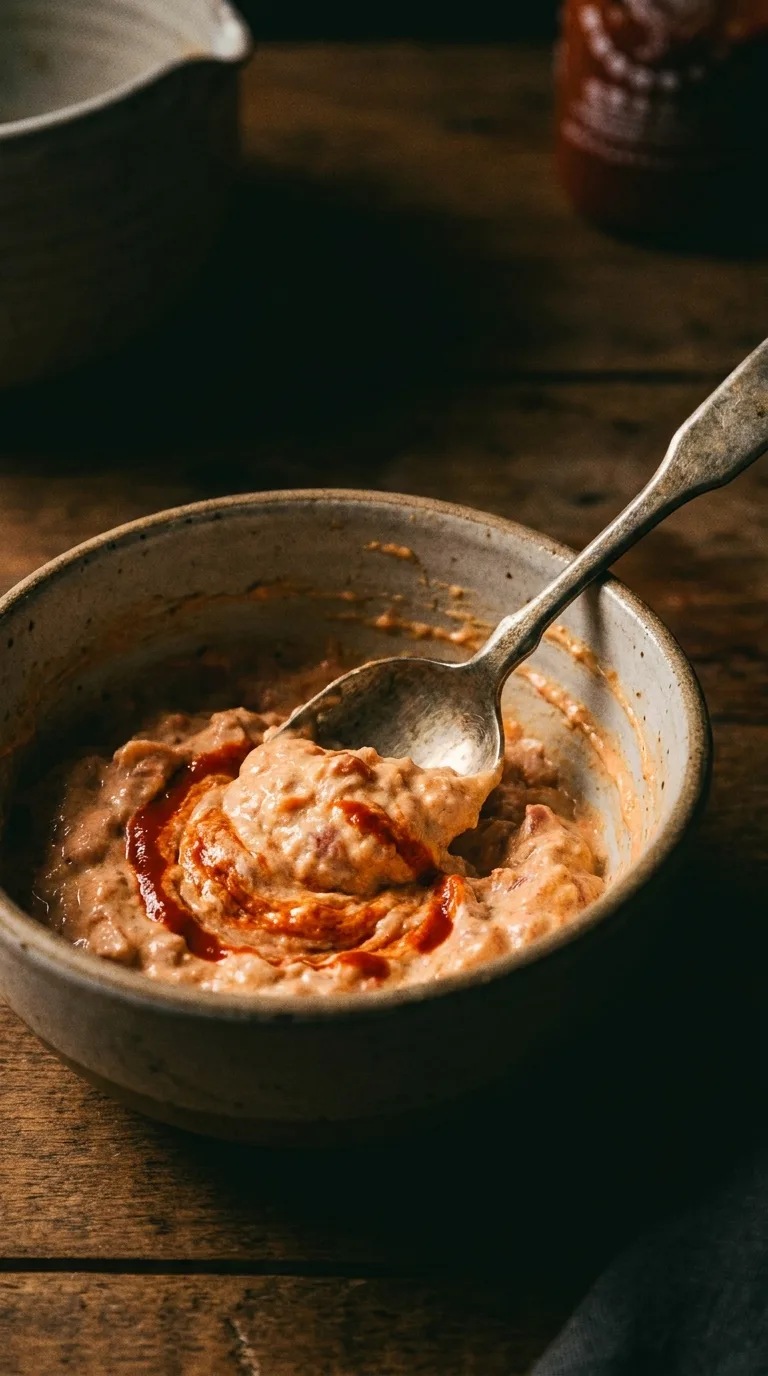
Combine the drained tuna, mayonnaise and sriracha in a bowl. Mix until the tuna is evenly coated and a light red hue appears. Fold in chili-crunch flakes if you prefer more heat.
-
Dress the vegetables
Toss the diced cucumber, avocado and cooked edamame with a pinch of salt and a splash of tamari. This creates a layer of crunch and umami to balance the creamy tuna.
-
Assemble the bowls
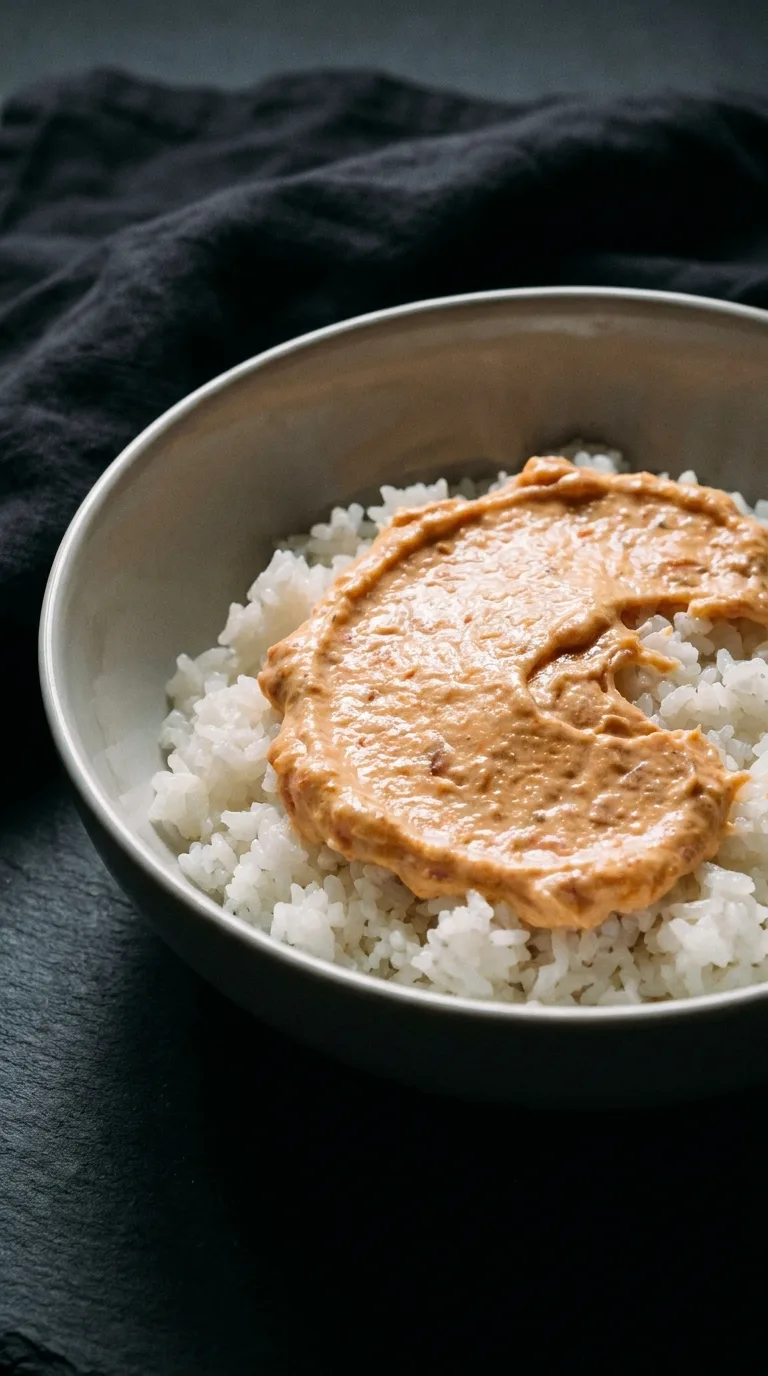
Divide the seasoned rice among four plates as a base. Spread a generous smear of the spicy tuna mixture over the rice. Layer the dressed cucumber and avocado mixture on top.
-
Add final garnishes
Break nori sheets into thin strips and arrange them over the bowls. Sprinkle toasted sesame seeds over each bowl for a nutty finish. Drizzle with tamari if desired.
Prevent the avocado from turning brown by sprinkling a little lime juice over the dice before assembly. If the avocado looks grey or dull, it has oxidised. The acidity of the lime preserves the bright green colour and adds a necessary brightness to the bowl.
What to serve with it
Pair these bowls with miso soup to provide a comforting contrast in temperature and flavour. For a refined presentation, use parchment-lined plates. You may also garnish each portion with a thin strip of pickled ginger to add a subtle, sweet-tangy lift to the meal.
Storing and reheating
Keep these bowls chilled if you do not eat them immediately. Leave them at room temperature for no longer than 2 hours. Do not freeze this dish. The mayonnaise will separate and the rice texture will be ruined after thawing.
Getting the texture right
Rinse the sushi rice until the water runs clear to remove excess starch. This ensures the grains stay separated. For a smoother tuna consistency, mash the mixture before assembling the bowls. Sprinkle lime juice on the avocado to keep it firm and bright.
Making it ahead
Prepare the seasoned rice and tuna mixture in advance. Store them in airtight containers in the fridge. Assemble the bowls just before serving to ensure the cucumber and avocado remain crisp and the nori sheets do not soften from the moisture.
Nutrition per serving
- Calories
- 350
- Protein
- 20.0 g
- Carbs
- 32.0 g
- Fat
- 15.0 g
- Fiber
- 5.0 g
- Sugar
- 7.0 g
Estimated, and offered as a guide rather than a medical figure.
Made it? Rate it.
Questions people ask
How much protein is in a tuna sushi?
One of these tuna protein sushi bowls contains 20 g of protein. This comes primarily from the canned tuna and edamame, making it a balanced option for a post-gym refuel.
What sushi is the highest in protein?
Tuna is one of the highest protein options for sushi. Using canned tuna in a bowl format allows you to control the protein-to-rice ratio for a more nutrient-dense meal.
How much protein is in 6 tuna sushi rolls?
Protein content varies by roll size, but standard tuna rolls typically offer 4 to 7 g per piece. These bowls provide a concentrated 20 g of protein in a single serving.

About the author
Mary C. Rivero
Mary C. Rivero specializes in comforting home‑cooked meals, from hearty pastas and sheet‑pan dinners to quick weeknight snacks. Her recipes feature clear, step‑by‑step directions and practical tips, helping readers create flavorful dishes with confidence and ease.