High Protein Sushi Wrap: Chicken and Vegetable Nori Roll
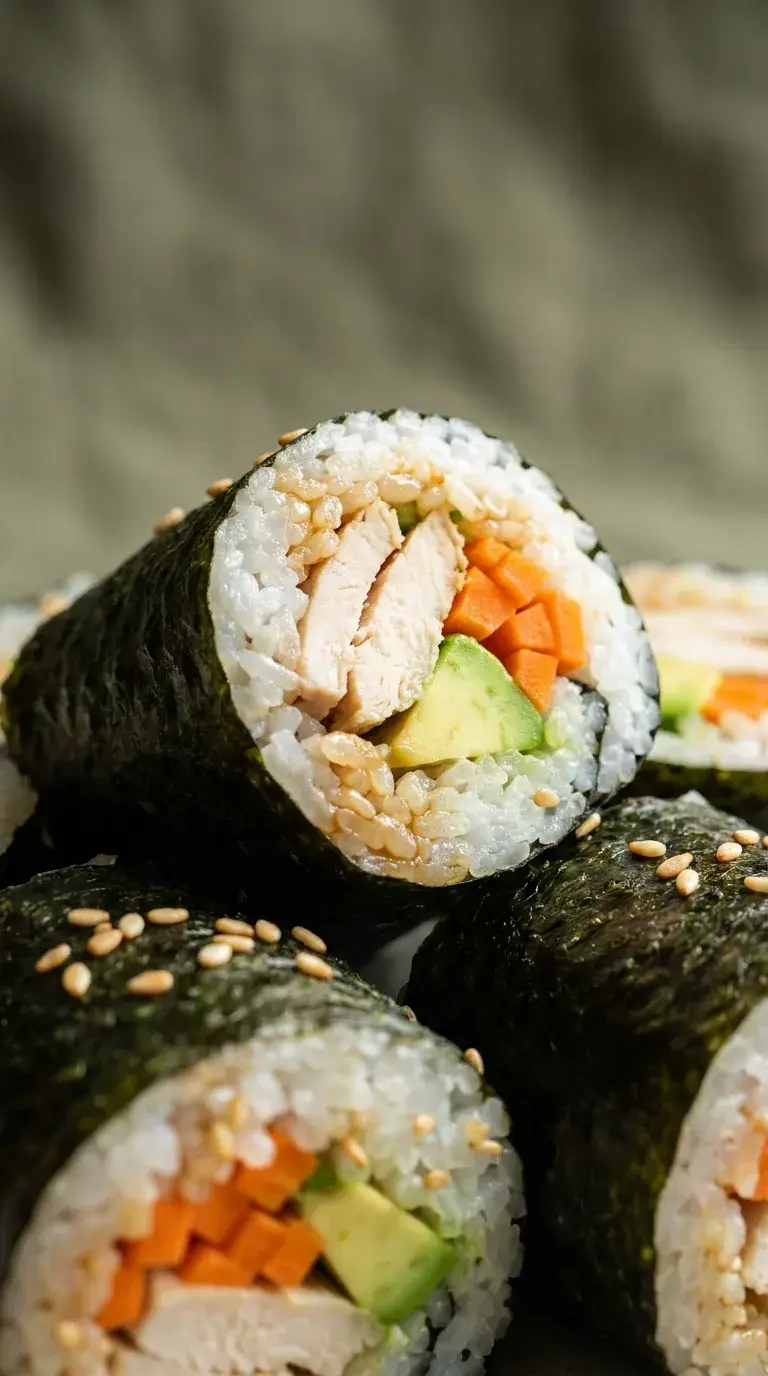
This high protein sushi wrap combines seared chicken breast with crisp cucumber, carrot, and creamy avocado. It sits within the Asian tradition of rolled sushi, providing a balanced meal with a savoury profile from tamari and rice vinegar. You get a contrast of textures between the soft sushi rice and the crunch of julienned vegetables, all held together by a sheet of nori.
Cool the sushi rice to room temperature before rolling. If you use hot rice, it will adhere to the bamboo mat and the nori will tear, ruining the structure of the roll. Use a damp palm to spread the rice and a damp knife for slicing. This prevents the grains from sticking and ensures you produce clean, six equal pieces without compressing the fillings.
High Protein Sushi Wrap: Chicken and Vegetable Nori Roll
Recipe cardIngredients
Watch how it's made
Instructions
-
Cook the rice
Rinse the sushi rice under cold water until the water runs clear. Combine the rice with 300 ml water in a saucepan and bring to a boil. Reduce the heat, cover, and simmer for 12 minutes until the water is absorbed.
-
Prepare the sauce
Whisk together 60 ml tamari, 15 ml rice vinegar, 10 ml honey, 1 tsp minced garlic, and 1 tsp toasted sesame seeds in a small bowl. Set this mixture aside for later use.
-
Sear the chicken
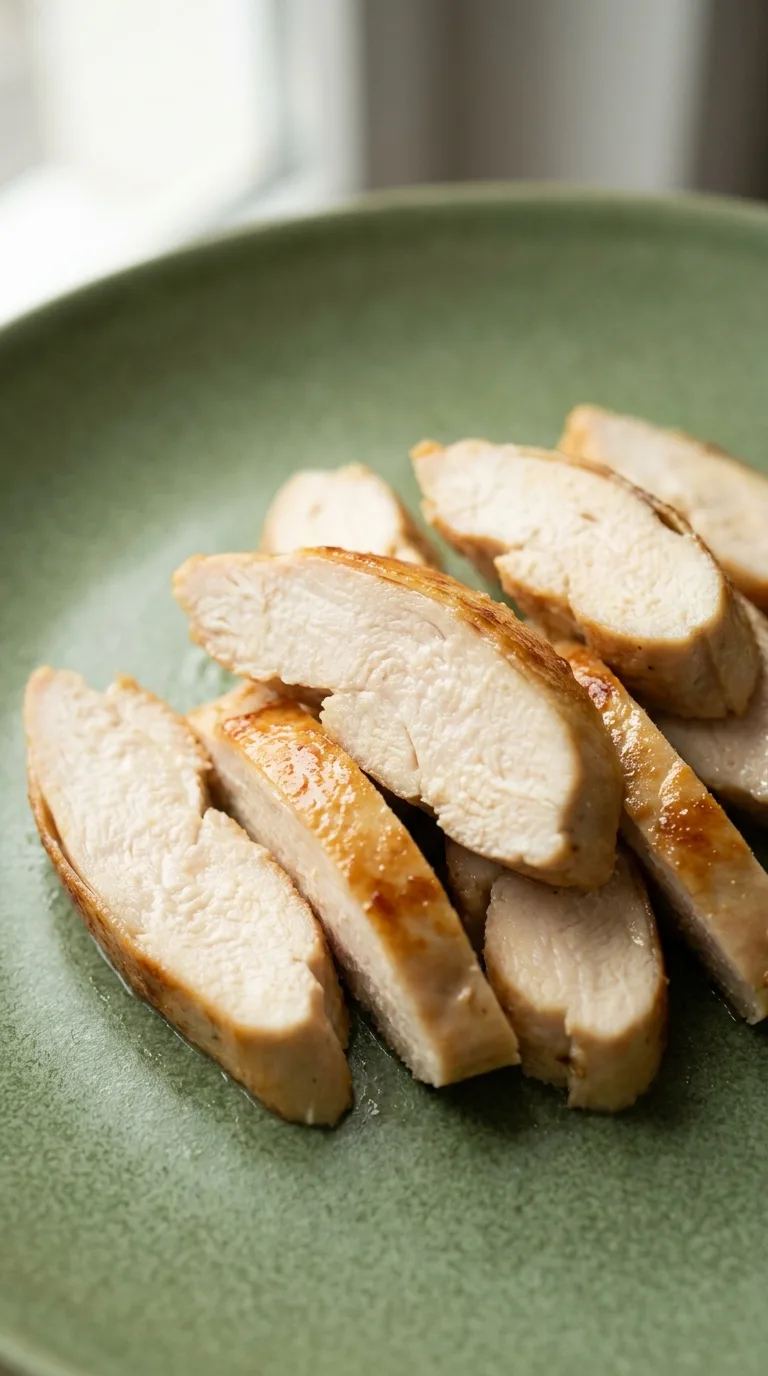
Pat the chicken breast dry and season with salt and pepper. Heat 1 tsp olive oil in a non-stick skillet over medium-high heat and sear for 3 minutes on each side until the internal temperature reaches 74°C (165°F). Let the meat rest for 2 minutes before slicing into thin strips to keep the juices inside.
-
Season the rice
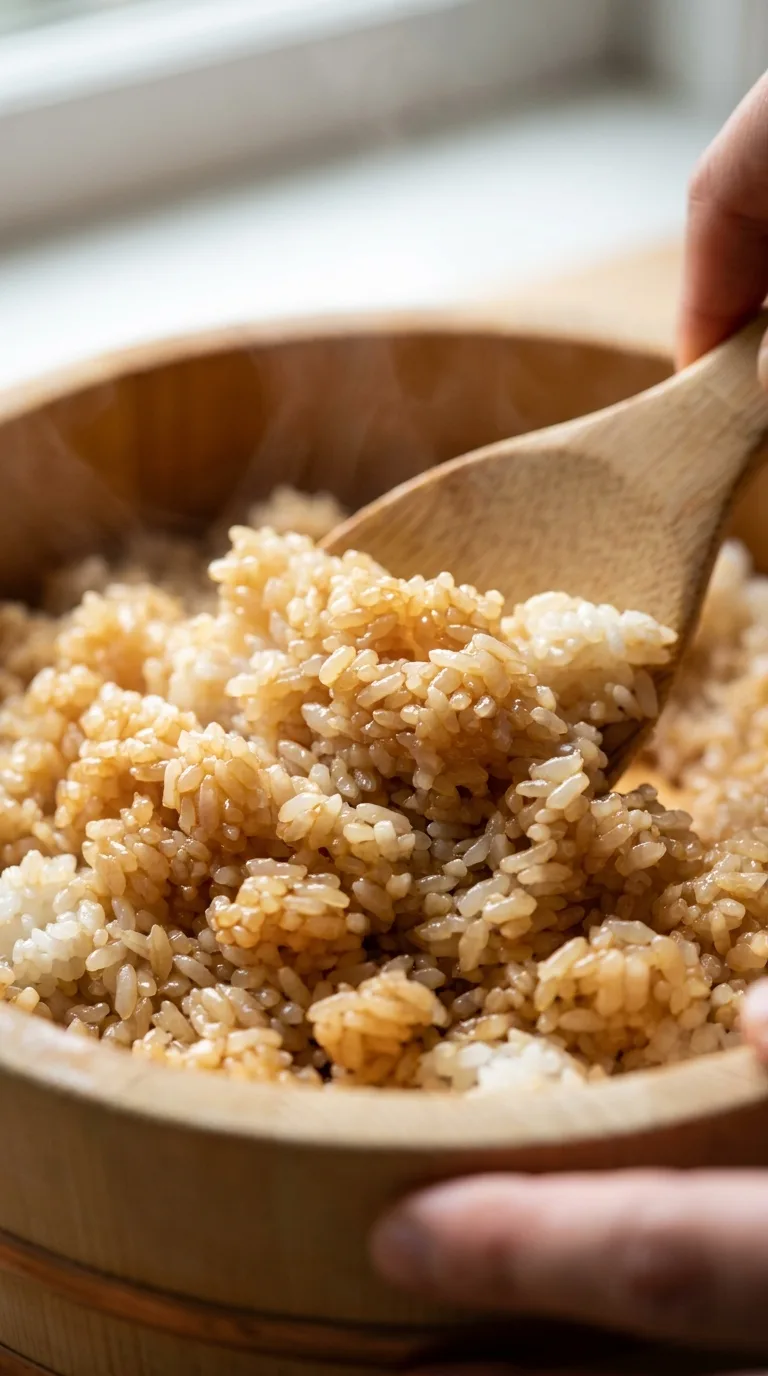
Remove the rice from the heat and leave it covered for 5 minutes to let the steam finish the grain. Transfer it to a large bowl and gently fold in the tamari-vinegar mixture. Allow the rice to cool to room temperature so it does not tear the nori.
-
Prepare the fillings
Julienne the cucumber and carrot, slice the avocado, and thinly slice the scallions. Keep these vegetables separate to ensure an even distribution of colour and flavour in each wrap.
-
Assemble the wraps
Lay one nori sheet glossy side down on a bamboo mat. Spread a thin layer of rice over the lower 1.5 cm of the sheet, leaving the top 1 cm free. Arrange a line of chicken, cucumber, carrot, avocado, and scallions across the rice.
-
Roll and slice
Roll the mat upward and press gently to form a tight cylinder. Seal the edge with a splash of water to prevent the wrap from opening. Slice the roll into six equal pieces using a damp knife to ensure a clean cut.
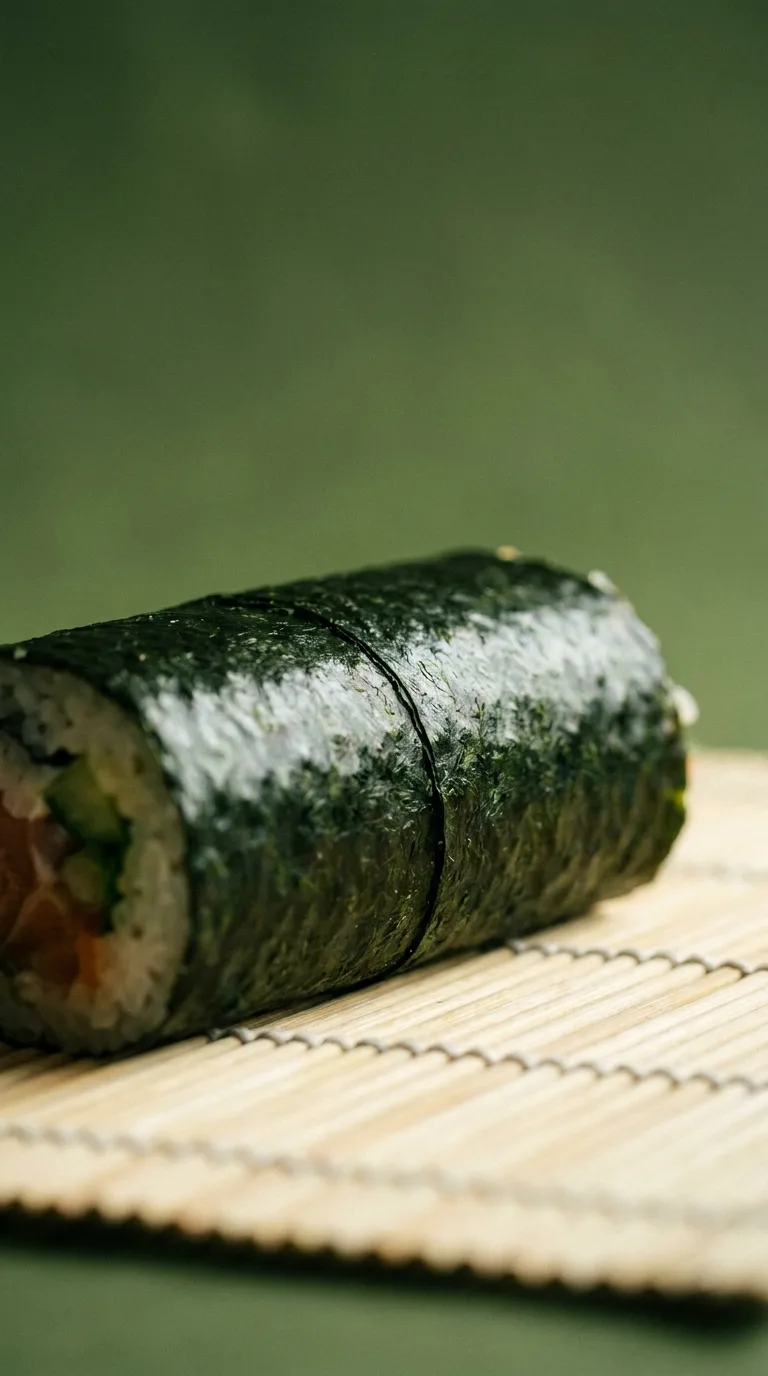
You must cool the sushi rice completely before rolling. If the rice is still hot, it will adhere to the bamboo mat and cause the nori sheets to tear. Wet your fingers and the knife blade frequently to prevent the sticky starch from clinging to your tools.
What to serve with it
Serve these wraps with a side of miso soup for a complete meal. Drizzle a thin layer of chilli oil over the slices for a gentle heat kick. For more flavour, add a sprinkle of crushed red pepper flakes and a squeeze of fresh lime before serving.
Storing and reheating
Wrap the rolls tightly in cling film and keep them at 4°C (39°F) for up to 2 days. You may freeze them for 3 days in plastic. Thaw the wraps in the refrigerator overnight to maintain the texture of the rice and nori.
Nutrition per serving
- Calories
- 410
- Protein
- 25.0 g
- Carbs
- 60.0 g
- Fat
- 10.0 g
- Fiber
- 5.2 g
- Sugar
- 6.5 g
Estimated, and offered as a guide rather than a medical figure.
Made it? Rate it.
Questions people ask
What sushi roll has the highest protein?
Rolls featuring lean meats like chicken breast or tofu provide the highest protein. This wrap uses 400 g of chicken breast to ensure each serving is nutrient dense and satisfying for athletes or active individuals.
What wraps have high protein?
Wraps using high-protein fillings such as grilled chicken, tuna, or marinated tofu are best. Combining these proteins with sushi rice and nori creates a balanced meal that provides sustained energy throughout the day.
Is sushi good for a high protein diet?
Yes, provided you choose protein-rich fillings. While traditional sushi can be carb-heavy, adding significant portions of chicken or fish ensures the meal meets the requirements of a high-protein diet.

About the author
Mary C. Rivero
Mary C. Rivero specializes in comforting home‑cooked meals, from hearty pastas and sheet‑pan dinners to quick weeknight snacks. Her recipes feature clear, step‑by‑step directions and practical tips, helping readers create flavorful dishes with confidence and ease.