Oven Baked Salmon: Salmon with Lemon Butter Glaze
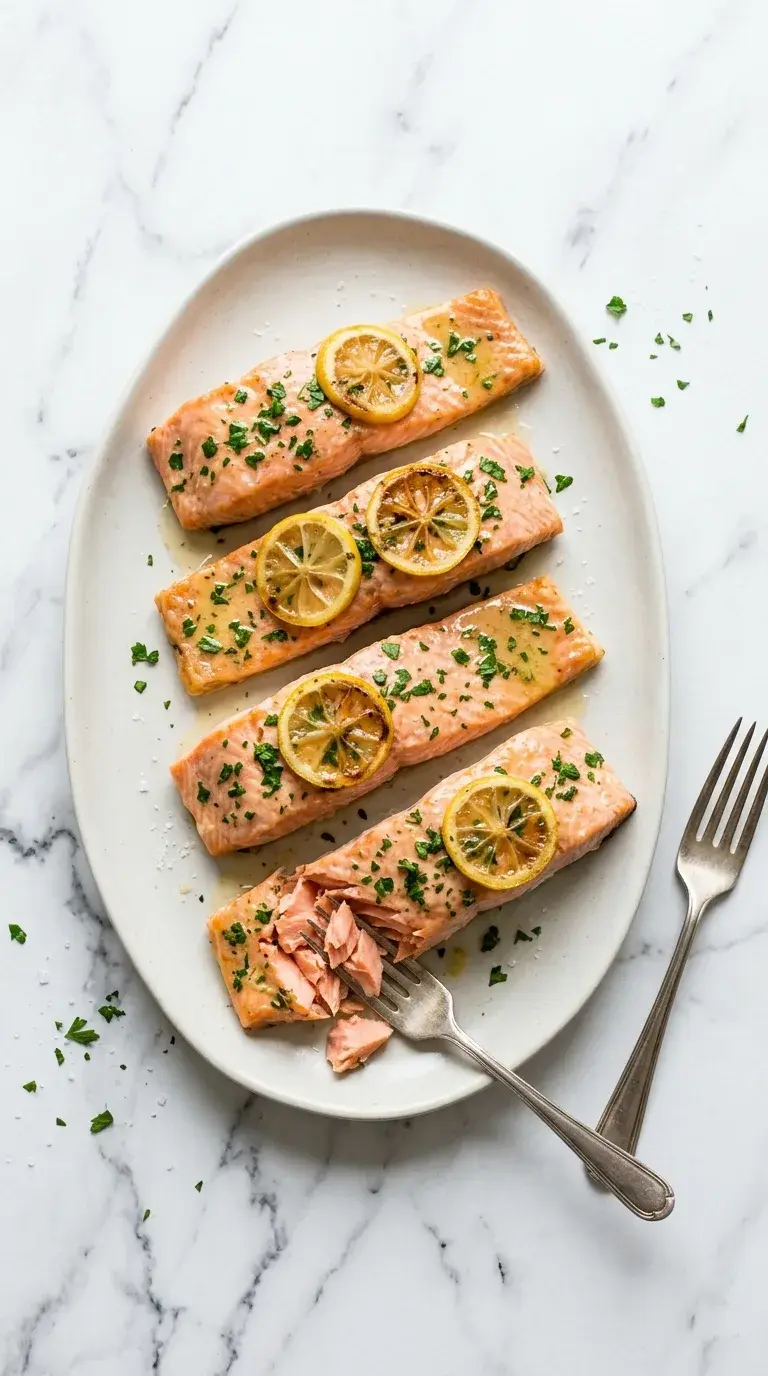
Select salmon fillets that are vibrant in colour and firm to the touch. Avoid any fish with a greyish tint or a strong fishy smell, as these indicate age. Pat the fillets dry with paper towels before you begin. This removes excess moisture from the surface, which allows the skin to crisp slightly when you make this oven baked salmon.
This dish consists of four 200 g fillets seasoned with garlic and baked at 200°C (400°F). You brush them with a mixture of melted butter, extra-virgin olive oil, and lemon juice to create a bright, savoury glaze. The fish cooks for 12 minutes until it reaches an internal temperature of 60°C. After a 2 minute rest, the result is a moist, medium-rare centre with a burst of citrusy goodness.
Oven Baked Salmon: Salmon with Lemon Butter Glaze
Recipe cardIngredients
Watch how it's made
Instructions
-
Prepare the oven
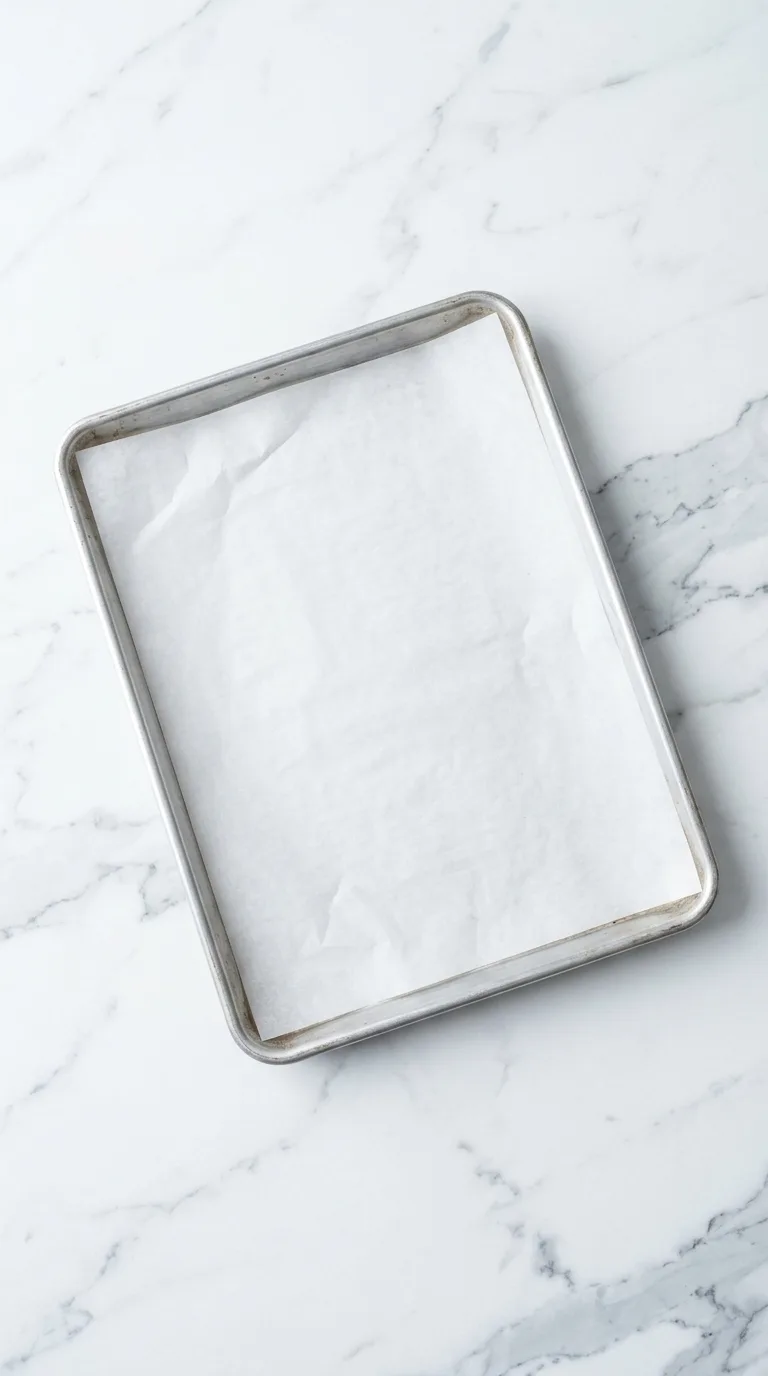
Preheat your oven to 200°C (400°F). Line a sheet pan with parchment paper to prevent the fish from sticking to the metal.
-
Dry and season
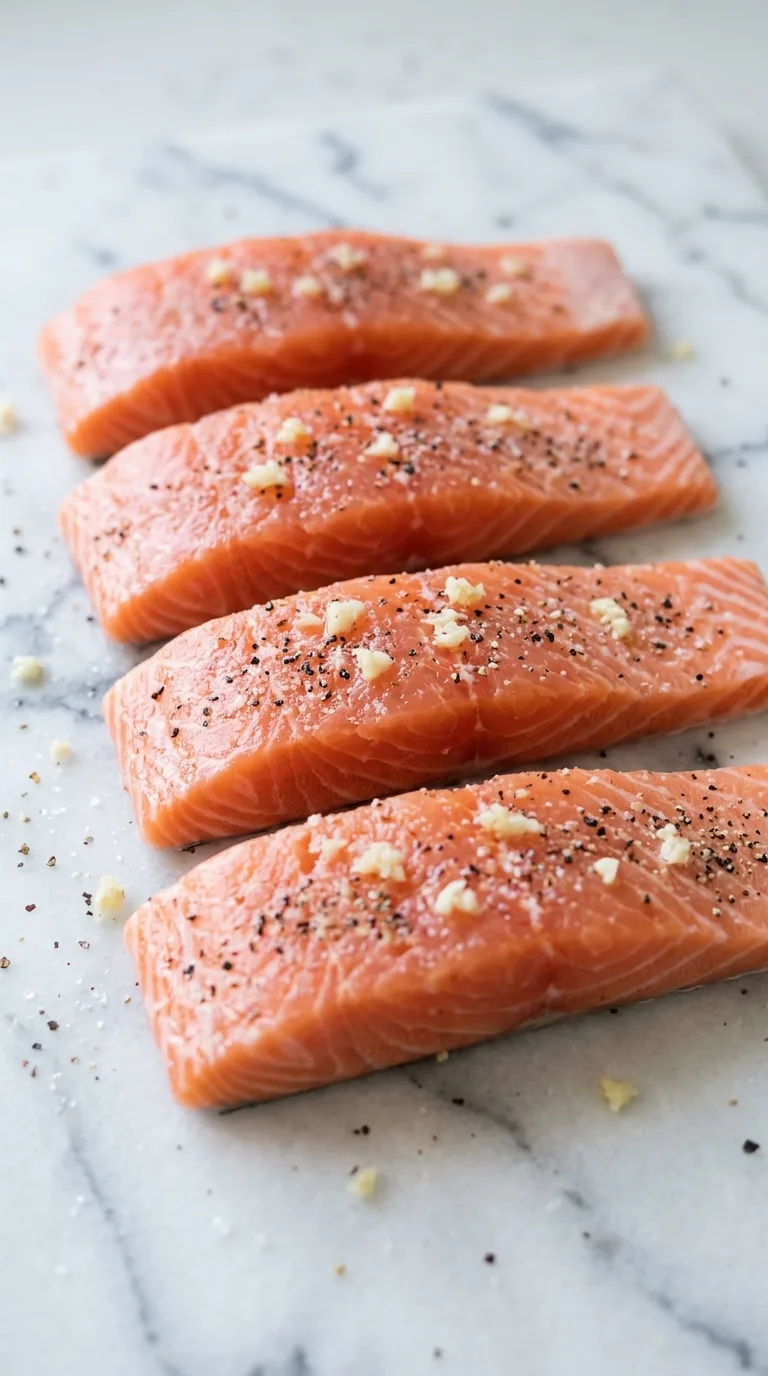
Pat the salmon fillets dry with paper towels. Removing surface moisture ensures a crisp surface. Season both sides with salt, pepper and minced garlic.
-
Mix the glaze
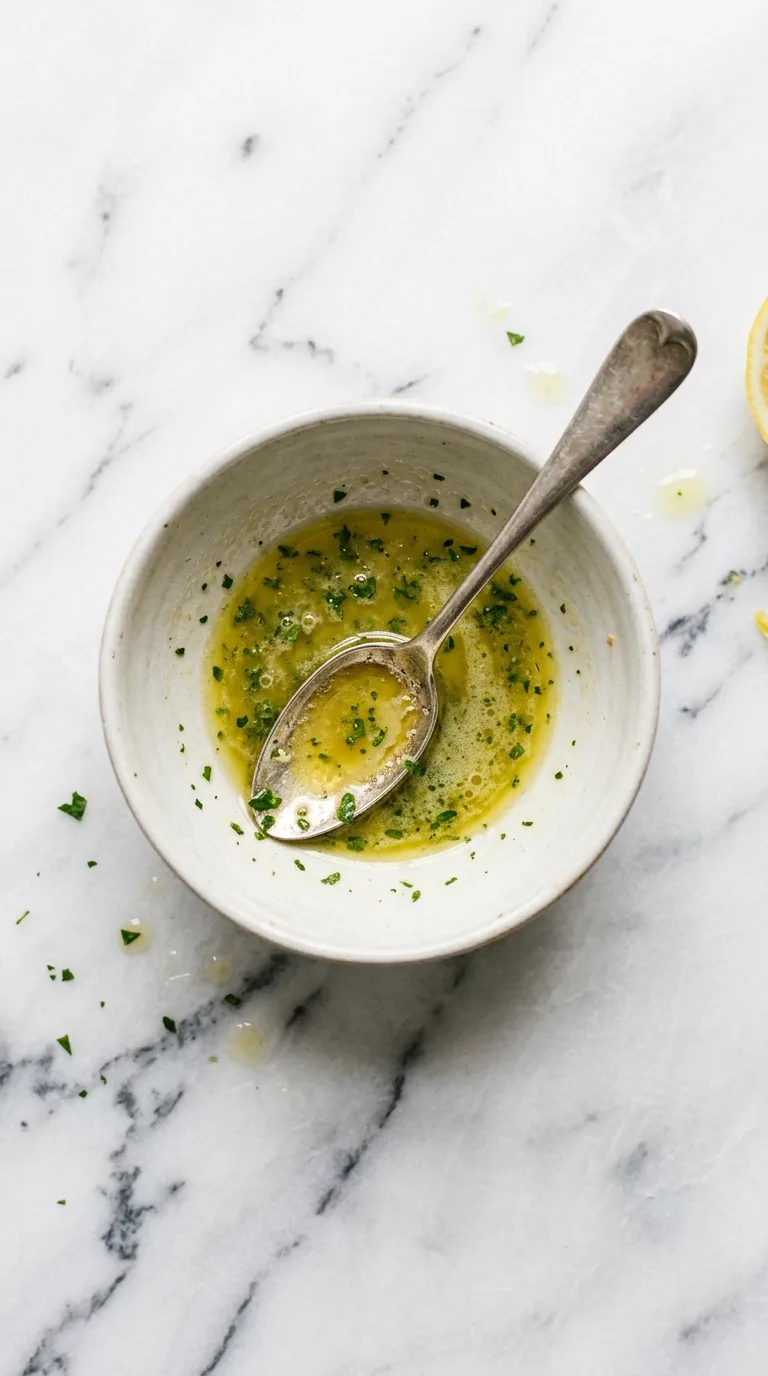
Combine the melted butter, olive oil, lemon juice and chopped parsley in a small bowl. Stir until the mixture is well combined.
-
Coat the fillets
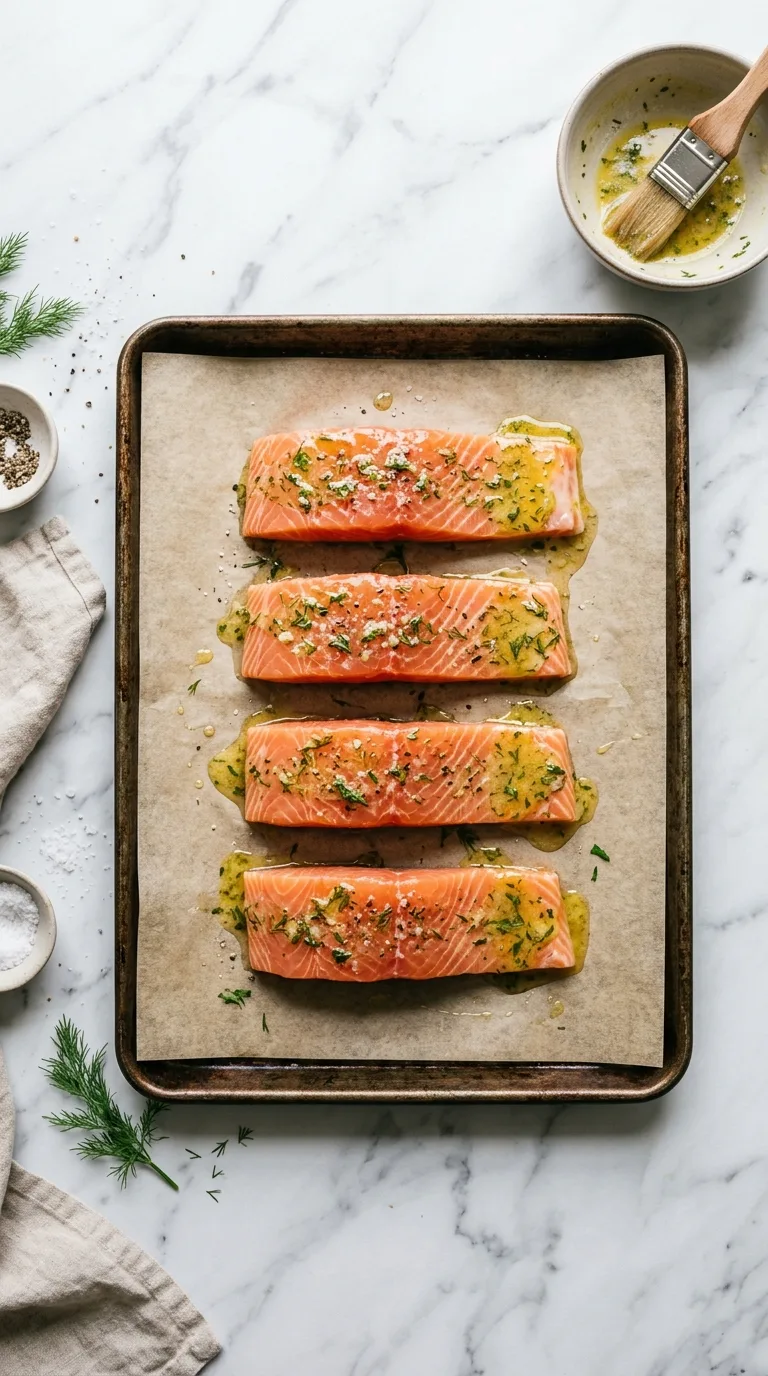
Place the salmon skin side down on the pan. Brush each fillet generously with half of the butter-herb mixture to keep the fish moist during baking.
-
Bake the salmon
Bake for 12 minutes. The fish is ready when it flakes easily with a fork and the internal temperature reaches 60°C (140°F), which indicates a moist medium-rare finish.
-
Finish and rest
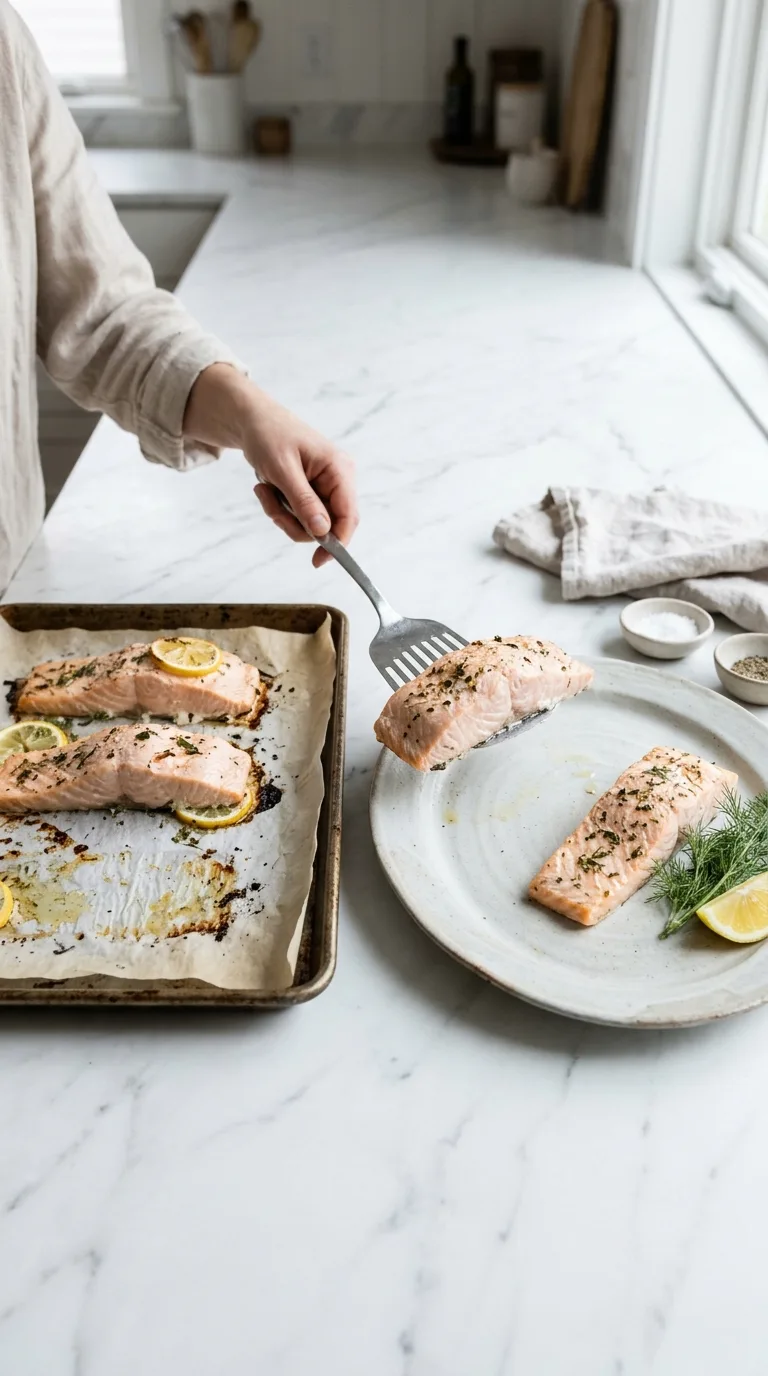
Transfer the fillets to a platter and let them rest for 2 minutes. This allows the juices to redistribute. Brush the remaining glaze over the tops and add lemon slices.
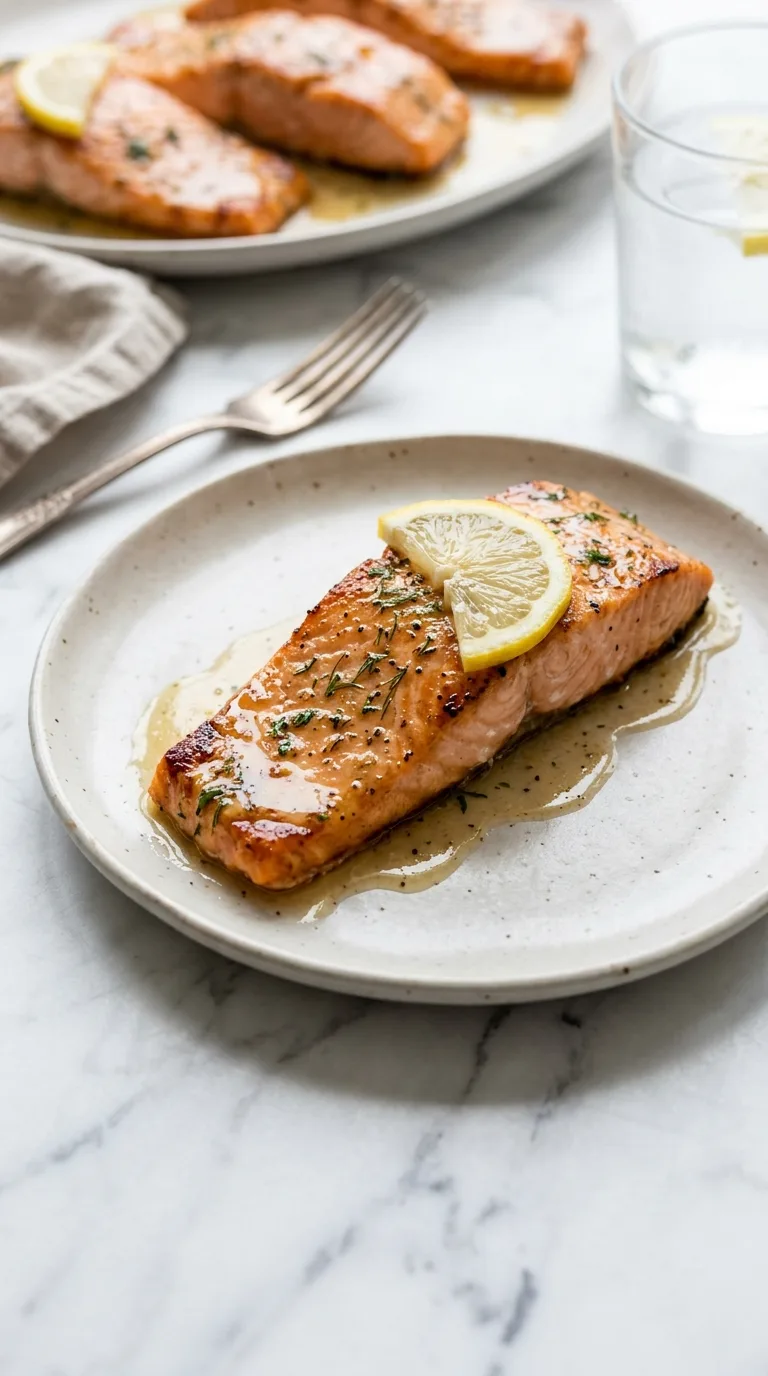
Overcooking salmon leads to a dry, chalky texture. Use a small knife to gently check the centre between the flesh and the bone. If the centre is still translucent, it needs more time; a juicy, opaque centre is the hallmark of perfectly baked salmon.
Salmon Fillets
Use trout fillets if salmon is unavailable. Trout provides a similar oily texture and mild flavour, though it is slightly leaner. Do not substitute with a white fish, as the low fat content of cod or haddock will cause the fish to dry out at 200°C (400°F).
What to serve with it
Pair the fillets with steamed broccoli and boiled new potatoes for a balanced meal. You may also use a light cucumber-yoghurt salad with quinoa or a bed of sautéed spinach and roasted cherry tomatoes to add a Mediterranean flavour to the plate.
Storing and reheating
Cool the salmon to room temperature and refrigerate within 2 hours. Store in a covered container for up to 3 days. For longer storage, freeze individual portions in airtight bags for up to 2 months to maintain the texture and flavour of the fish.
Nutrition per serving
- Calories
- 415
- Protein
- 42.5 g
- Carbs
- 3.2 g
- Fat
- 26.8 g
- Fiber
- 0.6 g
- Sugar
- 1.1 g
Estimated, and offered as a guide rather than a medical figure.
Made it? Rate it.
Questions people ask
Should you bake salmon at 350 or 400?
Bake at 200°C (400°F). This higher temperature ensures the outside browns and the skin crisps while the centre remains moist. Lower temperatures often result in a softer texture that lacks a roasted finish.
How long is salmon in the oven at 400 degrees?
Cook the fillets for 12 minutes. This duration allows the fish to reach an internal temperature of 60°C (140°F), which ensures a moist medium-rare finish without overcooking the delicate proteins.
How long should you cook the salmon in the oven?
Cook for 12 minutes total. You must check that the flesh flakes easily with a fork. If you prefer crispier skin, you may broil the fish on high for 1 additional minute.

About the author
Mary C. Rivero
Mary C. Rivero specializes in comforting home‑cooked meals, from hearty pastas and sheet‑pan dinners to quick weeknight snacks. Her recipes feature clear, step‑by‑step directions and practical tips, helping readers create flavorful dishes with confidence and ease.