Peanut Butter Protein Smoothie: Creamy High Protein Shake
Many cooks use fresh fruit for their peanut butter protein smoothie, which results in a thin, watery liquid. A room-temperature base lacks the structure needed for a shake, producing a drink that separates quickly in the glass.
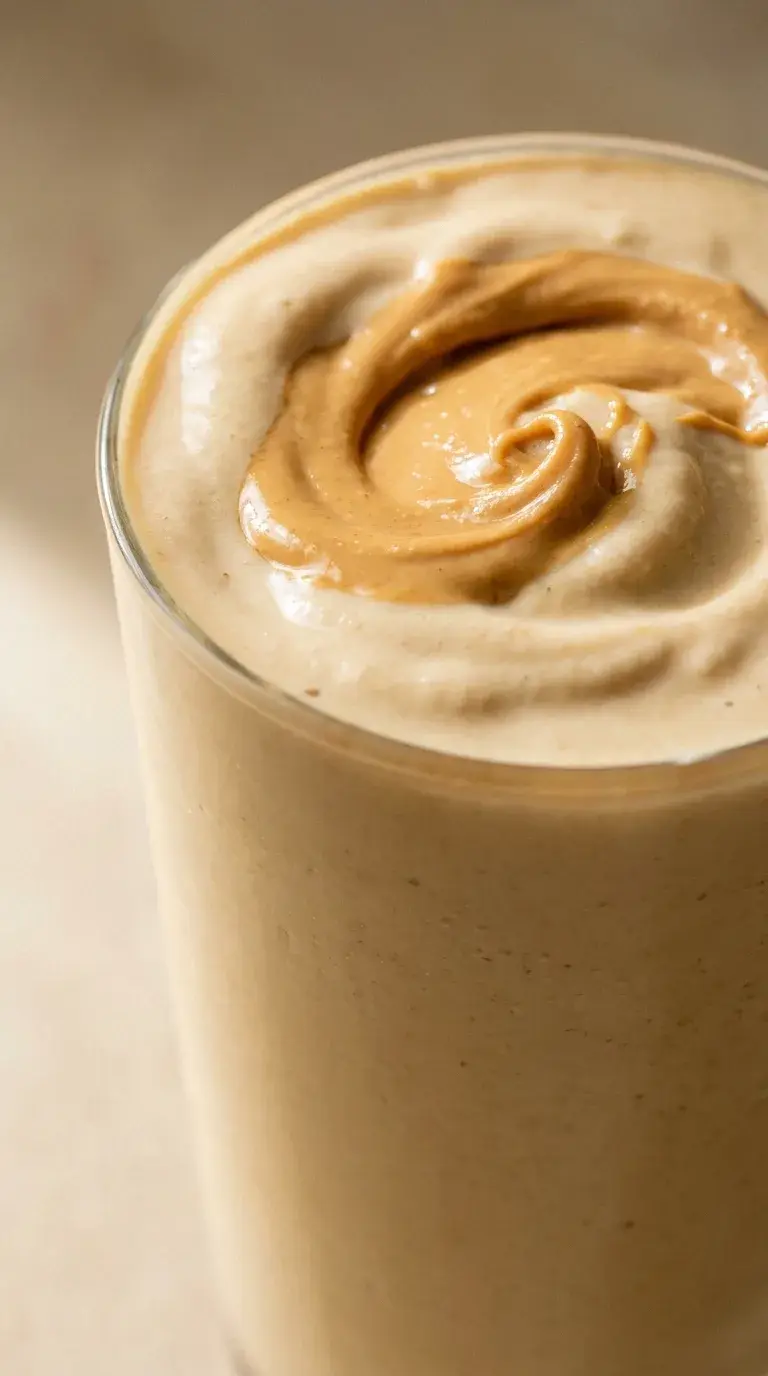
This American-style drink is a velvety, protein-packed shake. When made correctly, it has a thick, chilled consistency and a balanced savoury and sweet profile. It provides 30 g of protein per serving to support muscle recovery and satiety.
Use a medium banana that has been sliced and frozen to 120 g. The frozen fruit acts as a thickening agent and lowers the temperature without diluting the flavour. Blend on high speed for 20–30 seconds to ensure the whey protein and smooth peanut butter are fully emulsified.
Peanut Butter Protein Smoothie: Creamy High Protein Shake
Recipe cardIngredients
Watch how it's made
Instructions
-
Prepare the base
Place the frozen banana slices in the blender cup. Using frozen fruit ensures the drink is cold and thick without needing excessive ice.
-
Add the liquid
Pour the plain dairy milk or oat milk over the banana. Fill all the way to the top of the blender to avoid splashes during the process.
-
Incorporate the protein
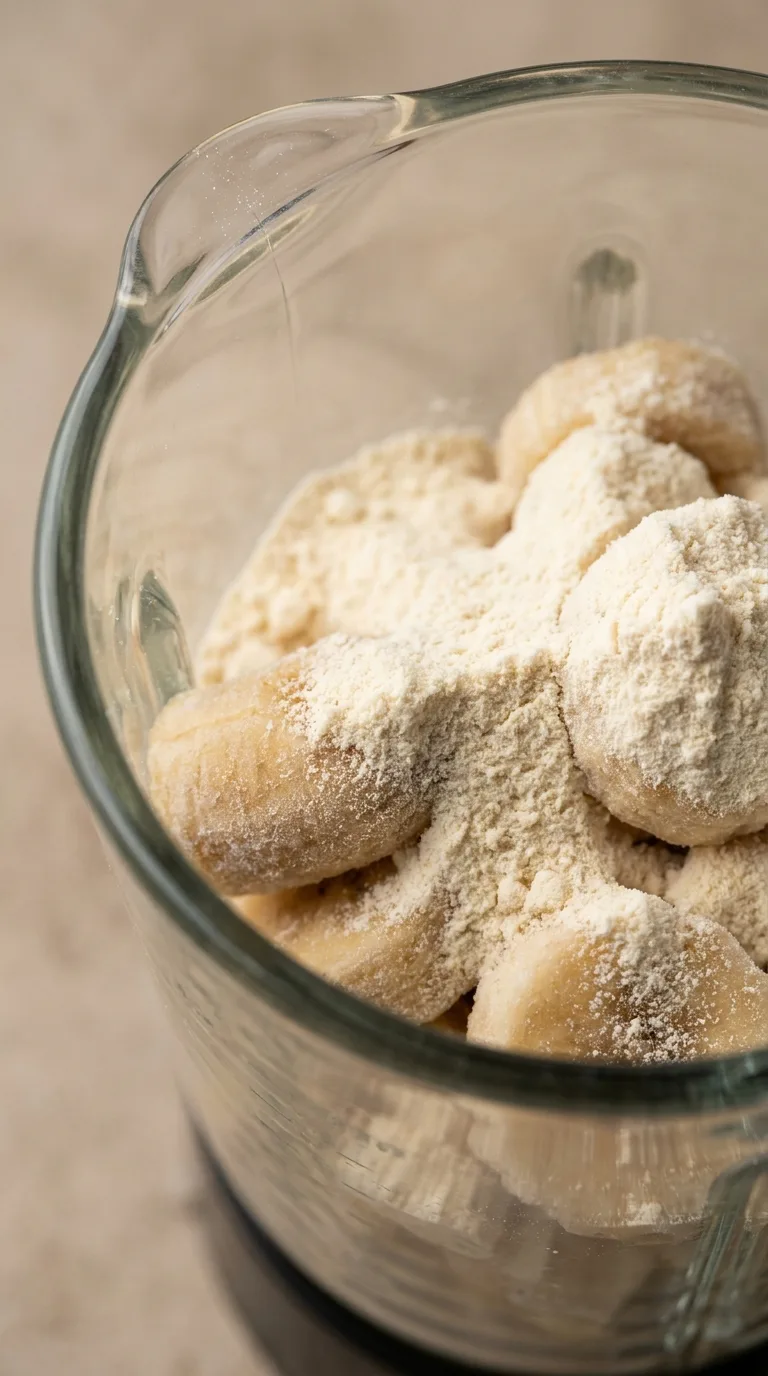
Spoon in the vanilla whey protein powder. Ensure the powder is evenly distributed so you avoid clumps of dry protein in the final drink.
-
Combine final ingredients
Add the smooth peanut butter and ice cubes to the blend. These ingredients provide the creamy texture and chilled temperature.
-
Blend the mixture
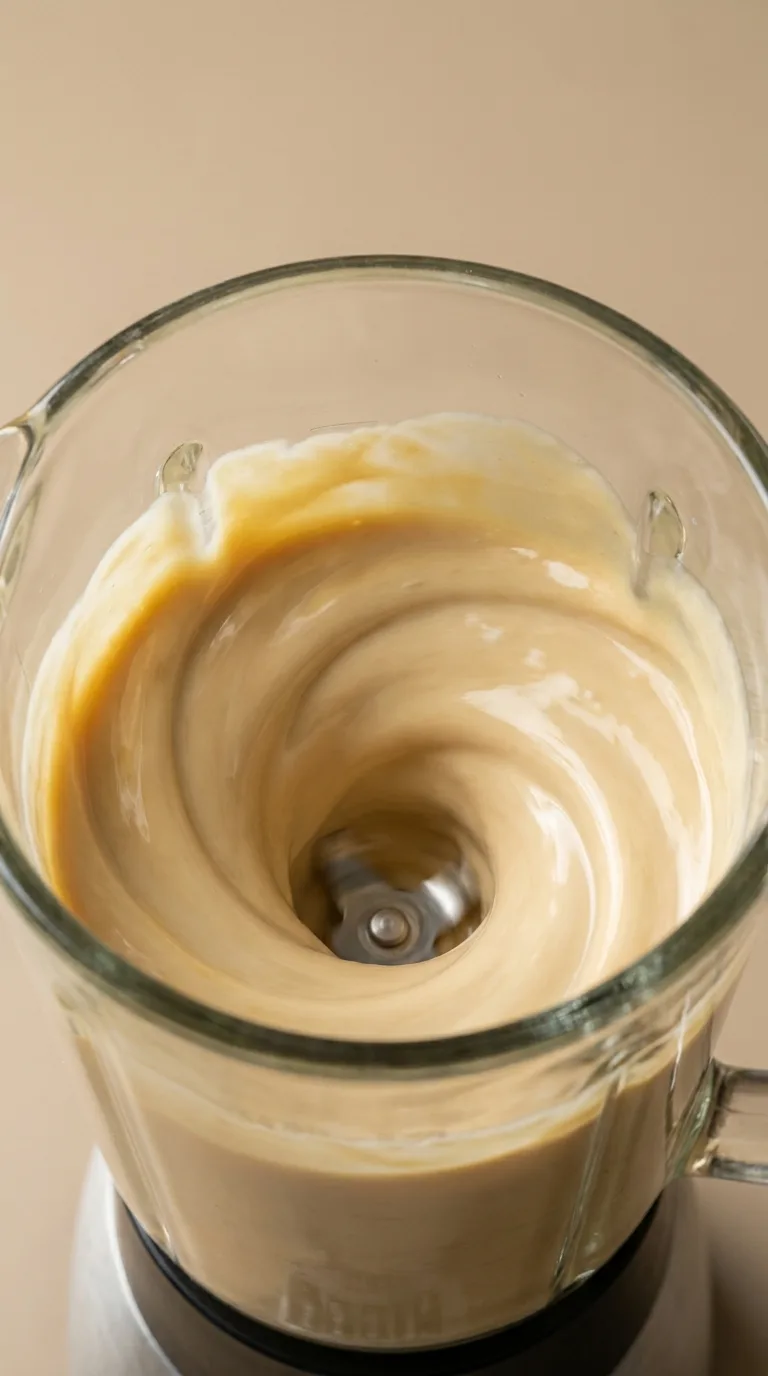
Secure the lid and blend on high speed for 20–30 seconds. Stop once the mixture is silky and smooth to avoid over-processing.
-
Adjust the consistency
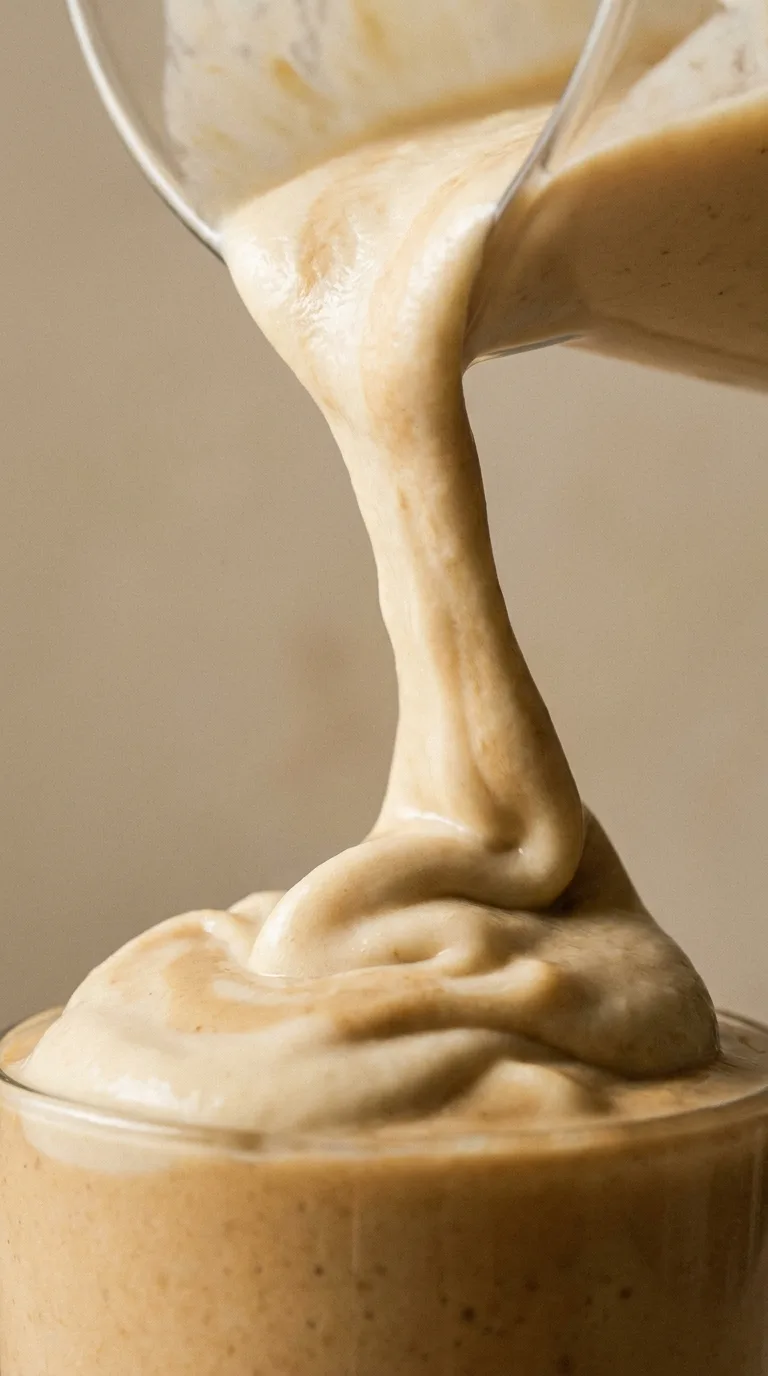
Check the thickness of the liquid. Add a tablespoon of milk if it is too thick, or an extra ice cube if it is too thin, then blend again.
-
Pour and serve
Pour the finished smoothie into a tall glass. Swirl the remaining peanut butter on top for a decorative finish and serve immediately.
Monitor the consistency during the final blend. If the smoothie appears grainy, you have not blended long enough to incorporate the protein powder. Add a small amount of milk and blend for another ten seconds to ensure the texture is completely smooth.
What goes wrong and why
Your smoothie may turn out too thin if the banana is not fully frozen. Fresh fruit adds liquid rather than structure. Spot this by watching the vortex in the blender; if it swirls too fast without resistance, add an extra ice cube to restore the creamy consistency.
What to serve with it
Pour the shake into a bowl and top with sliced banana and chia seeds for a breakfast style meal. You may also serve it with a side of sliced almonds. This adds a necessary crunch to contrast the velvety texture of the peanut butter and whey protein.
Storing and reheating
Store the smoothie in a sealed container at room temperature for up to 2 hours. For longer storage, use a freezer-proof container. Thaw the mixture in the fridge overnight and shake well before drinking to reintegrate the fats and proteins that separate during the freezing process.
Nutrition per serving
- Calories
- 350
- Protein
- 30.0 g
- Carbs
- 35.0 g
- Fat
- 16.0 g
- Fiber
- 6.0 g
- Sugar
- 22.0 g
Estimated, and offered as a guide rather than a medical figure.
Made it? Rate it.
Questions people ask
Is peanut butter good for protein smoothies?
Yes. Peanut butter provides healthy fats and additional protein. This creates a more satiating drink and adds a rich, savoury depth that balances the sweetness of the vanilla whey and the ripeness of the frozen banana.
Can you make a protein smoothie with peanut butter?
Yes. Combining peanut butter with a protein base like whey or pea protein creates a balanced shake. Use a high-speed blender to ensure the nut butter emulsifies completely into the milk and frozen fruit.
Will I lose weight if I only drink 3 protein shakes a day?
No. Weight loss depends on your total daily caloric intake versus expenditure. Relying solely on shakes removes essential micronutrients and whole foods from your diet, which can slow your metabolism over time.

About the author
Mary C. Rivero
Mary C. Rivero specializes in comforting home‑cooked meals, from hearty pastas and sheet‑pan dinners to quick weeknight snacks. Her recipes feature clear, step‑by‑step directions and practical tips, helping readers create flavorful dishes with confidence and ease.