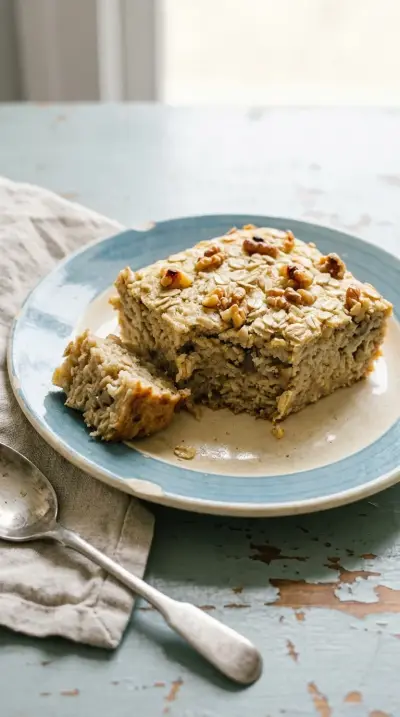
Protein Muffins with Cottage Cheese: Oat Flour Breakfast Bakes
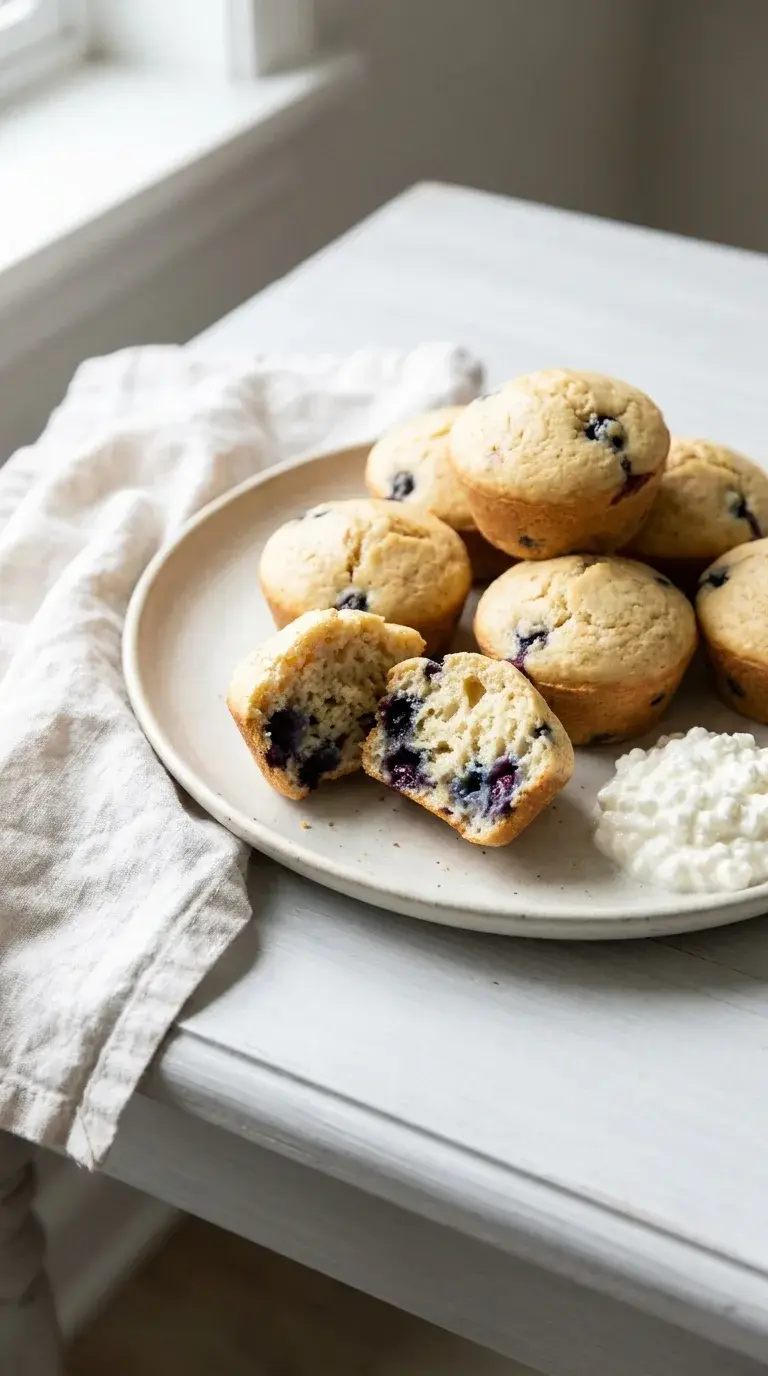
Select a blender or food processor to ensure the base for these protein muffins with cottage cheese is completely smooth. You must blend the cottage cheese with eggs and coconut oil before adding dry ingredients to avoid a curdled texture. Use a silicone muffin tin to ensure the cakes pop out easily without needing extra grease.
These muffins combine the moisture of cottage cheese with the fibre of oat flour and the sweetness of maple syrup. Bake them at 180°C (350°F) until the tops are golden brown and the centre is clean. Stir the batter only until combined to prevent the oats from making the muffins tough. The result is a springy, savoury-sweet breakfast that stays fresh in the refrigerator for 5 days.
Protein Muffins with Cottage Cheese: Oat Flour Breakfast Bakes
Recipe cardIngredients
Watch how it's made
Instructions
-
Prepare the oven
Preheat your oven to 180°C (350°F). Line a muffin tin with silicone or paper liners to prevent the batter from sticking to the metal.
-
Blend the wet ingredients
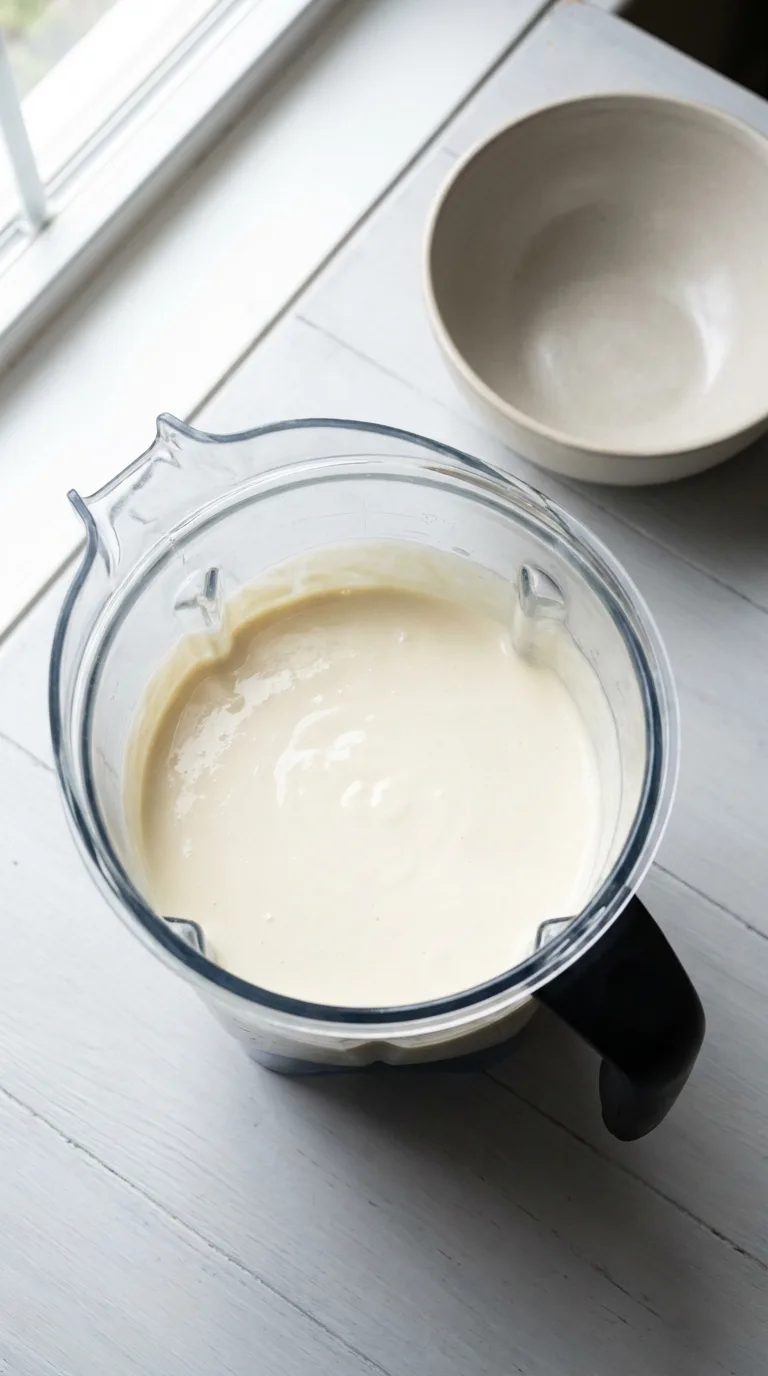
Combine the cottage cheese, eggs, maple syrup, vanilla extract and melted coconut oil in a blender or food processor. Blend until the mixture is smooth to ensure the cottage cheese curds are fully incorporated.
-
Whisk the dry ingredients
Use a separate bowl to whisk together the oat flour, baking powder, salt and ground cinnamon. This ensures the leavening agent is evenly distributed before it hits the wet batter.
-
Combine the batter
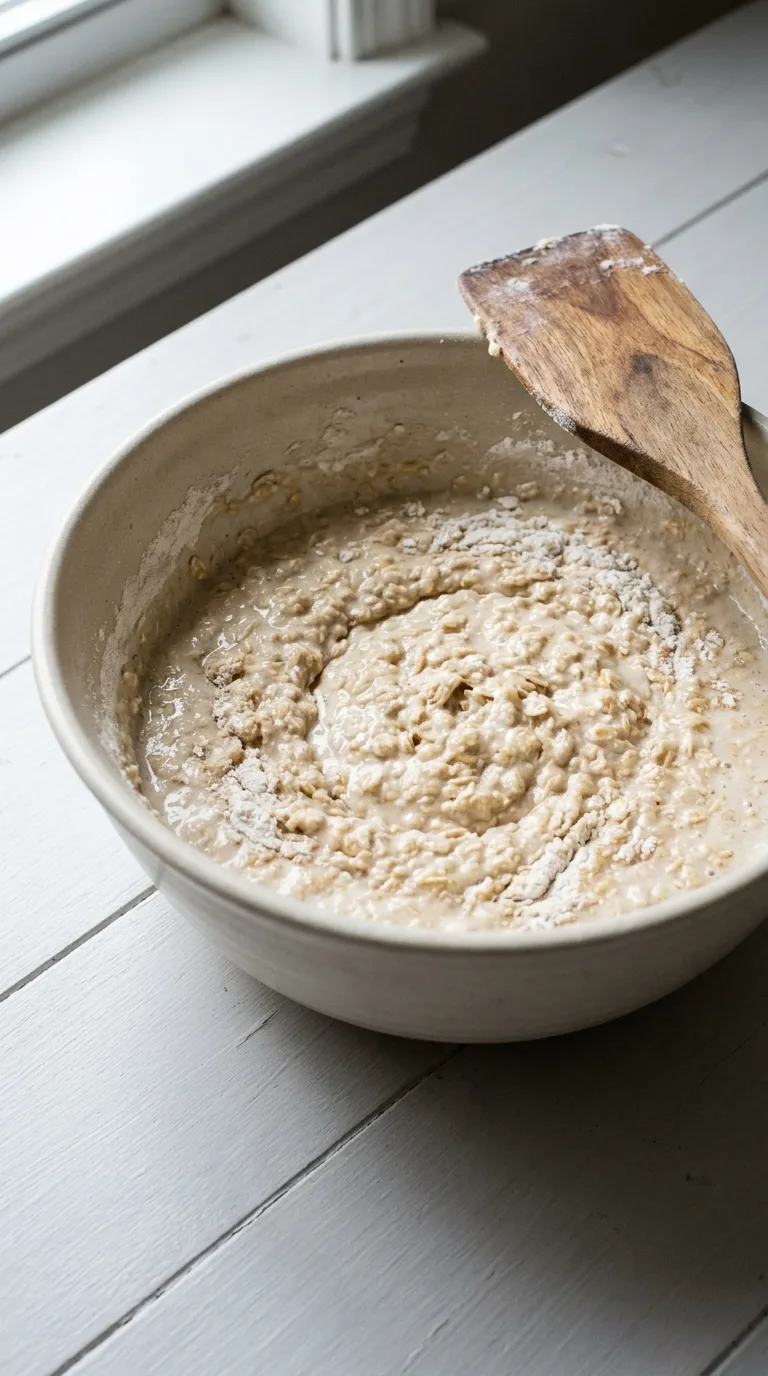
Pour the dry ingredients into the wet mixture. Stir gently with a spatula until just combined; the batter should remain slightly lumpy to avoid over-working the oats.
-
Fold in blueberries
Gently fold in the blueberries. Distribute them evenly so every muffin contains fruit without bruising the berries.
-
Fill and bake
Fill each muffin cup three‑quarters full. Bake for 20–25 minutes at 180°C (350°F) until the tops are golden brown and a toothpick inserted into the centre comes out clean.
-
Cool the muffins
Remove the tin from the oven. Let the muffins sit for 5 minutes to set their structure before you transfer them to a wire rack to cool completely.
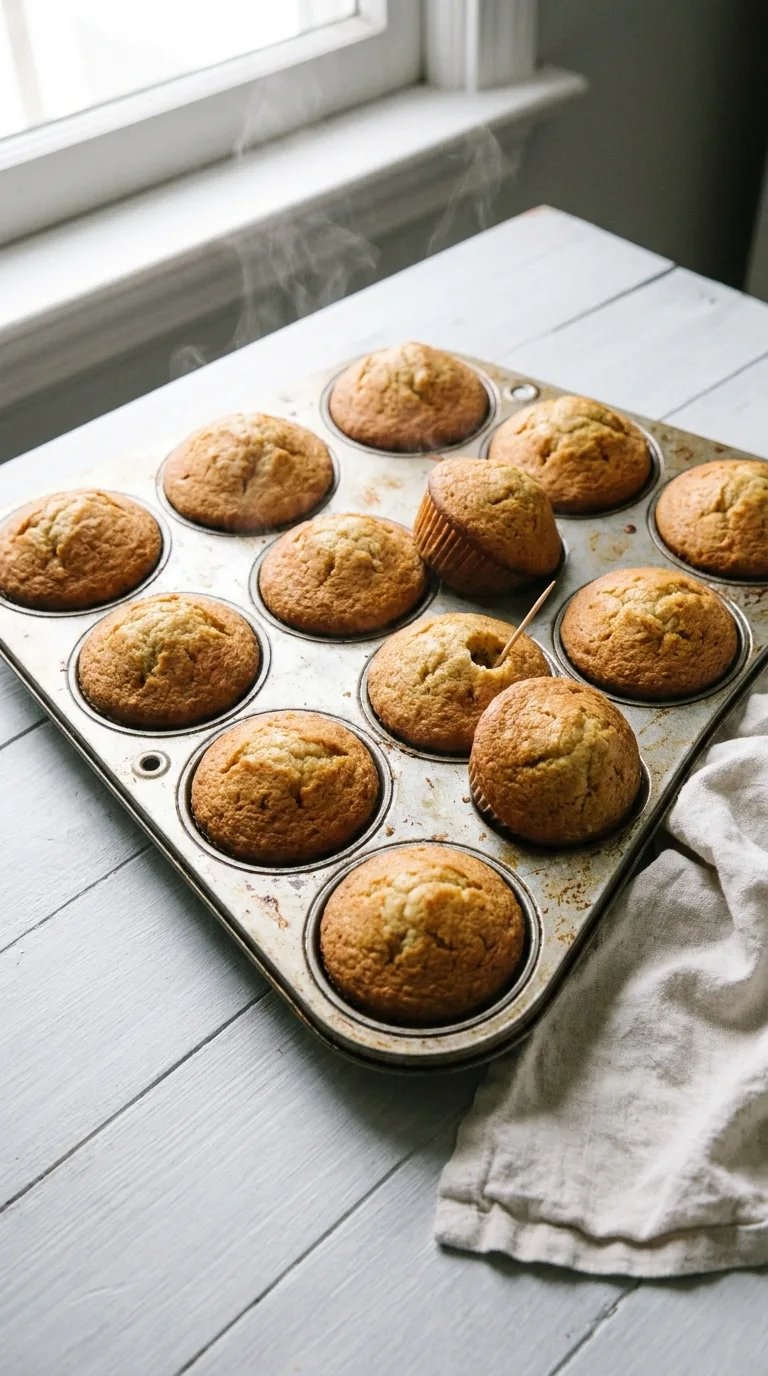
Stir the batter only until the flour disappears. If you over-mix, the oats absorb moisture too quickly and the muffins become tough rather than springy. Stop stirring as soon as the streaks of flour vanish to keep the texture light.
What to serve with it
Pair these muffins with a dollop of Greek yoghurt and chopped walnuts for added crunch. You may also serve them with sliced banana and a drizzle of honey. For a complete breakfast, accompany your meal with an unsweetened almond milk or an oat-based latte to balance the protein content.
Storing and reheating
Store leftovers in an airtight container in the refrigerator for up to 5 days. You can freeze muffins individually in cling film for 2 months. Reheat them in a toaster oven, a microwave, or on a low microwave setting for 20-30 seconds to restore the soft texture.
Nutrition per serving
- Calories
- 185
- Protein
- 11.2 g
- Carbs
- 16.5 g
- Fat
- 7.8 g
- Fiber
- 2.1 g
- Sugar
- 6.4 g
Estimated, and offered as a guide rather than a medical figure.
Made it? Rate it.
Questions people ask
How do I make 3-ingredient cottage cheese muffins?
This recipe uses more than three ingredients to ensure a better rise and flavour. You need a blender to smooth the cottage cheese and oat flour to provide the structure that a simpler three-ingredient version often lacks.
What are the ingredients in a 4-ingredient healthier cottage cheese muffin recipe?
A basic version typically uses cottage cheese, eggs, flour, and a sweetener. This version adds vanilla, cinnamon, and coconut oil to improve the savoury depth and ensure the muffins stay moist after baking.
What does cottage cheese replace in baking muffins?
Cottage cheese replaces some of the butter or oil and sour cream. It provides moisture and a significant protein boost while keeping the crumb tender without requiring excessive amounts of fat.
Can you make 3 ingredient protein muffins?
Yes, but they often lack the fluffy texture of this recipe. Including baking powder and a small amount of fat, like coconut oil, prevents the muffins from becoming too dense or rubbery.

About the author
Mary C. Rivero
Mary C. Rivero specializes in comforting home‑cooked meals, from hearty pastas and sheet‑pan dinners to quick weeknight snacks. Her recipes feature clear, step‑by‑step directions and practical tips, helping readers create flavorful dishes with confidence and ease.