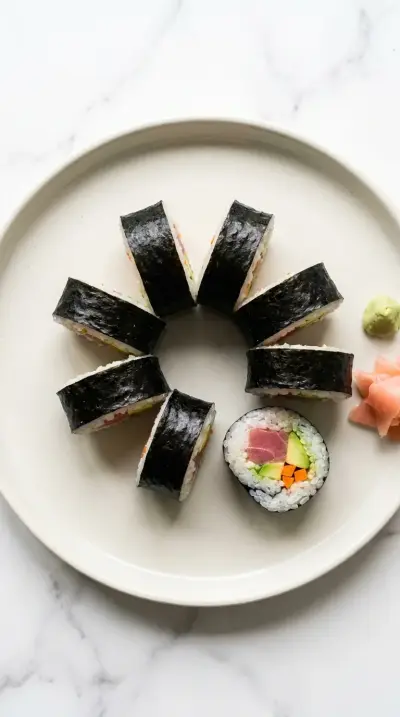
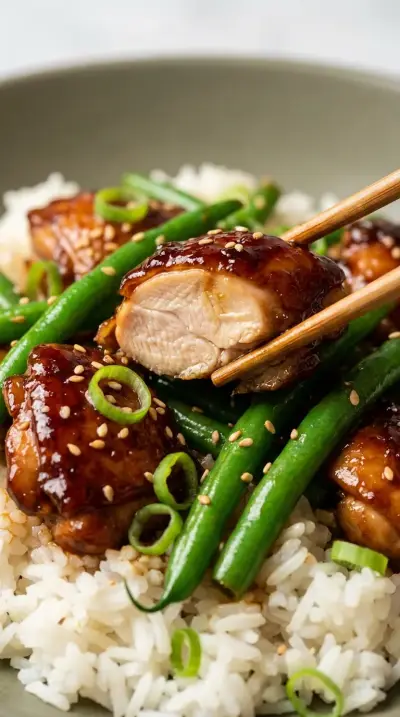
Protein Sushi Bowl: Tuna and Citrus Mayo Rice Bowl
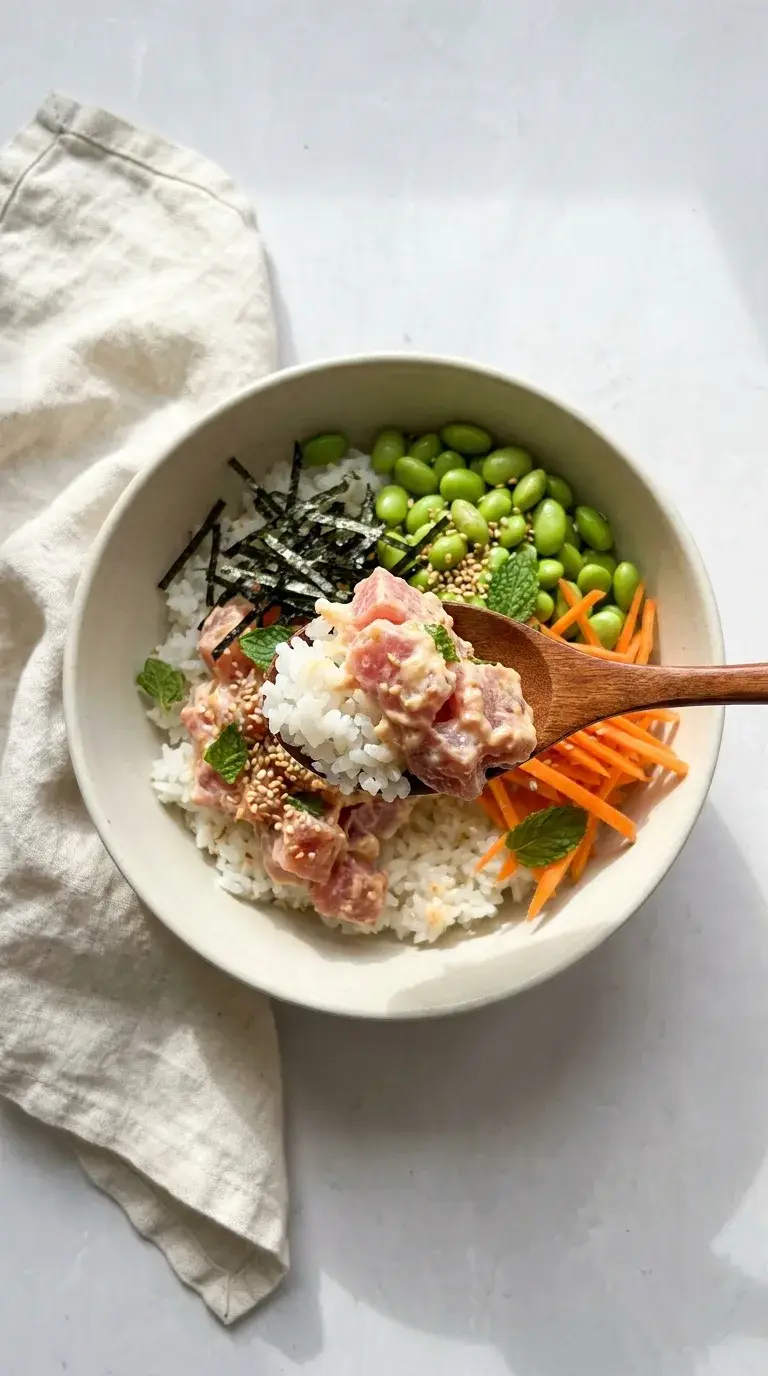
Decide whether to use a rice cooker or a medium saucepan for your base. Both methods work, provided you rinse the short-grain sushi rice under cold water until the water runs clear to remove excess starch. This ensures your protein sushi bowl has distinct grains rather than a gummy texture. Use a timer to avoid under-cooking the grains or making them mushy.
This dish combines 180g (1 cup) of sushi rice seasoned with rice vinegar, sugar, and salt with 140g (≈5 oz) of drained tuna. You top the bowl with julienned cucumber, edamame, and shredded nori for a crunch that contrasts with the creamy citrus mayo. The result is a vibrant, savoury meal that stays fresh and light.
Protein Sushi Bowl: Tuna and Citrus Mayo Rice Bowl
Recipe cardIngredients
Watch how it's made
Instructions
-
Cook the rice
Rinse the sushi rice under cold water until the water runs clear to remove excess starch. Combine the rice with 1 1/4 cups of water in a saucepan and bring to a gentle boil. Reduce heat to low, cover, and simmer for 18 minutes.
-
Steam and rest
Remove the saucepan from the heat. Let the rice sit, covered, for 10 minutes. This resting period ensures a uniform texture throughout the grains.
-
Season the rice
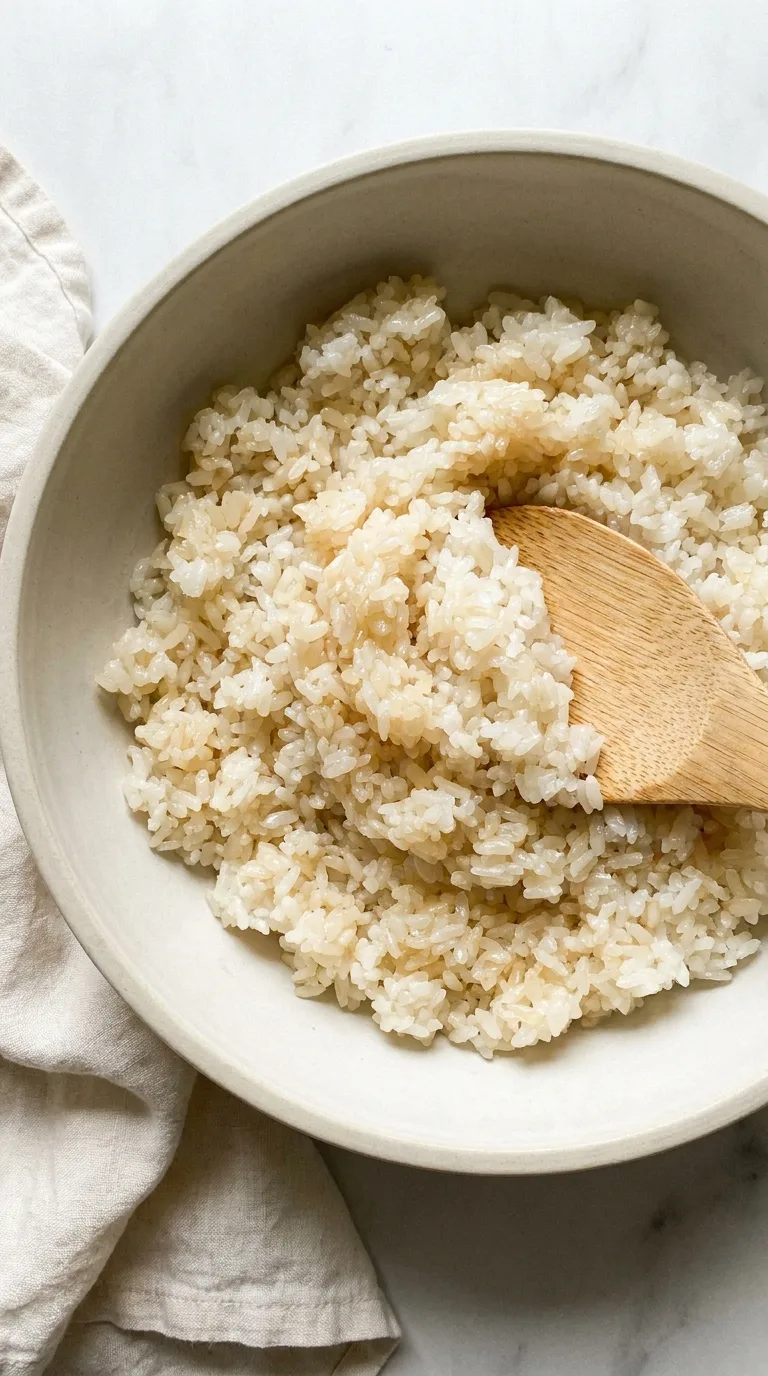
Transfer the steamed rice to a wide bowl and gently fold in the rice vinegar, sugar, and salt. Use a wooden spoon or rice paddle to fan the rice as you mix. This cooling process adds a professional shine to the grains.
-
Whisk the sauce
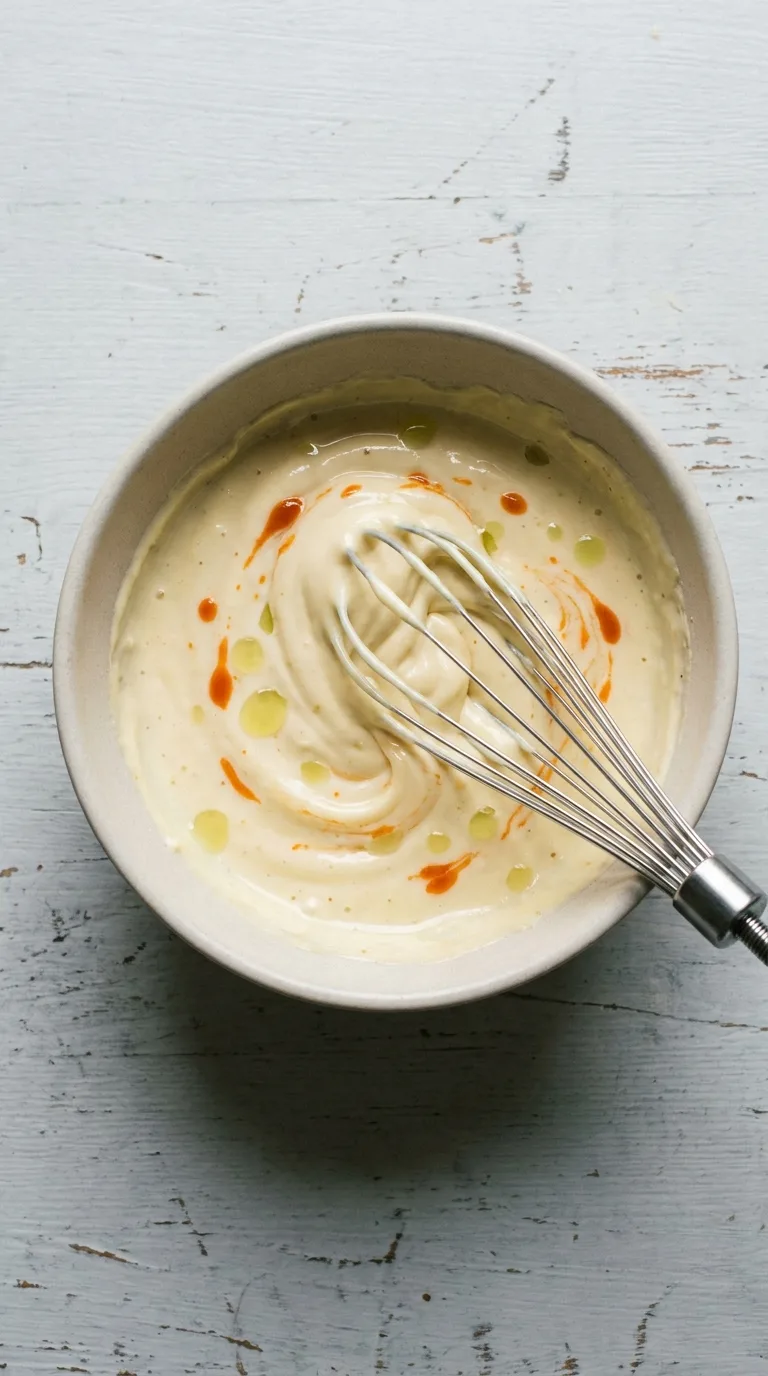
In a separate bowl, whisk together the halal mayonnaise, Dijon mustard, lime juice, honey, and optional Sriracha. Taste the mixture now. Adjust with more honey for sweetness or lime for brightness.
-
Prepare the bowls
Divide the cooled rice into 4 bowls. Use a spoon to make a shallow well in the centre of each bowl. This well holds the fillings and prevents them from sliding off the rice.
-
Fill the well
Scoop the drained tuna into the well of each bowl using a fork or rice paddle. Top the tuna with a portion of the citrus mayo sauce.
-
Add fresh toppings
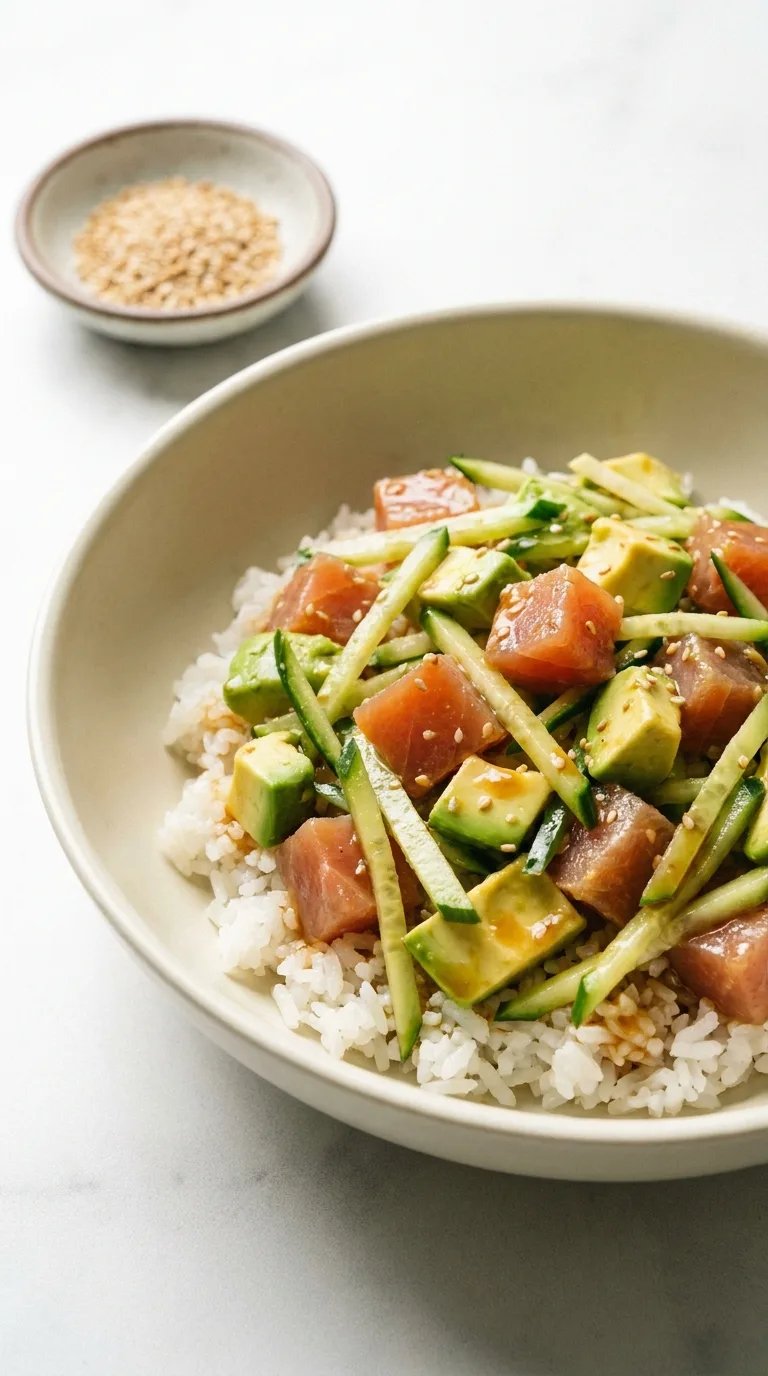
Place julienned cucumber, diced avocado, shelled edamame, shredded nori, sesame seeds, cilantro, scallions, and mint on top. These raw vegetables provide a necessary crunch to contrast the soft rice and tuna.
-
Mix and serve
Gently mix the contents of the bowl. Distribute the sauce and vegetables evenly while keeping some rice layers visible for aesthetic appeal.
Use a timer for the rice. Under-cooking leaves the grains hard, while over-cooking results in mushy rice. If the rice feels too wet, extend the resting time slightly to allow the remaining steam to absorb into the grains for a sticky texture.
What to serve with it
Pair this bowl with a light miso soup to create a complete meal. You may also serve a side of chilled cucumber dill salad to increase hydration. For extra flavour, provide a small cup of low-sodium soy sauce or tamari for dipping the tuna and vegetables.
Storing and reheating
Refrigerate leftovers in an airtight container for up to 2 days. Do not freeze this dish because the mayonnaise will separate. Avoid microwaving or reheating the tuna, as this process makes the fish dry. Keep the tuna chilled until the moment of serving to maintain a silky texture.
Nutrition per serving
- Calories
- 345
- Protein
- 18.4 g
- Carbs
- 32.1 g
- Fat
- 14.2 g
- Fiber
- 4.8 g
- Sugar
- 6.5 g
Estimated, and offered as a guide rather than a medical figure.
Made it? Rate it.
Questions people ask
What protein can I put in sushi?
Use tuna, salmon, or cooked shrimp for animal proteins. You can also use pan-seared tofu cubes coated in turmeric and sesame oil for a vegan option to provide a similar protein punch and satisfying texture.
Which sushi is the highest in protein?
Bowls using tuna or tofu are typically the highest in protein. Combining lean fish with edamame increases the protein content further, making it a more filling and nutritious choice for lunch.
What is the healthiest protein bowl?
A bowl using riced cauliflower instead of white rice is the healthiest option. This substitute lowers the carbohydrates while keeping the lean protein from the tuna and healthy fats from the avocado.
What is a low-calorie sushi bowl recipe?
Replace the sushi rice with cauliflower rice to reduce calories. Use a smaller portion of mayonnaise and focus on filling the bowl with julienned cucumber and edamame to maintain volume without adding excessive calories.

About the author
Mary C. Rivero
Mary C. Rivero specializes in comforting home‑cooked meals, from hearty pastas and sheet‑pan dinners to quick weeknight snacks. Her recipes feature clear, step‑by‑step directions and practical tips, helping readers create flavorful dishes with confidence and ease.