Ribeye Steak: Broiled Beef with a Caramelised Crust
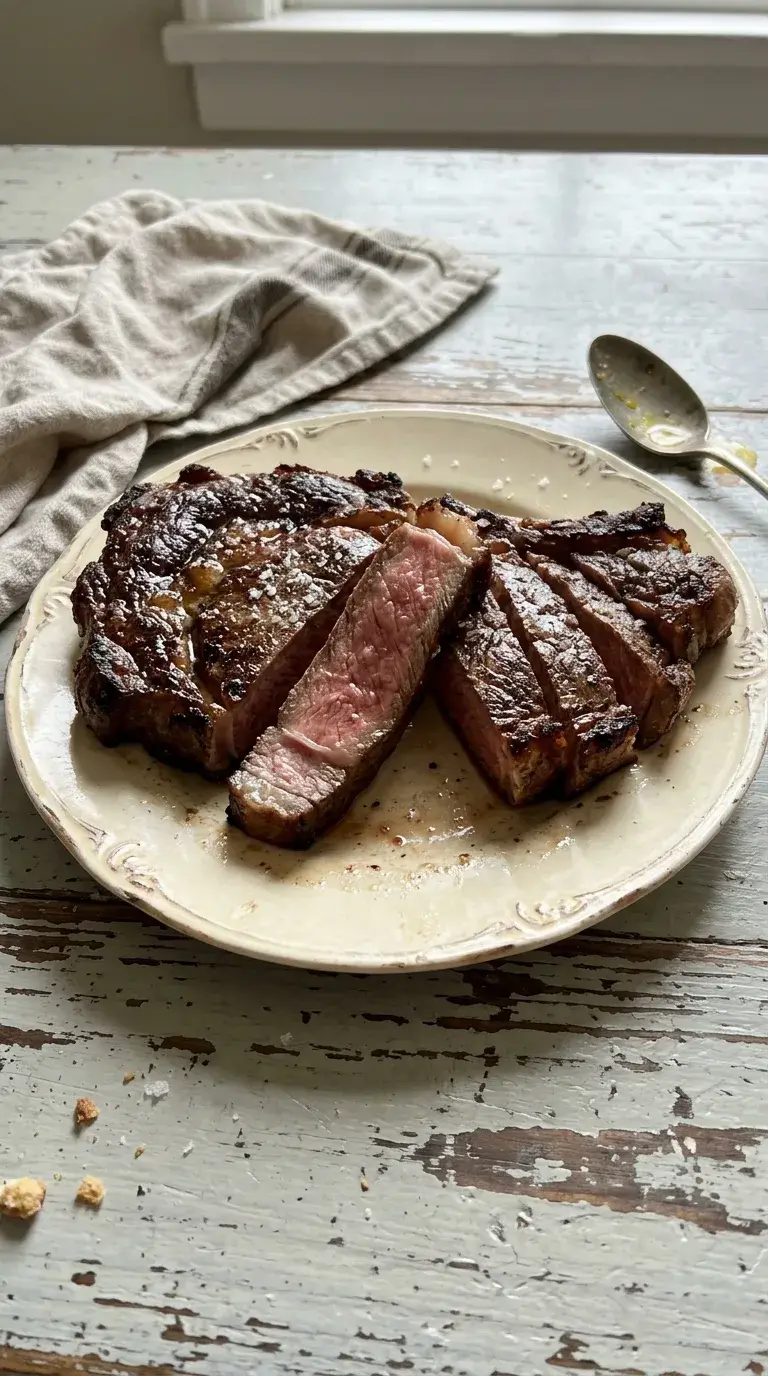
Select a ribeye steak that is 3 cm thick with a prominent fat cap. This fat bastes the meat as it cooks to add depth of flavour. Avoid cuts that are too lean or thin, as they dry out quickly under the intense heat required for a broiled ribeye steak. Ensure the meat is fresh and a deep red colour before you purchase it.
You use the broiler to create a deep golden-brown crust on the outside while maintaining a tender interior. This method relies on high heat and precise timing. You must let the meat rest for 5–10 minutes after cooking so the juices redistribute. This process ensures the steak remains succulent. You can finish the meat with room temperature butter for a subtle richness or a quick glaze of apple juice.
Ribeye Steak: Broiled Beef with a Caramelised Crust
Recipe cardIngredients
Watch how it's made
Instructions
-
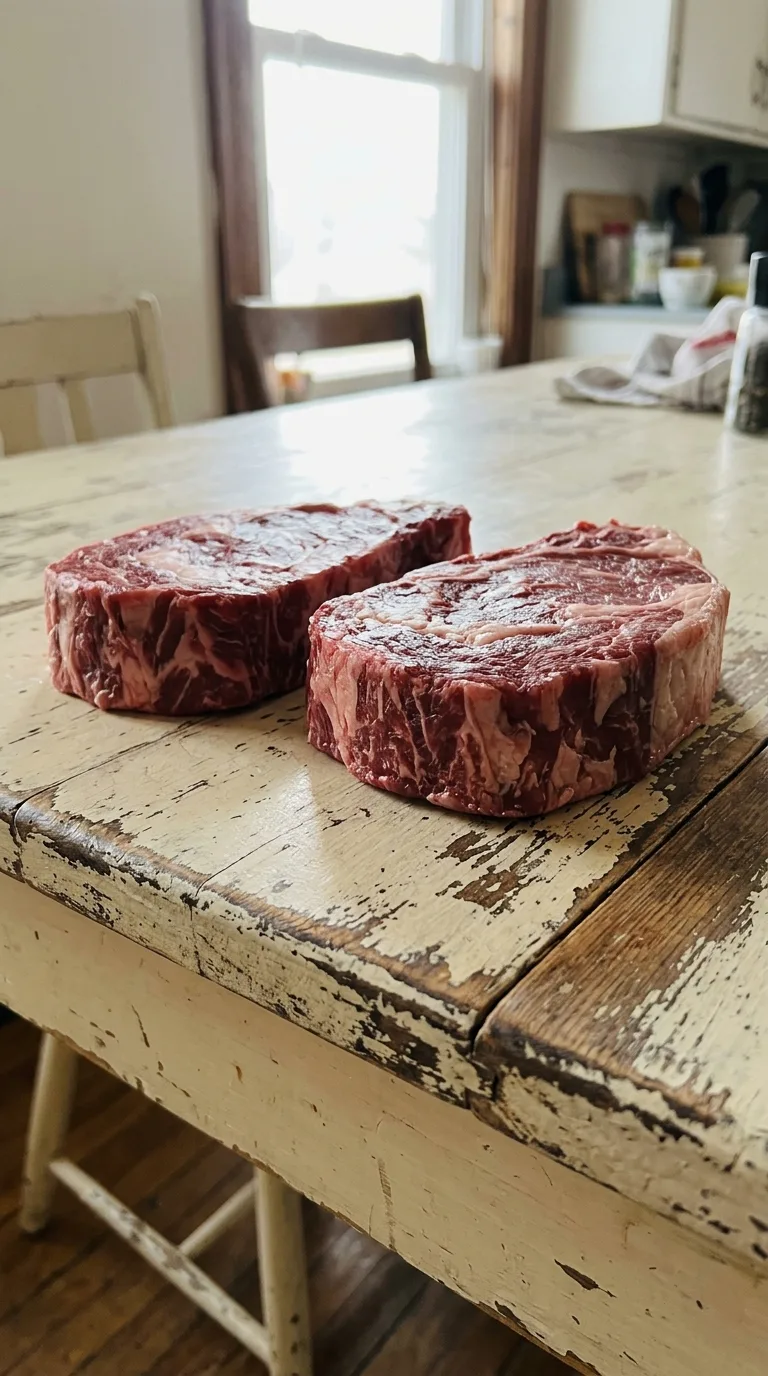
Temper the meat
Leave the steaks at room temperature for 20 minutes. You do this so the meat cooks evenly from edge to centre. Avoid cold centres in your finished steak.
-
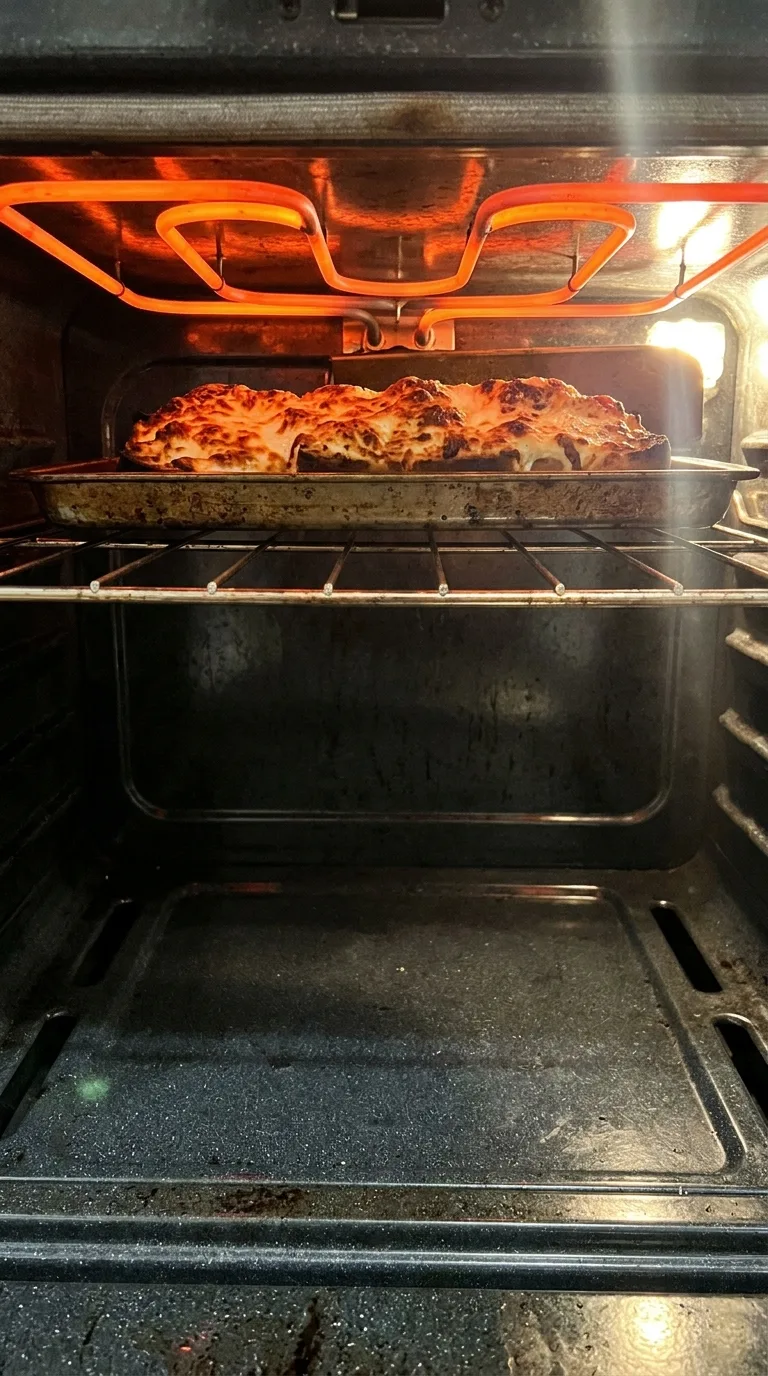
Prepare the oven
Preheat your broiler to high. Position the rack 3–4 cm from the heat source. This proximity ensures the high heat caramelises the surface quickly.
-
Season the steaks
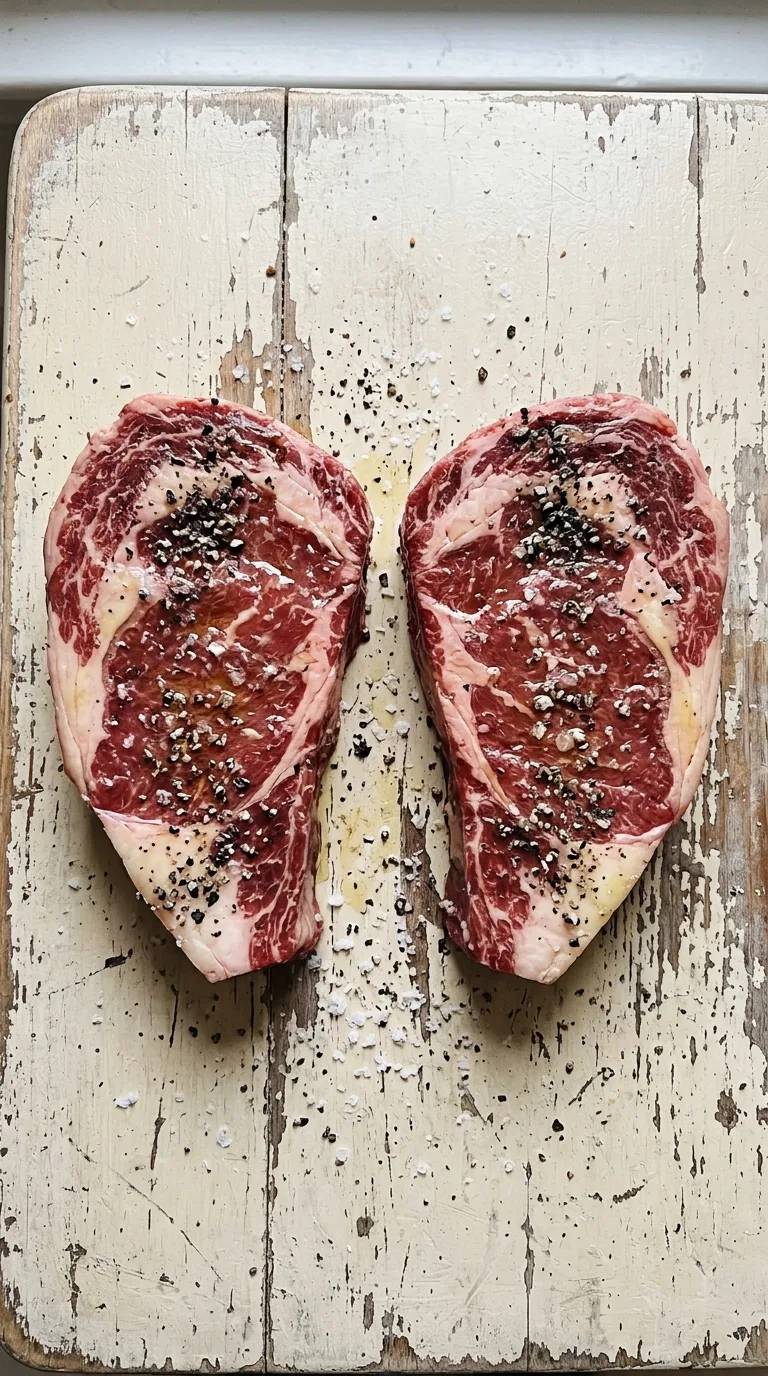
Pat the meat dry with paper towels to remove surface moisture. Brush olive oil over both sides and press sea salt and black pepper into the meat. Dry meat sears better than damp meat.
-
Broil the first side
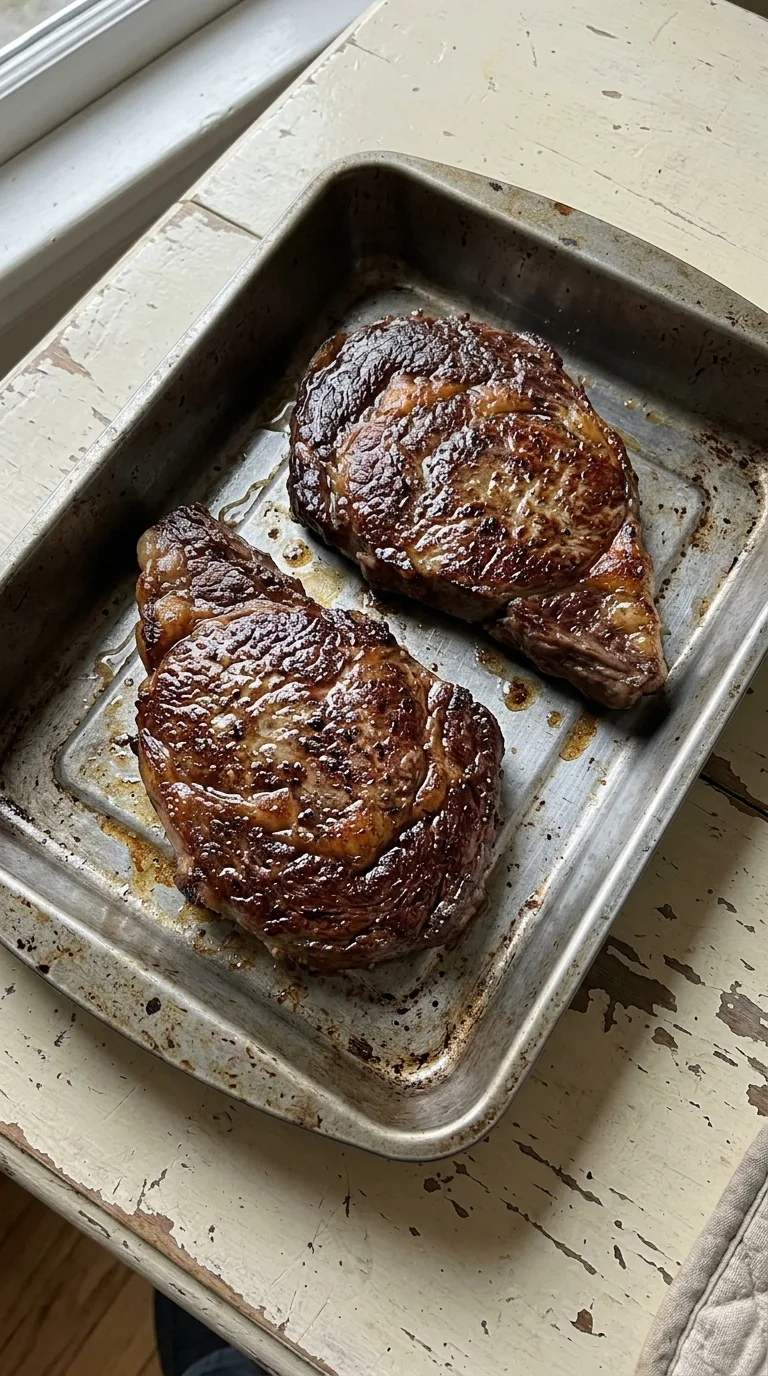
Place steaks on a pre-heated pan with a few centimetres of space between them. Broil for 5–6 minutes. Look for a deep golden-brown crust and an internal temperature of 52°C (125°F) for medium-rare.
-
Sear the second side
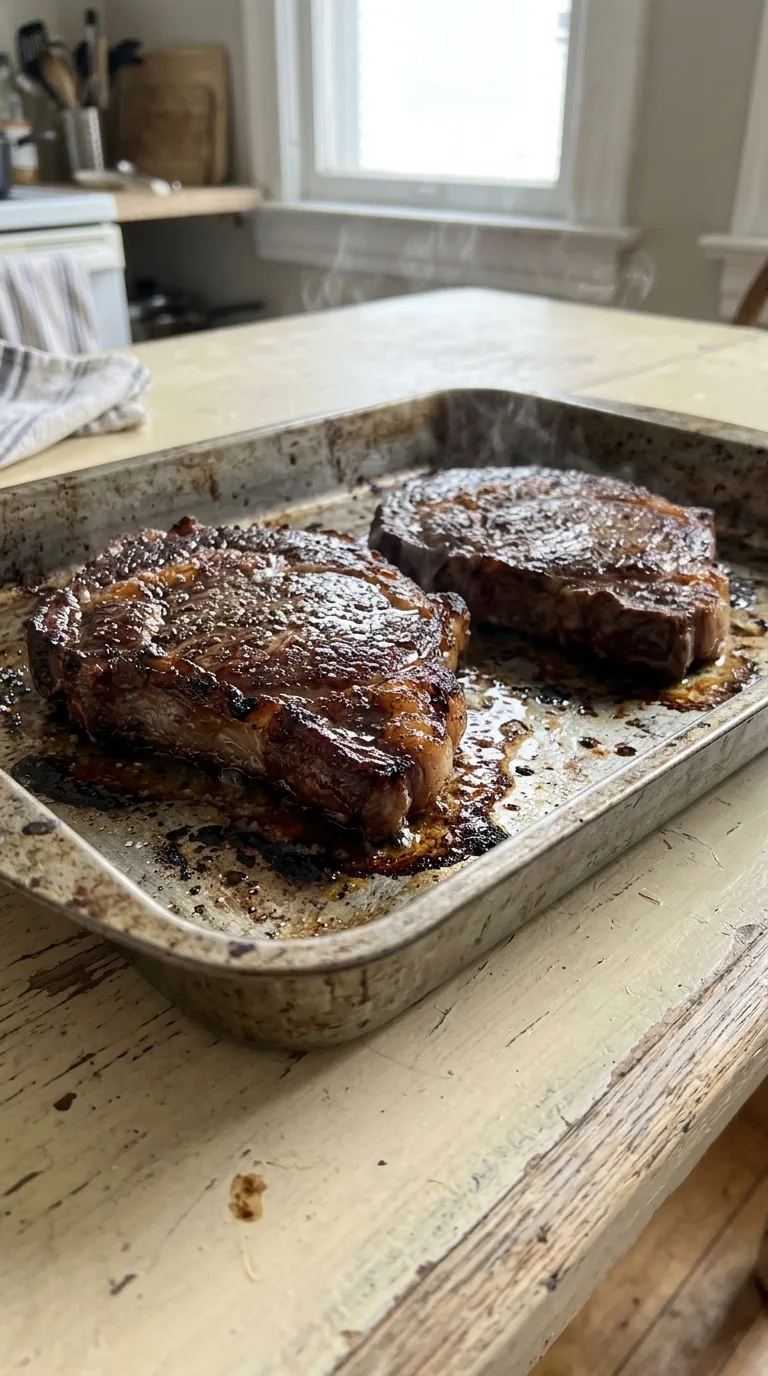
Flip the steaks using tongs. Broil for another 5–6 minutes. Aim for a final internal temperature between 52°C (125°F) and 57°C (135°F) depending on your preference.
-
Rest the meat
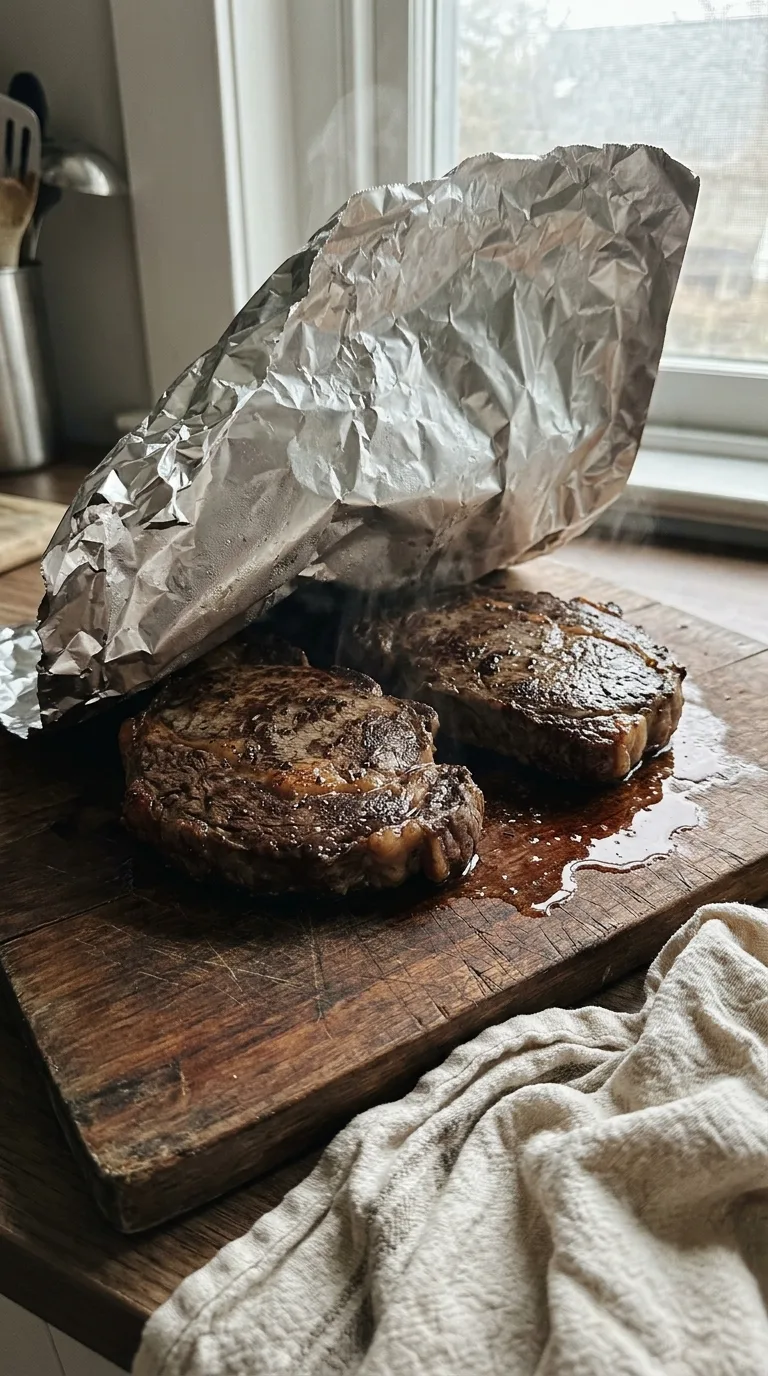
Move the steaks to a cutting board and cover loosely with foil. Let them rest for 5–10 minutes. This allows the juices to redistribute so they do not run out when you slice.
-
Finish and slice
Melt the optional butter and drizzle it over the meat for richness. Slice against the grain using a sharp knife. This cuts the muscle fibres to ensure every bite is tender.
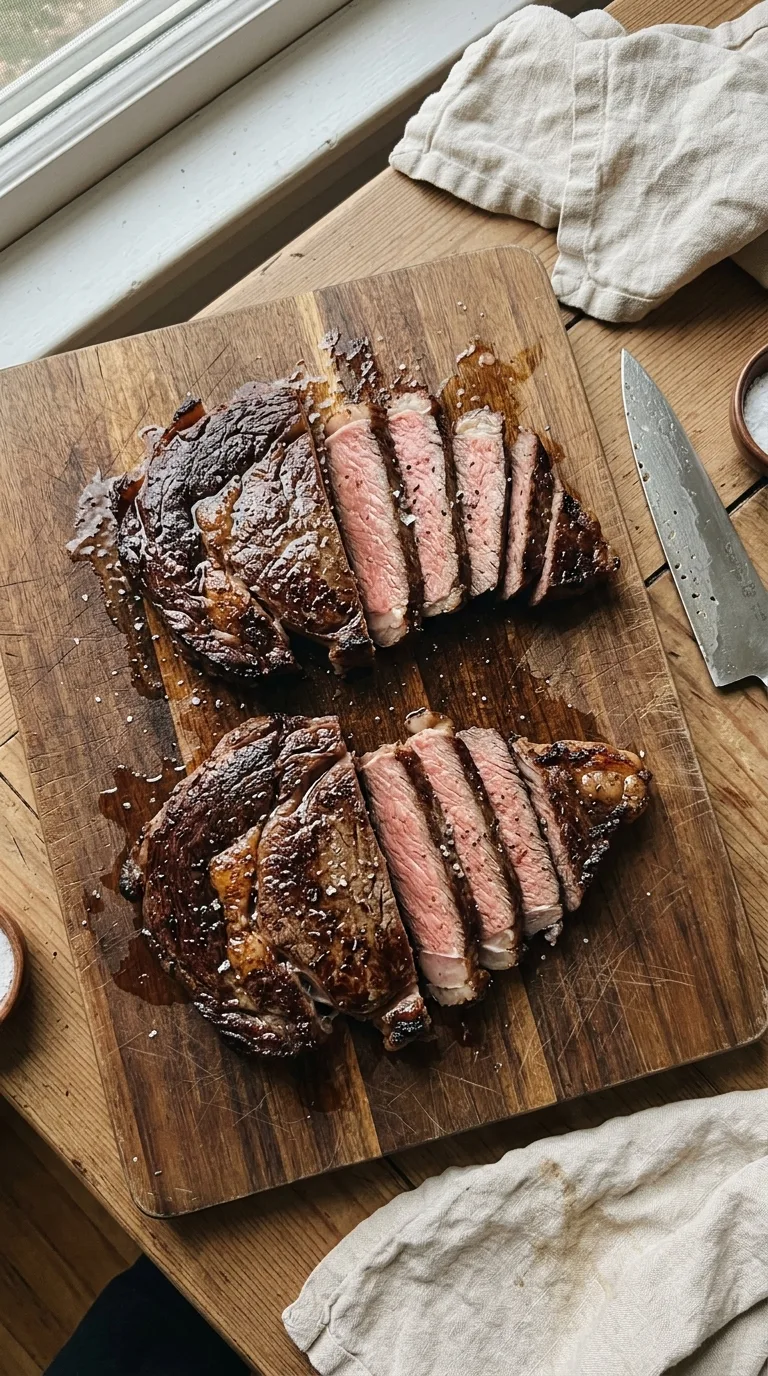
Avoid guessing the doneness by using an instant-read thermometer. If the steak looks browned but the centre is too cold, you have not tempered the meat enough. Keep the oven door slightly ajar to stop smoke from building up and triggering your alarm.
Ribeye steaks
Use sirloin or ribeye for this method. Sirloin is leaner, which means you must monitor the internal temperature more closely to avoid dryness. Do not use thin steaks under 2 cm, as they will overcook before the exterior can caramelise under the high heat of the broiler.
What to serve with it
Place the steak atop creamy mashed potatoes tossed with fresh rosemary and grilled asparagus. You may also pair the meat with a drizzle of peppercorn sauce and roasted cherry tomatoes. For a simpler presentation, slice the steak thinly and serve with flaky sea salt and a lemon wedge.
Storing and reheating
Store leftovers in an airtight container in the fridge for up to 3 days or in freezer bags for up to 3 months. Do not leave cooked steak at room temperature for more than 2 hours. Reheat gently to avoid toughening the meat and losing the internal juices.
Nutrition per serving
- Calories
- 780
- Protein
- 58.2 g
- Carbs
- 1.2 g
- Fat
- 62.5 g
- Fiber
- 0.0 g
- Sugar
- 0.5 g
Estimated, and offered as a guide rather than a medical figure.
Made it? Rate it.
Questions people ask
Is it good to broil a ribeye steak?
Yes. Broiling provides intense, direct heat from above, which creates a deep caramelised crust quickly while keeping the centre tender and juicy. It mimics the effect of a professional grill without needing outdoor equipment.
How long should I broil a ribeye steak?
Broil each side for 5 to 6 minutes. This timing ensures a golden-brown exterior and an internal temperature of 52°C (125°F) for medium-rare, though you should always verify the doneness with a meat thermometer.
Is it better to grill or broil a steak?
Both methods work well. Grilling provides more smoke and char from the bottom, but broiling is more convenient for home cooks and delivers a similarly high-heat sear that locks in the savoury flavours of the ribeye.

About the author
Mary C. Rivero
Mary C. Rivero specializes in comforting home‑cooked meals, from hearty pastas and sheet‑pan dinners to quick weeknight snacks. Her recipes feature clear, step‑by‑step directions and practical tips, helping readers create flavorful dishes with confidence and ease.