Yakitori: Chicken Breast Skewers
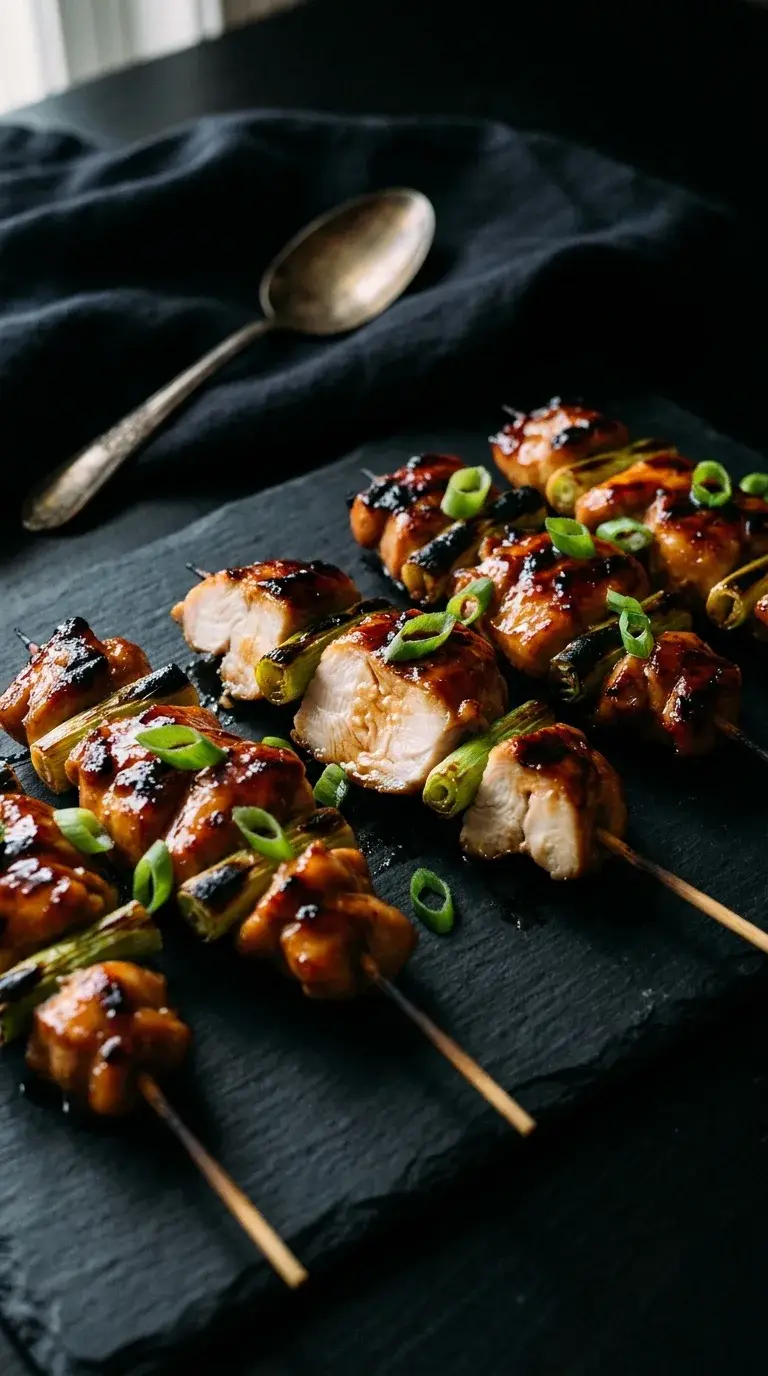
Chicken breast yakitori relies on a steady high heat of 200°C (400°F) to lock in juices and create a caramelised surface. Use this temperature to ensure the meat does not over-cook while the glaze thickens. Soak your bamboo skewers in warm water for 30 minutes before grilling to prevent them from burning. Let the finished skewers rest for 2 minutes so the juices redistribute and the glaze sets firmly on the meat.
Yakitori: Chicken Breast Skewers
Recipe cardIngredients
Watch how it's made
Instructions
-
Prepare the skewers
Soak bamboo skewers in warm water for 30 minutes. You must do this to prevent the wood from burning on the grill.
-
Simmer the glaze
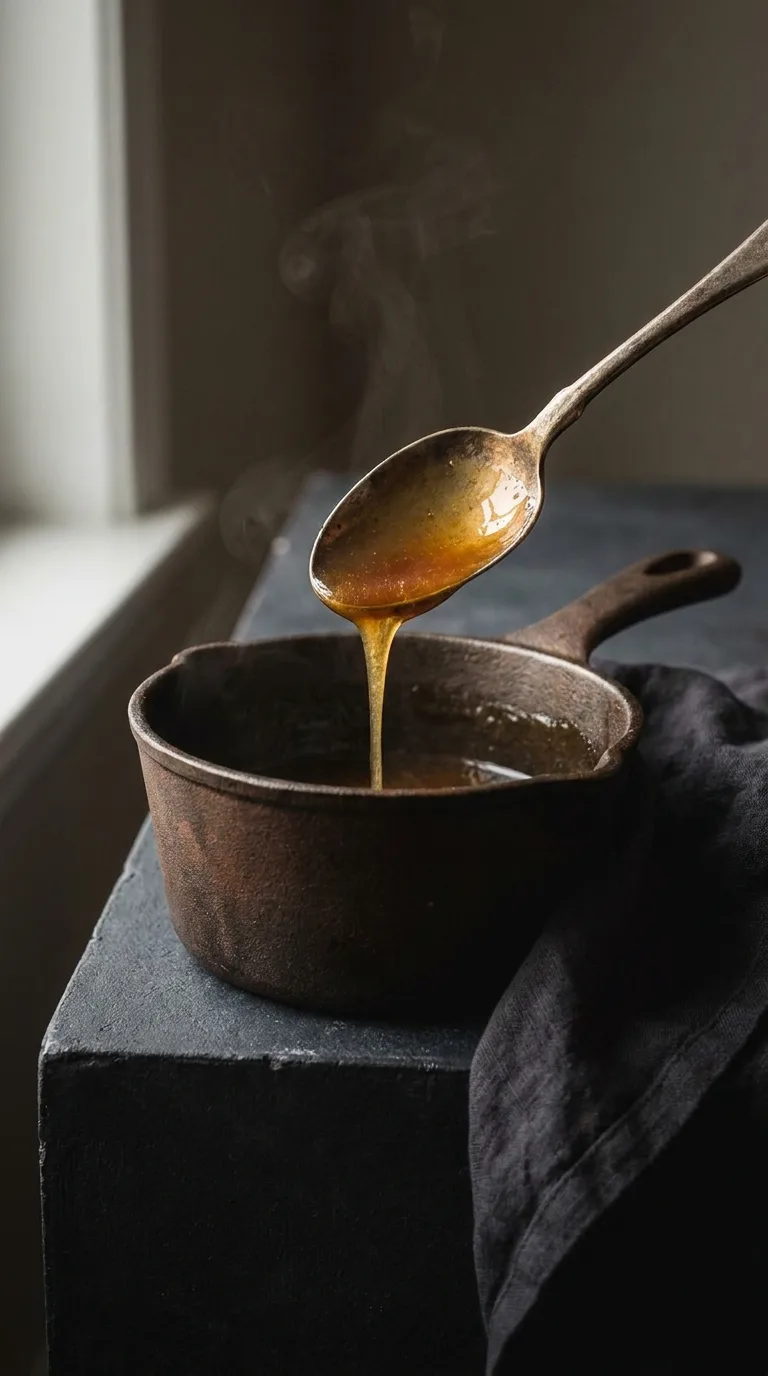
Combine soy sauce, apple juice, brown sugar, ginger, garlic, sesame oil and water in a small saucepan. Warm the mixture gently and stir until the sugar has dissolved. Remove from heat to cool slightly.
-
Marinate the chicken
Place chicken cubes in a medium bowl and pour over half of the glaze. Let the meat marinate for 15 minutes to absorb the flavours. Reserve the remaining glaze for basting.
-
Assemble the skewers
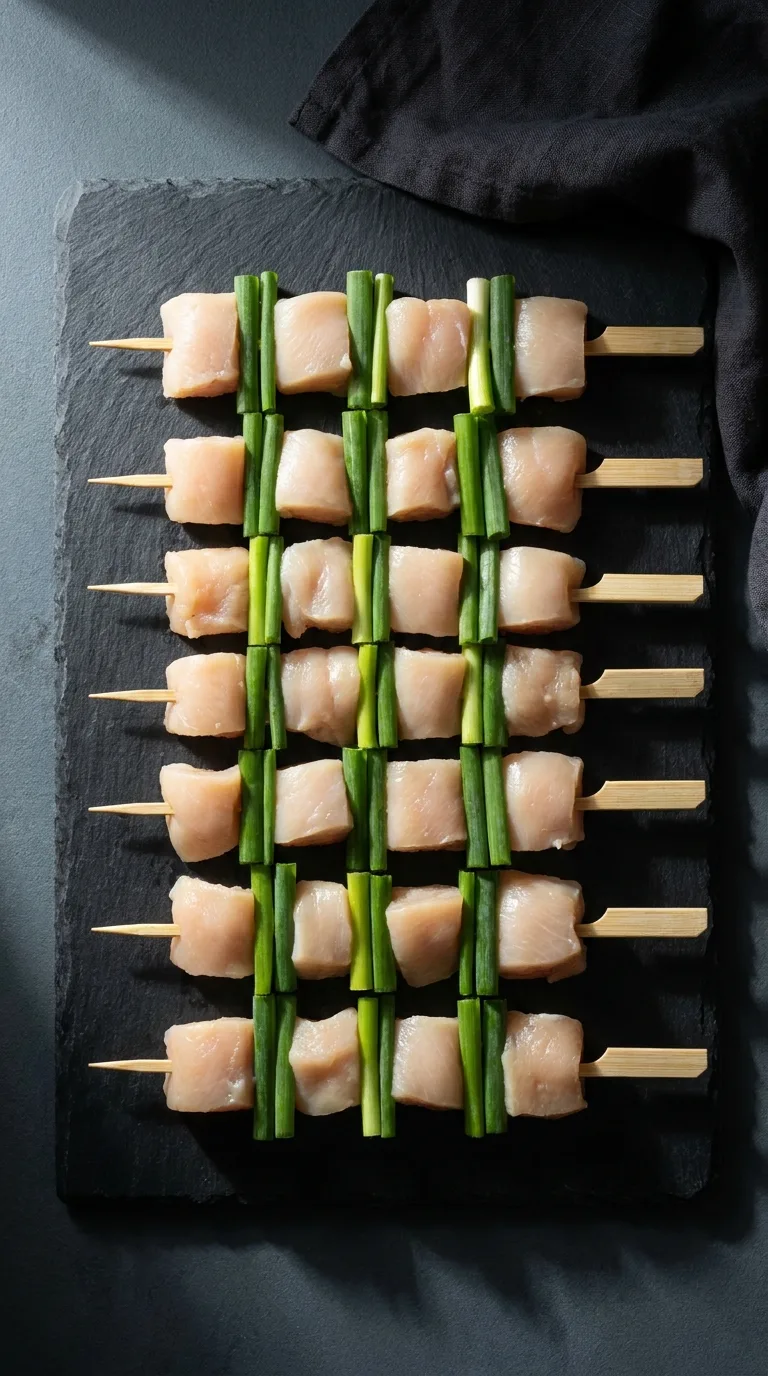
Thread each chicken cube onto a bamboo stick. Insert a 5 cm scallion slice between pieces of meat. Use 12 skewers for 6 servings.
-
Heat the grill
Preheat your grill or broiler to 200°C (400°F). Lightly oil the grates or line the tray with foil. High heat is essential to lock in juices and caramelise the surface.
-
Grill and baste
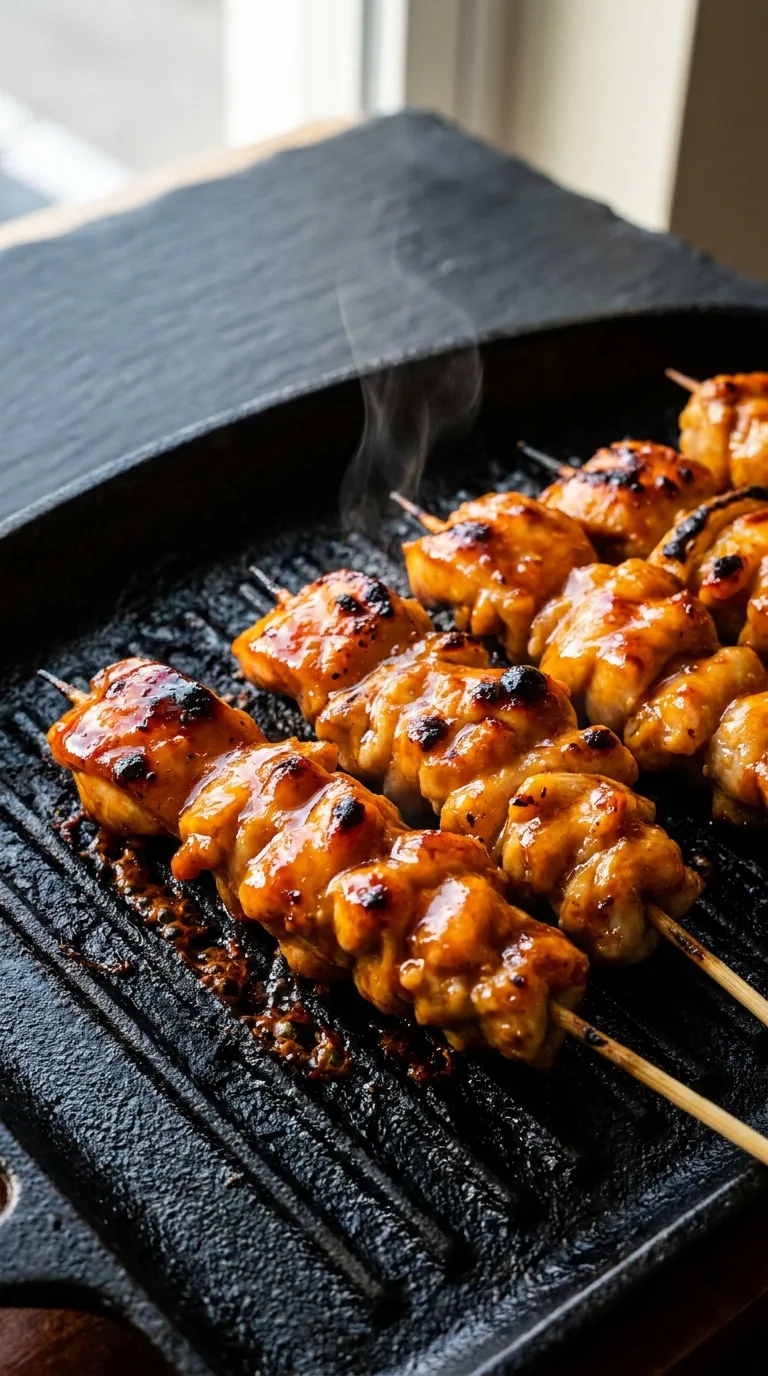
Place skewers on the heat and brush with reserved glaze. Cook for 3–4 minutes per side, basting every minute. Ensure the internal temperature reaches 74°C (165°F) for safety.
-
Rest the meat
Remove the skewers from the heat. Let them rest for 2 minutes so the juices can redistribute and the glaze can set.
Watch for flare-ups on the grill, which cause the meat to char too quickly before it is cooked through. Keep a spray bottle of water nearby to quell sparks. Ensure you maintain a steady 200°C (400°F) to create a caramelised crust without over-cooking the chicken breast.
What to serve with it
Place your skewers on a bed of steamed jasmine rice for a classic Japanese feel. Accompany the meal with pickled daikon or cucumber to provide a refreshing contrast to the sweet glaze. Sprinkle toasted sesame seeds and shichimi togarashi over the meat for a nutty aroma and subtle heat.
Storing and reheating
Store leftovers in a sealed container at room temperature if you eat them within 2 to 4 hours. Otherwise, refrigerate them immediately. You may freeze them for 3 days by wrapping them in plastic wrap and foil. Reheat in a pre-heated oven at 150°C until they are warmed through.
Getting the texture right
Maintain a steady high heat of 200°C (400°F) to lock in juices and caramelise the surface without over-cooking the meat. Soak your bamboo skewers for 30 minutes to prevent burning. Let the chicken rest for 2 minutes after grilling so the juices redistribute and the glaze sets.
Sweet or savoury
Use apple juice and brown sugar to create a sweet-savoury halal glaze. For a different fruity undertone, swap the apple juice for 120 ml of light-red grape juice and reduce the brown sugar by 10 g. This keeps the balance of the sauce while altering the flavour profile.
Nutrition per serving
- Calories
- 120
- Protein
- 12.0 g
- Carbs
- 12.0 g
- Fat
- 6.0 g
- Fiber
- 1.0 g
- Sugar
- 8.0 g
Estimated, and offered as a guide rather than a medical figure.
Made it? Rate it.
Questions people ask
What is a chicken yakitori?
Yakitori is a Japanese dish of skewered chicken grilled over charcoal or high heat. It is typically coated in a savoury-sweet glaze made from soy sauce and sugar to create a caramelised exterior.
Is yakitori chicken unhealthy?
It depends on the ingredients used. This version uses chicken breast and apple juice to manage sweetness, providing 12 g of protein per skewer while remaining halal-approved and gluten-free.
What is the best cut of chicken to use for yakitori?
Chicken breast is used here for a lean, quick-cooking result. Ensure you cut it into 2 cm cubes so the meat cooks evenly and reaches 74°C (165°F) without drying out.

About the author
Mary C. Rivero
Mary C. Rivero specializes in comforting home‑cooked meals, from hearty pastas and sheet‑pan dinners to quick weeknight snacks. Her recipes feature clear, step‑by‑step directions and practical tips, helping readers create flavorful dishes with confidence and ease.