Best Sauce for Chicken Pasta: Top Picks and How to Choose
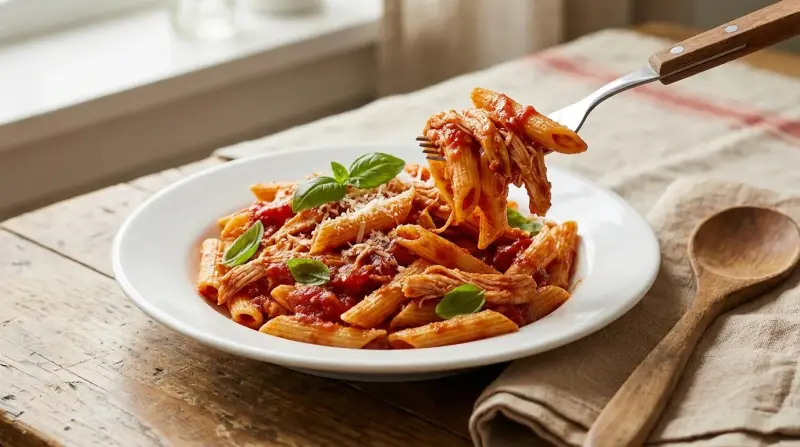
A bright, tangy marinara, a velvety garlic‑alfredo, or a herb‑forward pesto each pairs well with chicken pasta, but the sauce that works best depends on the desired flavor profile, texture, and occasion; the classic red tomato sauce often tops the list for its balance of acidity and richness.
Classic Red Tomato Marinara
Marinara is the traditional partner for chicken pasta because its tomato base adds acidity that cuts through the richness of chicken and cheese while its herbs enhance poultry flavor. To make a reliable marinara, sauté minced garlic in olive oil over medium heat for one minute, add canned crushed tomatoes, a pinch of dried oregano, and a splash of low‑sodium chicken broth for depth. Simmer for 15‑20 minutes, adjusting salt and a pinch of sugar if the sauce tastes too sharp.
For a ready‑made version, try our Chicken Pasta With Red Sauce: Italian Tomato Pasta. The recipe uses a thick, savoury tomato base that exemplifies how a simple marinara can become the star of a chicken‑pasta bowl.
Tips for Perfect Marinara
- Cook the garlic just until fragrant; over‑cooking turns it bitter.
- Use a heavy‑bottomed pot to prevent scorching and maintain even heat.
- Add a splash of broth instead of wine for halal compliance and extra umami.
- If the sauce thickens too much, stir in a tablespoon of pasta water at a time until the desired consistency returns.
Creamy Garlic Alfredo Sauce
Alfredo brings a luxurious mouthfeel that matches well with tender chicken strips. Start by melting butter in a saucepan over medium heat, then whisk in an equal amount of flour to create a roux; cook for 2 minutes without browning. Slowly pour in half‑and‑half (or a blend of whole milk and low‑fat cream) while whisking constantly, allowing the mixture to thicken to a coat‑like consistency. Add minced garlic, freshly grated Parmesan, and a pinch of freshly ground black pepper. Reduce heat to low and stir until the cheese melts completely, about 3‑4 minutes.
The sauce should coat the back of a spoon without looking oily; if it separates, lower the heat and keep whisking. For a lighter version, substitute half of the cream with unsweetened almond milk while retaining the same thickness.
Common Mistakes and Fixes
- Skipping the roux leads to a watery sauce; the flour‑butter mixture is essential for body.
- Boiling the cream causes curdling; keep the temperature below a gentle simmer.
- If the sauce becomes too thick, thin it with reserved pasta water, a tablespoon at a time.
Fresh Basil Pesto Sauce
Pesto offers a vibrant, herbaceous contrast to chicken pasta, especially when the dish includes sun‑dried tomatoes or roasted vegetables. Combine a cup of packed fresh basil leaves, ¼ cup of toasted pine nuts (or sunflower seeds for a budget‑friendly option), ½ cup of grated Pecorino Romano, two garlic cloves, and a drizzle of extra‑virgin olive oil in a food processor. Pulse until a coarse paste forms, then continue processing while adding oil in a steady stream until the texture becomes smooth yet slightly gritty.
Season with salt and a squeeze of fresh lemon juice to brighten the flavors. Toss the pesto with hot pasta and sliced chicken within the last minute of cooking to let the sauce cling without over‑cooking the basil.
Storage and Safety
- Pesto can be refrigerated for up to three days; cover the surface with a thin oil layer to prevent oxidation.
- For longer storage, freeze in ice‑cube trays and transfer to a zip‑top bag for up to three months.
- Never leave pesto at room temperature for more than two hours to avoid bacterial growth.
Lemon‑Butter Herb Sauce
This light sauce is perfect for spring‑time meals or when you want the chicken pasta to feel fresh rather than heavy. Melt butter over low‑medium heat, then add minced garlic and cook for 30 seconds. Stir in the zest of one lemon and its juice, followed by a handful of chopped fresh parsley, thyme, or dill. Let the sauce simmer for another minute, allowing the butter to emulsify with the citrus. Finish with a pinch of red‑pepper flakes for a subtle heat.
The acid from the lemon cuts through the richness of the butter and any cheese, while the herbs add depth without overwhelming the chicken. Serve immediately; the sauce thickens quickly as it cools.
Adaptations
- Swap butter for olive oil to reduce saturated fat while keeping a smooth texture.
- Use chicken broth instead of wine for a halal‑friendly version and added savory notes.
- If the sauce separates, whisk in a teaspoon of cold water to bring it back together.
How to Choose the Right Sauce for Your Chicken Pasta
The best sauce aligns with three factors: the cooking method of the chicken, the type of pasta, and the desired meal weight. Below is a quick comparison to help you decide which sauce will elevate your dish.
| Chicken Prep | Pasta Shape | Recommended Sauce | Why It Works |
|---|---|---|---|
| Grilled or pan‑seared | Penne, rigatoni | Classic Red Tomato Marinara | Acidity balances charred flavor and clings to ridged pasta. |
| Poached or shredded | Fettuccine, linguine | Creamy Garlic Alfredo | Richness coats delicate strands and adds silkiness. |
| Slow‑cooked (crock‑pot) | Rotini, shells | Fresh Basil Pesto | Herb freshness lifts the mellow cooked chicken. |
| Quick sautéed | Orzo, farfalle | Lemon‑Butter Herb | Citrus brightens light‑cooked chicken and small pasta. |
If you are preparing chicken pasta ahead of time, the Easy Crock‑Pot Chicken Pasta: Step‑by‑Step Guide shows how to keep the meat moist, then finish with your chosen sauce just before serving.
When reheating leftovers, follow the safe‑temperature tips in Can You Reheat Chicken Pasta? Safe Methods and Tips to maintain texture and prevent food‑borne illness.
Below the article you’ll find a printable recipe card for "Chicken Pasta With Red Sauce: Italian Tomato Pasta," ready to download or print for easy reference.
Frequently asked questions
Can I use a store‑bought sauce for chicken pasta?
Yes, choose a sauce with simple ingredients and no added pork or alcohol. Enhance it with fresh garlic, herbs, or a splash of broth to customize the flavor.
How long does cooked chicken pasta stay safe in the fridge?
Store it in an airtight container and consume within three to four days. Reheat to an internal temperature of 165°F (74°C) before serving.
What is the ideal pasta shape for creamy sauces?
Ribbons like fettuccine or wide noodles, as well as ridged shapes such as penne, hold the thick cream better than smooth, thin spaghetti.
Should I add cheese to tomato‑based sauces?
Adding a modest amount of Parmesan or Pecorino at the end boosts umami without making the sauce too heavy; stir it in off the heat to keep it smooth.
Printable recipe card: Chicken Pasta With Red Sauce: Italian Tomato Pasta
Save it, print it, or keep it on your phone while you cook.
Loading the recipe card…

About the author
Mary C. Rivero
Mary C. Rivero specializes in comforting home‑cooked meals, from hearty pastas and sheet‑pan dinners to quick weeknight snacks. Her recipes feature clear, step‑by‑step directions and practical tips, helping readers create flavorful dishes with confidence and ease.