Chicken Breast: Is It a Healthy Choice for Your Diet?
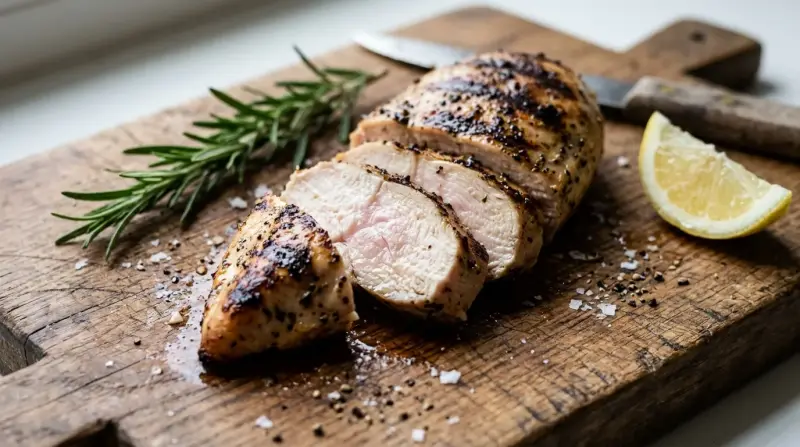
Chicken breast is a low‑fat, high‑protein meat that supplies essential nutrients such as vitamin B6, niacin, selenium and zinc, making it a wholesome option when cooked without excess oil or skin, and when handled safely to avoid food‑borne risks.
Ingredients and Equipment
Gather the following items before you start. Using the right tools helps maintain the lean quality of the meat and ensures even cooking.
- 2 skinless, boneless chicken breasts (about 300 g total)
- 15 ml (1 tbsp) olive oil or a light vegetable oil
- 5 g (1 tsp) sea salt
- 2 g (½ tsp) freshly ground black pepper
- 1 g (¼ tsp) dried thyme or rosemary
- 150 ml (⅔ cup) low‑fat natural yoghurt for sauces (optional)
- Fresh lemon juice, 10 ml (2 tsp), for flavour boost
- Cooking thermometer
- Oven‑safe skillet or baking tray
- Aluminium foil
Having everything measured and ready (mise en place) reduces the time the chicken spends at room temperature, minimising bacterial growth.
Cooking Steps
- Preheat the oven to 200 °C (400 °F). A consistent temperature creates a gentle heat that cooks the breast through without charring, limiting formation of harmful HCAs.
- Pat the chicken breasts dry with paper towel. When the surface is dry, the oil spreads evenly and the exterior browns nicely.
- Rub each breast with olive oil, then sprinkle salt, pepper and dried herbs. The oil helps the seasoning adhere and the herbs add antioxidants that counteract any minimal oxidative stress from cooking.
- Place the breasts on a lightly greased oven‑safe skillet, skin‑side up (if skin is present). The skillet retains heat, giving a consistent crust.
- Insert a cooking thermometer into the thickest part of one breast; aim for an internal temperature of 74 °C (165 °F). This is the safety threshold that kills salmonella and other pathogens.
- Transfer the skillet to the pre‑heated oven and roast for 18–22 minutes, or until the thermometer reads 74 °C. The meat should feel firm but still yield slightly when pressed with a fingertip.
- While the chicken bakes, whisk together yoghurt, lemon juice, a pinch of salt and a dash of black pepper to create a light herb sauce. The acidity of lemon keeps the sauce bright and helps preserve the protein.
- When the target temperature is reached, remove the skillet and loosely cover the breasts with aluminium foil. Let them rest for 5 minutes; resting redistributes the juices, keeping the meat moist.
- Slice the rested chicken breast on a diagonal at a 45° angle, about 1 cm thick. The slices should be pink in the centre and glossy on the outside.
- Drizzle the yoghurt‑lemon sauce over the slices or serve it on the side. The sauce adds moisture without adding saturated fat, preserving the lean profile of the dish.
Serving Suggestions
Serve the sliced chicken alongside a colourful salad, roasted root vegetables or a portion of whole‑grain rice for a balanced plate. For inspiration, check out the Healthy Chicken Casserole: Brown Rice and Broccoli Bake, which pairs the same lean protein with fibre‑rich brown rice and broccoli in a creamy yoghurt base.
Storing and Reheating
Cool the leftover chicken to below 4 °C (40 °F) within two hours of cooking, then store in an airtight container. It remains safe for up to three days in the refrigerator. For longer storage, freeze in portion‑size bags for up to three months; label with the date.
When reheating, bring the chicken to an internal temperature of 74 °C (165 °F) using a microwave or a 150 °C (300 °F) oven for 10–12 minutes. Avoid reheating more than once, as repeated heating can increase the formation of unwanted compounds.
Common mistakes
Overcooking the breast
Result: Dry, stringy texture and loss of tender juices. Avoid by using a thermometer and removing the meat at 74 °C (165 °F), then letting it rest.
Cooking at too high a temperature
Result: Excessive browning creates higher levels of heterocyclic amines (HCAs). Keep the oven at 200 °C (400 °F) and monitor time to prevent charring.
Skipping the rest period
Result: Juices run out onto the plate, leaving the meat dry. Resting for five minutes allows the fibres to re‑absorb moisture.
Leaving the skin on
Result: Additional saturated fat and calories, which can raise LDL cholesterol. Use skinless breasts or trim the skin before cooking.
A printable recipe card for "Healthy Chicken Casserole: Brown Rice and Broccoli Bake" is just below the article, ready to download or print for easy reference.
Further Reading
For quick, juicy results using an air‑fried method, see the Air Fryer Chicken Breast: Quick, Juicy & Easy Guide. If you prefer the oven, the How Long to Bake Chicken Breast in the Oven: Times, Temps and Tips offers detailed timing tables.
Printable recipe card: Healthy Chicken Casserole: Brown Rice and Broccoli Bake
Save it, print it, or keep it on your phone while you cook.
Loading the recipe card…

About the author
Mary C. Rivero
Mary C. Rivero specializes in comforting home‑cooked meals, from hearty pastas and sheet‑pan dinners to quick weeknight snacks. Her recipes feature clear, step‑by‑step directions and practical tips, helping readers create flavorful dishes with confidence and ease.