How Long Does Chicken Pasta Stay Fresh in the Fridge?
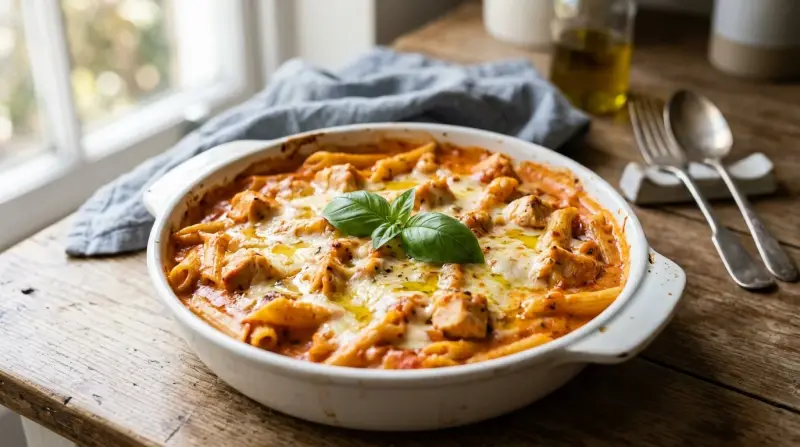
Cooked chicken pasta dishes, such as a creamy tomato penne bake, stay safe in the refrigerator for up to four days when stored in an airtight container at 40°F (4°C) or below. After that, texture may decline and bacterial risk increases, so discard or freeze.
Why Refrigeration Time Matters
Chicken is a perishable protein that can develop harmful bacteria like Salmonella and Staphylococcus aureus when left too long at temperatures above 40°F (4°C). Even though pasta itself is low‑acid and relatively stable, the combination of protein, dairy, and moisture creates an environment where microbes multiply quickly. The USDA recommends consuming cooked poultry within four days of refrigeration to stay within the safe window. The sauce—whether tomato‑based or cream‑based—adds another layer of risk because dairy can separate and spoil faster.
Safe Storage Practices
Storing chicken pasta correctly extends both safety and quality. Follow these steps before placing the dish in the fridge:
- Cool the cooked pasta to room temperature for no more than two hours. Use a shallow pan to speed cooling.
- Transfer the pasta to an airtight container. Glass or BPA‑free plastic works best.
- Label the container with the date you cooked it.
- Place the container on the middle shelf, where temperature is most consistent.
Keeping the container sealed prevents moisture loss, limits exposure to other odors, and reduces the chance of cross‑contamination from raw foods.
| Dish Type | Recommended Fridge Time | Notes |
|---|---|---|
| Chicken pasta with tomato sauce | 3–4 days | Acidity of tomatoes slows bacterial growth but does not stop it. |
| Chicken pasta with cream sauce | 3–4 days | Dairy separates; texture degrades after day 3. |
| Plain cooked pasta (no protein) | 5 days | Lower risk, but still prone to mold. |
Reheating Chicken Pasta Safely
When you’re ready to eat leftovers, bring the internal temperature of the dish to at least 165°F (74°C) for 15 seconds. This kills most lingering bacteria. Use these methods for even heating:
- Stovetop: Add a splash of low‑sodium broth or water, cover, and heat over medium heat, stirring every minute.
- Microwave: Place the pasta in a microwave‑safe bowl, cover loosely, and heat on high in 30‑second intervals, stirring between each.
- Oven: Preheat to 350°F (177°C), cover the casserole with foil, and bake for 20‑25 minutes, adding a drizzle of olive oil to restore moisture.
If the sauce looks grainy after reheating, whisk in a tablespoon of cream or a splash of milk to restore smoothness. Avoid reheating more than once; each cycle increases bacterial risk.
Freezing and Thawing Tips
Freezing is the best way to keep chicken pasta beyond the four‑day fridge limit. Follow these guidelines for optimal results:
- Portion the pasta into freezer‑safe bags or containers, leaving headspace for expansion.
- Label with the date; use within two months for best texture.
- Freeze while the dish is still slightly warm to reduce condensation.
- Thaw in the refrigerator overnight, then reheat to 165°F (74°C) as described above.
Note that cream‑based sauces may separate slightly after thawing. A quick stir with a splash of milk or broth will bring them back together.
Meal Planning with Chicken Pasta
Integrating chicken pasta into your weekly meal plan can reduce waste and simplify dinner prep. Cook a larger batch on Sunday, portion out four servings for the week, and freeze the extra two. When you need a quick lunch, simply reheat a portion and pair it with a side salad. For inspiration, try the recipe Chicken Pasta Bake: Creamy Tomato and Penne Casserole, which balances protein, carbs, and sauce for a satisfying, shelf‑stable meal.
Storing the leftovers in a container with a thin layer of olive oil can help maintain a pleasant mouthfeel, especially for pasta that tends to dry out after a few days. If the dish looks dried, add a tablespoon of sauce or a splash of broth before reheating.
Troubleshooting Common Issues
Problem: Sauce becomes watery after reheating.
Solution: Reduce the sauce on the stovetop before refrigeration or add a thickening agent like a teaspoon of flour mixed with water.
Problem: Pasta sticks together or turns mushy.
Solution: Toss the cooled pasta lightly with olive oil before storing. When reheating, add a splash of liquid and stir frequently.
Problem: Unpleasant odor or visible mold.
Solution: Discard immediately. Mold can produce mycotoxins that are not destroyed by heat.
Always trust your senses. If the dish smells sour, feels slimy, or shows any discoloration, it is safer to throw it away.
A printable recipe card for "Chicken Pasta Bake: Creamy Tomato and Penne Casserole" is just below the article, ready to download or print.
Frequently asked questions
Can I keep chicken pasta longer than four days if I add extra sauce?
Adding more sauce can improve texture but does not significantly extend safety. The limiting factor remains the cooked chicken, which should be consumed within four days.
Is it safe to eat chicken pasta that was left out at room temperature for an hour?
If the dish sat out for less than two hours, it can still be refrigerated and used within the four‑day window. Beyond two hours, bacteria can multiply rapidly, and the food should be discarded.
What is the best temperature for my refrigerator to keep leftovers safe?
Keep the fridge at or below 40°F (4°C). Use a fridge thermometer to verify the temperature, especially after adding large amounts of hot food.
Can I re‑freeze chicken pasta that was thawed in the fridge?
Yes, as long as it has not been left out for more than two hours after thawing and remains at a safe temperature. However, each freeze‑thaw cycle can affect texture, especially for cream sauces.
Printable recipe card: Chicken Pasta Bake: Creamy Tomato and Penne Casserole
Save it, print it, or keep it on your phone while you cook.
Loading the recipe card…

About the author
Mary C. Rivero
Mary C. Rivero specializes in comforting home‑cooked meals, from hearty pastas and sheet‑pan dinners to quick weeknight snacks. Her recipes feature clear, step‑by‑step directions and practical tips, helping readers create flavorful dishes with confidence and ease.