Common Mistakes When Making Chicken Soup (And How to Avoid Them)
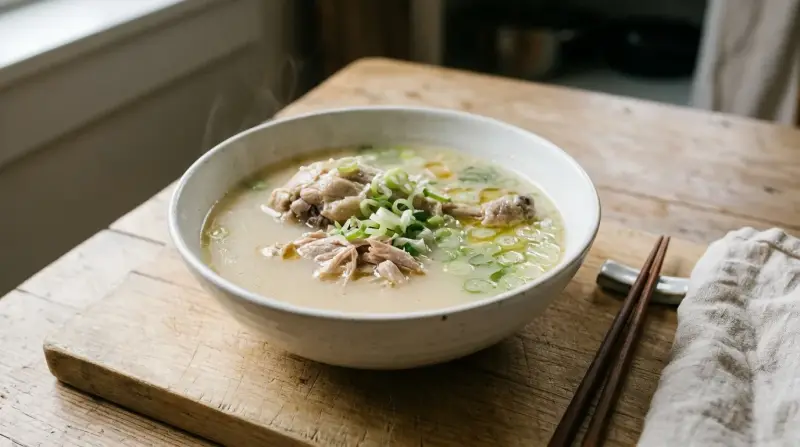
Typical chicken soup pitfalls include using the wrong cuts of meat, skipping the sautéed vegetable base, boiling instead of gently simmering, neglecting to skim foam, adding starchy items too early, and relying on packaged stock, all of which can produce a bland, cloudy, or overcooked soup.
Common mistakes and their costs
| Mistake | Time/Effort/Result Cost | Best suited for |
|---|---|---|
| Using only chicken breast | Low flavour, risk of dry meat; minimal prep time but poorer result | Beginners prioritising speed over depth |
| Skipping sautéed vegetables | Saves a few minutes; yields flat, one‑dimensional broth | Cooks who skip steps for convenience |
| Boiling instead of simmering | Faster cooking; leads to cloudy broth and tough meat | Those in a hurry |
| Adding noodles or rice too early | Requires constant monitoring; results in mushy texture | Busy cooks who add everything at once |
| Relying on instant stock mixes | Very little prep; artificial flavour, less depth | Time‑pressed cooks |
| Not skimming foam | No extra time; produces a cloudy, unappealing broth | Cooks uninterested in presentation |
Using only white meat limits flavour and texture
Chicken breast cooks quickly and can become dry if left on the heat for too long. Dark meat – thighs, legs or wings – contains more fat and connective tissue, which melt into the broth, creating a richer, silkier mouthfeel. To avoid a thin, bland soup, combine bone‑in dark pieces with a smaller amount of breast meat. This also adds collagen, resulting in a natural gelatin that gives the broth a pleasant, slightly viscous finish. For a halal‑friendly example, see the Korean Chicken Soup: Hearty Halal Comfort, which uses a mix of bones and thigh meat for depth.
Skipping the sautéed vegetable base flattens the broth
Raw onions, carrots and celery release sugars only after they are heated gently. Sautéing them in a splash of oil for 5–7 minutes at medium heat (about 180 °C) caramelises the sugars, building a sweet, aromatic foundation. Adding them directly to cold water prevents this Maillard development and leaves the soup tasting watery. After sautéing, de‑glaze the pan with a splash of low‑sodium chicken stock before adding the water; this captures every browned bit and infuses the broth with deeper flavour. The step‑by‑step guide to making perfect chicken soup explains the technique in more detail.
Boiling instead of simmering clouds the broth and toughens meat
When the liquid reaches a rolling boil, proteins coagulate rapidly and rise to the surface as a grayish foam. Vigorous bubbles also force moisture out of the meat, making it stringy. A gentle simmer – tiny bubbles breaking at the surface every few seconds – keeps the protein suspended, allowing it to dissolve slowly into the liquid. Start with cold water, add the bones and meat, then bring to a low boil and immediately reduce to a simmer. Maintain a temperature around 93 °C (200 °F) for at least 90 minutes; longer (up to 3 hours) yields an even richer broth without sacrificing clarity.
Adding noodles or rice too early creates a mushy texture
Starchy ingredients continue to absorb liquid as they cook. If they are introduced at the beginning, they will swell far beyond the desired bite and release excess starch, thickening the soup undesirably. Cook noodles or rice separately according to package instructions, then add them during the final 5–8 minutes of simmering so they warm through without over‑cooking. This timing also lets you adjust the broth level, as the starch will thicken it slightly. For a halal‑friendly protein boost, consider adding pre‑cooked chickpeas at the same stage.
Relying on instant stock mixes sacrifices depth and can be overly salty
Premade stock powders contain flavour enhancers and high sodium levels that mask the nuanced taste of fresh herbs, vegetables and bones. By making a broth from scratch you control salt content – aim for about 4 g of salt per litre, adjusting at the end – and can incorporate aromatic extras such as ginger, leeks or dried shiitake mushrooms. If time is limited, use a high‑quality halal‑certified broth as a shortcut, then enrich it with sautéed aromatics and a splash of apple juice for a subtle sweetness. The article How to Make Hearty Chicken Drumstick Soup at Home demonstrates how a simple broth base can be built without any processed mixes.
A printable recipe card for "Korean Chicken Soup: Hearty Halal Comfort" is just below the article, ready to download or print.
Keep reading
Frequently asked questions
Can I freeze chicken soup?
Yes, chill the soup quickly, then transfer it to airtight containers and freeze at –18 °C (0 °F) or lower. For best texture, store the broth separate from noodles or rice, adding them when reheating.
How long can leftovers be stored?
Refrigerated soup stays safe for up to 3 days if kept at or below 4 °C (40 °F). After that, discard or freeze to maintain quality.
What internal temperature should the broth reach for safety?
The broth must reach at least 74 °C (165 °F) during cooking, which ensures any harmful bacteria are destroyed. Use a kitchen thermometer to verify.
Can I use a pressure cooker for chicken soup?
A pressure cooker reduces simmering time dramatically; cook bone‑in chicken for about 30 minutes at high pressure, then release naturally. Finish by adding fresh vegetables and simmering uncovered for 10‑15 minutes to develop flavour.
Printable recipe card: Korean Chicken Soup: Hearty Halal Comfort
Save it, print it, or keep it on your phone while you cook.
Loading the recipe card…

About the author
Mary C. Rivero
Mary C. Rivero specializes in comforting home‑cooked meals, from hearty pastas and sheet‑pan dinners to quick weeknight snacks. Her recipes feature clear, step‑by‑step directions and practical tips, helping readers create flavorful dishes with confidence and ease.