The Secret to Good Chicken Soup: How to Achieve a Silky, Flavourful Broth
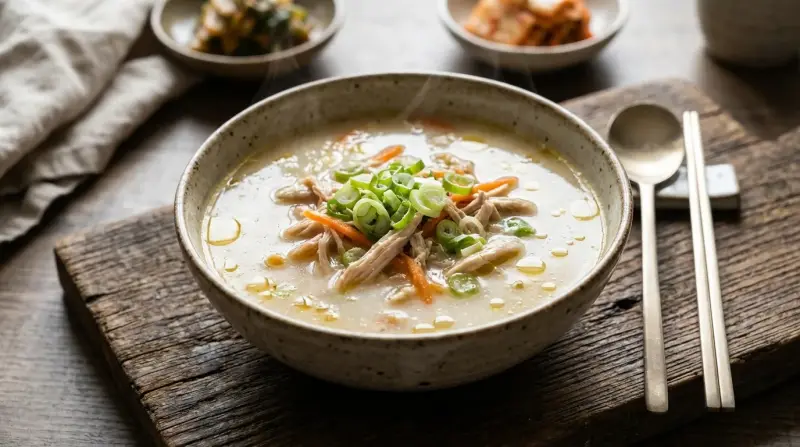
The secret to good chicken soup lies in a silky, flavour‑rich broth made by double‑simmering quality chicken bones with aromatic vegetables, removing foam, and finishing with fresh herbs and a splash of acidity; careful temperature control and seasoning layers give the soup its comforting depth.
Build a Rich, Silky Broth
Start with 1 kg (2.2 lb) of chicken backs, necks and wings, or a whole halal‑certified chicken. Rinse the bones under cold water and place them in a large pot with 3 litres (12 cups) of cold water. Bring to a gentle boil, then immediately reduce to a low simmer of about 90 °C (194 °F). Maintaining a low simmer prevents the broth from turning cloudy, as vigorous boiling breaks collagen into gelatin that can turn the liquid greasy.
After 30 minutes, skim the foam that rises to the surface with a ladle. This foam contains impurities that cloud the broth and add unwanted bitterness. Replace the lid and continue to simmer for a further 2 hours, adding 200 ml (¾ cup) of cold water if the level drops below the bones.
At the one‑hour mark, add a mirepoix of 200 g (½ lb) diced carrots, 150 g (⅓ lb) chopped leeks, and 150 g (⅓ lb) celery root, all roughly the size of a 2‑cm dice. These vegetables impart natural sweetness and depth without overwhelming the chicken flavour. If you prefer a more traditional taste, substitute half of the leeks with a stalk of celery.
After the second hour, add 2 bay leaves, a few sprigs of fresh thyme, and a small knob of fresh ginger (about 2 cm thick, sliced). These aromatics release their oils slowly, enriching the broth without harshness. Let the pot simmer gently for another 30 minutes, then turn off the heat and let the broth sit for 10 minutes to settle.
Finally, strain the liquid through a fine‑mesh sieve lined with cheesecloth into a clean pot. Discard the solids. The resulting broth should be milky, slightly viscous, and fragrant – a clear sign that collagen has transformed into gelatin, giving the soup its signature silkiness.
For a halal‑friendly boost of umami, stir in 2 tablespoons of roasted chicken bouillon paste such as Better than Bouillon. This adds depth without compromising dietary restrictions.
Read our Korean Chicken Soup: Hearty Halal Comfort for a complete recipe that follows these principles.
Key Ingredients and Their Roles
Choosing the right ingredients is as crucial as the technique. Below is a quick guide to each component and why it matters.
- Chicken bones – Provide collagen that turns into gelatin, creating a body‑rich mouthfeel.
- Cold water – Starting cold extracts flavour gradually and prevents the proteins from coagulating too quickly, which would cloud the broth.
- Root vegetables (carrots, leeks, celery root) – Offer natural sweetness and earthy notes, balancing the savoury base.
- Fresh herbs (thyme, bay leaves, ginger) – Release volatile oils late in the simmer, giving aromatic complexity.
- Acidity (lemon juice or a splash of apple cider vinegar) – Brightens the finished soup and helps extract minerals from the bones.
- Salt – Enhances flavour but must be added gradually; start with 1 teaspoon (5 g) and adjust after the broth is strained.
When seasoning, remember that the broth will be reduced if you add noodles later, concentrating the salt. Therefore, tasting after straining is essential before any final adjustments.
Common Myth: More Salt = Better Soup
Many home cooks believe that a generous pinch of salt early on guarantees flavour. In reality, too much salt at the start can mask the subtle nuances of the broth and make it difficult to correct later. Salt dissolves quickly, so its intensity does not fade as the soup reduces; instead, it becomes more pronounced.
The truth is to season in stages. Add a modest amount (about ½ teaspoon, 2.5 g) when you first add the mirepoix, then taste after straining. Finish with a final sprinkle just before serving, or add a dash of lemon juice for brightness instead of extra salt. This layered approach preserves the balance and avoids over‑salting.
Cooking Techniques and Timing
Beyond the broth, the timing of each ingredient influences texture and safety. Keep the following schedule in mind:
- Simmer bones for 2 hours – this extracts maximum gelatin.
- Add vegetables and herbs for the last 30 minutes – over‑cooking them makes them mushy and dulls flavour.
- Introduce shredded cooked chicken in the final 5 minutes – the chicken should reach an internal temperature of 74 °C (165 °F) to be safe, but a brief reheating prevents it from drying out.
- If using noodles, cook them separately for al‑dente texture, then add to bowls just before ladling broth. Over‑cooking noodles in the broth releases starch, making the soup cloudy.
For those who enjoy a crisp garnish, sprinkle toasted sesame seeds or a drizzle of sesame oil just before serving; these additions introduce a pleasant contrast without affecting the broth’s clarity.
To keep the soup warm without over‑cooking, store the pot over a low‑heat burner set to 65 °C (149 °F). This temperature is high enough to stay above the danger zone but low enough to preserve the silky texture.
If you need to reheat leftovers, do so gently on the stovetop over medium‑low heat, stirring occasionally. For a quick fix, see our guide on How to Reheat Chicken Wings Safely and Keep Them Crispy, which also explains safe reheating principles applicable to soups.
Storing and Freezing for Future Comfort
Proper storage maintains both safety and flavour. Cool the broth quickly by placing the pot in an ice‑water bath, then divide into airtight containers. Refrigerate for up to 3 days; the gelatin will set into a gentle gel, indicating a successful broth.
For longer storage, freeze the broth in 500‑ml portions. Use freezer‑grade bags, removing as much air as possible to avoid freezer burn. The broth will keep for up to 3 months. When ready to use, thaw in the refrigerator overnight and bring to a simmer before adding fresh ingredients.
A printable recipe card for Korean Chicken Soup: Hearty Halal Comfort is just below the article, ready to download or print.
Keep reading
Frequently asked questions
Can I use a pressure cooker to speed up the broth?
Yes. A pressure cooker reduces the simmer time to about 45 minutes at high pressure (approximately 15 psi). Use the same amount of water, then release the pressure naturally to keep the broth clear.
Is it necessary to use bone‑in chicken?
Using bone‑in pieces yields more collagen, which gives the broth its silky texture. If you only have boneless meat, add a handful of roasted chicken feet or a store‑bought halal bone broth concentrate for extra gelatin.
How do I make the soup suitable for a low‑sodium diet?
Omit added salt entirely during cooking and finish with herbs, lemon juice, and a dash of low‑sodium soy sauce for depth. Taste before serving and adjust with a pinch of salt only if required.
What vegetables can I add for extra nutrition?
Leafy greens such as spinach or kale add colour and iron; add them in the last 5 minutes of simmering so they wilt but retain texture. You can also include diced sweet potato for additional sweetness and vitamin A.
Printable recipe card: Korean Chicken Soup: Hearty Halal Comfort
Save it, print it, or keep it on your phone while you cook.
Loading the recipe card…

About the author
Mary C. Rivero
Mary C. Rivero specializes in comforting home‑cooked meals, from hearty pastas and sheet‑pan dinners to quick weeknight snacks. Her recipes feature clear, step‑by‑step directions and practical tips, helping readers create flavorful dishes with confidence and ease.