Beef Barley Pilaf: Middle Eastern One-Pot Meal
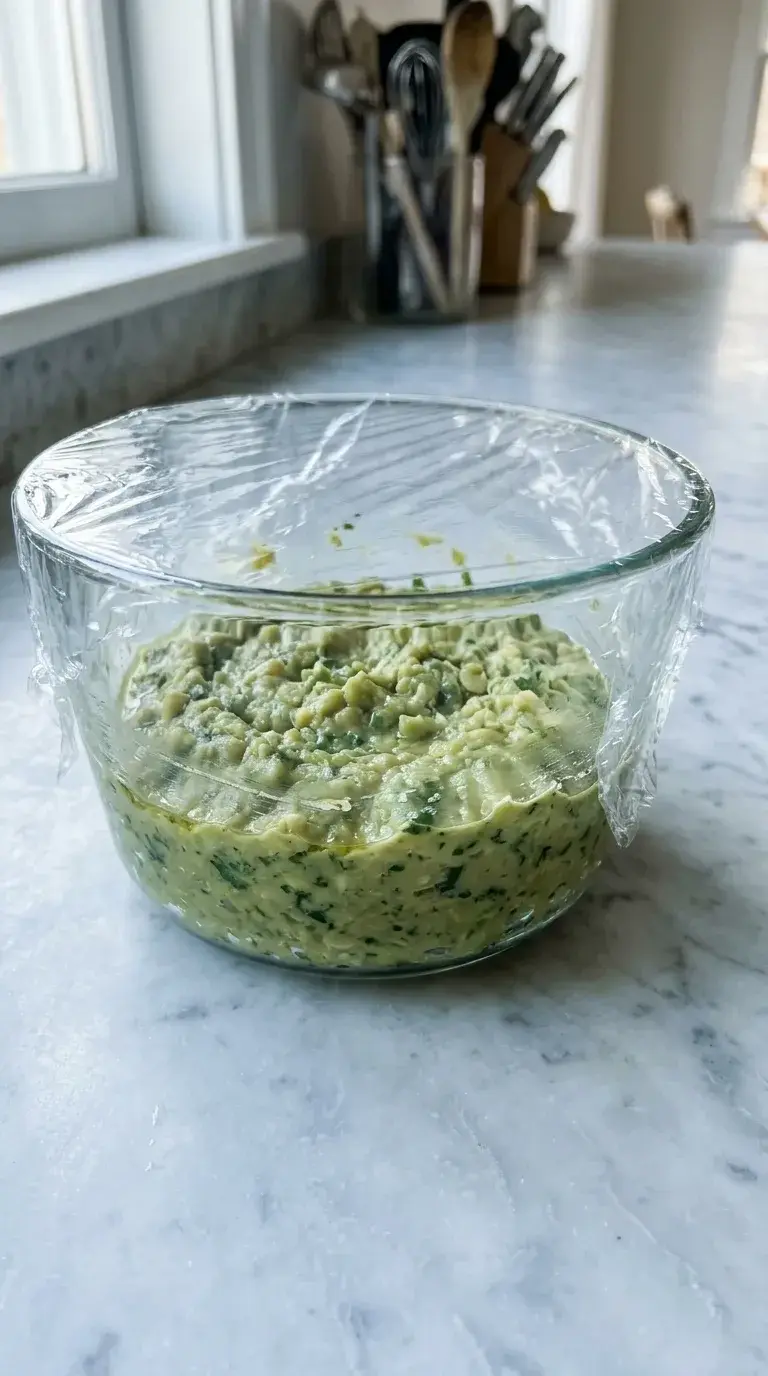
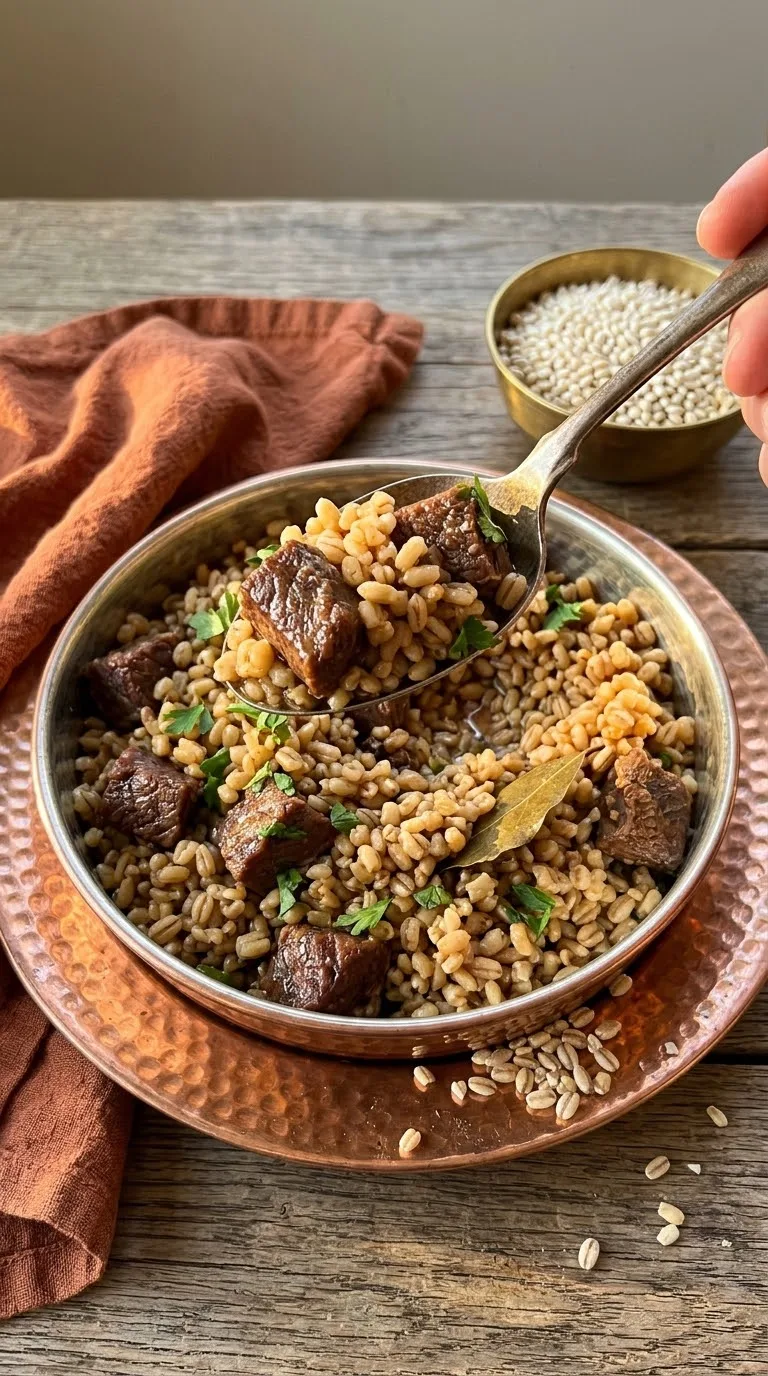
Beef barley pilaf is a Middle Eastern dish that combines cubed steak shoulder with pearl barley in a single pan. It produces a hearty, savoury result where the grains absorb the beef broth and aromatics. The texture is a contrast between the succulent meat and the slightly chewy, flaky barley. It serves as a complete halal meal providing protein and dietary fibre.
Brown the beef first to create a golden crust. This step develops a depth of flavour that you cannot achieve by simmering the meat raw. Stir the barley gently with a wooden spoon to keep the grains whole. Vigorous stirring breaks the barley into mush, which ruins the structure of the pilaf. Let the dish rest covered for 10 minutes after cooking so the flavours settle and the texture firms up before you fluff it with a fork.
Beef Barley Pilaf: Middle Eastern One-Pot Meal
Recipe cardIngredients
Instructions
-
Brown the beef
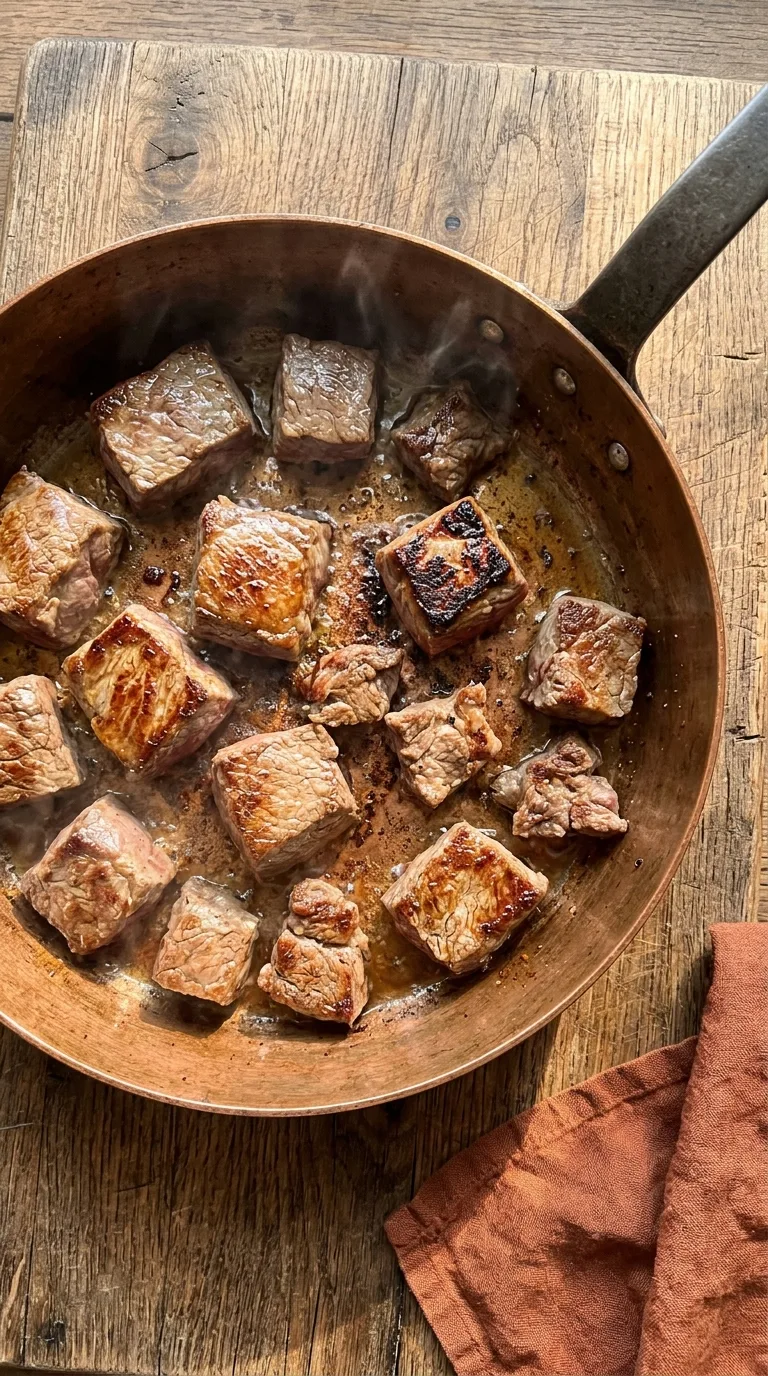
Heat the olive oil in a large, high-sided pan over medium–high heat. Add the cubed beef and brown all sides for about 5 minutes. Turn the meat often to achieve a golden crust, which creates a depth of flavour for the final dish.
-
Sauté the aromatics
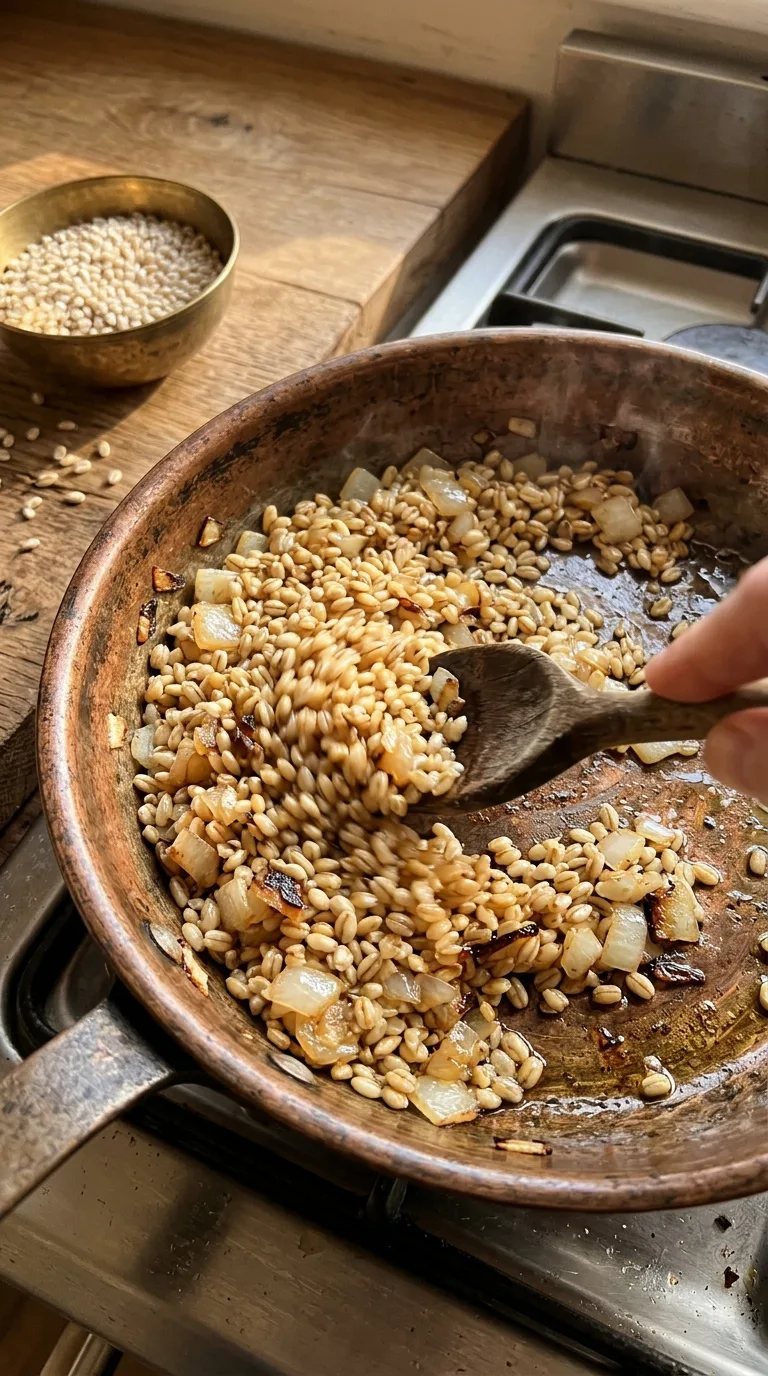
Reduce the heat to medium and add the diced onion. Cook for 4–5 minutes until the onion is translucent and lightly caramelised. Stir in the minced garlic and cook for 1 minute more to ensure it does not burn.
-
Toast the barley
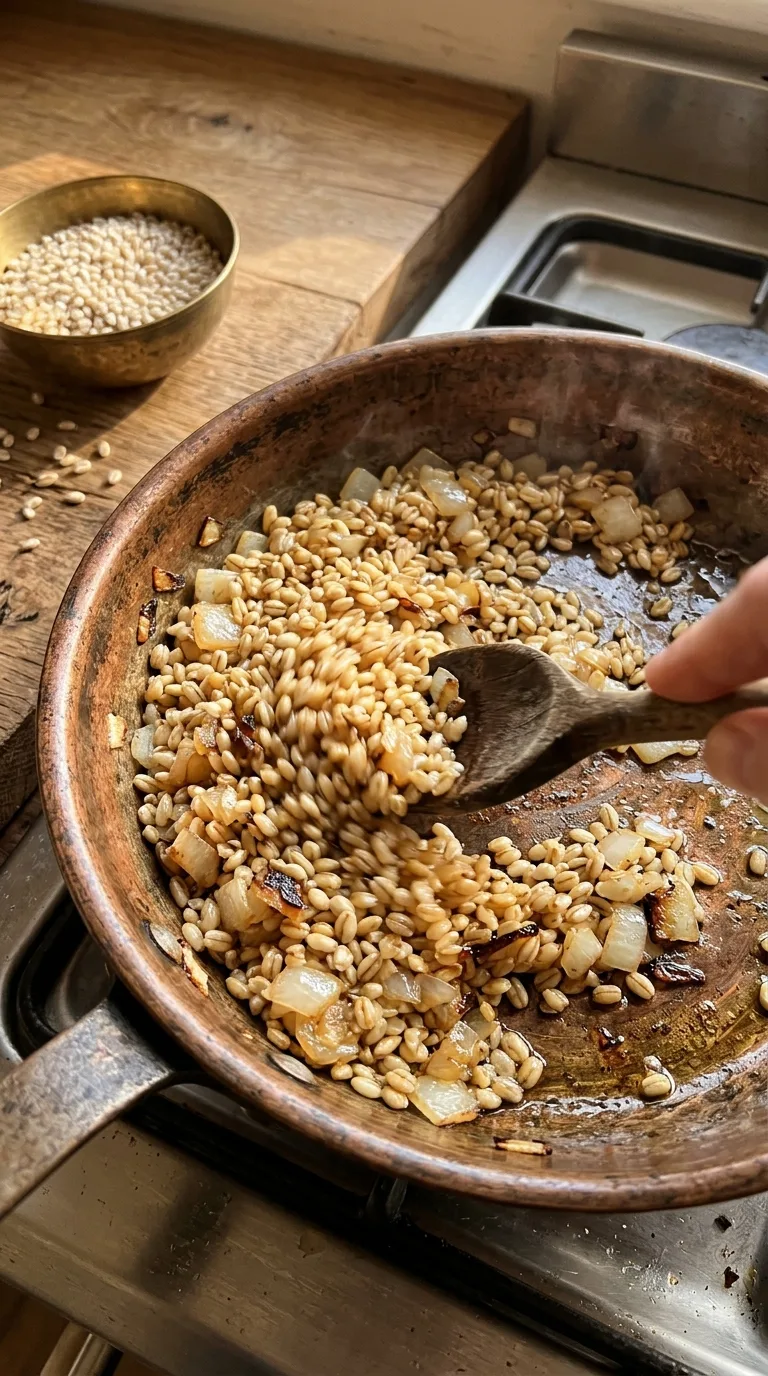
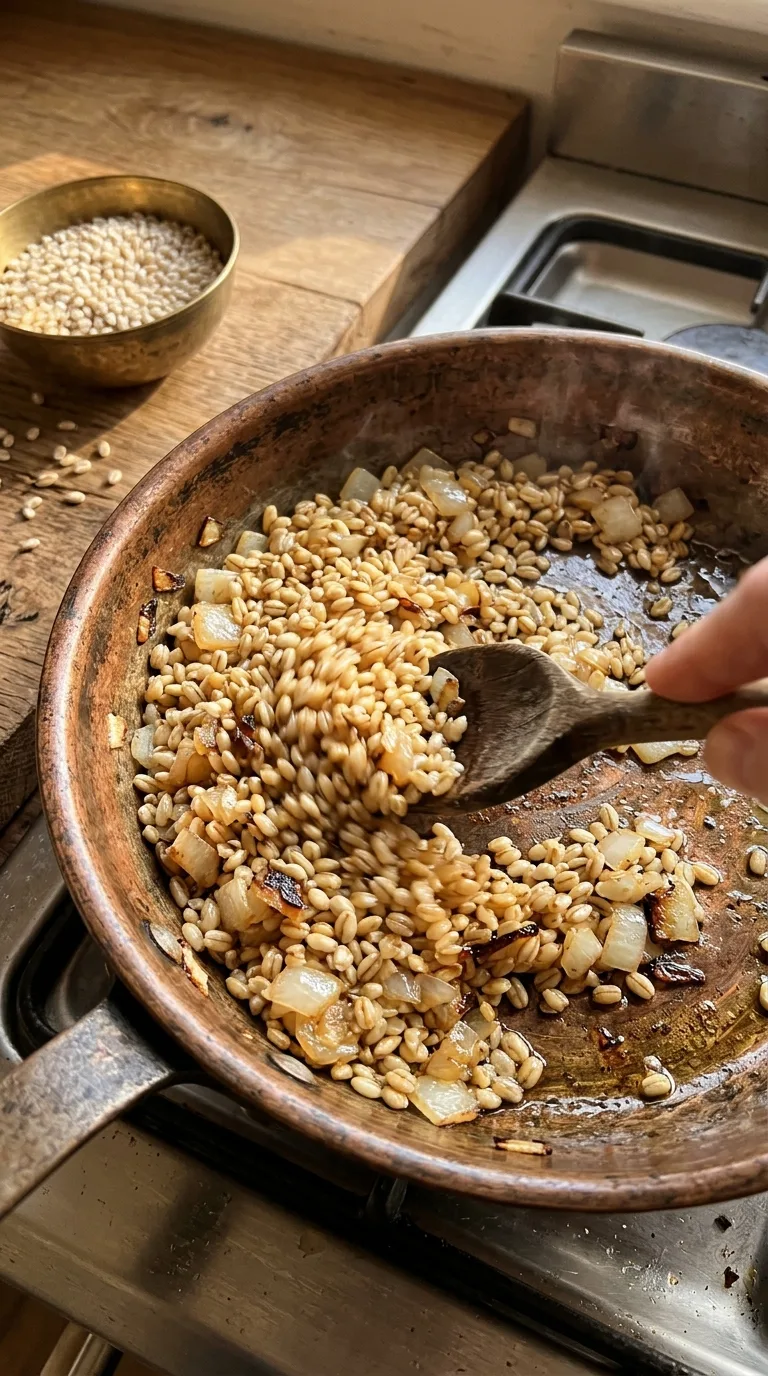
Stir the pearl barley into the pan. Toast the grains for 2 minutes while stirring constantly. This ensures the barley is coated in oil and aromatics, preventing the grains from clumping together.
-
Combine and boil
Return the browned beef to the pan and pour in the beef broth. Add the bay leaf, salt, pepper, and optional cumin and paprika. Stir well and bring the mixture to a gentle boil.
-
Simmer the pilaf
Reduce the heat to low and cover the pan. Let the pilaf simmer for 90 minutes until the barley is tender and the beef is succulent. Stir occasionally but gently so you do not break the barley grains apart.
-
Rest and garnish
Remove the pan from the heat and keep it covered for 10 minutes. This allows the flavours to settle and the texture to firm up. Fluff the pilaf with a fork and garnish with chopped fresh parsley.
Stir the barley with a wooden spoon to keep the grains whole. If you stir too vigorously, the barley will break and release too much starch, turning the pilaf into a mushy consistency rather than a flaky one.
What to serve with it
Garnish the beef barley pilaf with chopped fresh parsley. Serve it with plain Greek yoghurt for a cooling contrast. You can also add a crisp cucumber and tomato salad dressed with lemon juice and olive oil, or a slice of warm flatbread to accompany the rich meal.
Storing and reheating
Cool the pilaf to room temperature before refrigerating, but do not leave it out for more than 2 hours. Store it in the fridge for 2 to 4 days. For longer storage, freeze in airtight containers for up to 3 months and thaw in the fridge overnight.
Nutrition per serving
- Calories
- 385
- Protein
- 28.4 g
- Carbs
- 32.1 g
- Fat
- 14.8 g
- Fiber
- 6.2 g
- Sugar
- 3.1 g
Estimated, and offered as a guide rather than a medical figure.
Made it? Rate it.
Questions people ask
Can I use a different grain instead of pearl barley?
No. Pearl barley provides a specific chewy texture and absorbs the beef broth differently than rice or quinoa. Using other grains will alter the consistency and the overall structure of the pilaf.
Is this dish suitable for a gluten-free diet?
No. Pearl barley contains gluten, making this recipe unsuitable for those with gluten intolerance or coeliac disease. You must avoid this dish if you require a strictly gluten-free meal.
Why should I brown the beef before simmering?
Browning the meat creates a golden crust through the Maillard reaction. This process develops a depth of savoury flavour that cannot be achieved by simmering the meat alone in the broth.

About the author
Mary C. Rivero
Mary C. Rivero specializes in comforting home‑cooked meals, from hearty pastas and sheet‑pan dinners to quick weeknight snacks. Her recipes feature clear, step‑by‑step directions and practical tips, helping readers create flavorful dishes with confidence and ease.