Broiled Haddock: Lightly Seasoned White Fish
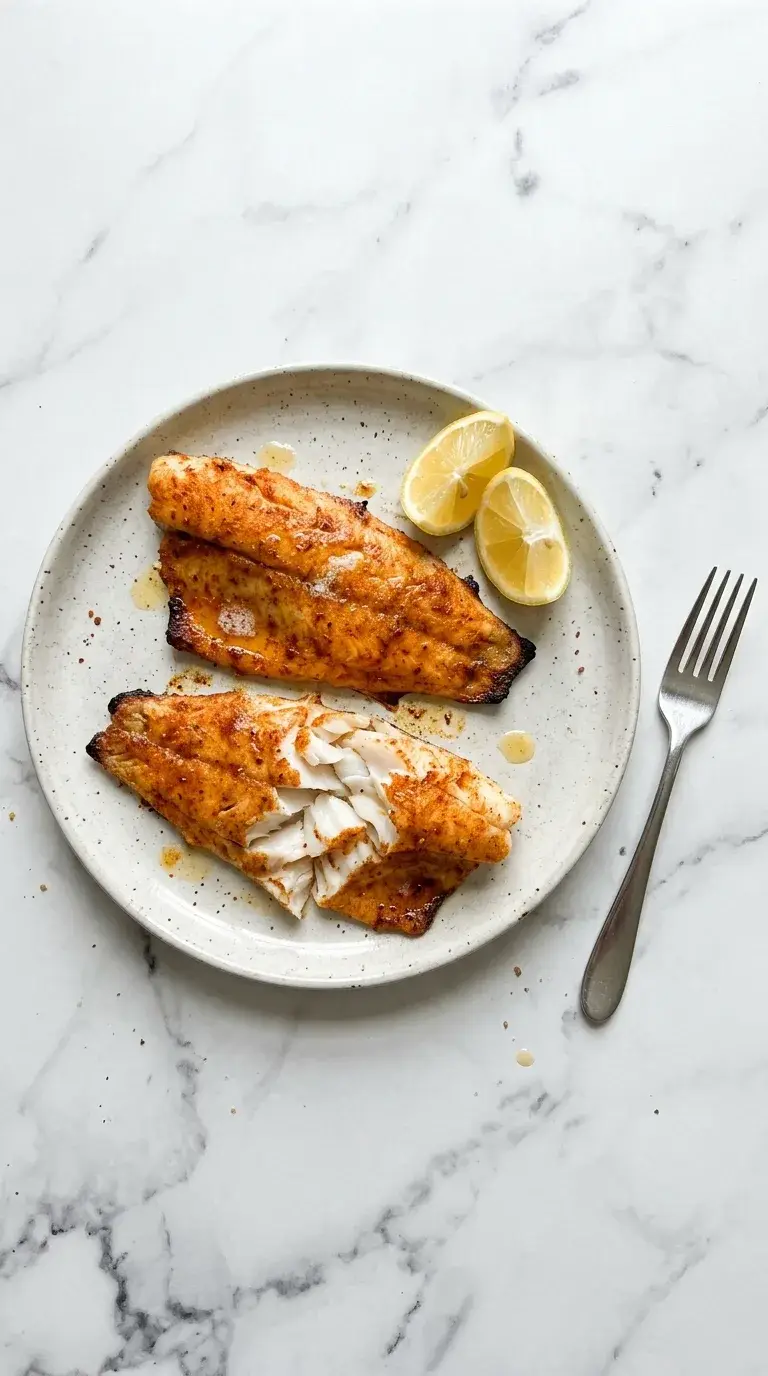
Broiled haddock is a Mediterranean-style dish featuring tender white fish fillets. You season the fish with a blend of paprika, onion powder, and garlic powder before adding dots of melted butter. The result is a flaky, high-protein meal with a savoury profile that remains light. Serve it alongside fluffy couscous or steamed green beans to complete the plate.
Pat the fillets dry with paper towels before applying the spices to ensure the coating adheres to the fish. Without this step, the seasoning slides off and the fish steams rather than browning. Position your oven rack 15 cm (6 in) from the heating element to achieve a golden surface without over-cooking the centre. Let the fillets rest for 2 minutes after cooking to allow the juices to redistribute throughout the meat.
Broiled Haddock: Lightly Seasoned White Fish
Recipe cardIngredients
Watch how it's made
Instructions
-
Prepare the oven
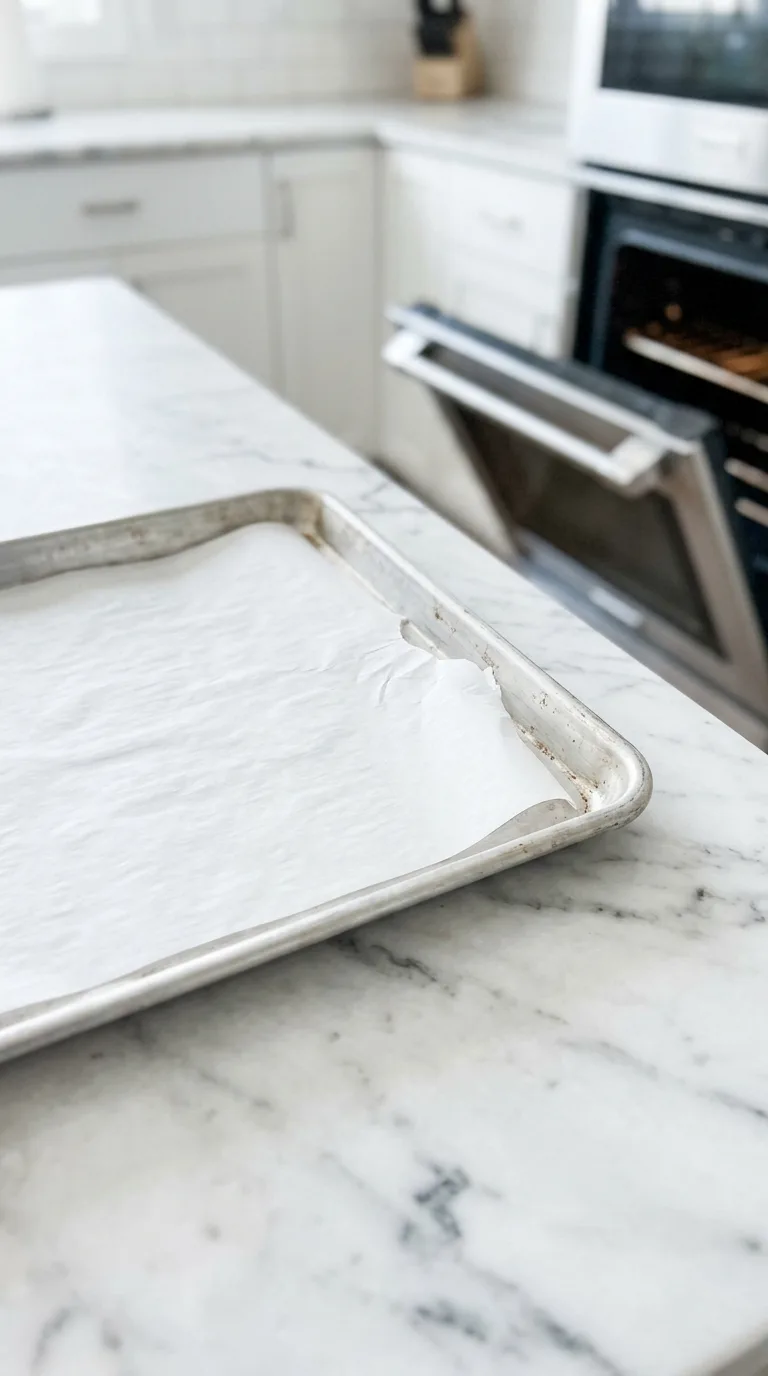
Set the broiler to high. Position the rack about 15 cm (6 in) from the heating element to ensure the heat is intense enough to sear. Line your baking sheet with parchment paper or spray it with olive oil to prevent the fish from sticking.
-
Arrange the fillets
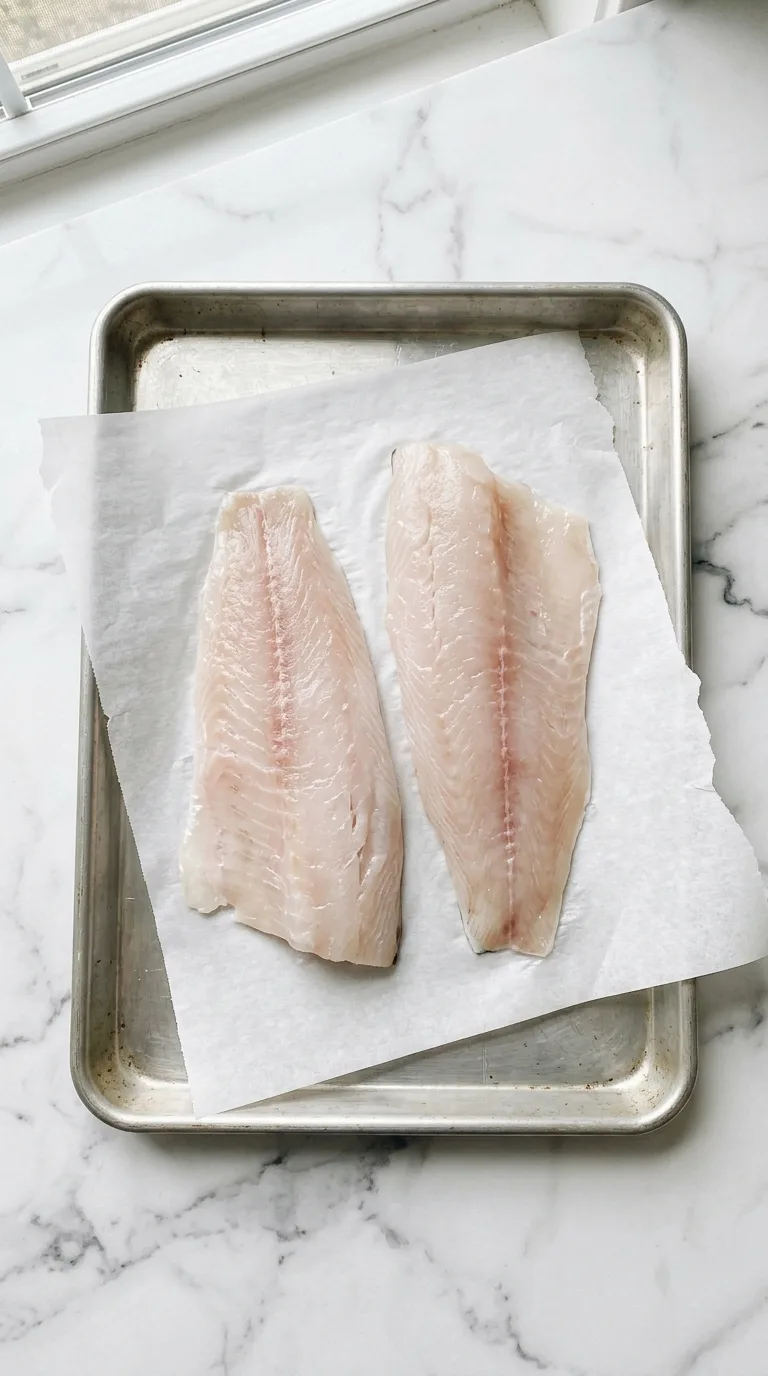
Place your haddock fillets on the prepared baking sheet. Position them skin-side down if the fillets have skin. This allows the flesh to be exposed to the direct heat for better browning.
-
Mix the spices
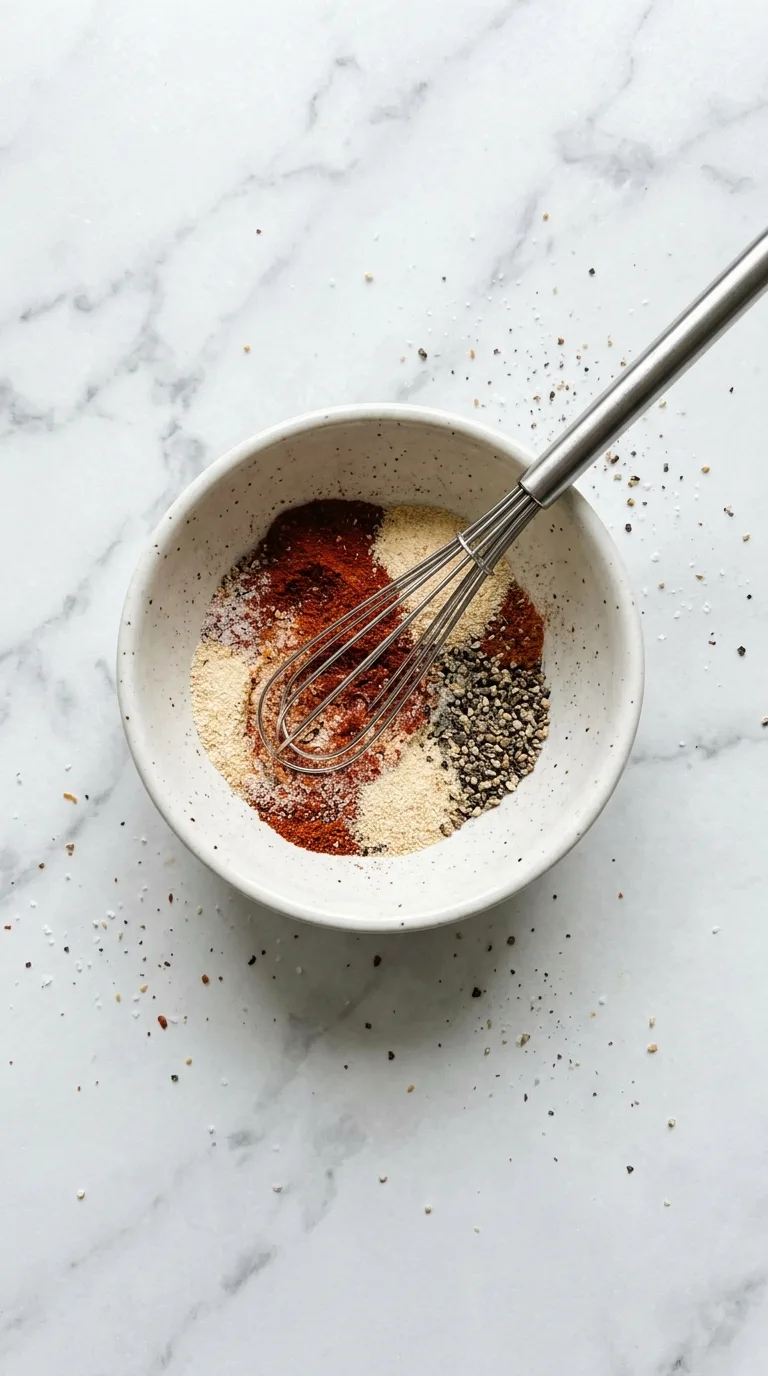
Whisk the onion powder, paprika, garlic powder, salt, pepper, and optional cayenne pepper in a small bowl. Mixing them first ensures an even distribution of flavour across the fish.
-
Season the fish
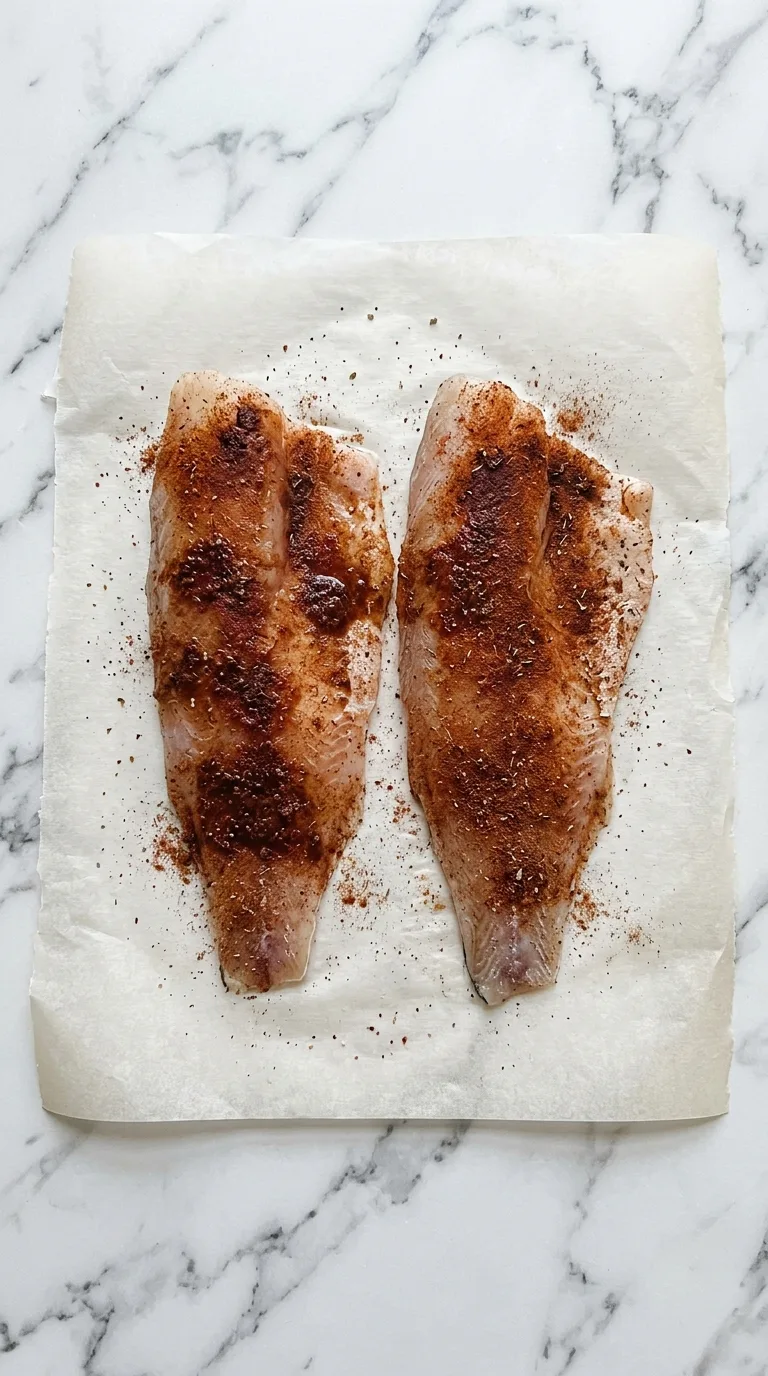
Pat the fillets dry with paper towels to remove excess moisture, which allows the spices to stick. Sprinkle the mixture evenly over both sides. Press the spices lightly into the flesh to ensure they adhere during cooking.
-
Add the fats
Dot the surface of each fillet with the melted butter. Drizzle a thin line of olive oil over the fish. The oil aids browning and adds a professional shine to the finished dish.
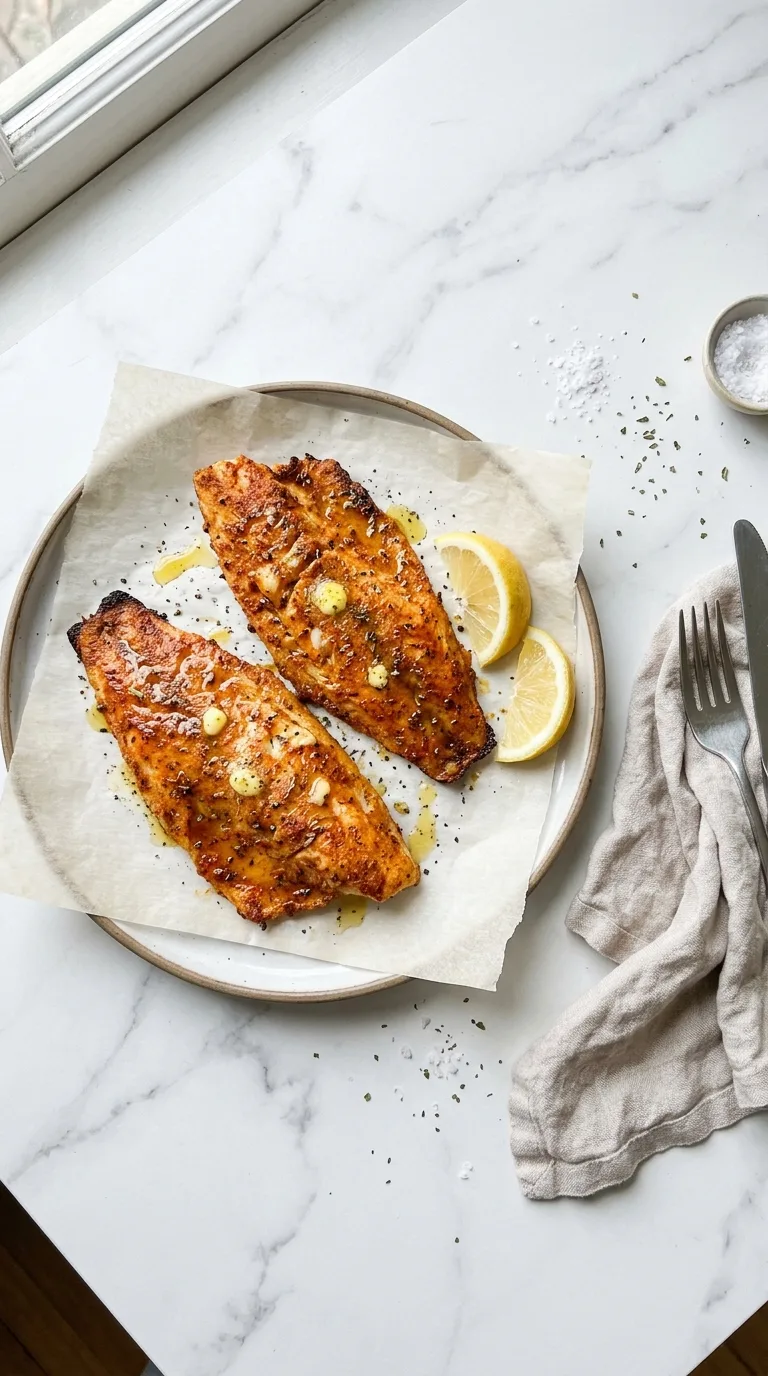
-
Broil the haddock
Place the sheet in the oven for 6–8 minutes. Watch for the first steam bubbles to avoid over-cooking. The fish is ready when it is opaque throughout and flakes easily with a fork.
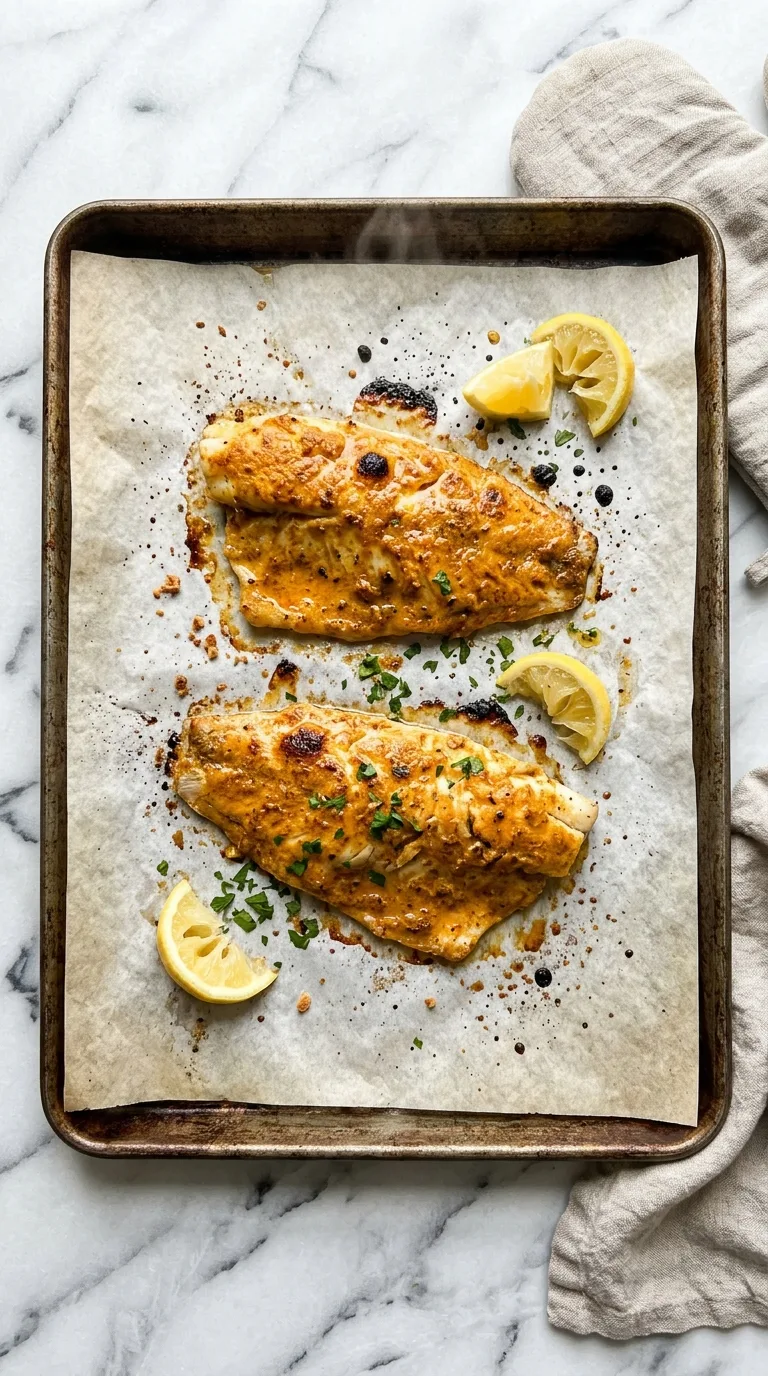
-
Rest and serve
Remove the baking sheet from the oven. Let the fillets rest for 2 minutes so the juices can redistribute through the meat. Serve immediately with lemon wedges on the side.
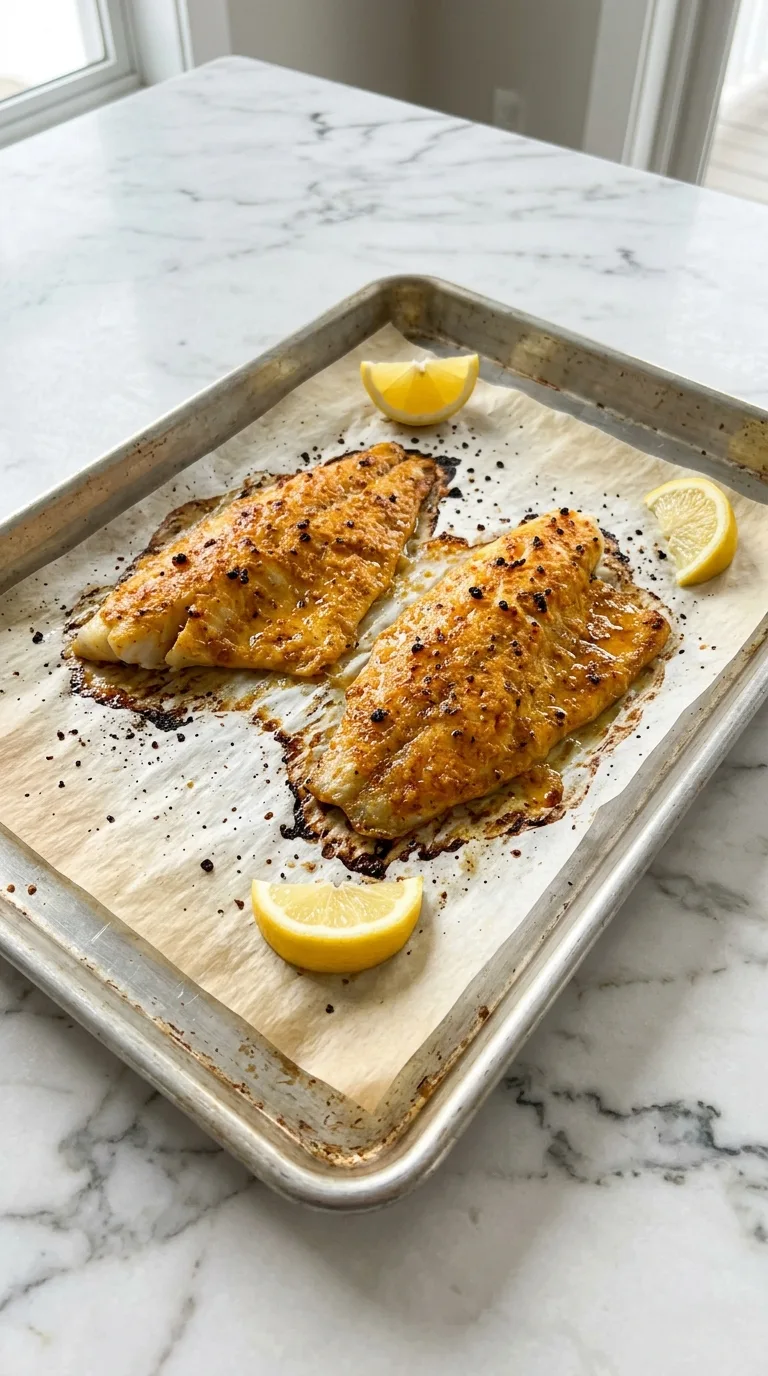
Monitor the fish closely during the final minutes of broiling. If the surface chars too quickly before the centre is opaque, the heat is too high. Move the oven rack slightly lower or use a convection setting to achieve a golden surface without burning the exterior.
What to serve with it
Place the fillets over fluffy couscous tossed with a light citrus vinaigrette for a Mediterranean style. Pair the fish with steamed green beans or asparagus finished with lemon butter. A sprinkle of chopped fresh parsley or dill adds a pop of colour and herbal brightness to the plate.
Storing and reheating
Cool any leftover fish completely before placing it in an airtight container. Store it in the refrigerator. To freeze, wrap fillets tightly in cling film and store for up to 2 months. Reheat thawed fish in a 120°C (250°F) oven for 8-10 minutes until heated through.
Nutrition per serving
- Calories
- 200
- Protein
- 20.0 g
- Carbs
- 2.5 g
- Fat
- 8.0 g
- Fiber
- 0.5 g
- Sugar
- 1.0 g
Estimated, and offered as a guide rather than a medical figure.
Made it? Rate it.
Questions people ask
What is the best way to broil haddock?
Pat the fillets dry and season them before dotting with butter. Place the rack 15 cm (6 in) from the heat. This ensures the fish browns on the surface without overcooking the centre, keeping the texture flaky and tender.
What is the best seasoning for haddock?
Use a blend of onion, garlic, and paprika with salt and pepper. These savoury spices complement the mild flavour of the fish. Adding a pinch of cayenne pepper provides a subtle heat that cuts through the richness of the butter.
What kind of fish is haddock?
Haddock is a white fish with a mild, savoury flavour and a flaky texture. It is leaner than cod, which makes it ideal for high-heat methods like broiling where it can absorb seasonings and butter without becoming greasy.

About the author
Mary C. Rivero
Mary C. Rivero specializes in comforting home‑cooked meals, from hearty pastas and sheet‑pan dinners to quick weeknight snacks. Her recipes feature clear, step‑by‑step directions and practical tips, helping readers create flavorful dishes with confidence and ease.