Broiled Quail: Simple Halal Poultry
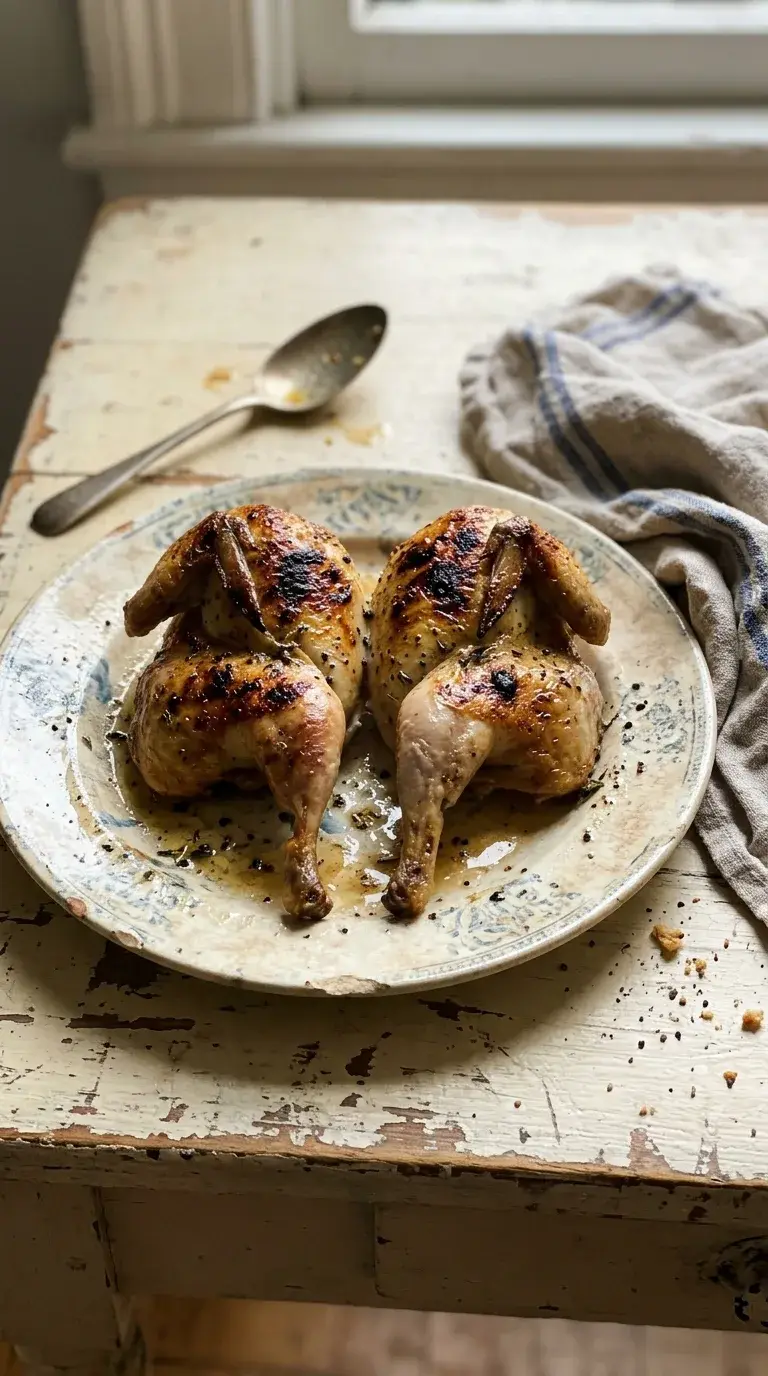
This broiled quail uses high heat to create a crisp exterior while keeping the meat moist. You must spatchcock the bird by cutting along the spine so it lays flat, which ensures the skin crisps evenly. Pat the skin dry with paper towels before seasoning to remove moisture that would steam the meat. Finish by letting the bird rest for 10 minutes so the juices redistribute, ensuring the meat remains succulent before you carve.
Broiled Quail: Simple Halal Poultry
Recipe cardIngredients
Watch how it's made
Instructions
-
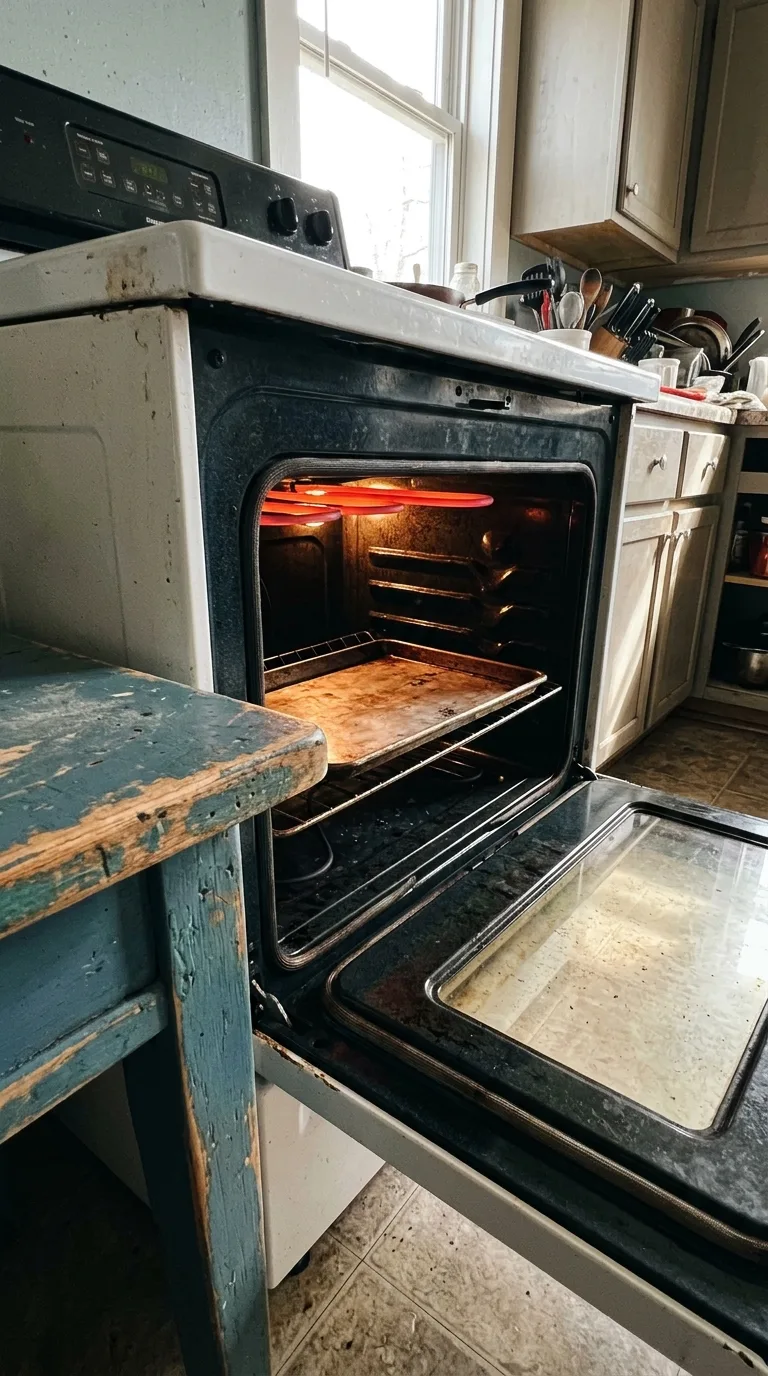
Prepare the oven
Pre-heat the oven broiler to 200°C (400°F). Ensure your baking tray is in place so it is hot when the bird arrives.
-
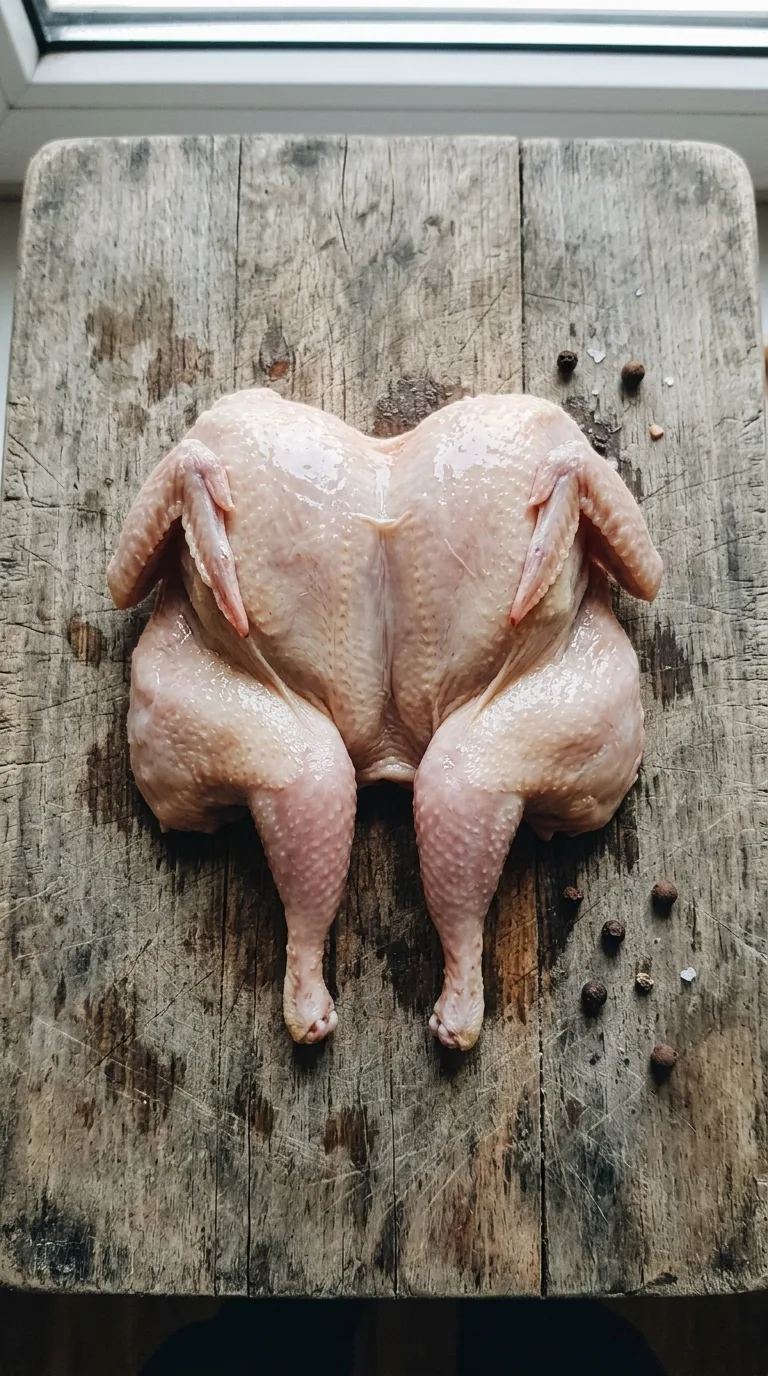
Spatchcock the quail
Place the quail on a cutting board. Use kitchen scissors to cut along the spine so the bird lays flat. This allows the skin to crisp up evenly.
-
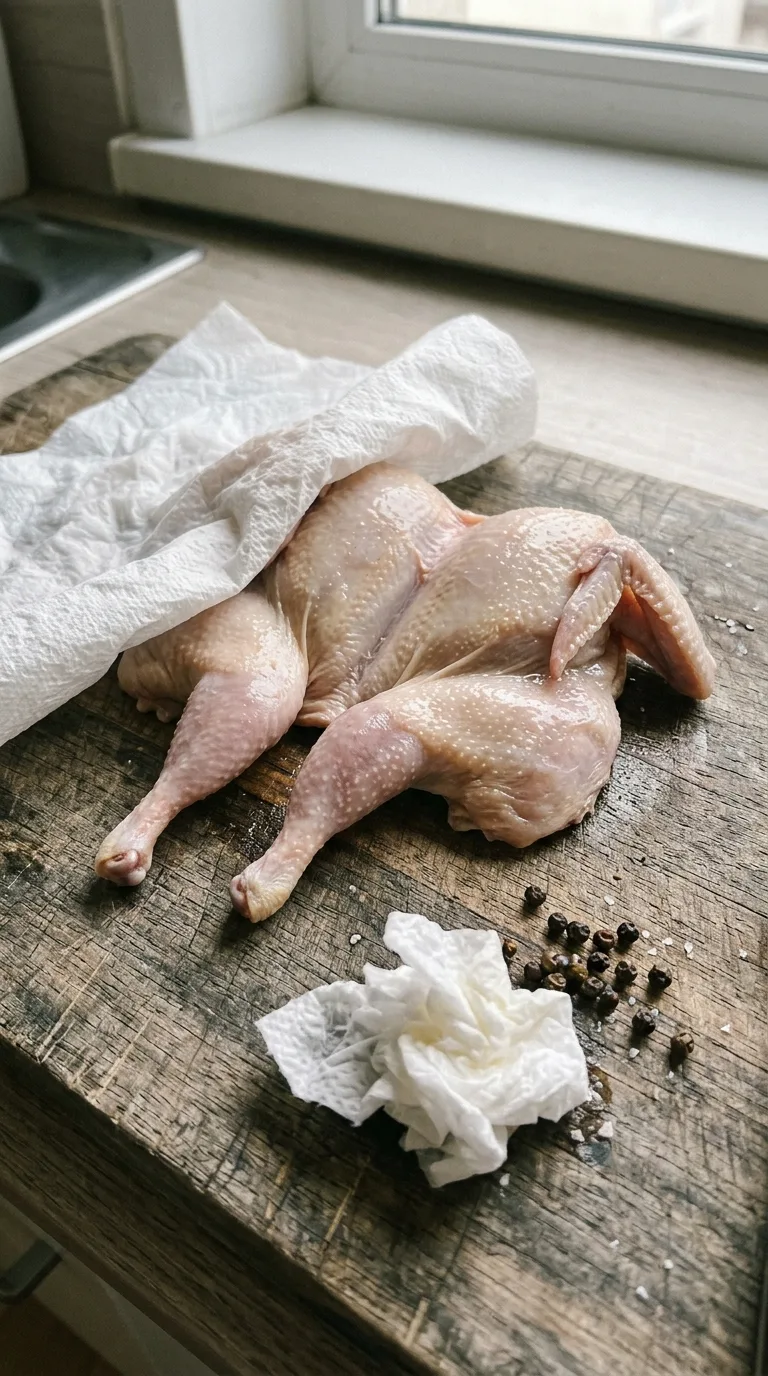
Dry the skin
Pat the quail dry thoroughly with paper towels. You must remove all surface moisture because dry skin becomes crisper under high heat.
-
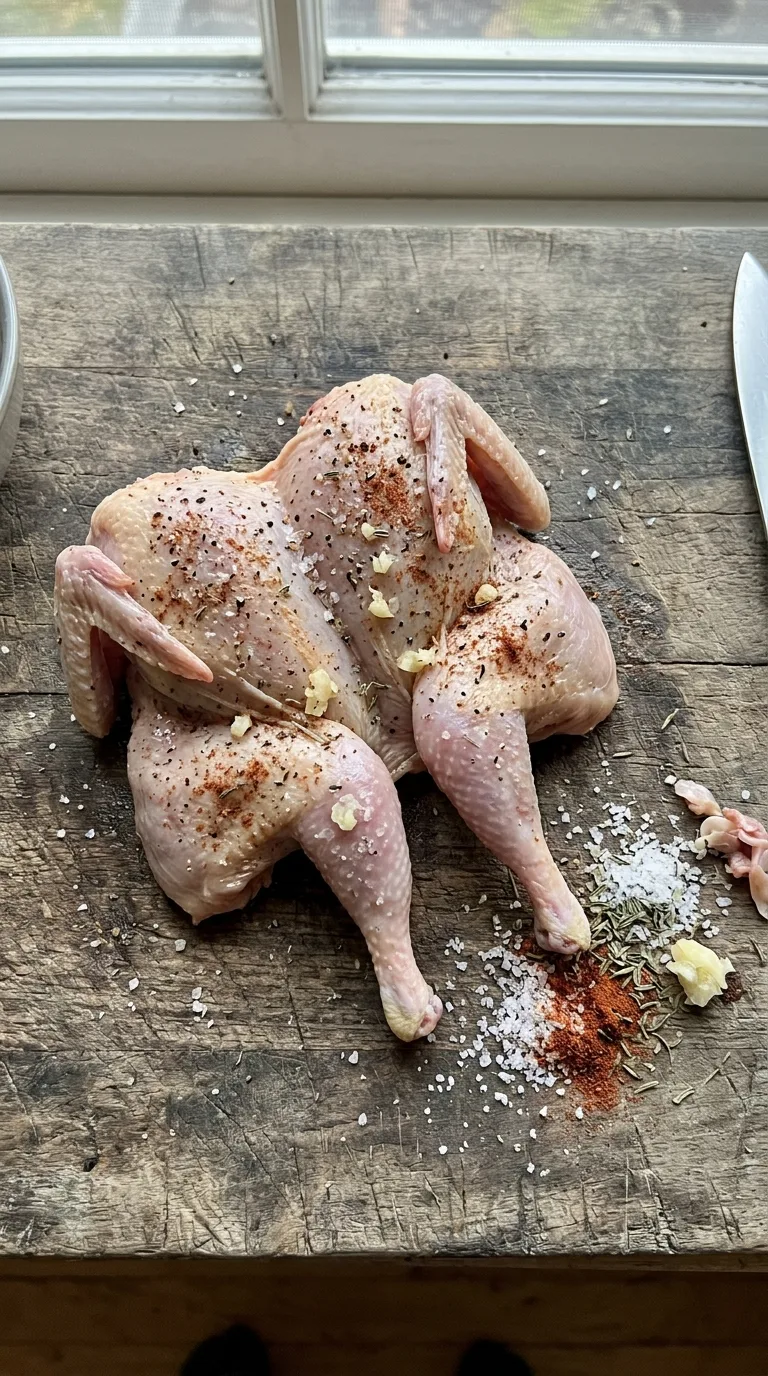
Season the bird
Apply sea salt, black pepper, smoked paprika, thyme, and crushed garlic to both the inside and outside. The salt should penetrate the meat to build a savoury profile.
-
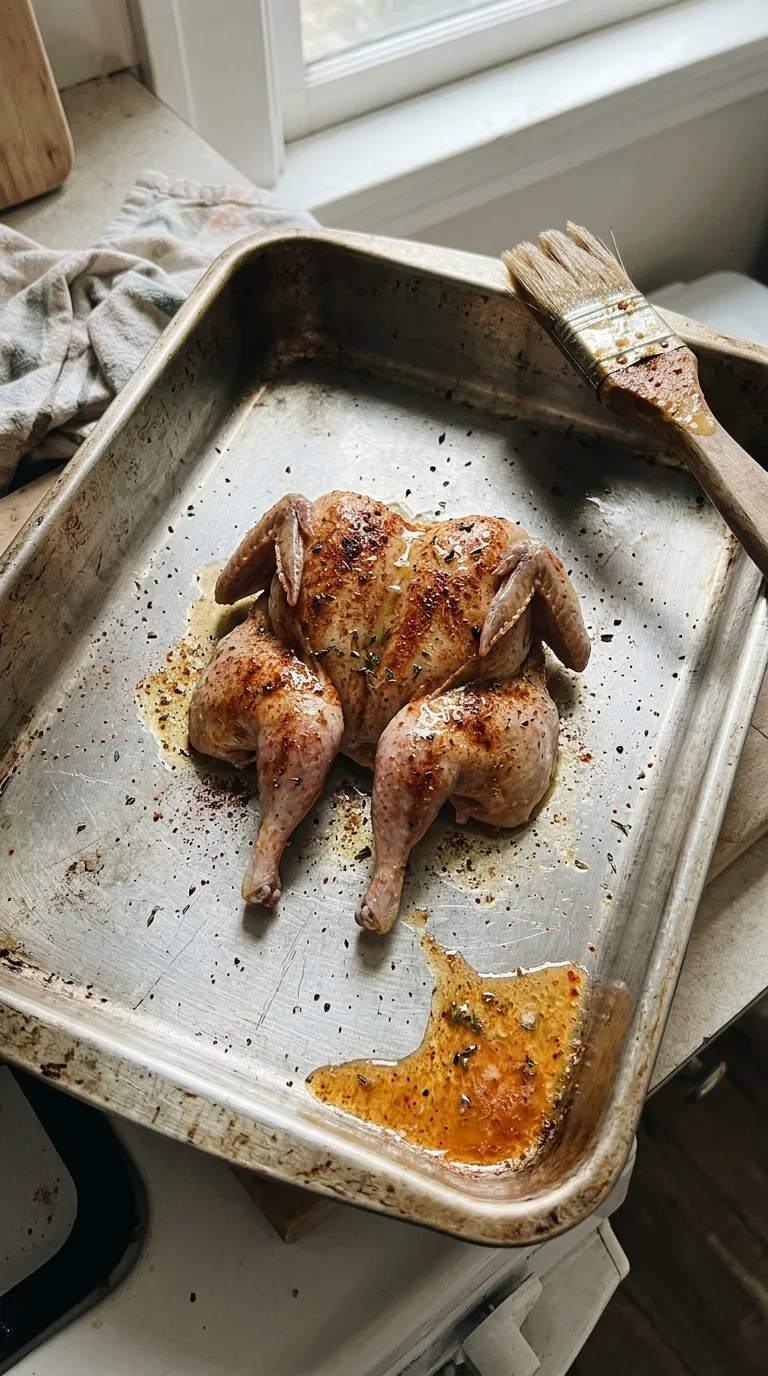
Apply the butter
Brush the melted butter over the entire surface and inside the cavity. This fat prevents the lean meat from drying out during the fast cook.
-
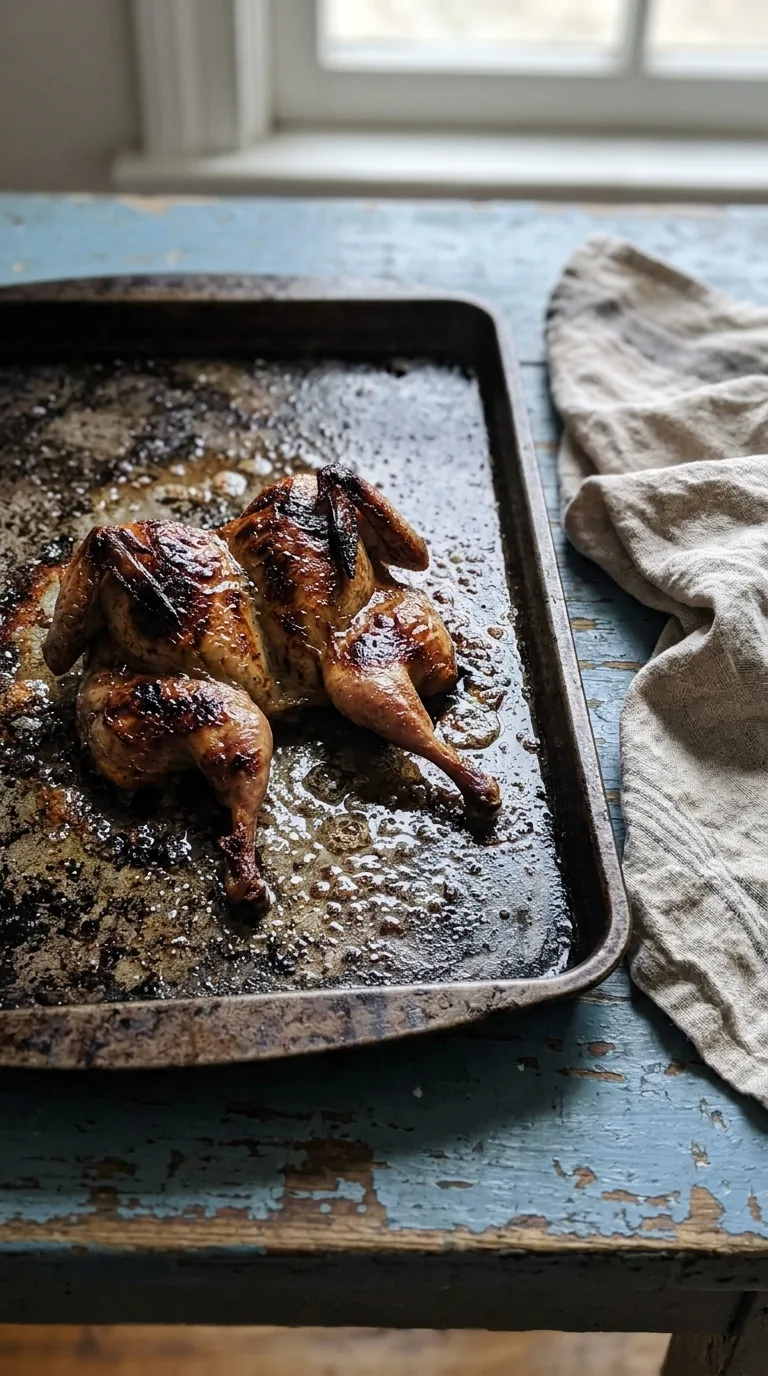
Broil the quail
Place the bird breast-side down on the pre-heated tray. Broil for 10 minutes, flipping the bird halfway through with tongs to ensure both sides brown.
-
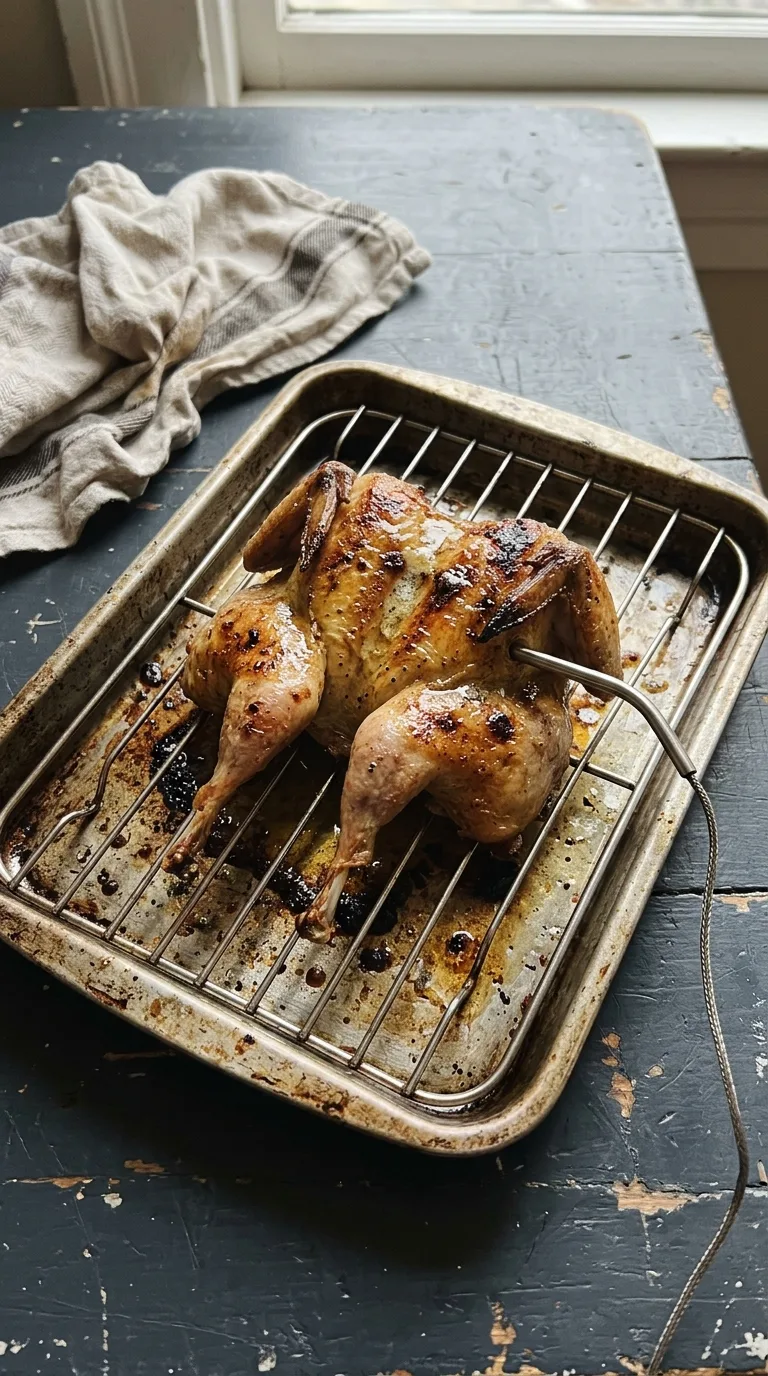
Check the temperature
Insert a meat thermometer into the thickest part of the breast. It must read 74°C (165°F) to ensure the meat is cooked safely and thoroughly.
-
Rest the meat
Transfer the quail to a plate and cover loosely with foil. Leave it for 10 minutes so the juices redistribute, keeping the meat succulent.
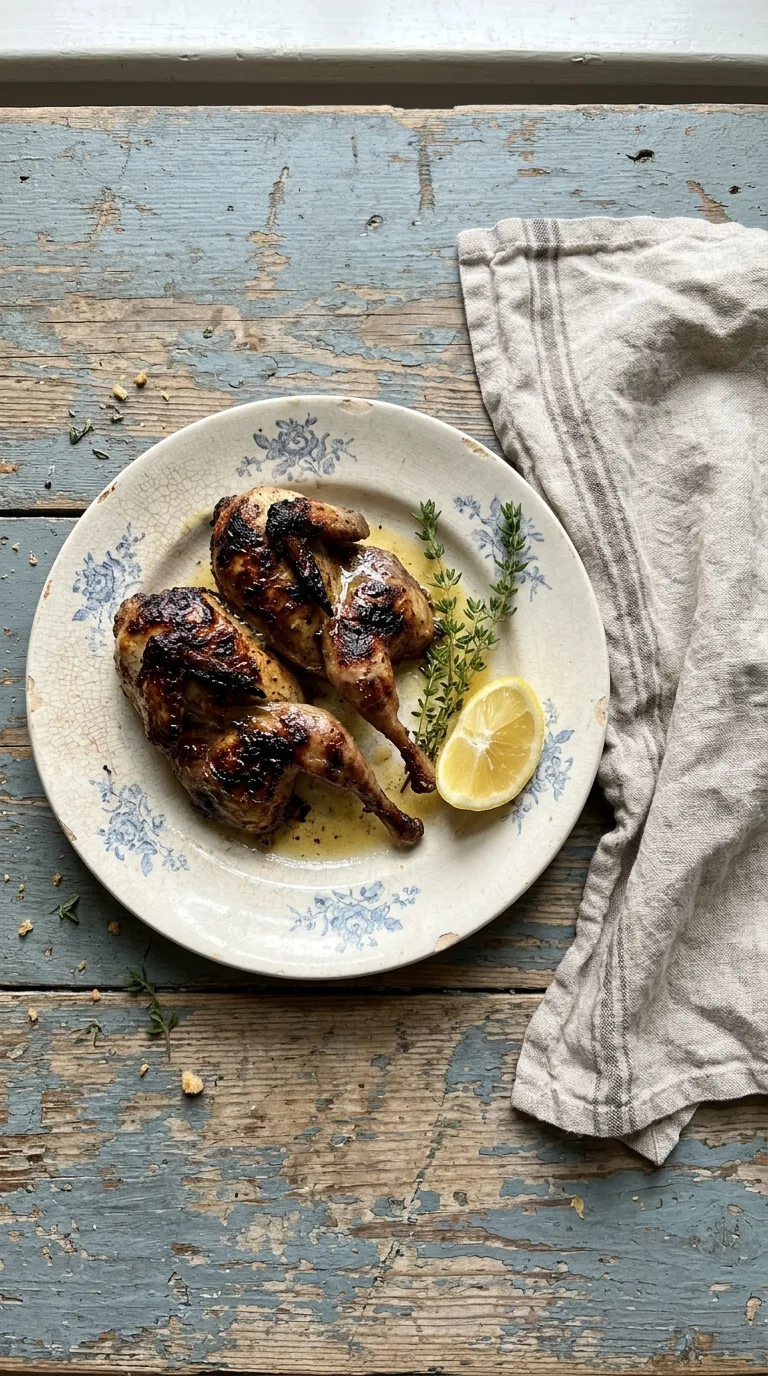
Do not skip the resting period. If you carve the bird immediately, the juices will run out onto the plate. This leaves the meat dry and tough rather than tender. Wait until the internal pressure settles to maintain the moisture.
What to serve with it
Pair this bird with oven-roasted root vegetables tossed in olive oil and rosemary. For a lighter contrast, use a citrus-herb couscous salad. You may also drizzle a mixture of honey and Dijon mustard over the meat to add a sweet kick to the savoury profile of the quail.
Storing and reheating
Keep cooked quail in the refrigerator for 2 to 4 days. Do not leave the meat at room temperature for more than 2 hours. For longer storage, wrap the bird tightly in foil and freeze for up to 4 months. Thaw it in the refrigerator overnight before reheating.
Getting the texture right
Pat the skin dry with paper towels before seasoning. Removing surface moisture allows the skin to crisp quickly under the heat. Rest the bird for 10 minutes after cooking so the juices redistribute. This prevents the meat from becoming dry when you carve the breast.
Making it ahead
You can prepare the bird for a juicier result by soaking it overnight in a brine of 1 L water, 30 g salt, 20 g brown sugar, 4 g peppercorns, and 1 bay leaf. Pat it dry and season it immediately before you start the broiling process.
Nutrition per serving
- Calories
- 410
- Protein
- 25.0 g
- Carbs
- 2.0 g
- Fat
- 31.0 g
- Fiber
- 0.5 g
- Sugar
- 0.8 g
Estimated, and offered as a guide rather than a medical figure.
Made it? Rate it.
Questions people ask
What is the best way to cook quails?
Broiling is an efficient method. Spatchcocking the bird and using a high temperature of 200°C (400°F) ensures the skin crisps up quickly while the meat remains succulent. Always use a meat thermometer to reach 74°C (165°F) for safety.
What do you soak quail in before cooking?
Use a brine consisting of water, salt, brown sugar, peppercorns, and a bay leaf. Soaking the meat overnight breaks down proteins and adds moisture, which prevents the small bird from drying out during the high-heat broiling process.
What are the potential disadvantages of eating quail meat?
The primary disadvantage is the small size of the bird, which requires careful timing to avoid overcooking. Because the meat is lean, it can become dry quickly if you do not let it rest after cooking.

About the author
Mary C. Rivero
Mary C. Rivero specializes in comforting home‑cooked meals, from hearty pastas and sheet‑pan dinners to quick weeknight snacks. Her recipes feature clear, step‑by‑step directions and practical tips, helping readers create flavorful dishes with confidence and ease.