Broiled Salmon: Fish with Sweet-Savoury Glaze
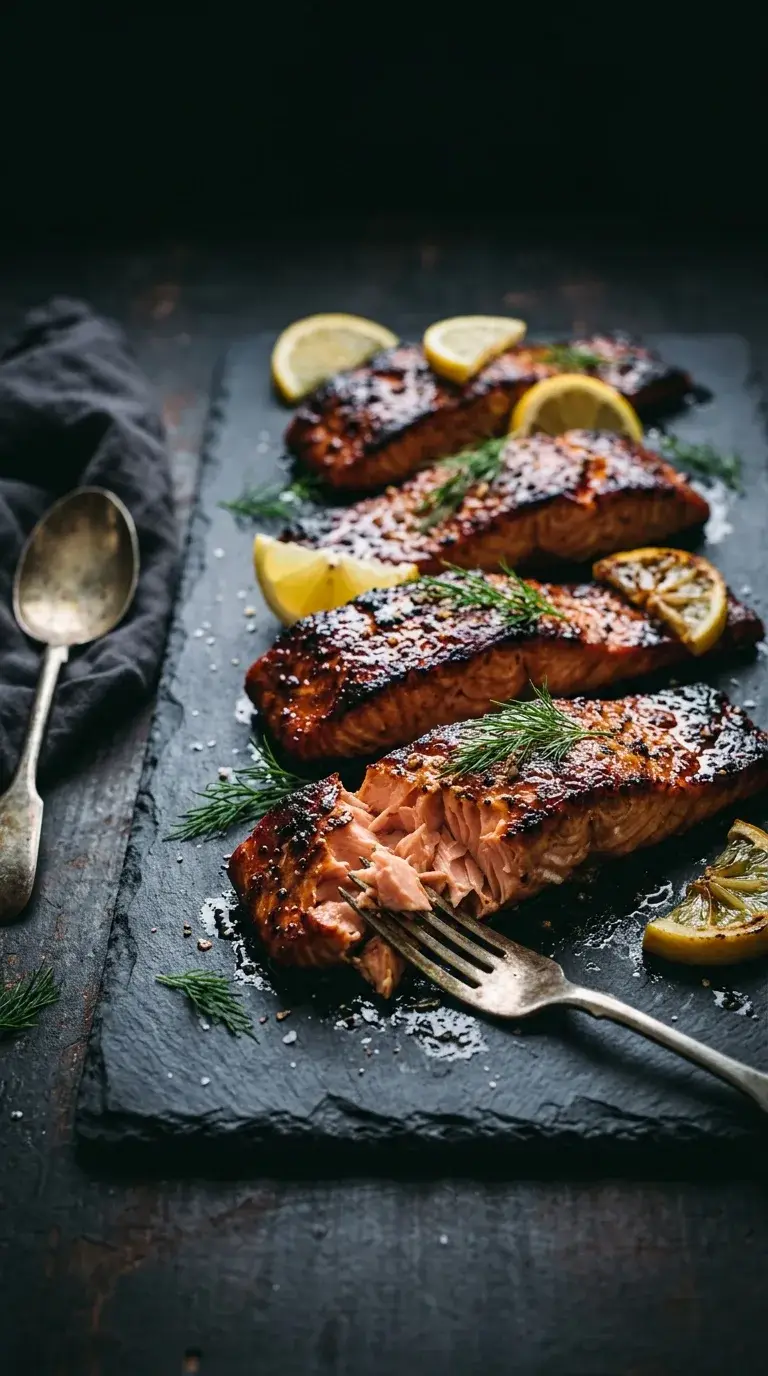
This broiled salmon is a Mediterranean dinner that combines fresh fillets with a glaze of maple syrup, honey, soy sauce and grape juice. You get a crisp exterior and a tender centre. It provides a balanced profile of salty and sweet notes. This dish is high in heart-healthy omega-3 fatty acids and protein, making it a wholesome choice for a quick meal.
Pat the salmon fillets dry with a paper towel before brushing them with olive oil. Moisture on the surface prevents the glaze from adhering and stops the skin from crisping. You must also allow the fish to rest for 2 minutes after removing it from the heat. This step helps the juices redistribute so the meat remains moist. Without the rest, the juices escape and the fillet becomes dry.
Broiled Salmon: Fish with Sweet-Savoury Glaze
Recipe cardIngredients
Watch how it's made
Instructions
-
Prepare the oven
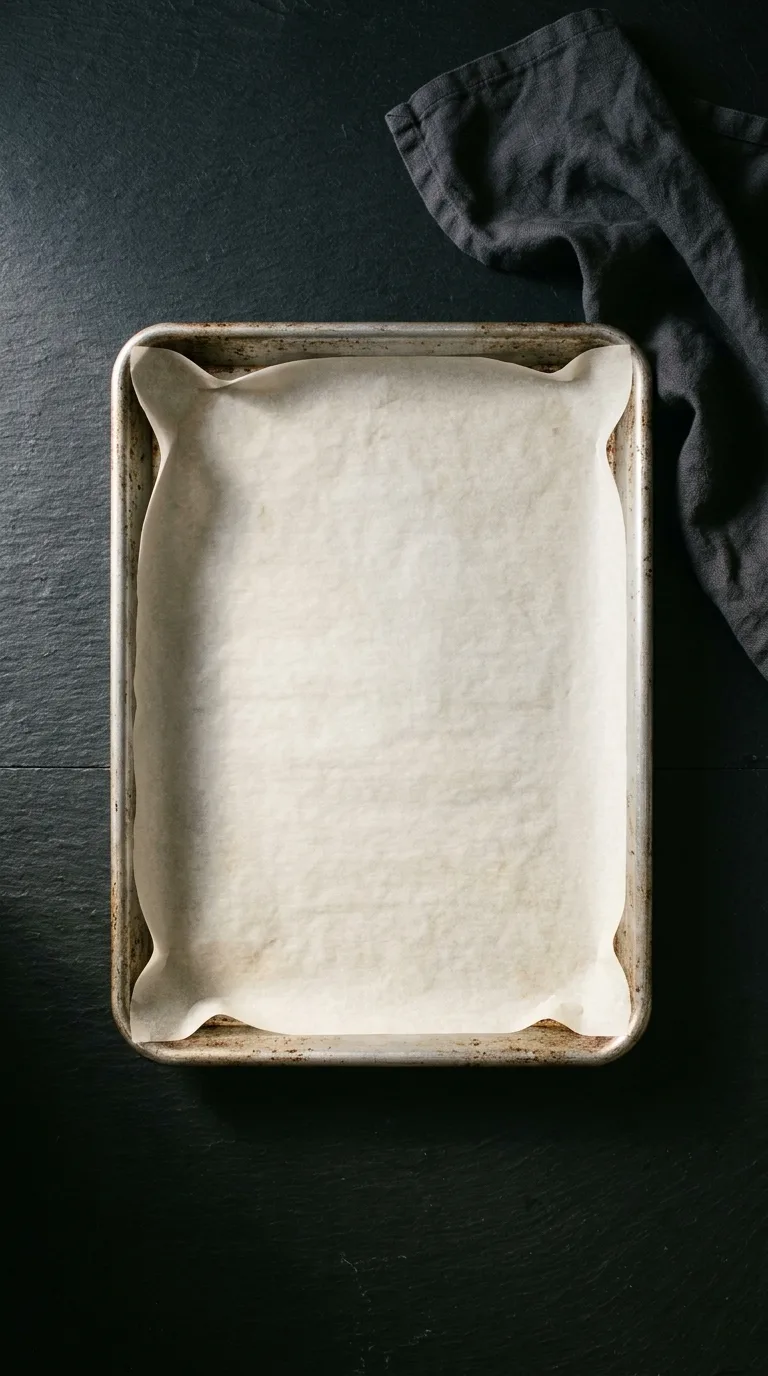
Pre-heat your broiler to 200°C (400°F). Position the oven rack roughly 15 cm from the heating element to ensure the heat is intense enough to caramelise the glaze. Line a baking sheet with foil or parchment paper to prevent sticking.
-
Season the fillets
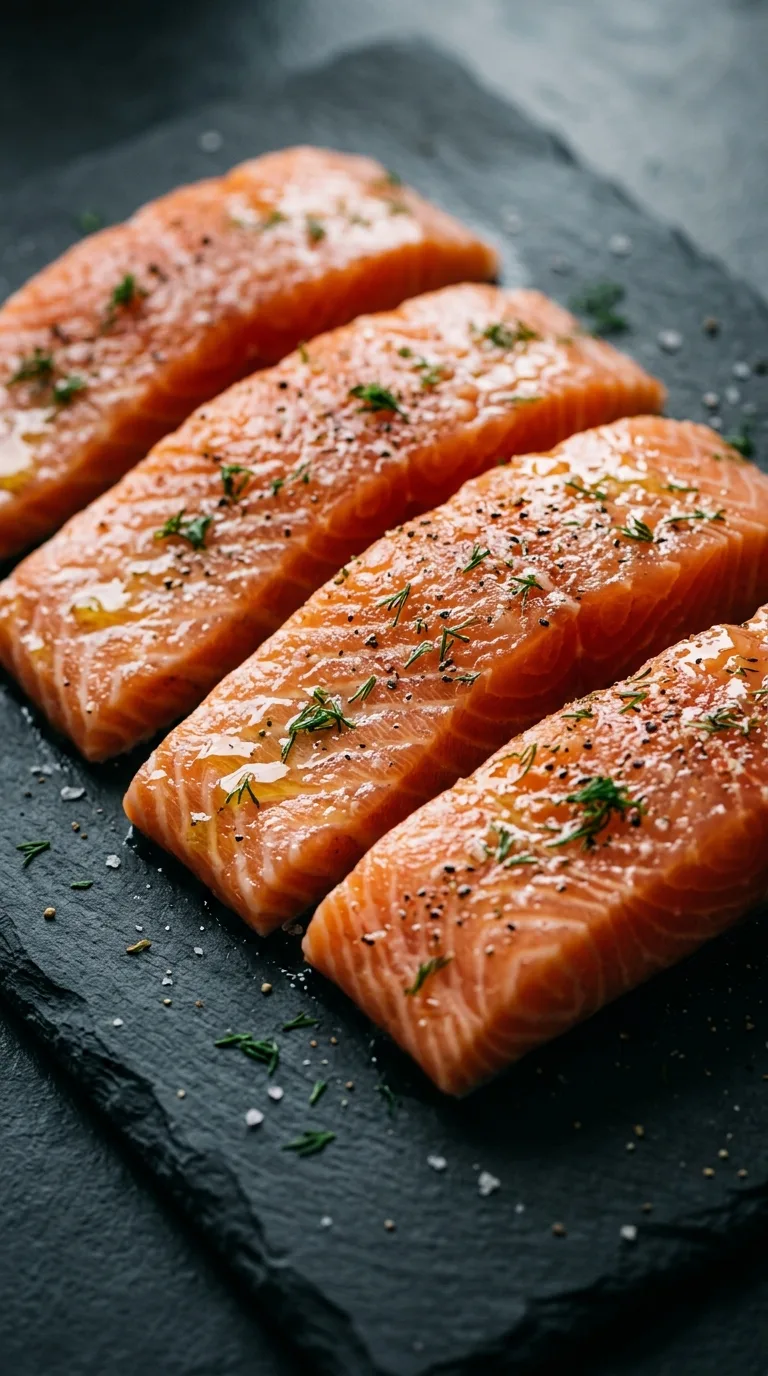
Pat the salmon fillets dry with a paper towel so the oil adheres better. Brush each side with 30 ml olive oil, then season with 5 g salt and 1 g pepper. Sprinkle chopped dill on top if you want extra aroma.
-
Whisk the glaze
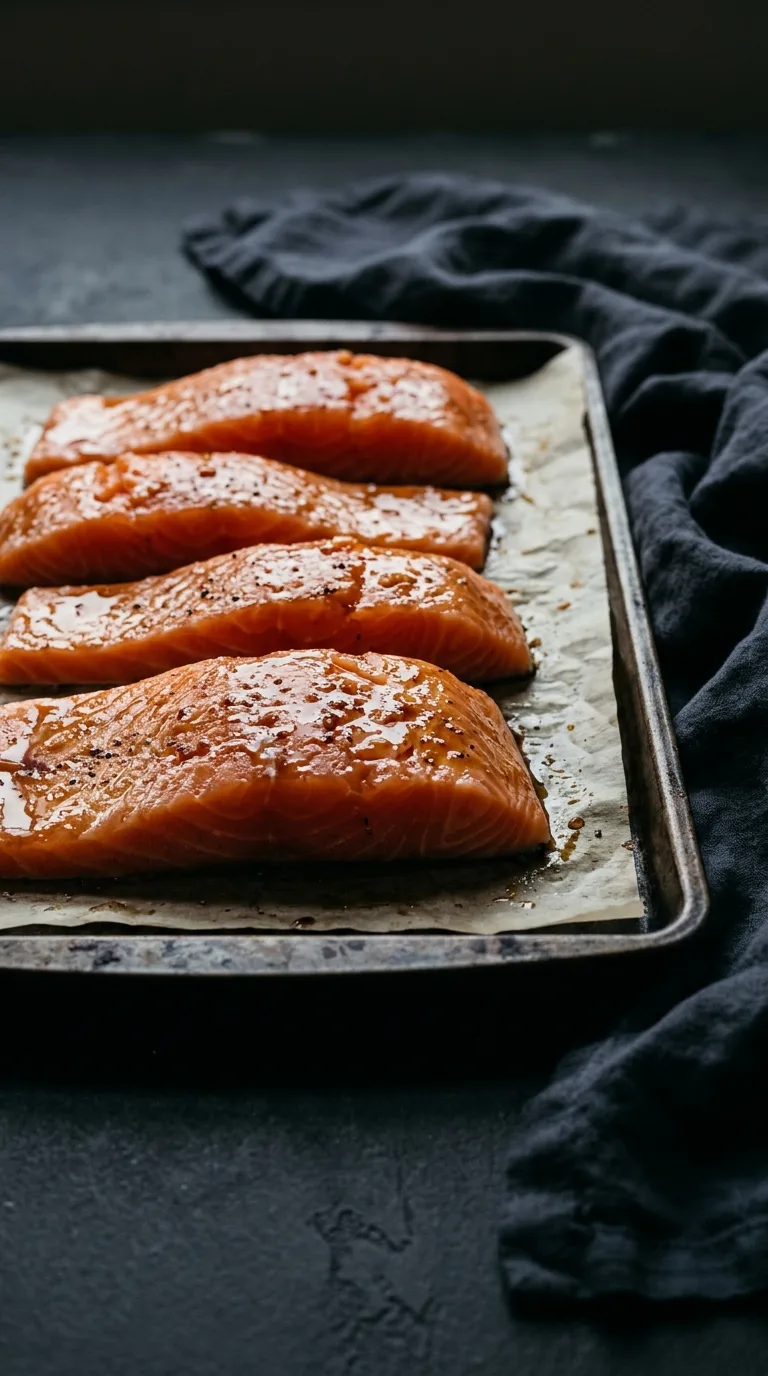
In a small bowl, combine 15 ml maple syrup, 15 ml honey, 15 ml soy sauce and 15 ml grape juice. Whisk until the mixture is smooth. Brush the glaze evenly over the surface of each fillet in a thin coating.
-
Broil the salmon
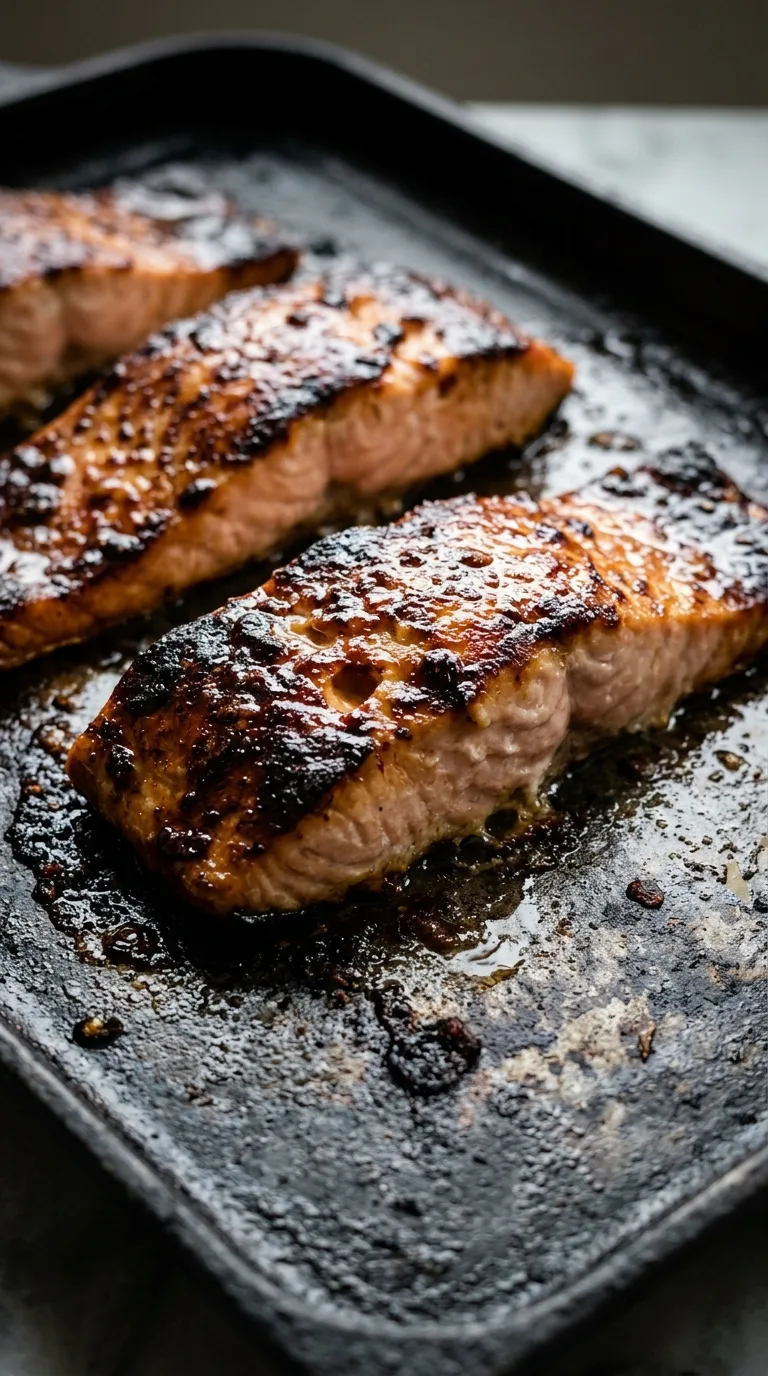
Place the fillets skin-side down on the prepared baking sheet. Slide them into the oven for 6–7 minutes. Watch closely until the edges char lightly and the skin looks crisp.
-
Check for doneness
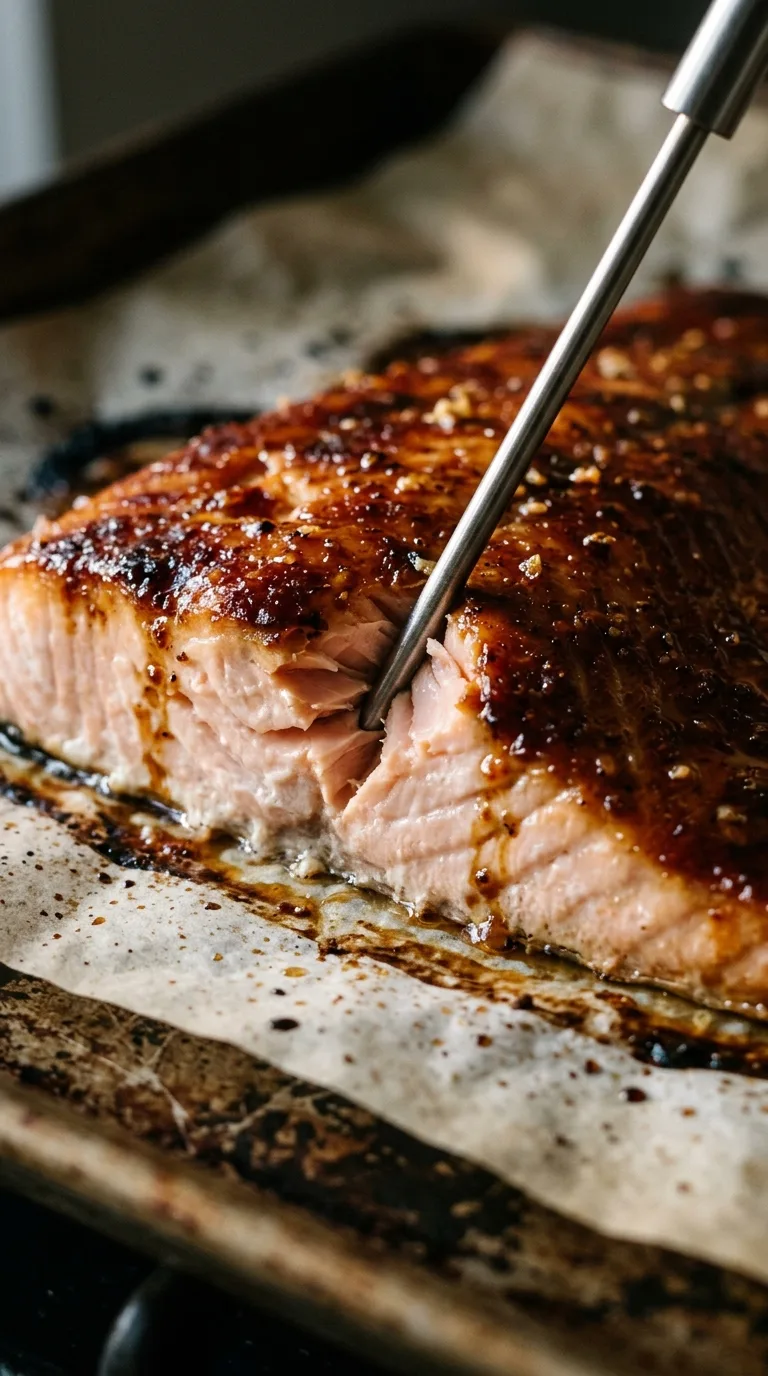
Insert a thermometer into the thickest part of the fillet. It should read 57°C (135°F) to ensure the centre is cooked but moist. Add one extra minute if the fillets are unusually thick.
-
Rest and serve
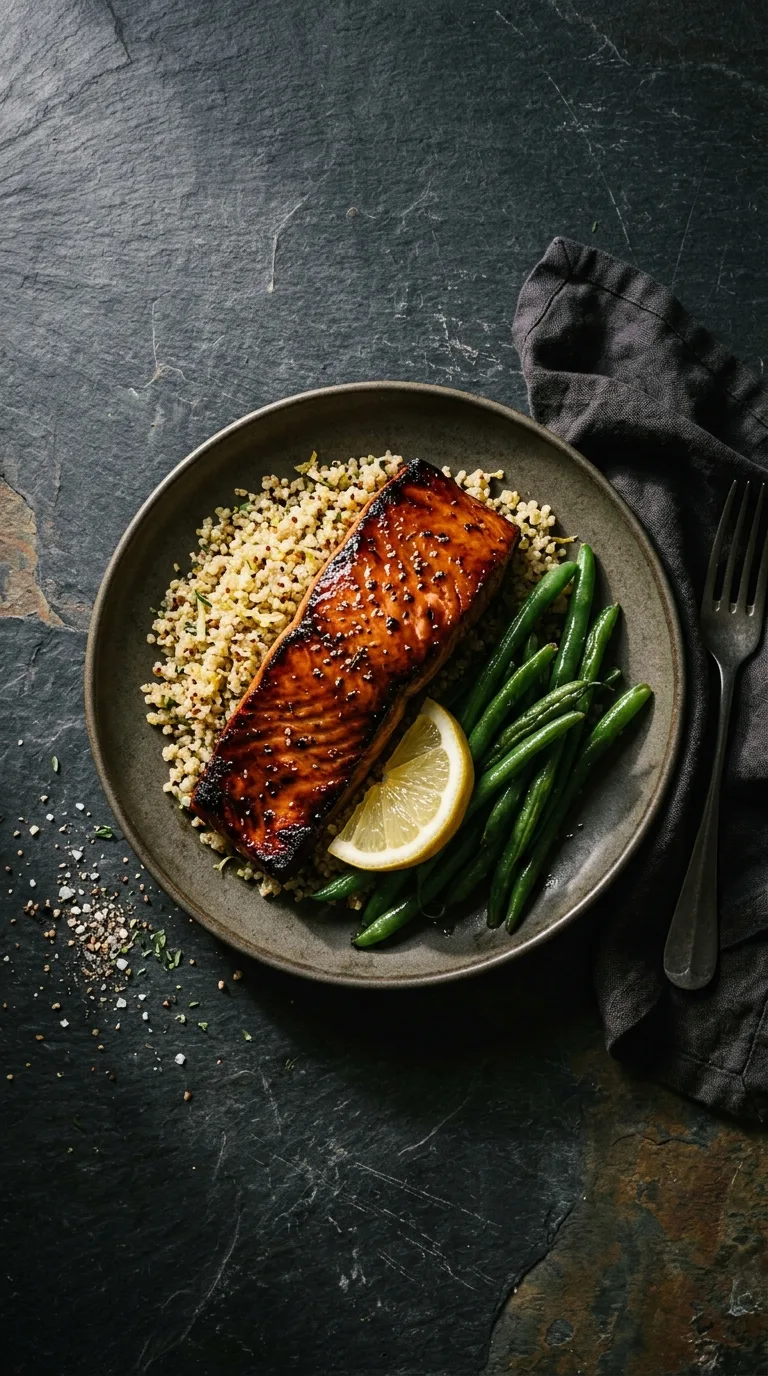
Remove the sheet from the broiler and let the salmon rest for 2 minutes. This helps the juices redistribute through the flesh. Serve immediately with lemon wedges and a sprinkle of dill.
Prevent the fillets from curling by letting them sit at room temperature for 10 minutes before broiling. If the flesh is very thick, pierce it lightly with a fork before cooking. This allows the heat to penetrate the centre evenly, preventing the outside from charring before the middle is cooked.
What to serve with it
Place the fillets over lemon-infused quinoa and steamed green beans for a balanced meal. You can also shred the fish to make tacos with avocado and cabbage slaw. For a lighter option, pair the salmon with a citrus salad and a drizzle of extra-virgin olive oil for a refreshing accompaniment.
Storing and reheating
Refrigerate cooked salmon within 2 hours to ensure food safety. Store it in an airtight container for up to 4 days. For longer storage, wrap the fish tightly in cling film and freeze for up to 2 months. Thaw the fillets overnight in the fridge before reheating.
Nutrition per serving
- Calories
- 380
- Protein
- 34.5 g
- Carbs
- 12.2 g
- Fat
- 22.1 g
- Fiber
- 0.5 g
- Sugar
- 8.4 g
Estimated, and offered as a guide rather than a medical figure.
Made it? Rate it.
Questions people ask
Is it better to broil or bake your salmon?
Broiling is better for a crisp, caramelised exterior. The direct heat from the top element browns the sweet-savoury glaze quickly, whereas baking provides a slower, more uniform heat that does not produce the same charred finish.
How long would you broil salmon for?
Broil the fillets for 6–7 minutes. You must watch them closely to ensure the edges char lightly without burning. Use a meat thermometer to confirm the internal temperature has reached 57°C (135°F) for perfect doneness.
Do you flip salmon when broiling?
No. Keep the fillets skin-side down for the duration of the cooking process. This allows the skin to crisp and protects the flesh from overcooking while the broiler browns the glazed surface.

About the author
Mary C. Rivero
Mary C. Rivero specializes in comforting home‑cooked meals, from hearty pastas and sheet‑pan dinners to quick weeknight snacks. Her recipes feature clear, step‑by‑step directions and practical tips, helping readers create flavorful dishes with confidence and ease.