Oven Baked Lobster Tail: Mediterranean Garlic Butter Seafood
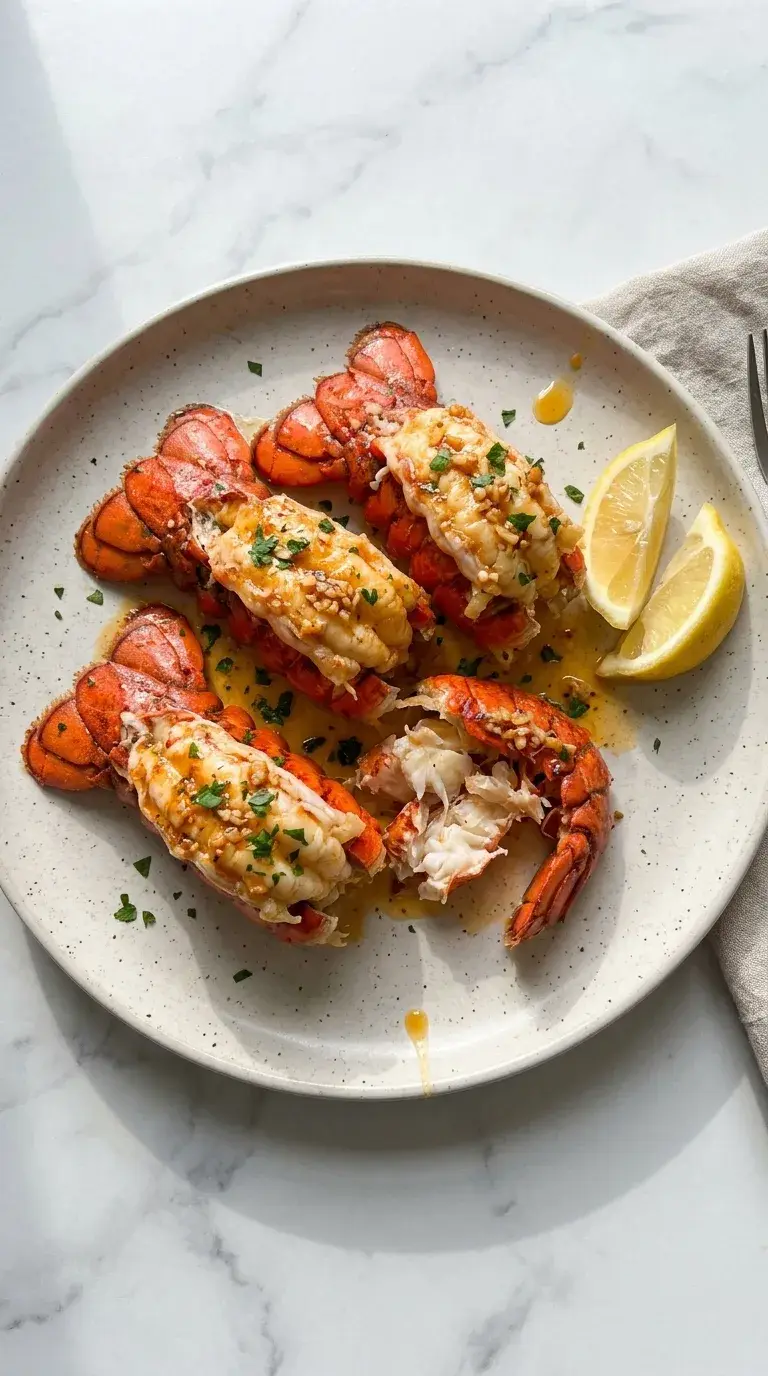
This oven baked lobster tail is a Mediterranean dinner featuring meat seasoned with melted butter, minced garlic, and lemon juice. The process produces a tender texture with a savoury profile from the paprika and onion powder. You serve this dish with chopped parsley to add a fresh contrast to the rich, buttery coating.
Use an instant-read thermometer to ensure the internal temperature reaches 57–60°C (135–140°F). Over-cooking leads to rubbery lobster. You must also allow the meat to rest for 5 minutes after removing it from the 220°C (425°F) oven. This step ensures the juices redistribute through the flesh so the seafood remains moist.
Oven Baked Lobster Tail: Mediterranean Garlic Butter Seafood
Recipe cardIngredients
Instructions
-
Prepare the oven
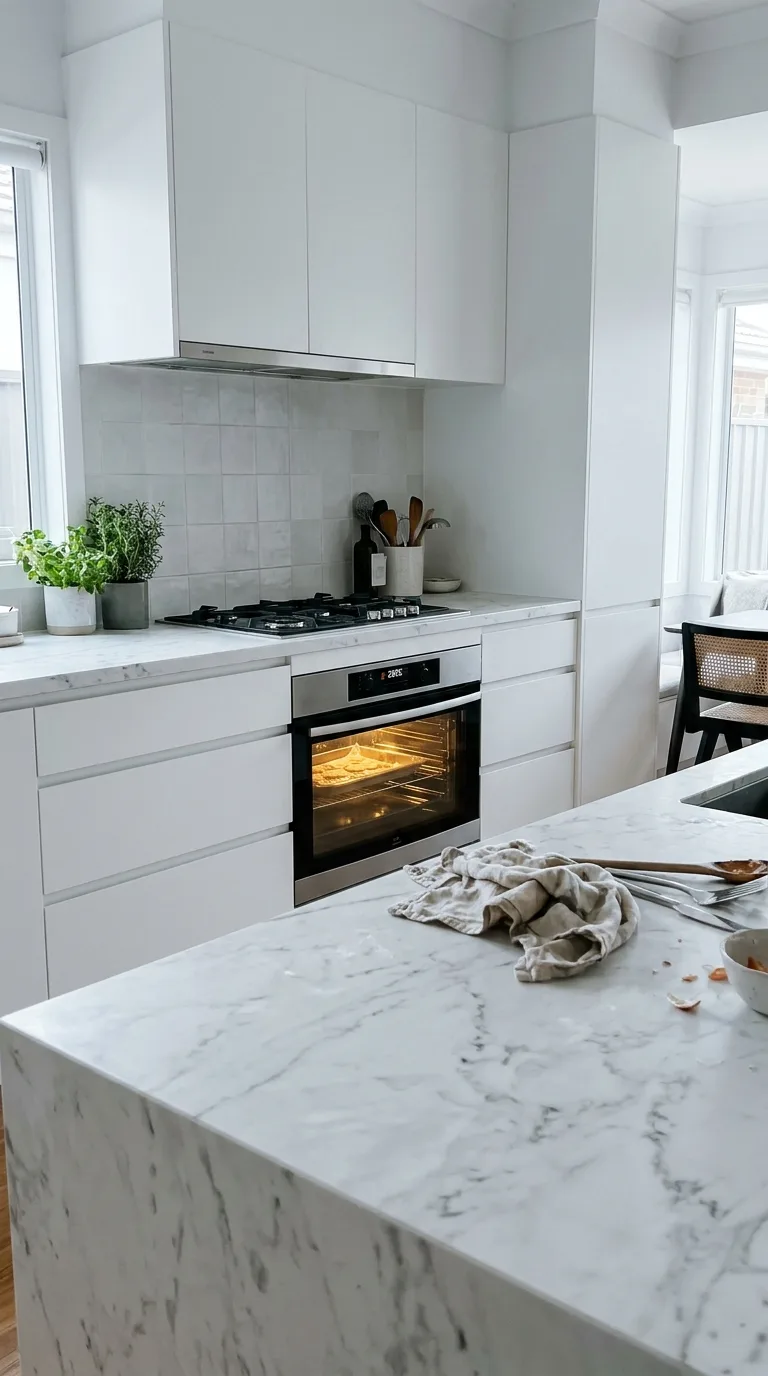
Pre-heat your oven to 220°C (425°F). Ensure the oven reaches this temperature before you start the lobster to ensure a quick sear.
-
Thaw and dry
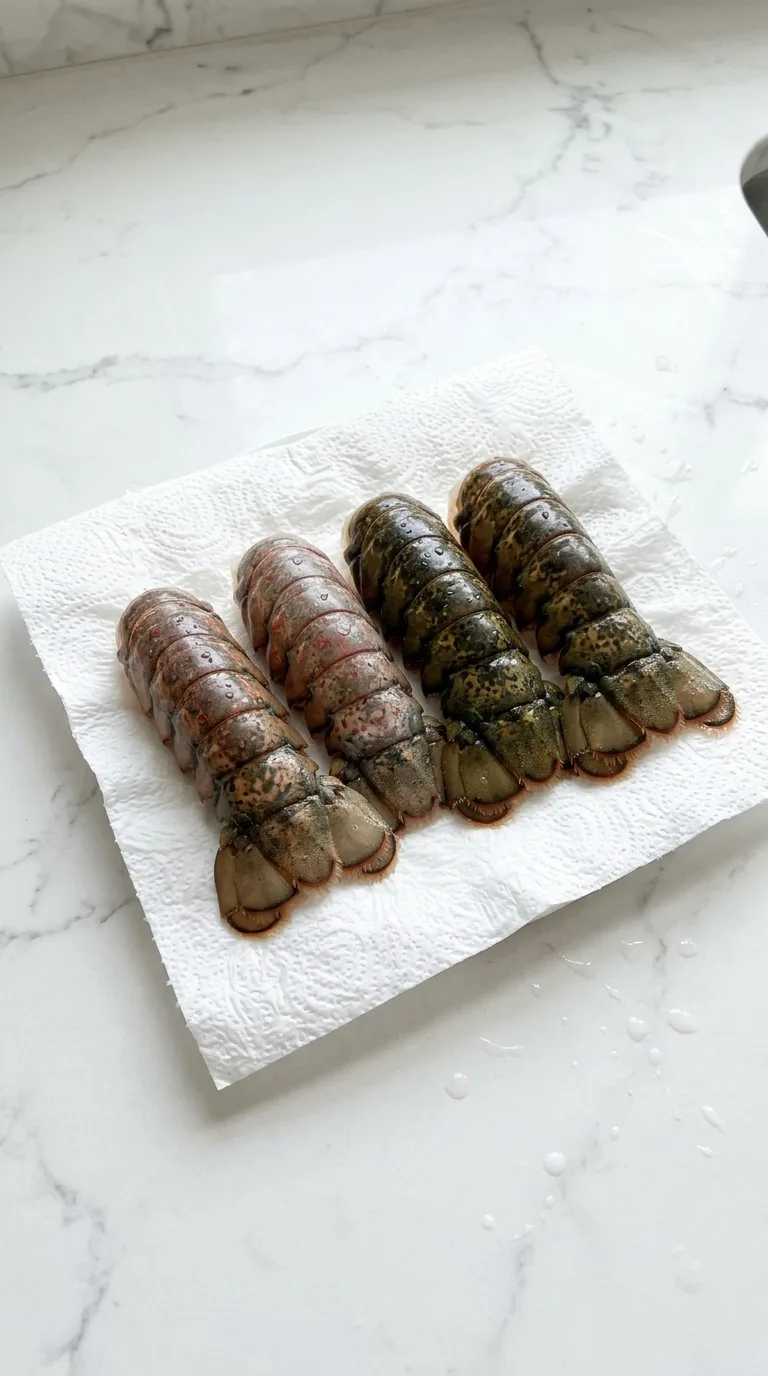
Thaw frozen tails in cold water for 30–60 minutes or in the refrigerator overnight. Pat them dry with paper towels. Dry meat allows the butter mixture to adhere without sliding off.
-
Butterfly the tails
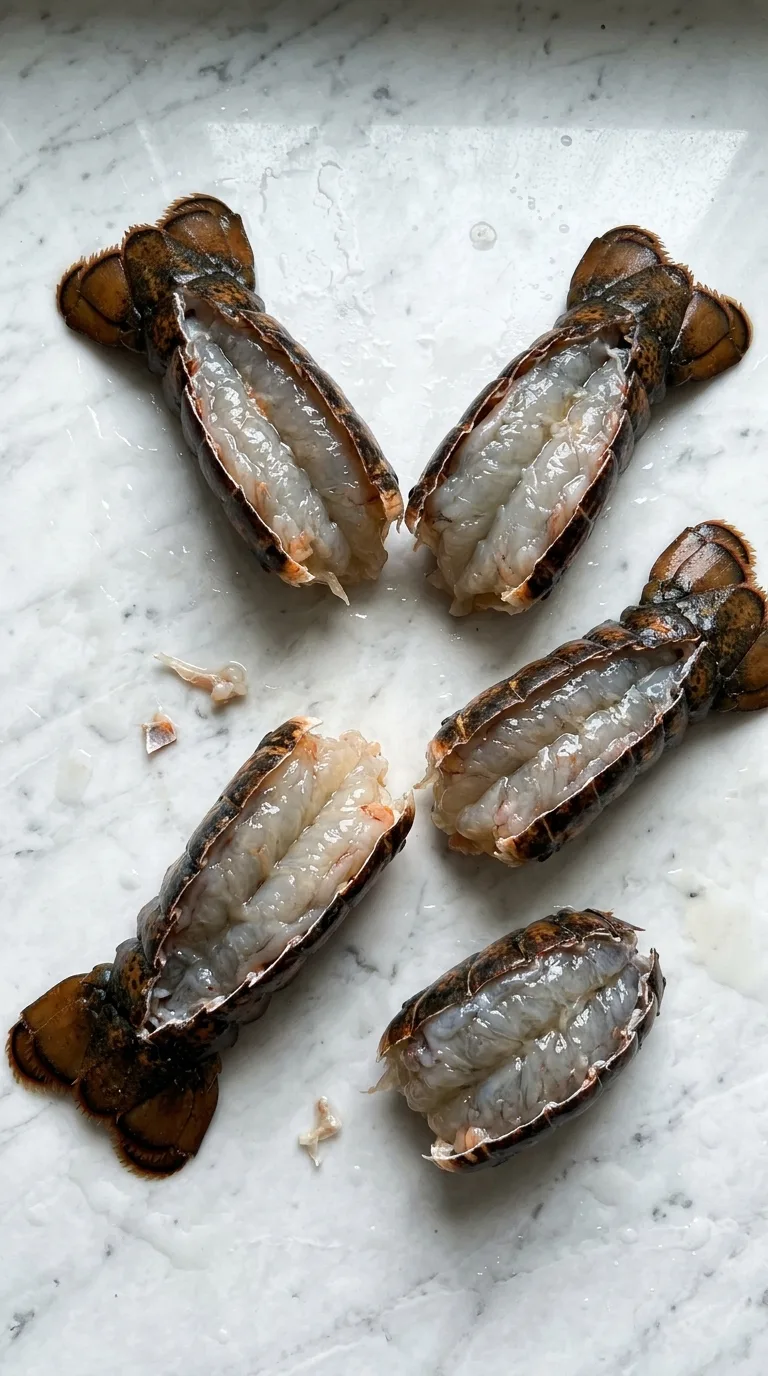
Use kitchen shears to cut along the mantle and open the shell to expose the meat. Trim away any excess cartilage with a knife. This ensures the heat reaches the centre of the meat evenly.
-
Mix the butter
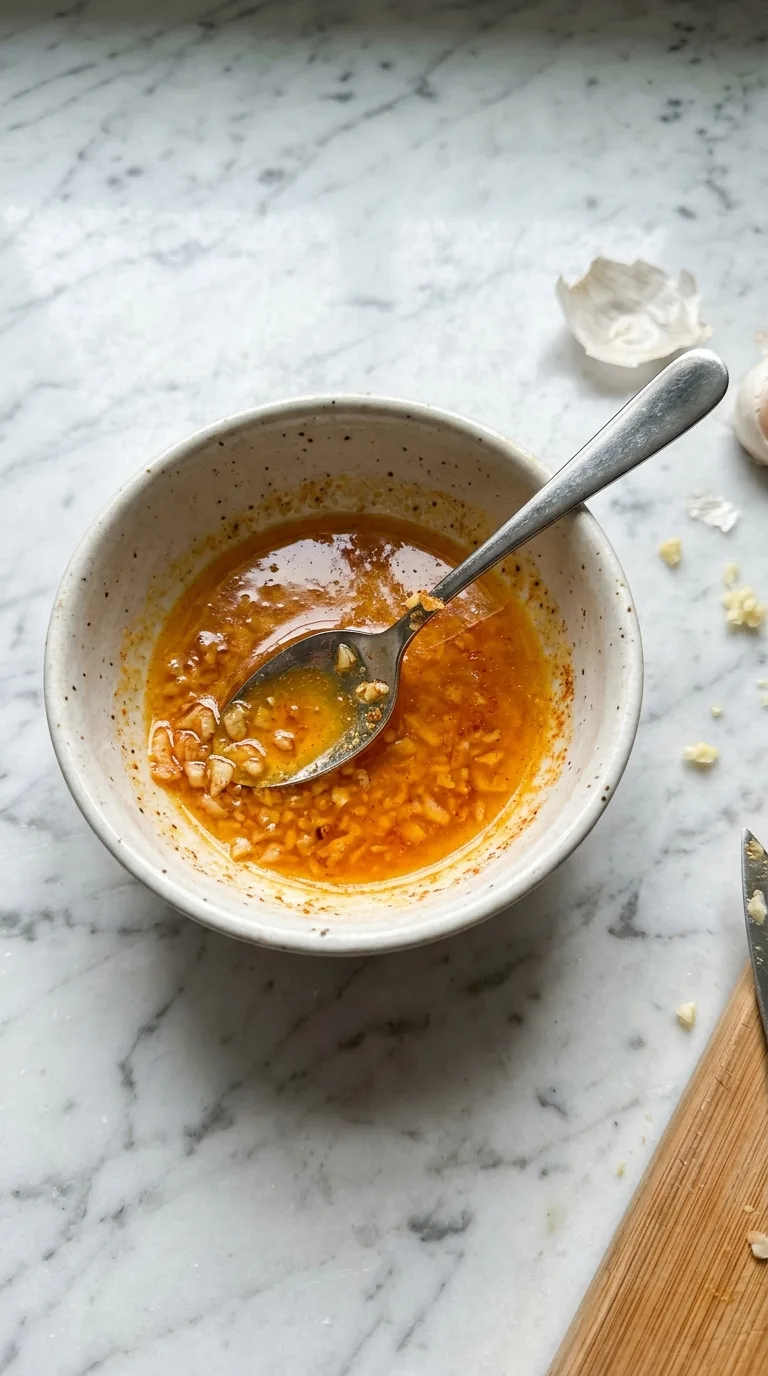
Combine melted butter, minced garlic, garlic powder, paprika, onion powder, sea salt, white pepper and lemon juice in a small bowl. Mix until fully blended to avoid pockets of salt or spice.
-
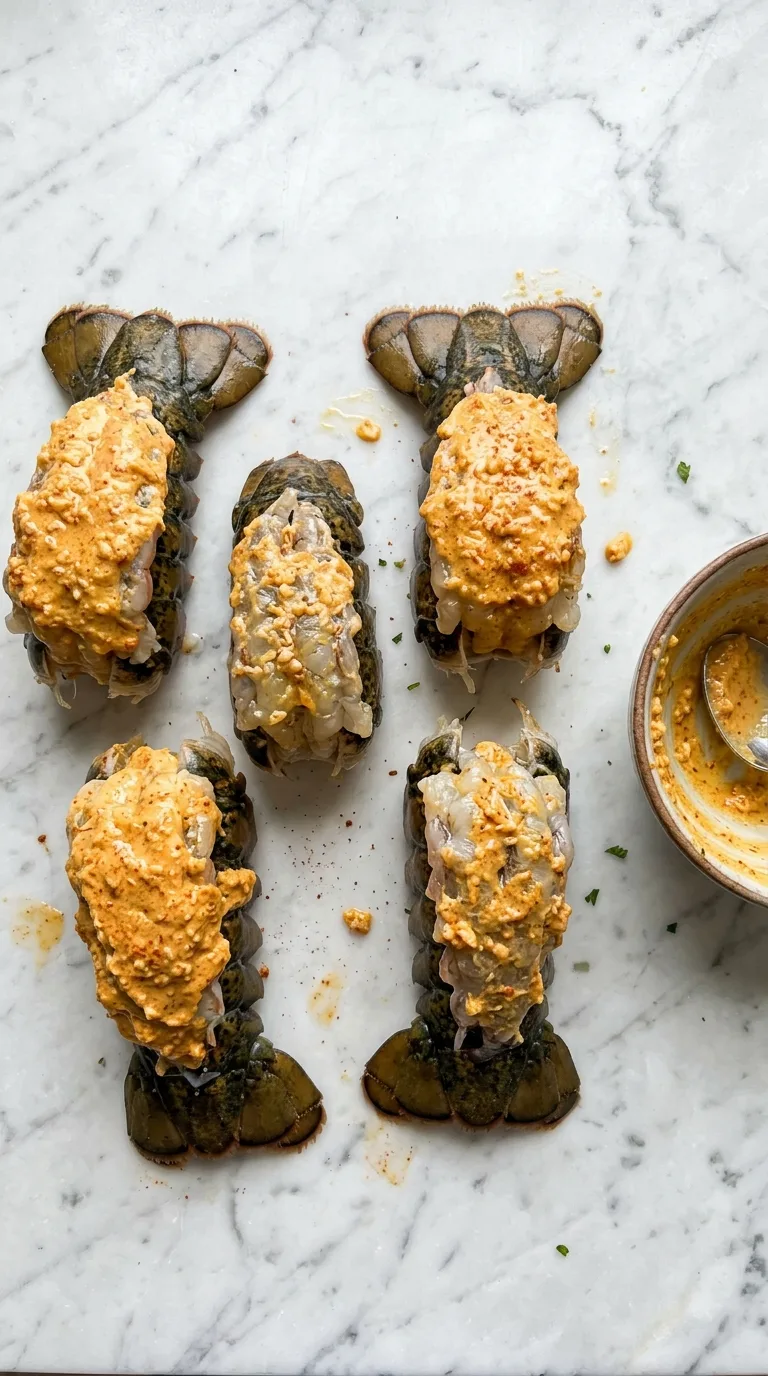
Coat the meat
Brush the butter-garlic mixture generously over the exposed lobster meat. Ensure an even coating for a consistent savoury flavour across every bite.
-
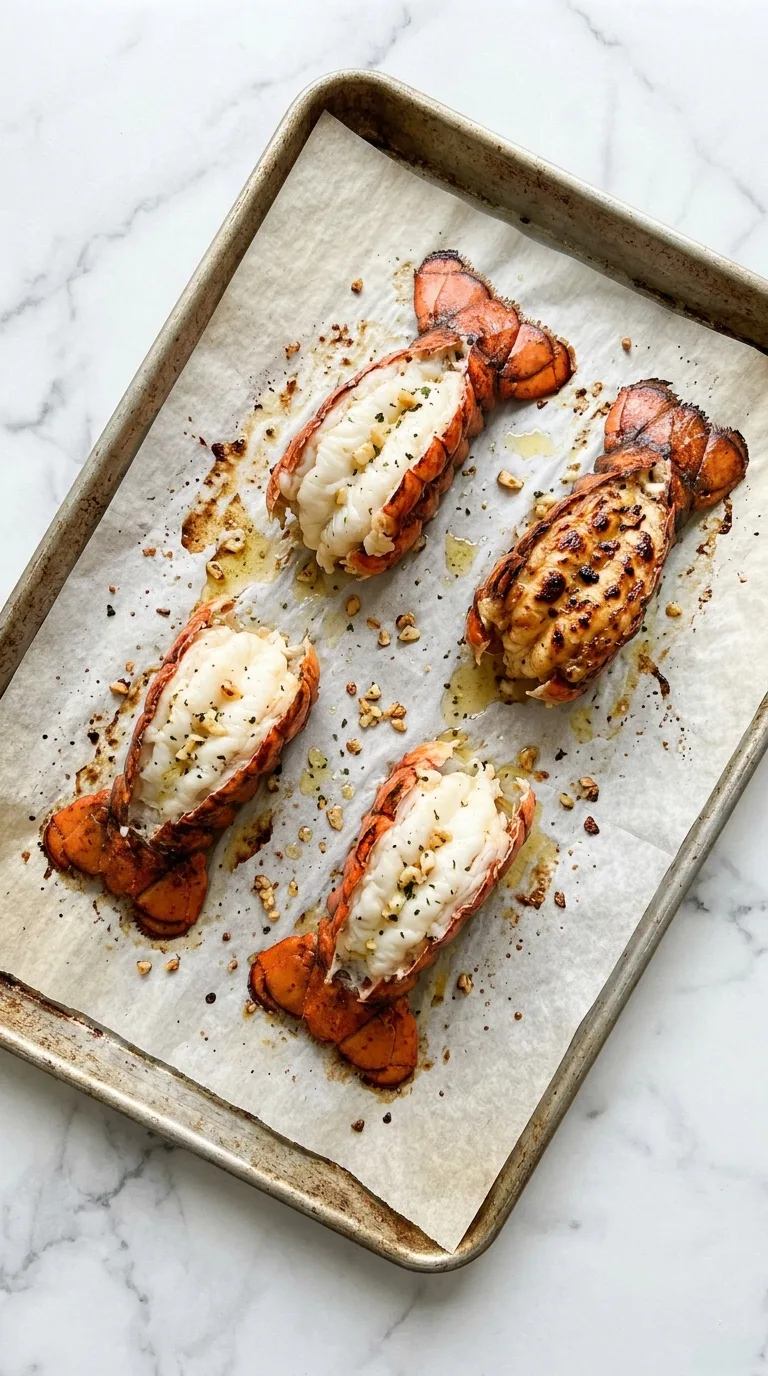
Bake the lobster
Place tails meat side up on a baking tray lined with parchment paper or greased foil. Bake uncovered for 10–12 minutes, rotating halfway. The flesh is done when it turns opaque and pink and reaches 57–60°C (135–140°F).
-
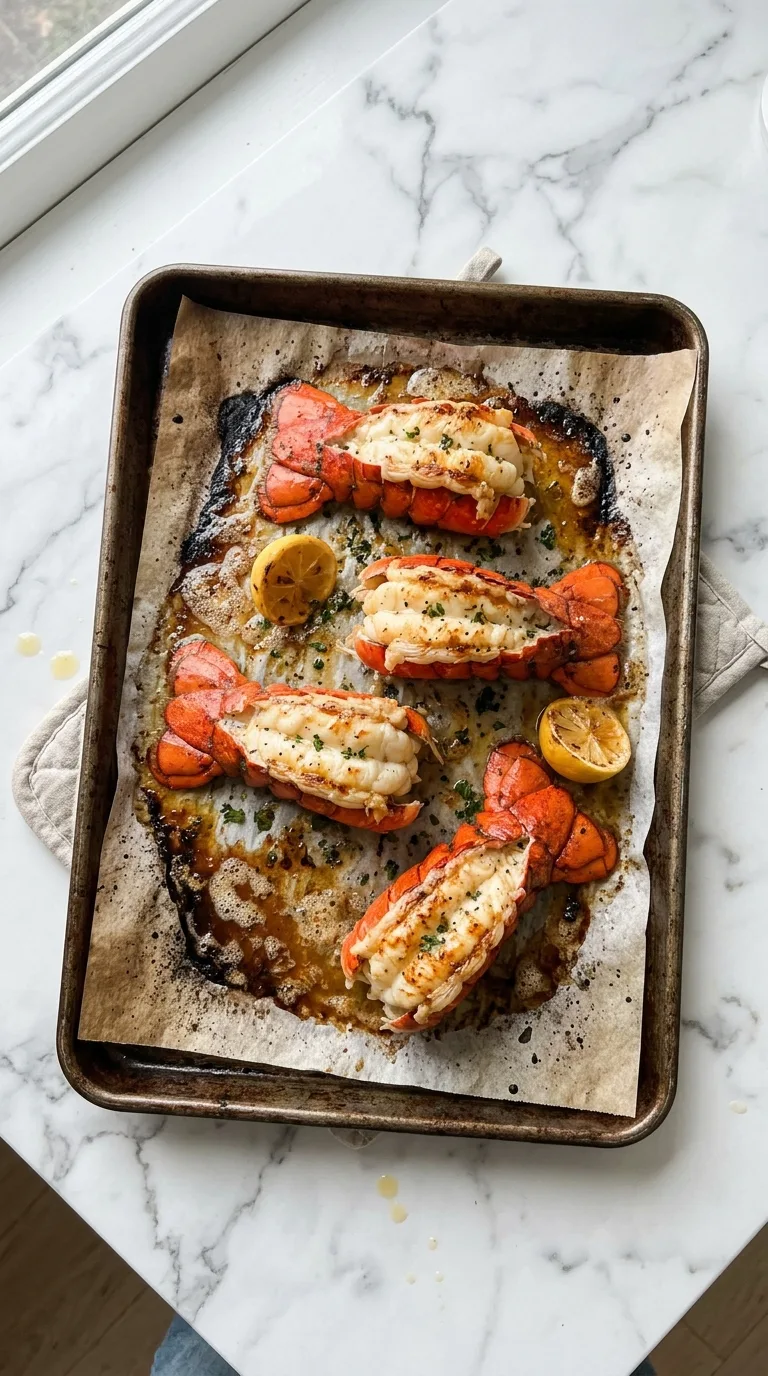
Rest the meat
Remove the lobster from the oven. Let the tails rest for 5 minutes. This allows the juices to redistribute so the meat stays tender.
-
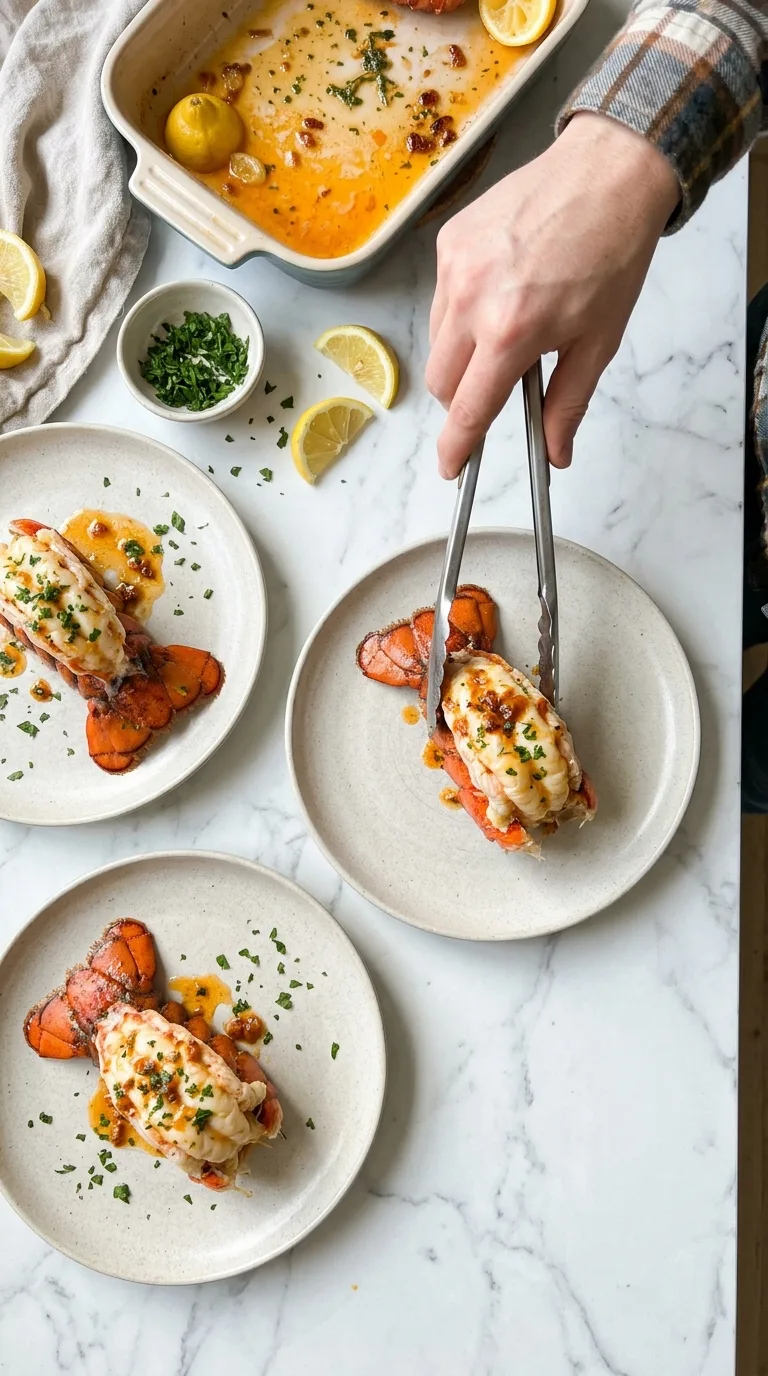
Garnish and serve
Sprinkle chopped parsley over the tails and serve with lemon wedges. Plate immediately to preserve the best flavour and texture.
Use an instant-read thermometer to check the internal temperature. If you exceed 60°C (140°F), the lobster will become rubbery. This happens quickly at high heat, so check the meat early to ensure it remains tender.
Getting the texture right
Use an instant-read thermometer to ensure the meat reaches 57–60°C (135–140°F). Over-cooking causes lobster to become rubbery. Let the tails rest for 5 minutes after baking to allow the juices to redistribute. You may broil them for 1–2 minutes for a crispier exterior.
What to serve with it
Pair this dish with steamed asparagus tossed in olive oil and lemon zest for a fresh contrast. Buttery rice cooked with a splash of apple juice adds a complementary sweetness. A light cucumber-lime salad also balances the rich butter sauce and the savoury flavour of the lobster.
Nutrition per serving
- Calories
- 415
- Protein
- 32.4 g
- Carbs
- 4.8 g
- Fat
- 31.2 g
- Fiber
- 0.6 g
- Sugar
- 2.1 g
Estimated, and offered as a guide rather than a medical figure.
Made it? Rate it.
Questions people ask
How long do lobster tails go in the oven?
Bake them for 10–12 minutes at 220°C (425°F). This timing ensures the flesh turns opaque and pink without over-cooking the delicate proteins, which happens quickly at high temperatures.
How long do lobster tails take to cook at 400 degrees?
At 205°C (400°F), they typically take slightly longer than the 220°C (425°F) method. Monitor the internal temperature closely until it reaches 57–60°C (135–140°F) to avoid a rubbery texture.
What's the best way to bake a lobster tail?
Butterfly the tails to expose the meat and brush them with a garlic-butter mixture. Bake at 220°C (425°F) until opaque. This method ensures the butter penetrates the meat while the shell protects it from drying out.

About the author
Mary C. Rivero
Mary C. Rivero specializes in comforting home‑cooked meals, from hearty pastas and sheet‑pan dinners to quick weeknight snacks. Her recipes feature clear, step‑by‑step directions and practical tips, helping readers create flavorful dishes with confidence and ease.