Savoury Broiled Scallops: Garlic-Lemon Butter Seafood
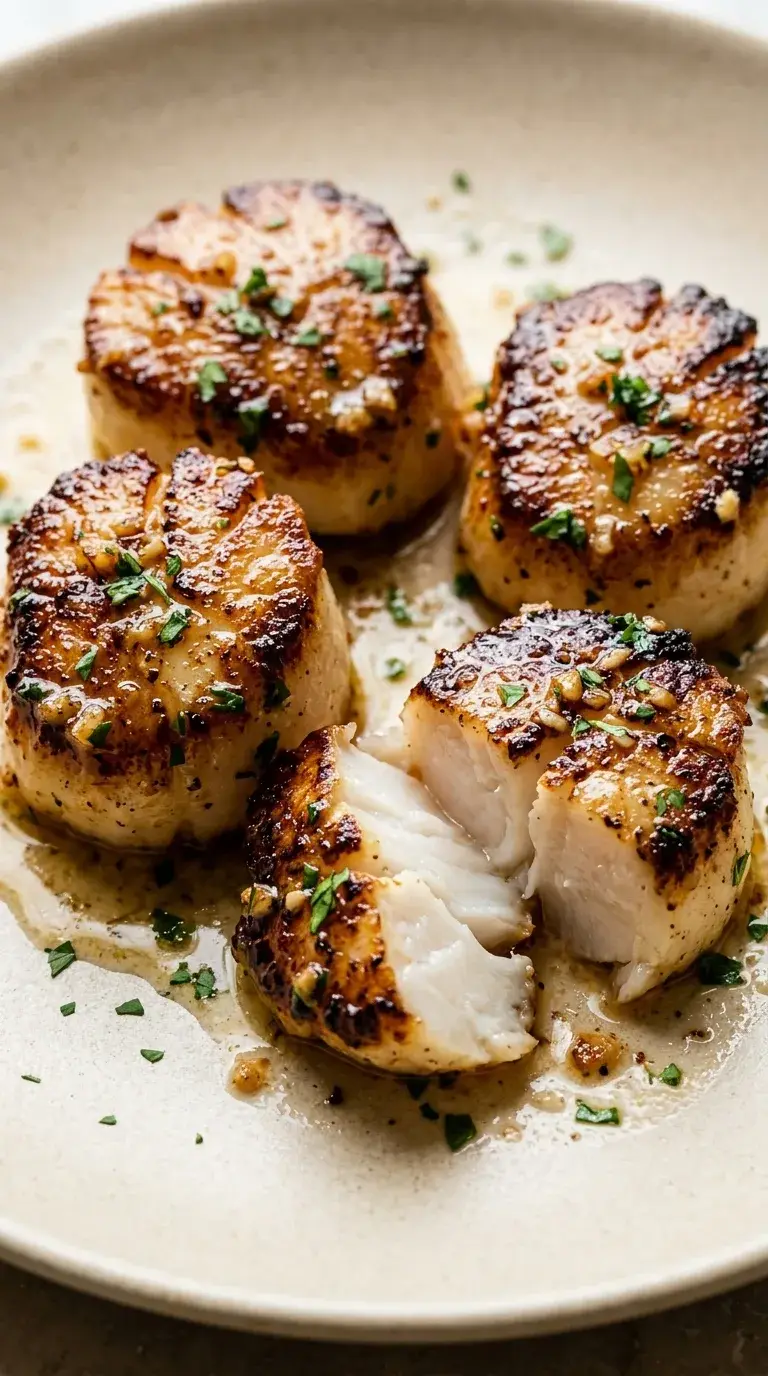
Mediterranean seafood often relies on slow poaching or pan-searing to maintain tenderness. This method uses broiled scallops to achieve a deep caramelisation in a fraction of the time. By moving the oven rack to the top centre position, 5–6 cm from the heating element, you expose the seafood to intense direct heat. This departure from the stovetop ensures the scallops cook rapidly without becoming rubbery, allowing the natural sugars to brown quickly while the centres remain succulent.
You will produce scallops that are opaque with golden edges and a buttery finish. Pat the scallops dry with paper towels before they hit the pan. Moisture creates steam, which prevents a crisp caramelised surface from forming. Once you remove them from the 225°C (425°F) heat, spoon the garlic-lemon butter over the top. The residual heat finishes the cooking process gently, ensuring the seafood stays tender while absorbing the citrus flavour.
Savoury Broiled Scallops: Garlic-Lemon Butter Seafood
Recipe cardIngredients
Watch how it's made
Instructions
-
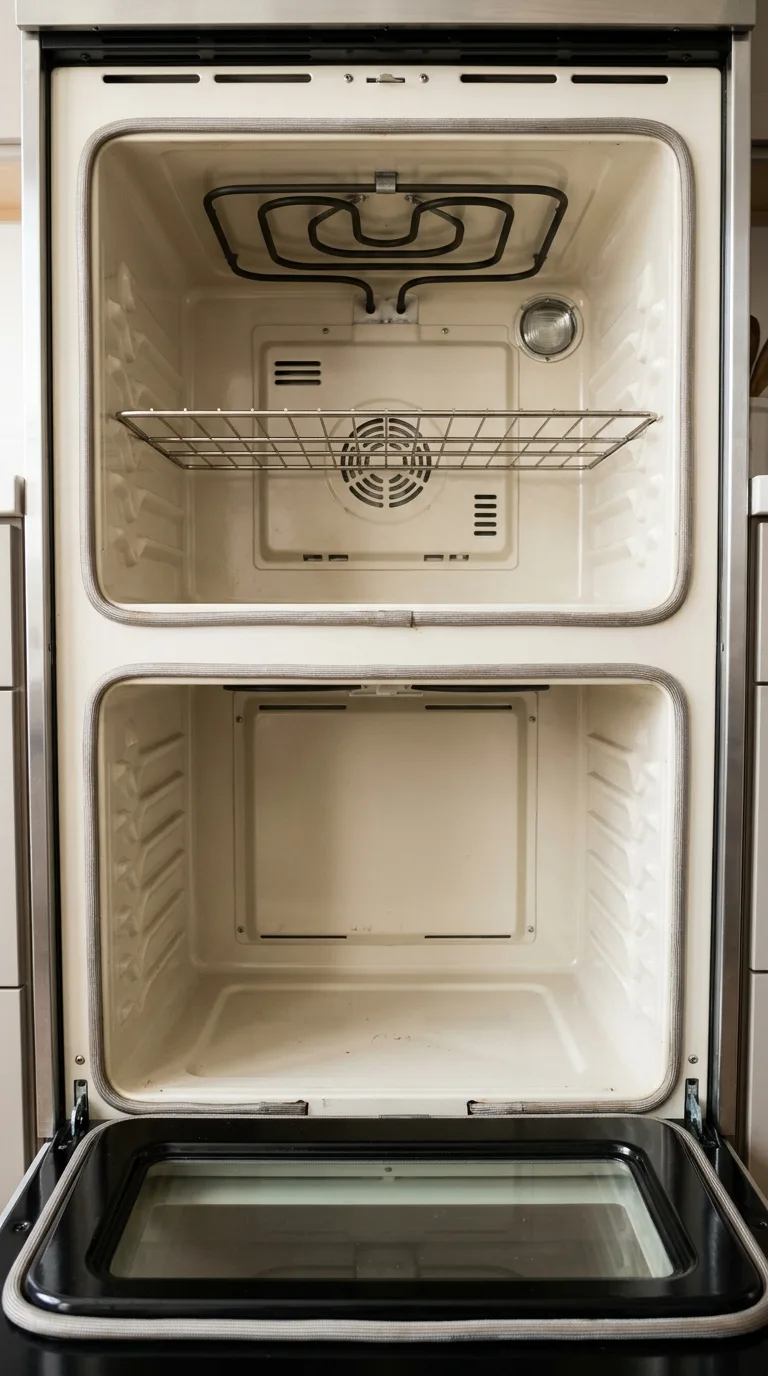
Prepare the oven
Preheat the oven to 225°C (425°F). Position the rack in the top centre position, about 5–6 cm from the heating element. This ensures the high heat hits the scallops quickly for a golden crust.
-
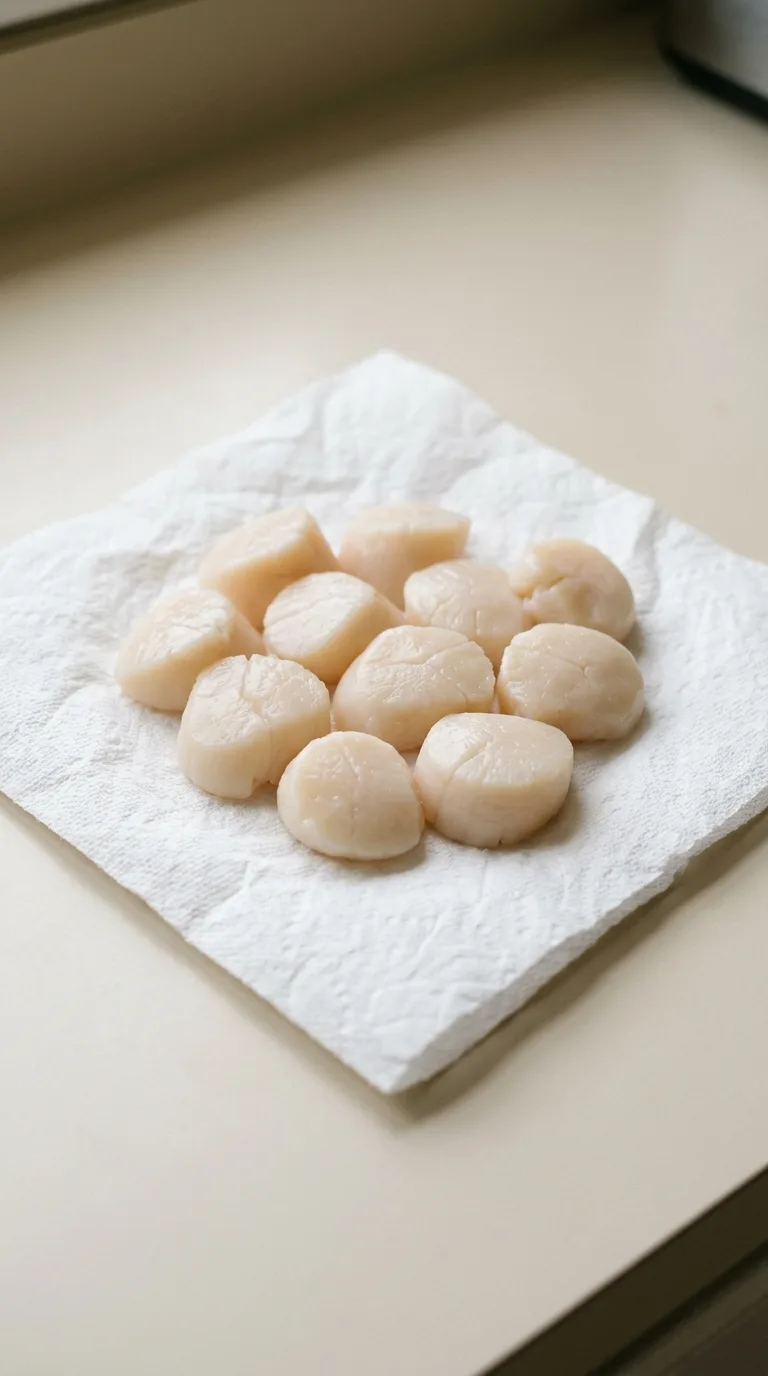
Dry the scallops
Pat the scallops dry with paper towels. You may soak them briefly in cold milk for 15 seconds and dry them again. Removing surface moisture is essential to maximise browning.
-
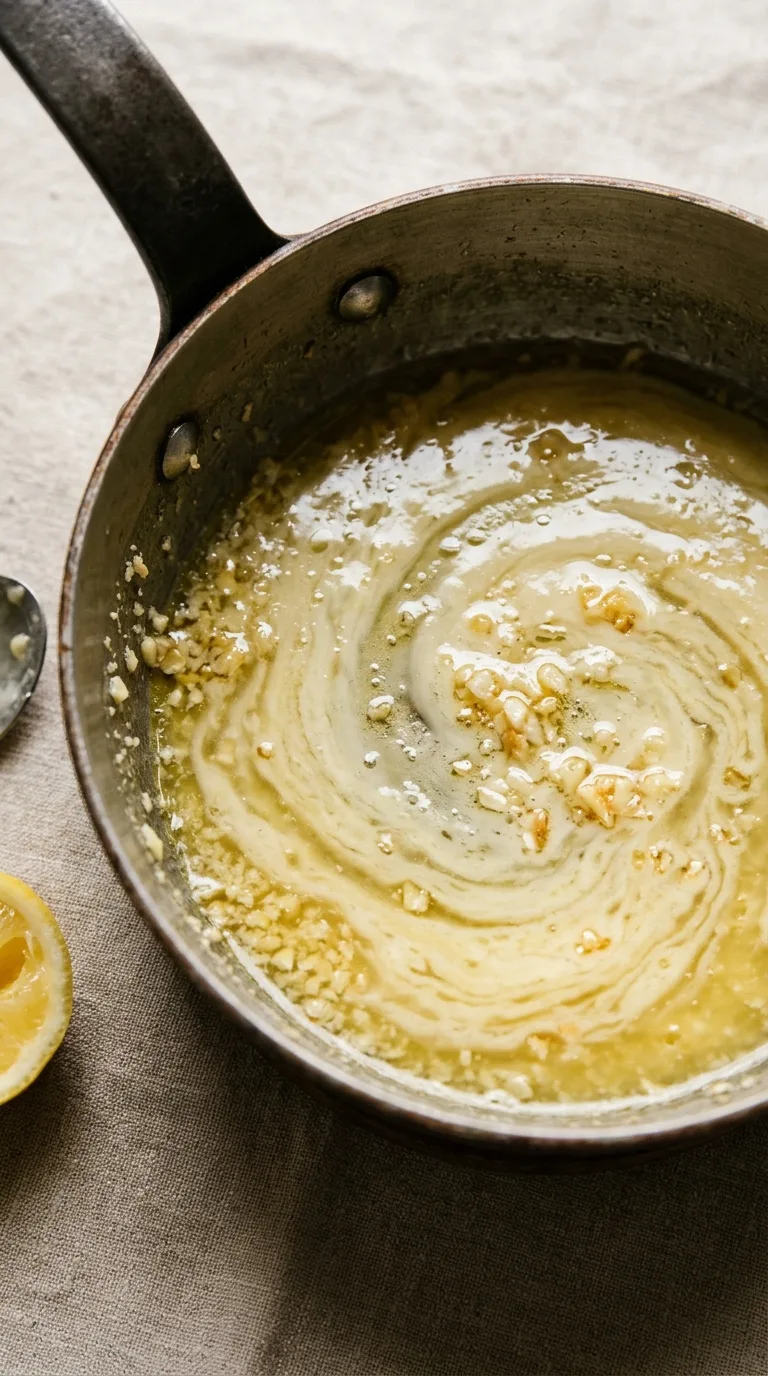
Make the butter sauce
Melt the butter over low heat in a small saucepan. Add the minced garlic and cook for 30 seconds until fragrant. Remove the pan from the heat and whisk in the lemon juice, salt and pepper.
-
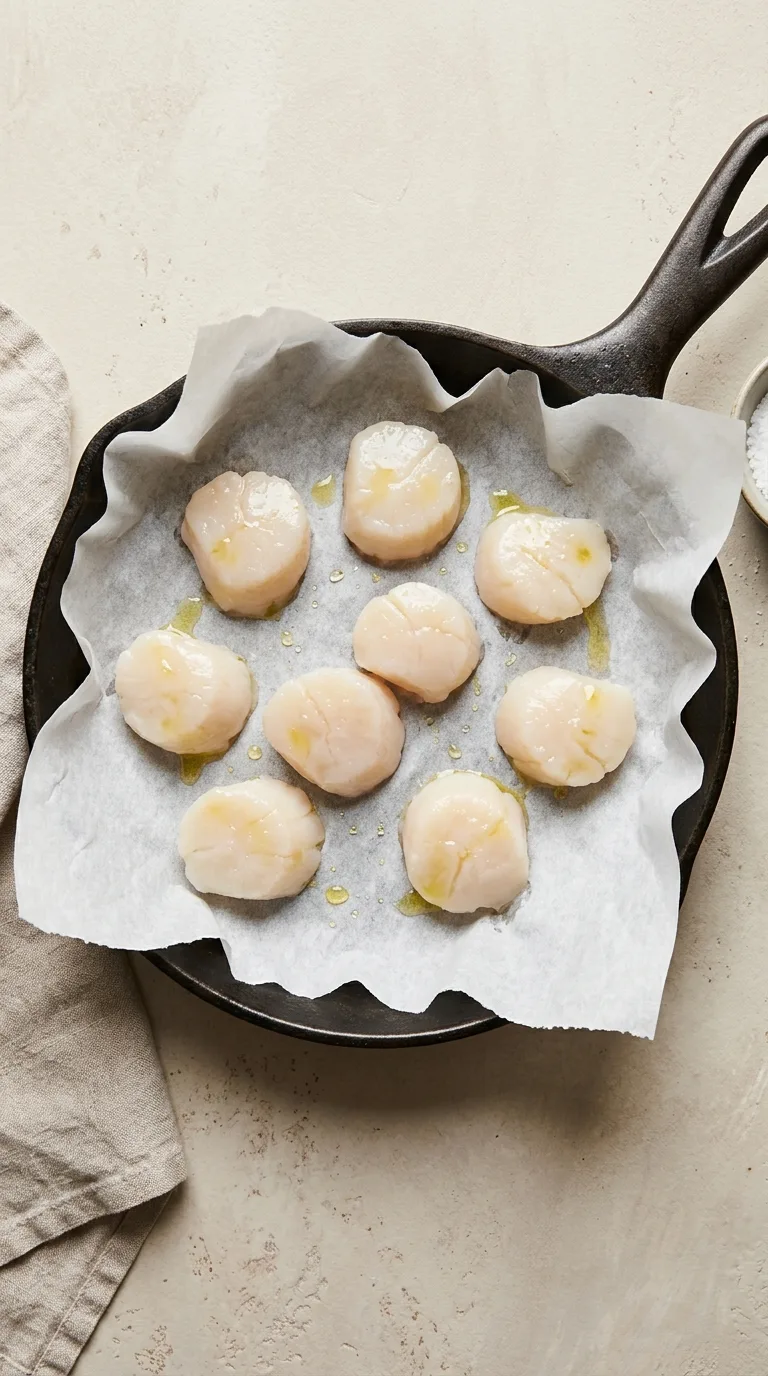
Arrange the scallops
Line an oven-proof skillet or broiler pan with parchment paper or non-stick spray. Arrange the scallops in a single layer with space between each. Drizzle a light coat of olive oil over them to prevent sticking.
-
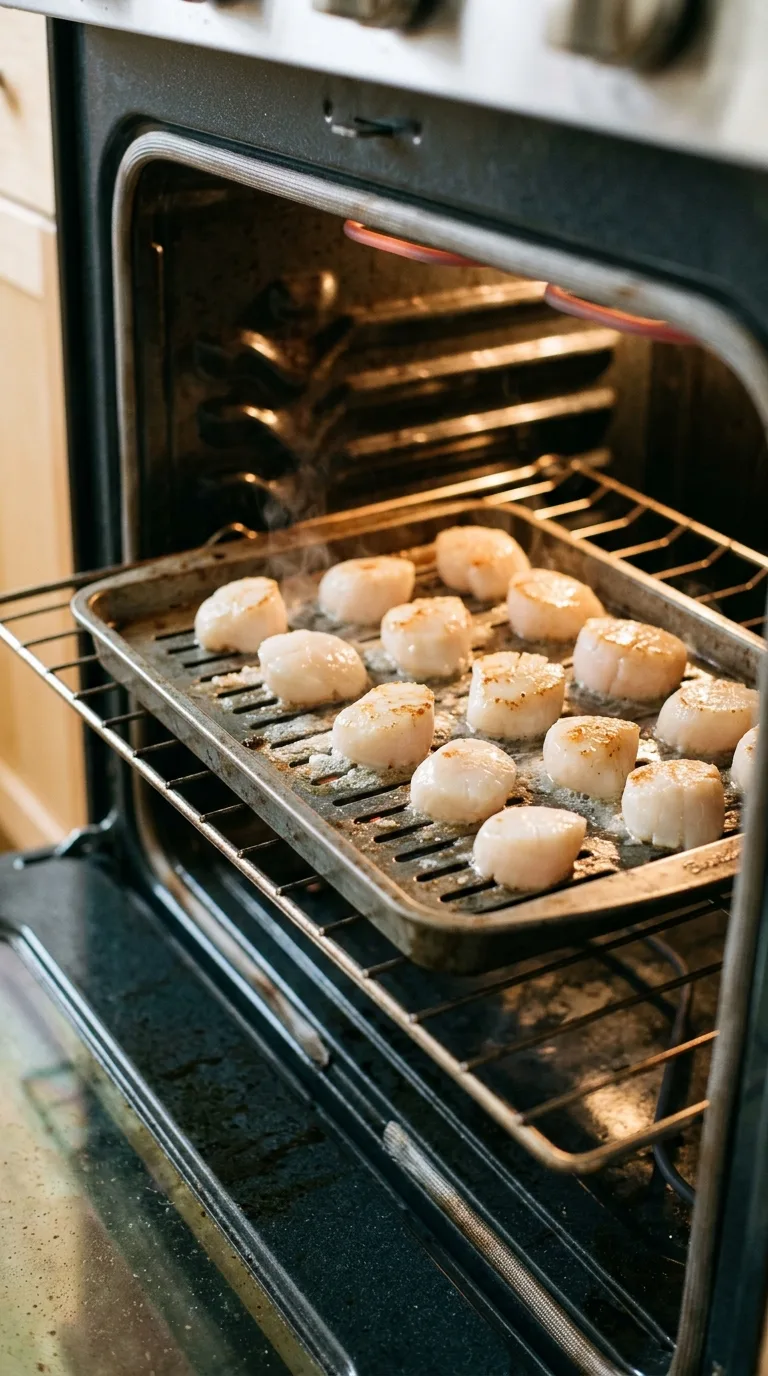
Broil the scallops
Place the pan in the oven and broil for 4 minutes. Turn the scallops once halfway through the cooking time. This ensures both sides develop a caramelised colour.
-
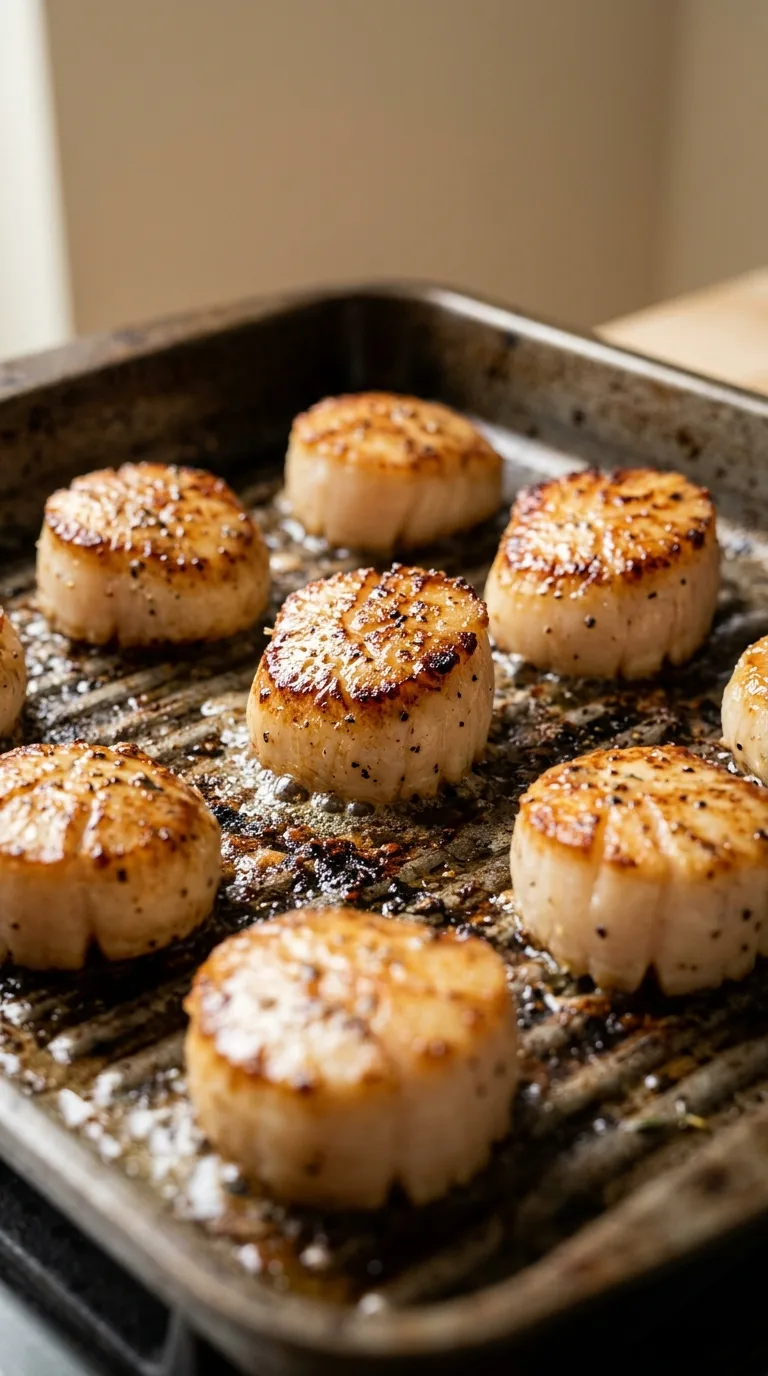
Check the doneness
Monitor the scallops until they are opaque with golden, caramelised edges. Do not flip them again after the first turn. Over-browning will make the meat tough.
-
Finish and rest
Remove the pan and spoon the garlic-lemon butter over the scallops. The residual heat finishes the cooking process gently. Sprinkle with parsley and let them rest for 1 minute.
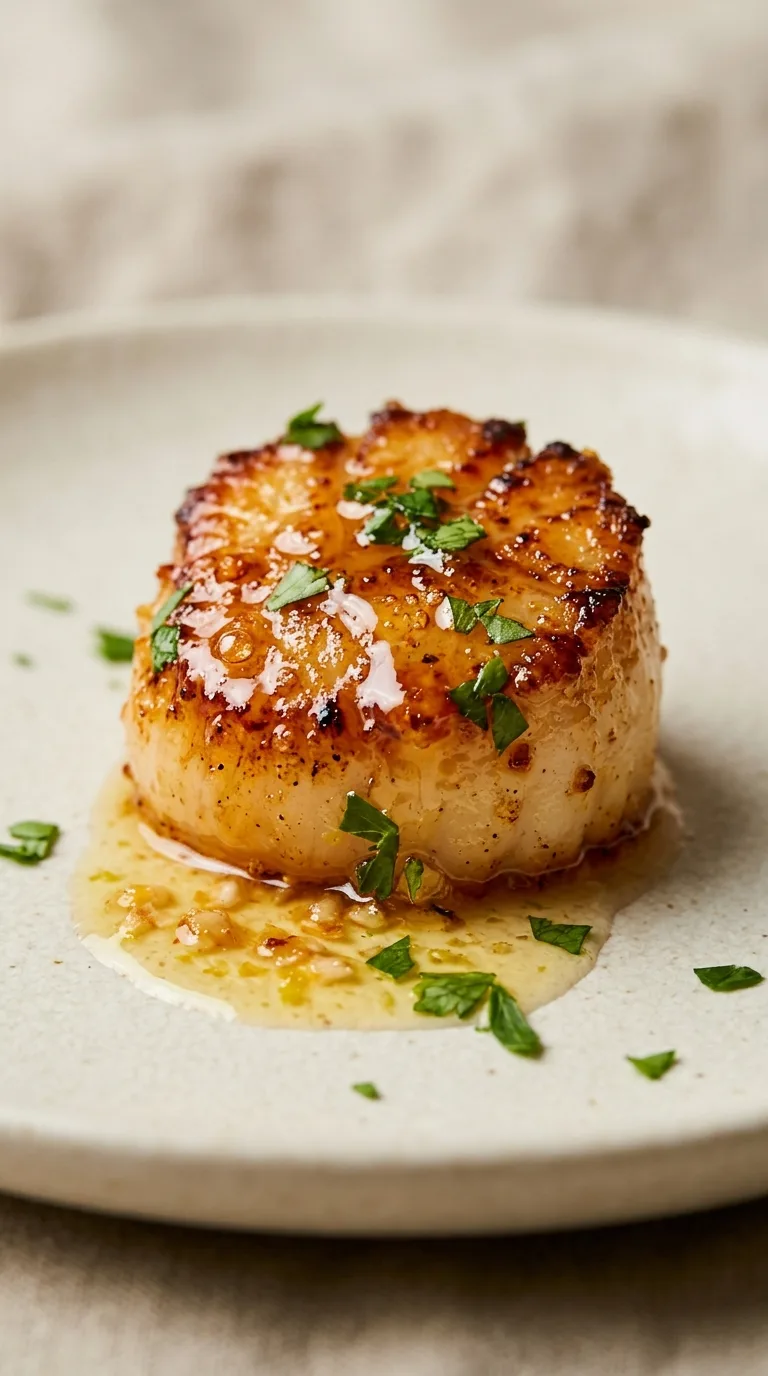
Ensure you pat the scallops completely dry. If you see liquid pooling around the scallops in the pan, they will steam rather than sear. This prevents the surface from caramelising, leaving you with a pale, rubbery texture instead of a crisp, golden crust.
How it differs from the traditional method
Broiling provides a rapid, direct heat that caramelises the surface without overcooking the centre. Pan-searing offers more control over the crust but requires constant attention. Choose the broiler for speed and consistency when preparing several scallops at once for guests in a single tray.
Storing and reheating
Store cooked scallops in an airtight container at 4°C (39°F) for up to 2 days. Keep the sauce separate to prevent sogginess. For the freezer, freeze in a single layer for 1 month. Thaw overnight in the refrigerator and reheat gently at 120°C (250°F) for 5 minutes.
Nutrition per serving
- Calories
- 215
- Protein
- 32.4 g
- Carbs
- 4.2 g
- Fat
- 9.1 g
- Fiber
- 0.4 g
- Sugar
- 2.1 g
Estimated, and offered as a guide rather than a medical figure.
Made it? Rate it.
Questions people ask
How many minutes to broil scallops?
Broil for 4 minutes in total. Turn the scallops once at the 2-minute mark to ensure both sides develop a golden colour without becoming rubbery from overexposure to the heating element.
How do I broil scallops in the oven?
Position the rack 5-6 cm from the broiler. Pat the scallops dry to ensure browning, drizzle with olive oil, and cook at 225°C (425°F). Monitor closely to avoid excessive browning after the first flip.
Why soak scallops in milk before cooking?
Soak them for 15 seconds to remove impurities. This process helps achieve a cleaner flavour and a better caramelised crust when the surface is patted dry before it hits the heat.
About the author
Mary C. Rivero
Mary C. Rivero specializes in comforting home‑cooked meals, from hearty pastas and sheet‑pan dinners to quick weeknight snacks. Her recipes feature clear, step‑by‑step directions and practical tips, helping readers create flavorful dishes with confidence and ease.