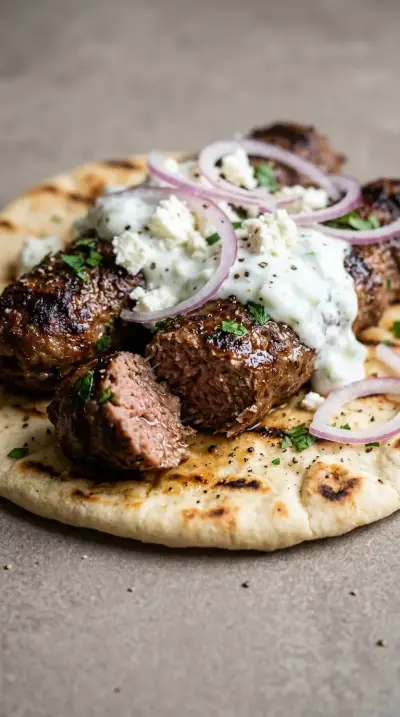
Slow Cooker Yogurt: Creamy Middle Eastern Yogurt
Heating the milk too quickly or failing to cool it before adding the starter ruins your slow cooker yogurt. This mistake kills the delicate probiotic cultures, which produces a thin, watery liquid that will not set into a solid curd.
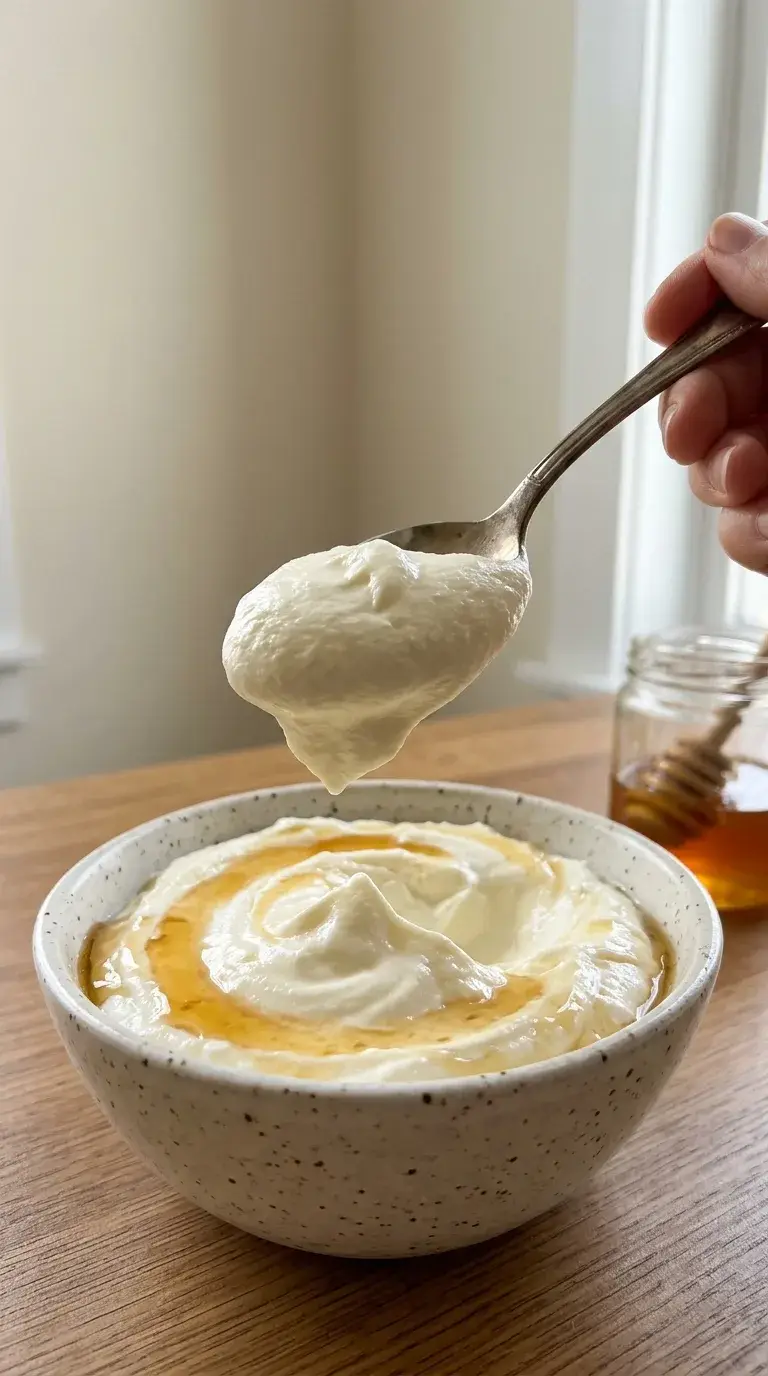
This Middle Eastern staple is a protein-rich breakfast or snack with a tangy profile. When made correctly, it has a velvety texture and a subtle flavour. You can strain it for 2-3 hours to create a thick, Greek-style result.
Temperature control decides the outcome. You must heat the milk to 82°C (180°F) to denature the proteins, then let it cool to 43°C (110°F) before inoculating. This prevents the heat from destroying the live active cultures while ensuring the yoghurt thickens over 8-10 hours.
Slow Cooker Yogurt: Creamy Middle Eastern Yogurt
Recipe cardIngredients
Instructions
-
Heat the milk
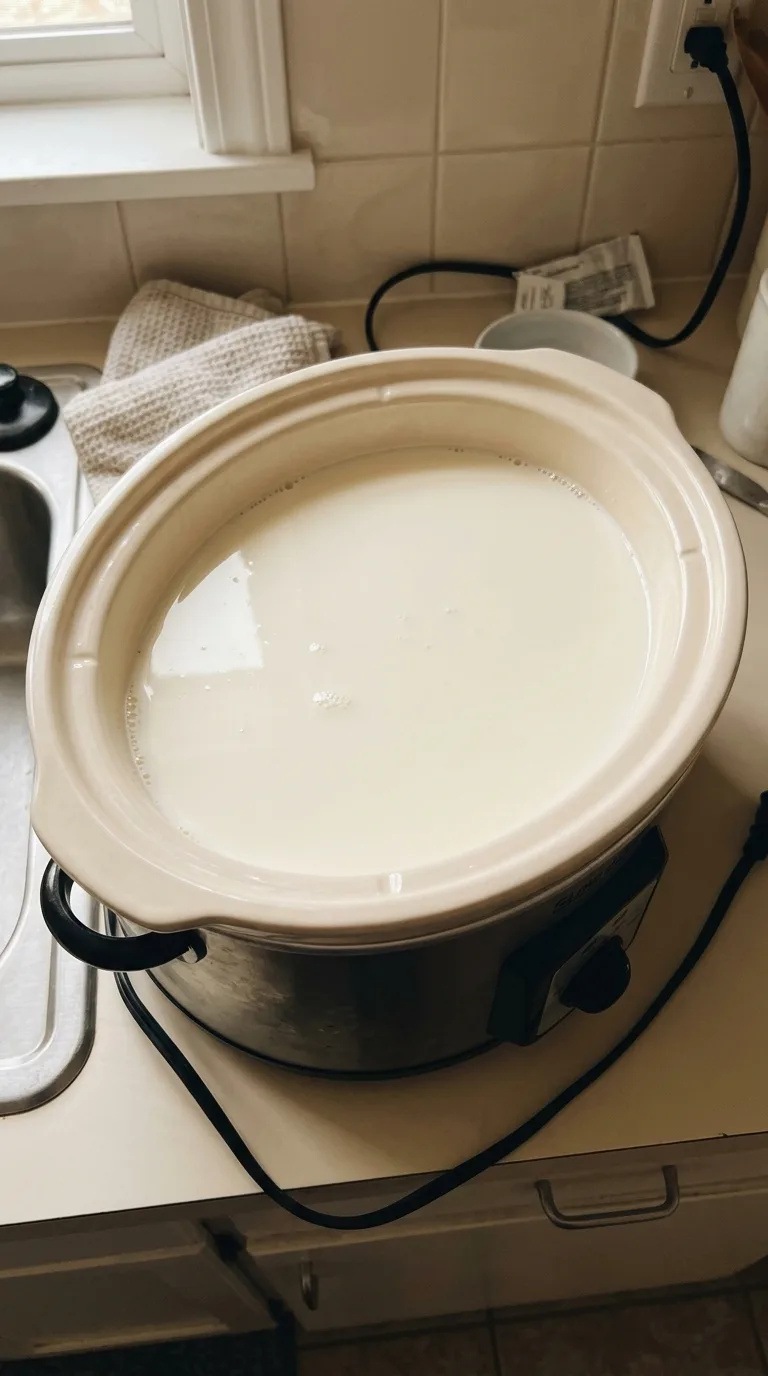
Fill the slow cooker with the whole milk and turn it on the low setting. Stir every 15 minutes to prevent scorching. You must ensure the milk heats gradually to avoid burning the bottom.
-
Cool the mixture
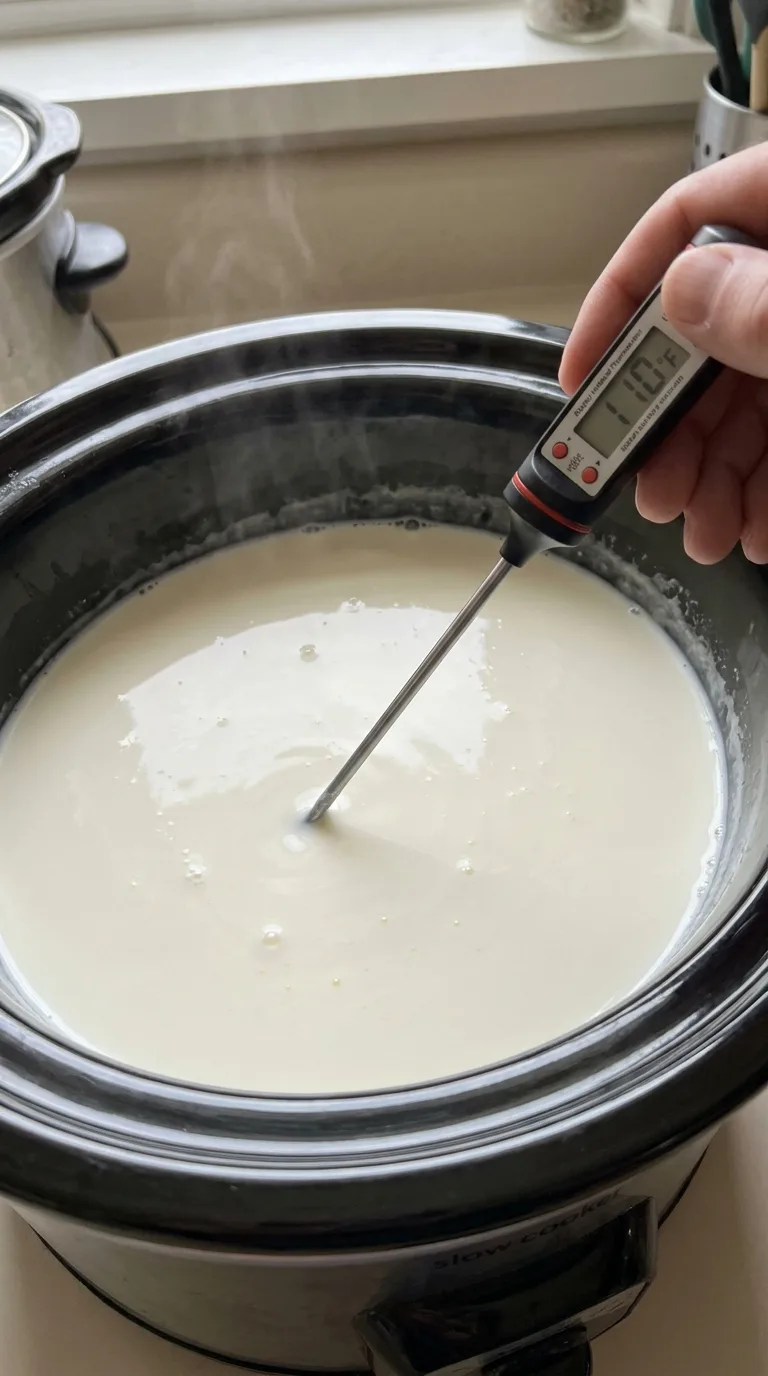
Monitor the milk until it reaches 82°C (180°F), then turn the cooker off. Let the milk sit until it cools to 43°C (110°F). This usually takes 3 to 4 hours and prevents the heat from killing the cultures.
-
Temper the cultures
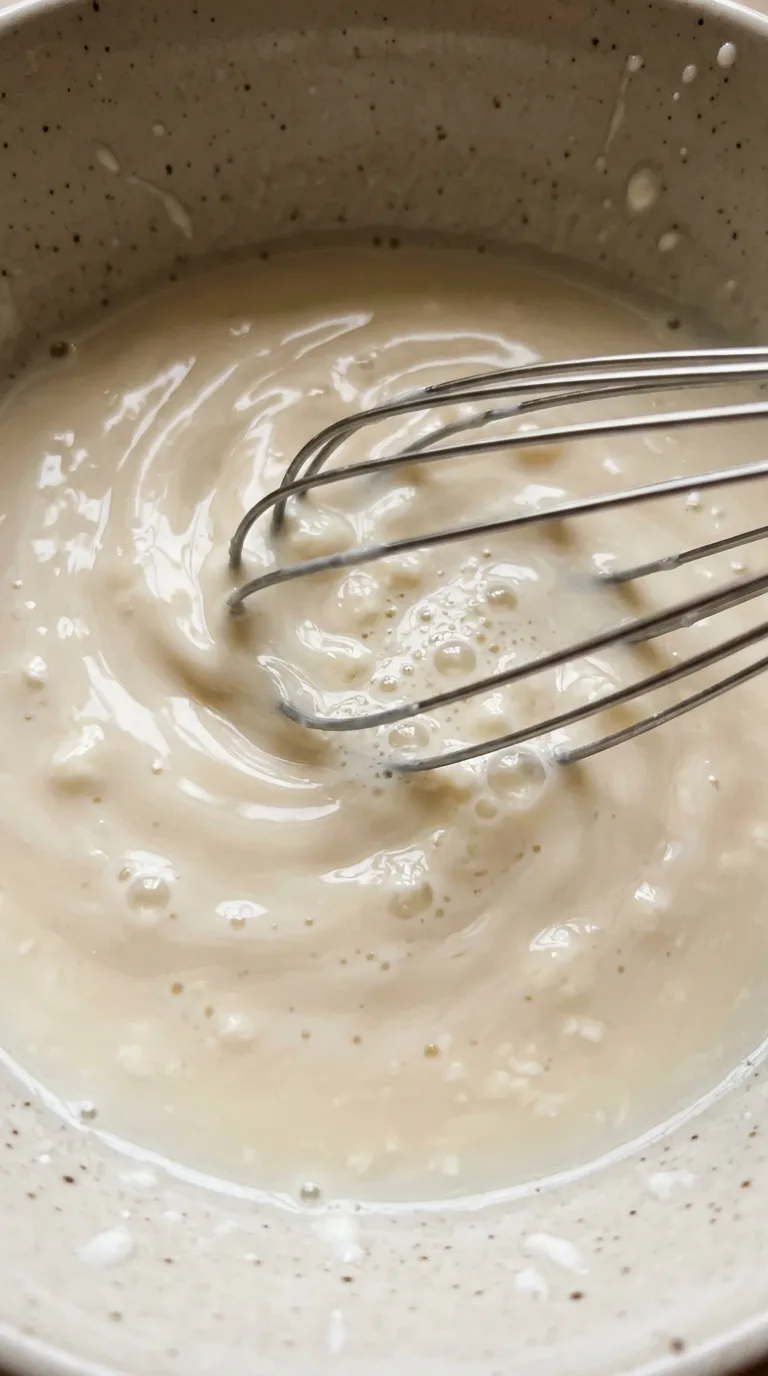
Whisk the 120 ml starter yogurt in a small bowl until smooth. Gradually pour the warm milk into the bowl while whisking constantly. This tempering process protects the probiotics from thermal shock.
-
Incubate the yogurt
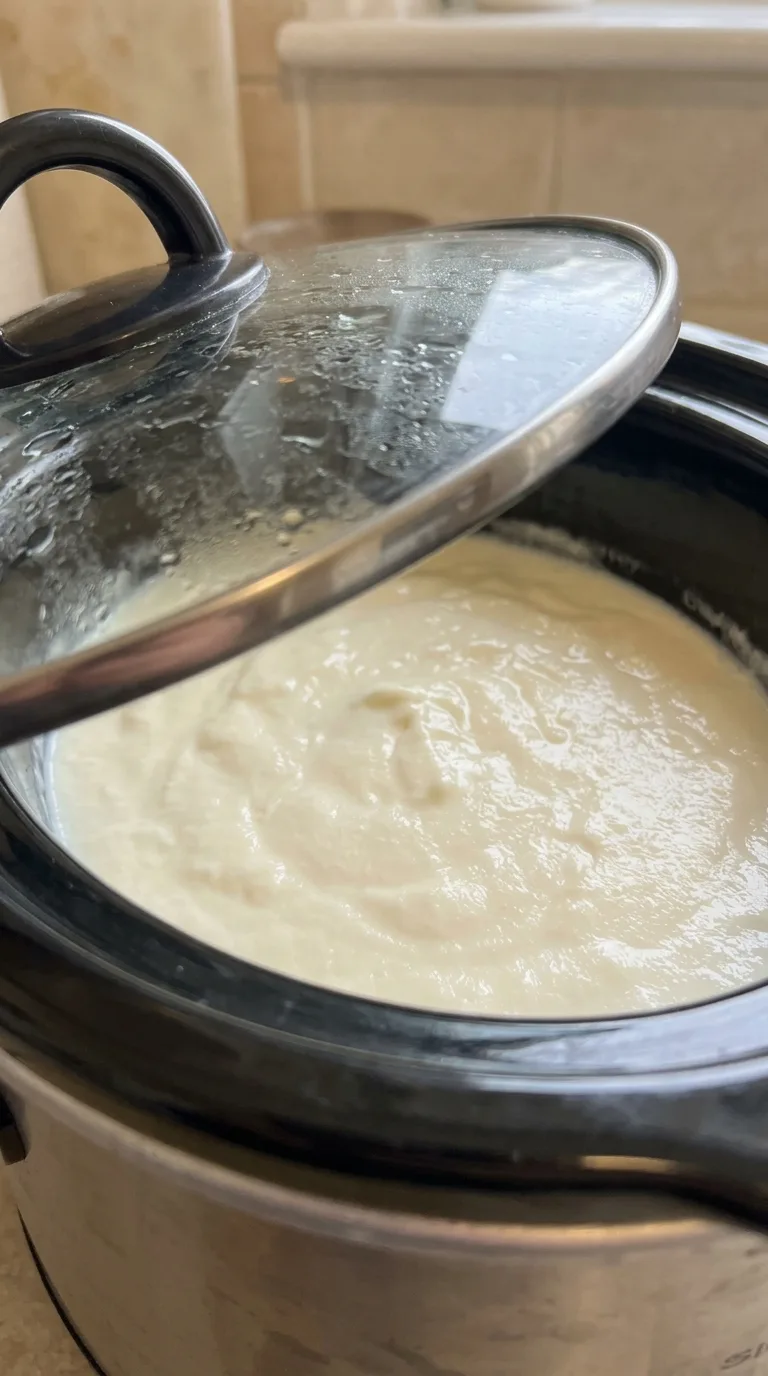
Pour the mixture back into the slow cooker and stir gently to homogenise. Place the lid on and wrap the cooker with a towel or blanket to minimise temperature drop. Maintain an internal temperature between 49–52°C (120–125°F) for 8 to 10 hours.
-
Chill and set
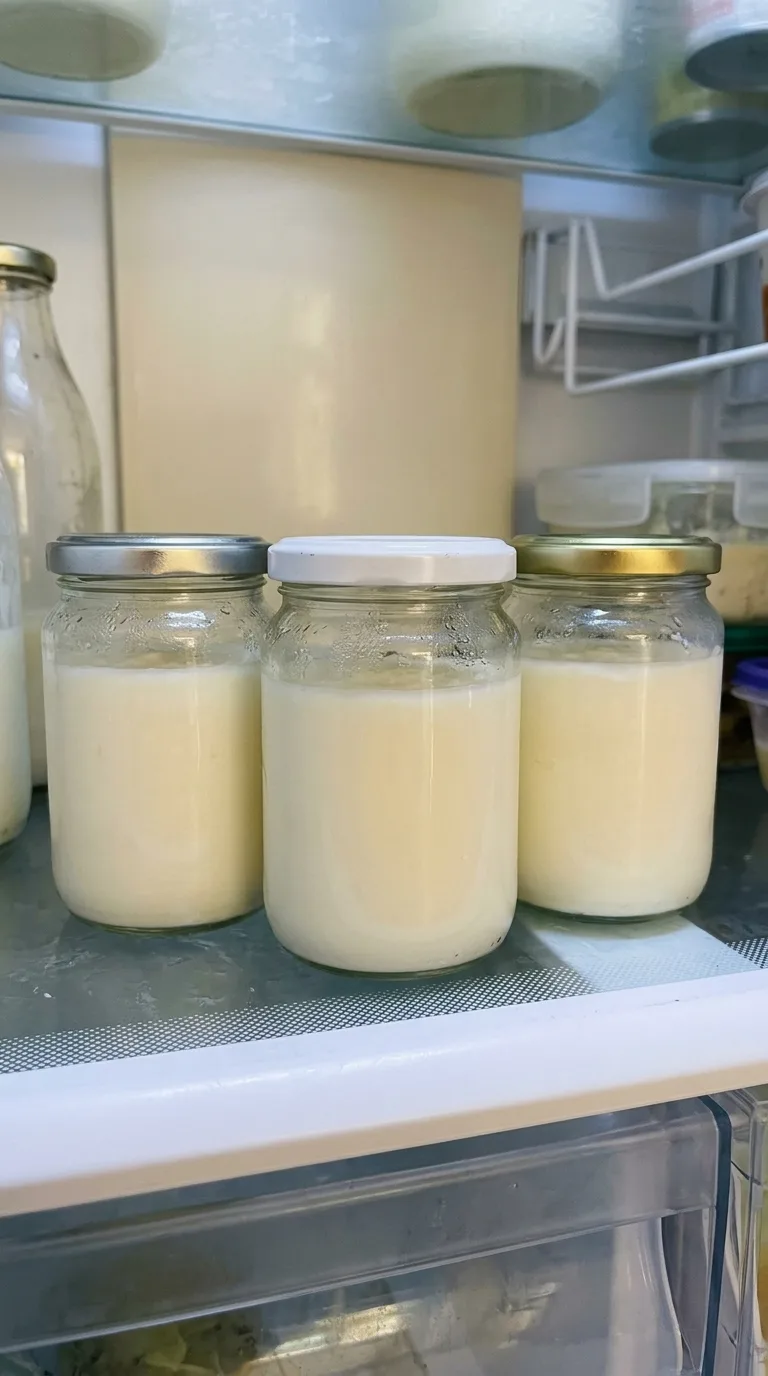
Stir the yogurt gently to break up any large curds and transfer it into sterilised jars. Cover the containers and refrigerate for at least 2 hours. Chilling allows the yogurt to set fully and the flavours to develop.
-
Strain for thickness
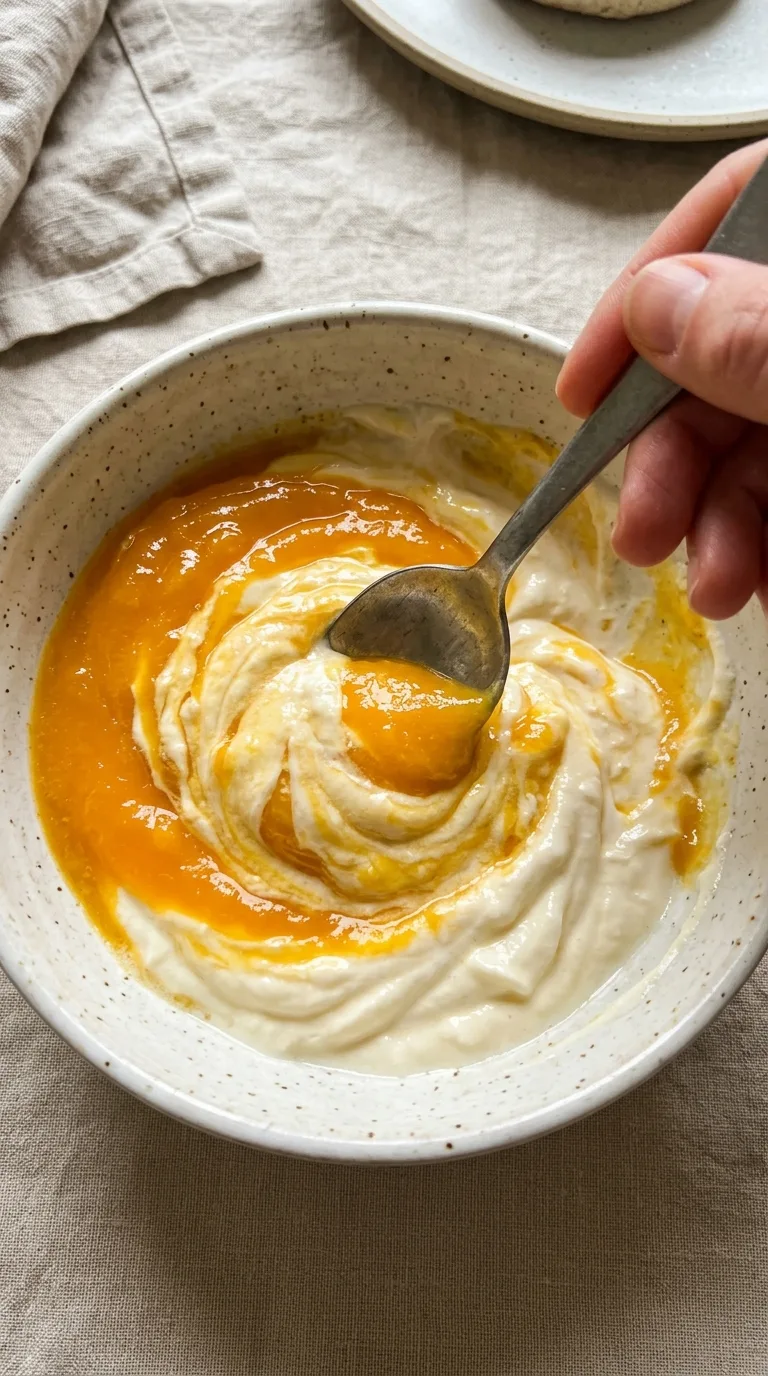
Strain the chilled yogurt through a cheesecloth or coffee filter for 2 to 3 hours if you want a Greek-style result. Rinse the cloth and press the yogurt lightly. This removes excess liquid to create a thicker consistency.
Insulate your slow cooker with a thick towel or blanket. Temperature fluctuations can cause off-flavours or an uneven set. If the yogurt remains thin after incubation, your cooker likely dropped below 49°C (120°F), failing to support the growth of the cultures.
What goes wrong and why
Temperature fluctuations cause off-flavours or an uneven set. If the milk drops below 49°C (120°F), the cultures remain dormant and the mixture stays liquid. Wrap your slow cooker in a thick towel to maintain a steady heat and ensure the yoghurt thickens correctly over 8–10 hours.
What to serve with it
Serve this yoghurt as a balanced breakfast with granola, sliced banana, and cinnamon. For a protein-rich snack, use honey and chopped almonds. You can also create a dessert by swirling in warm fruit compote, fresh mint leaves, and a drizzle of maple syrup to balance the tangy flavour.
Storing and reheating
Keep the yoghurt refrigerated at 4°C or lower. Do not leave it at room temperature for more than 2 hours to avoid bacterial overgrowth. You can freeze the yoghurt for up to 3 months, though you must thaw it in the refrigerator overnight as the texture softens.
Nutrition per serving
- Calories
- 200
- Protein
- 10.0 g
- Carbs
- 13.0 g
- Fat
- 5.0 g
- Fiber
- 0.0 g
- Sugar
- 11.0 g
Estimated, and offered as a guide rather than a medical figure.
Made it? Rate it.
Questions people ask
Can a slow cooker be used to make yogurt?
Yes. A slow cooker provides the gentle, consistent heat required to keep probiotic cultures active. By maintaining a temperature between 49–52°C (120–125°F), the milk thickens into a velvety yoghurt without the need for specialised equipment.
Can you cook with yogurt in a slow cooker?
No. You should not use yoghurt as a cooking ingredient inside a slow cooker over long periods. The prolonged heat can cause the dairy proteins to break down and the mixture to separate or curdle, ruining the texture of the dish.
Will Greek yogurt curdle in a slow cooker?
Yes. If you heat Greek yoghurt in a slow cooker, the high protein concentration makes it prone to curdling. To avoid this, stir yoghurt into your dish at the very end of the cooking process after the heat is turned off.

About the author
Mary C. Rivero
Mary C. Rivero specializes in comforting home‑cooked meals, from hearty pastas and sheet‑pan dinners to quick weeknight snacks. Her recipes feature clear, step‑by‑step directions and practical tips, helping readers create flavorful dishes with confidence and ease.