Split Pea Dal: Hearty Indian Soup
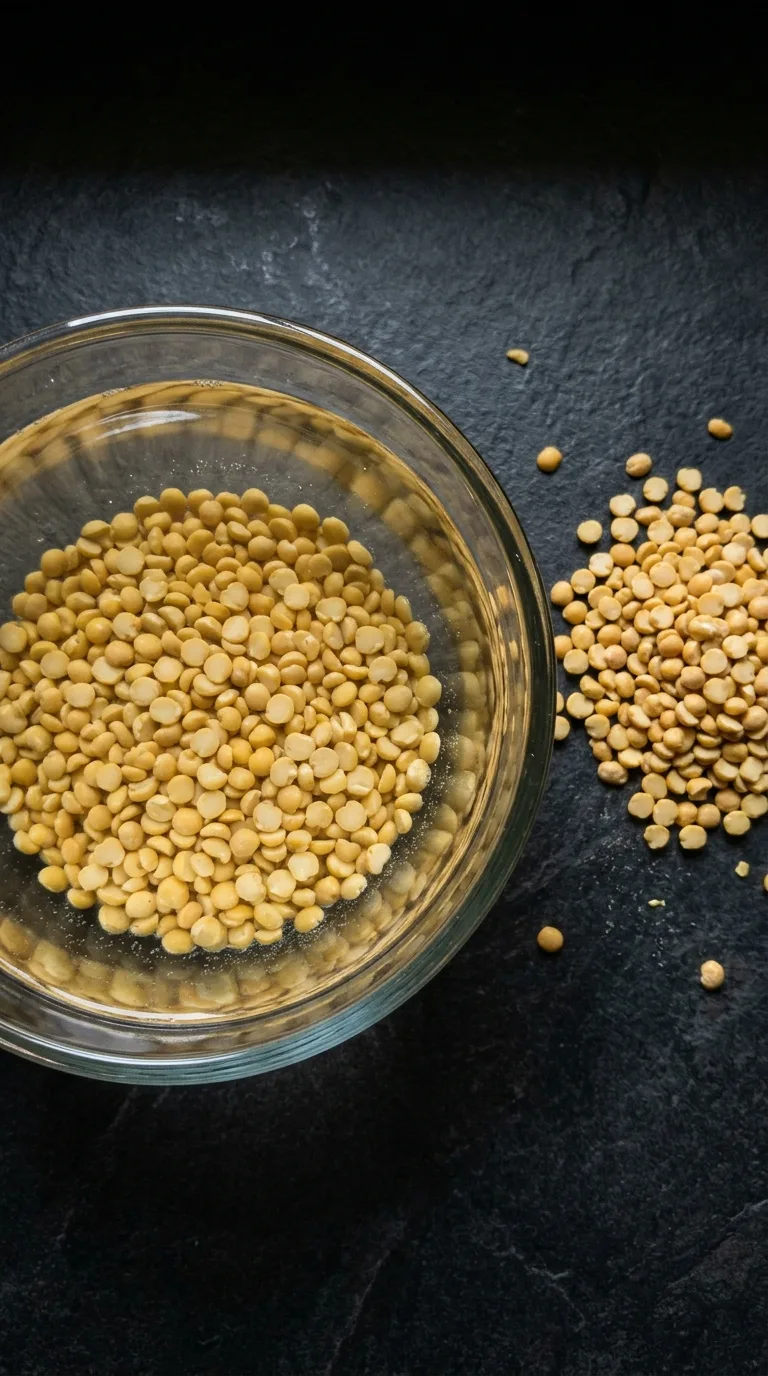
Decide whether to soak your legumes before you begin. Soak your dried yellow split peas in a bowl of water for 30 minutes to reduce the cooking time for your split pea dal. Rinse them under cold running water until the water runs clear to remove excess starch. This step ensures a more consistent texture across the pot.
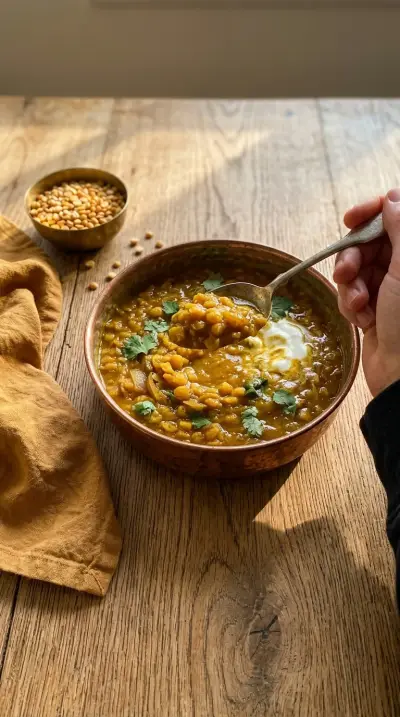
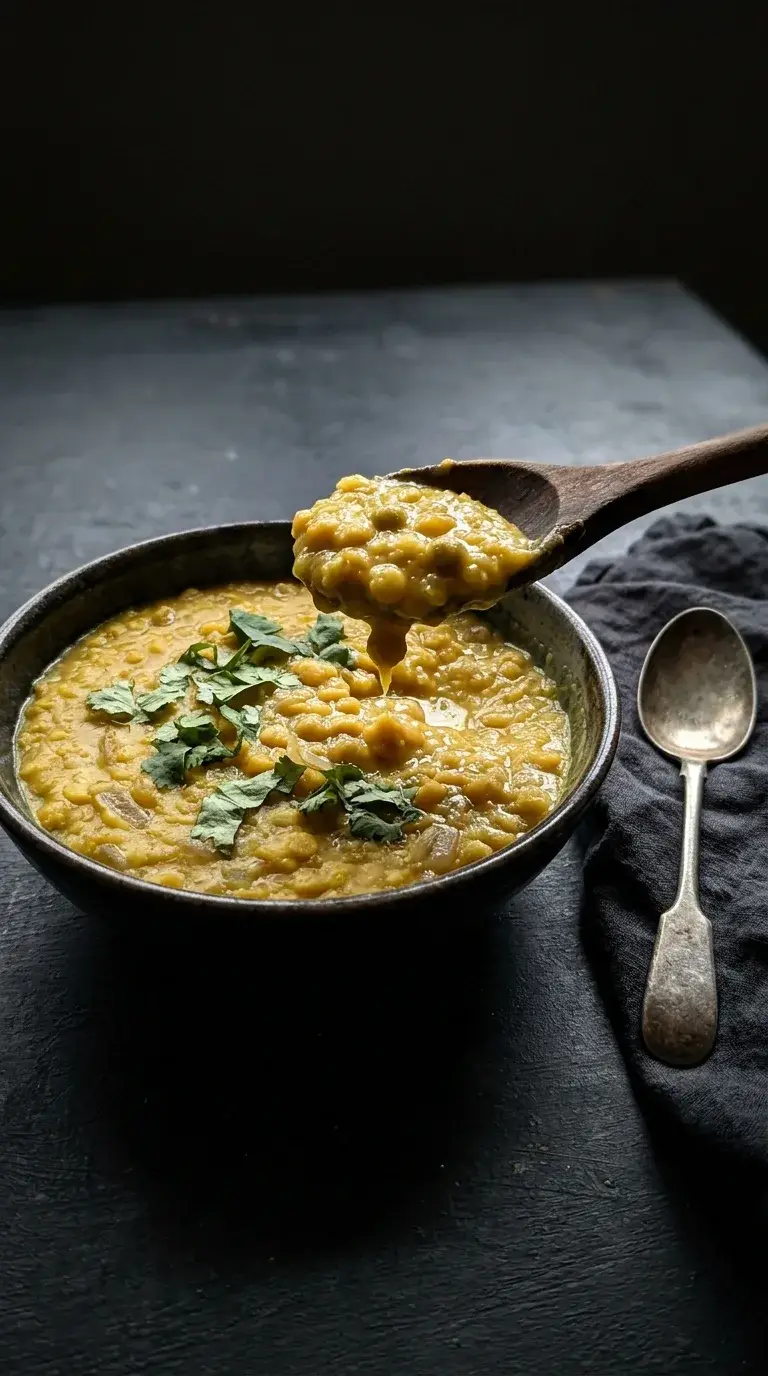
This Indian soup combines aromatic spices, tomatoes, and lemon juice for a balanced profile. You will sauté cumin seeds in vegetable oil or ghee to release their oils before adding onions, ginger, and garlic. Simmer the mixture for 45 minutes until the peas soften. Mash half the peas with a wooden spoon to create a creamy base while leaving some whole for bite. Finish the dish with fresh cilantro and a drizzle of lemon juice.
Split Pea Dal: Hearty Indian Soup
Recipe cardIngredients
Instructions
-
Prepare the peas
Rinse the split peas under cold running water until the water runs clear. Soak them in a bowl of water for 30 minutes to reduce cooking time, then drain. This ensures the peas soften evenly.
-
Sauté the aromatics
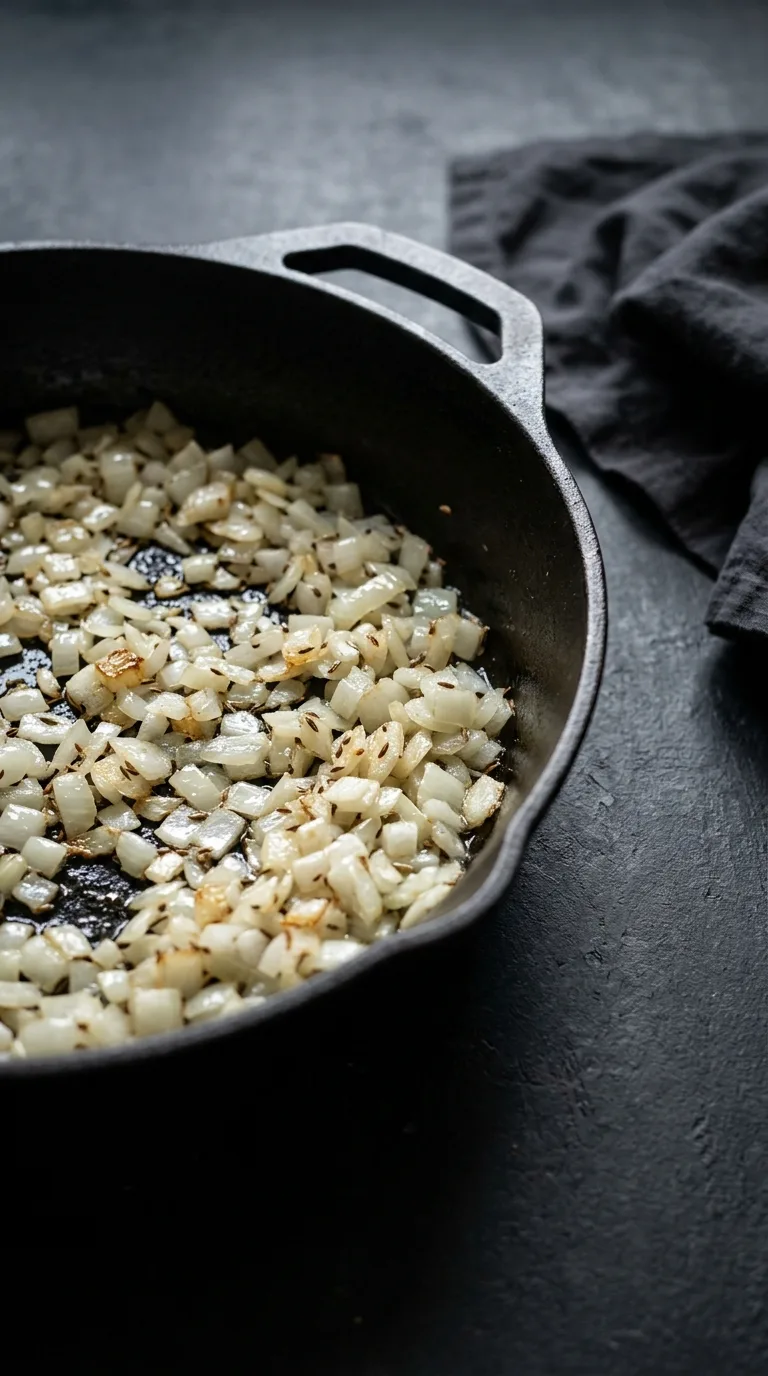
Heat the vegetable oil or ghee over medium heat. Add the cumin seeds and let them sizzle for 30 seconds until fragrant. Add the chopped onion and sauté for 5 minutes until translucent and lightly golden.
-
Build the spice base
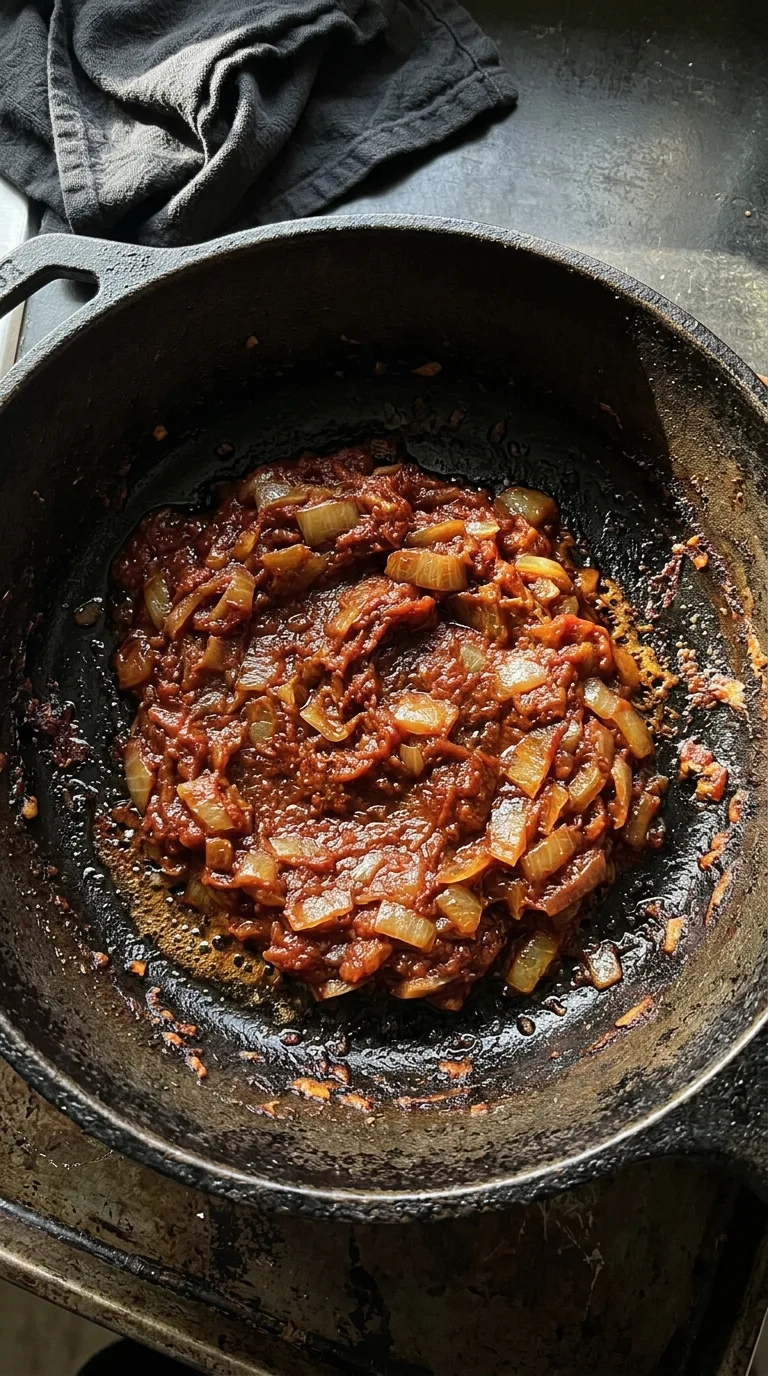
Stir in the minced ginger, garlic and chili powder. Cook for 2 minutes until the aromatics release their scents. Add the tomato paste and cook for 2 minutes to allow the paste to caramelise slightly, which deepens the flavour.
-
Simmer the dal
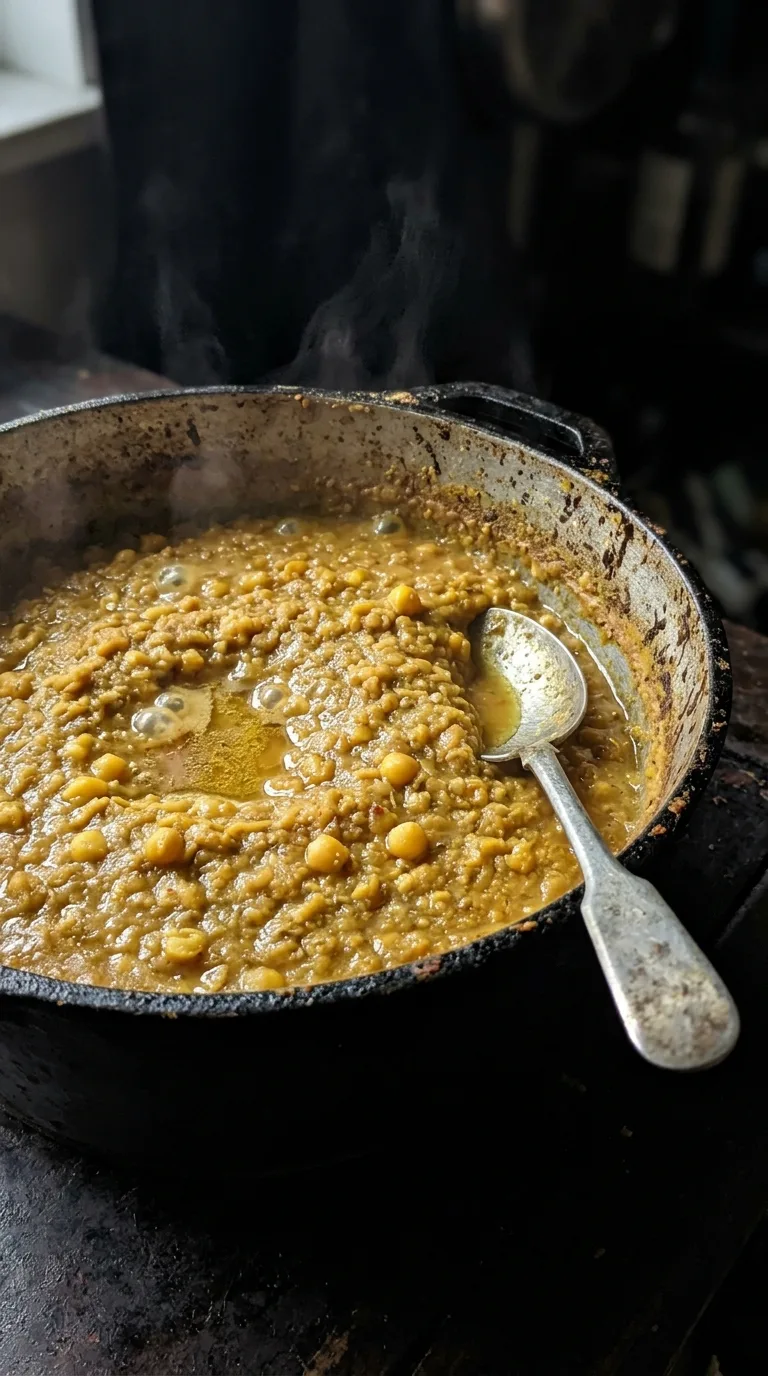
Pour in the water and add the rinsed split peas. Bring the mixture to a gentle boil, then reduce the heat to low. Cover the pot and simmer for 45 minutes, stirring occasionally, until the peas are soft and the mixture has thickened.
-
Create the texture
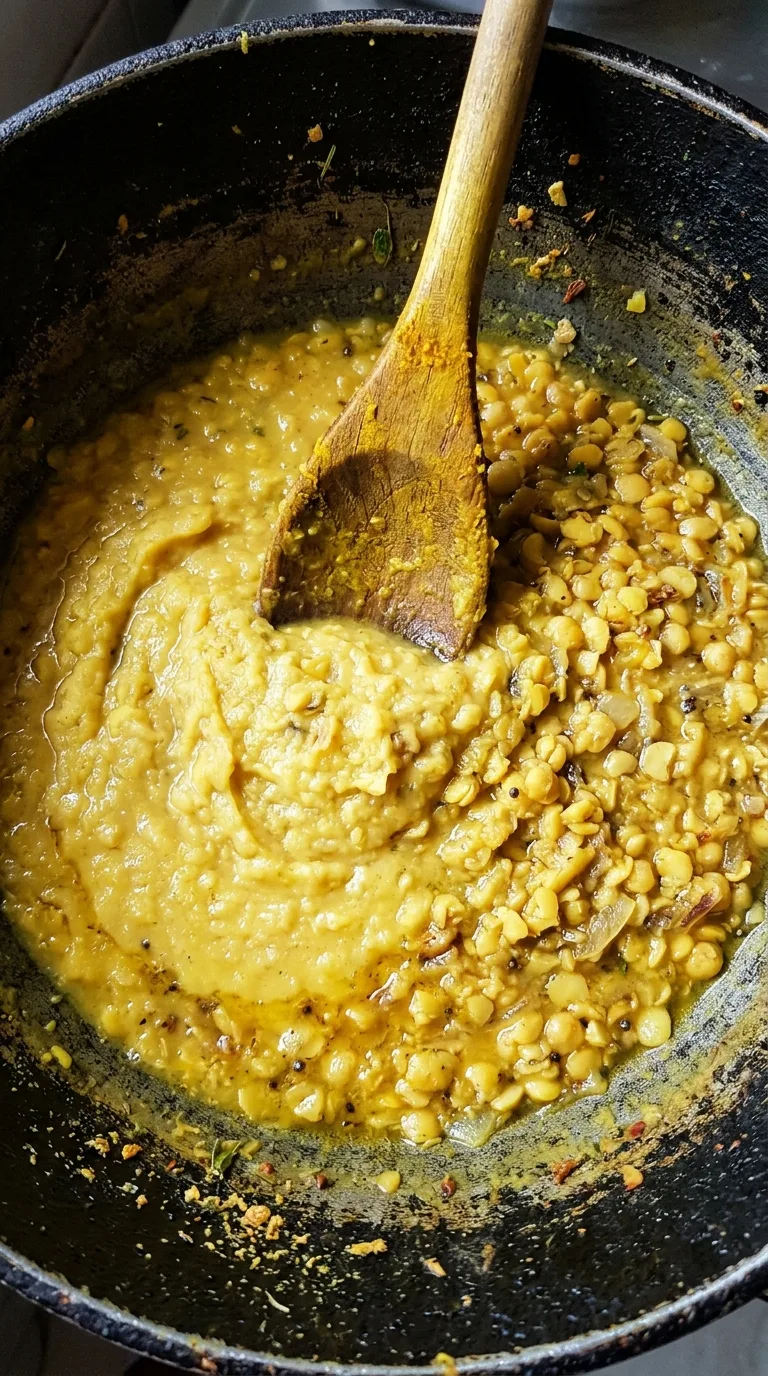
Use a wooden spoon to mash half of the peas. This creates a creamy texture while keeping some whole peas for bite. Add a splash of water if the dal becomes too dry during this process.
-
Season and serve
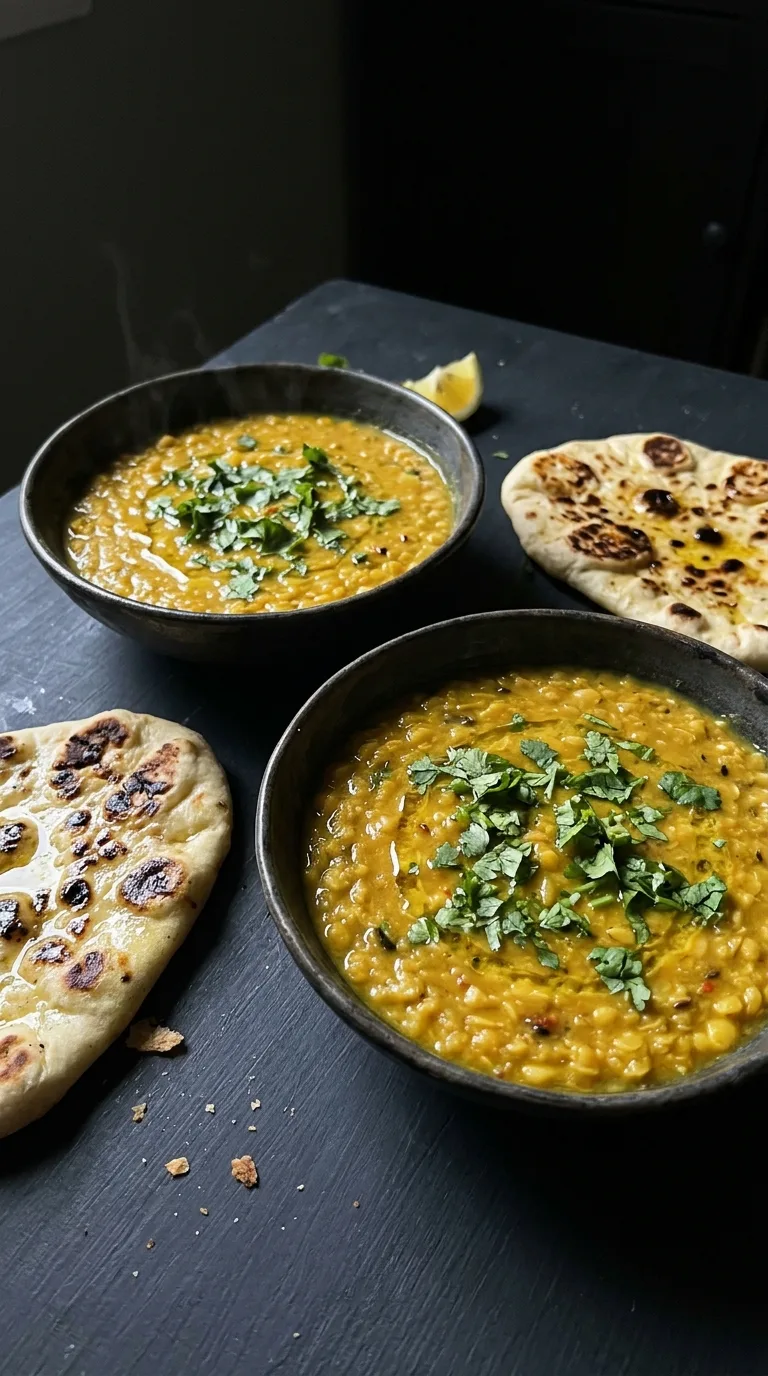
Stir in the salt, optional pepper and lemon juice. Add the salt last to ensure it does not interfere with the softening of the peas. Transfer to bowls and sprinkle with chopped cilantro.
Keep the pot slightly open during the final simmer. If the lid is fully sealed, the starchy liquid can foam up and cause the dal to boil over. Watch for bubbles reaching the rim and adjust the heat or lid position immediately to prevent a mess.
What to serve with it
Serve the split pea dal over freshly steamed basmati rice for a wholesome meal. Accompany the dish with warm buttered naan to provide a satisfying texture contrast. For an extra flavour kick, sprinkle a pinch of freshly ground black pepper and a drizzle of ghee on top before serving hot.
Storing and reheating
Let the dal cool to room temperature before refrigerating. Consume it within 4 days. For longer storage, place the dal in an airtight container and freeze for up to 3 months. Thaw the container slowly in the refrigerator, then reheat the mixture gently on the stove until hot.
Nutrition per serving
- Calories
- 245
- Protein
- 14.2 g
- Carbs
- 32.5 g
- Fat
- 6.8 g
- Fiber
- 11.4 g
- Sugar
- 5.1 g
Estimated, and offered as a guide rather than a medical figure.
Made it? Rate it.
Questions people ask
Are split peas the same as dal?
Yes. Dal refers to both the dried, split pulses and the thick stew made from them. In this recipe, the split peas act as the dal to create a protein-rich base for the soup.
Is split pea the same as toor dal?
No. Toor dal is made from pigeon peas, whereas these are yellow split peas. While both create a thick consistency, they have different earthy profiles and cooking times.
What is the Indian name for split peas?
Yellow split peas are often referred to as dal. Depending on the specific variety of pea used, they may be called by specific regional names, but dal is the general term.
Is chana dal the same thing as yellow split peas?
No. Chana dal is made from split chickpeas. It has a firmer texture and a nuttier flavour than yellow split peas, which break down more easily during the simmering process.
About the author
Mary C. Rivero
Mary C. Rivero specializes in comforting home‑cooked meals, from hearty pastas and sheet‑pan dinners to quick weeknight snacks. Her recipes feature clear, step‑by‑step directions and practical tips, helping readers create flavorful dishes with confidence and ease.