Split Pea Pasta: Rigatoni in Garlic Herb Pea Sauce
Rushing the simmer turns split pea pasta into a gritty, water-logged purée that separates from the pasta rather than coating it. Dried green split peas require sustained low heat to collapse fully. If you blend them while the centres remain firm, no amount of machine speed will produce a smooth sauce.
When cooked properly, the pulses break down completely into a velvety, pale green sauce brightened with fresh lemon juice and fragrant garlic. Tossed with ridged rigatoni, the glossy emulsion clings tightly to every tube, balanced by earthy olive oil and finely chopped flat-leaf parsley and mint.
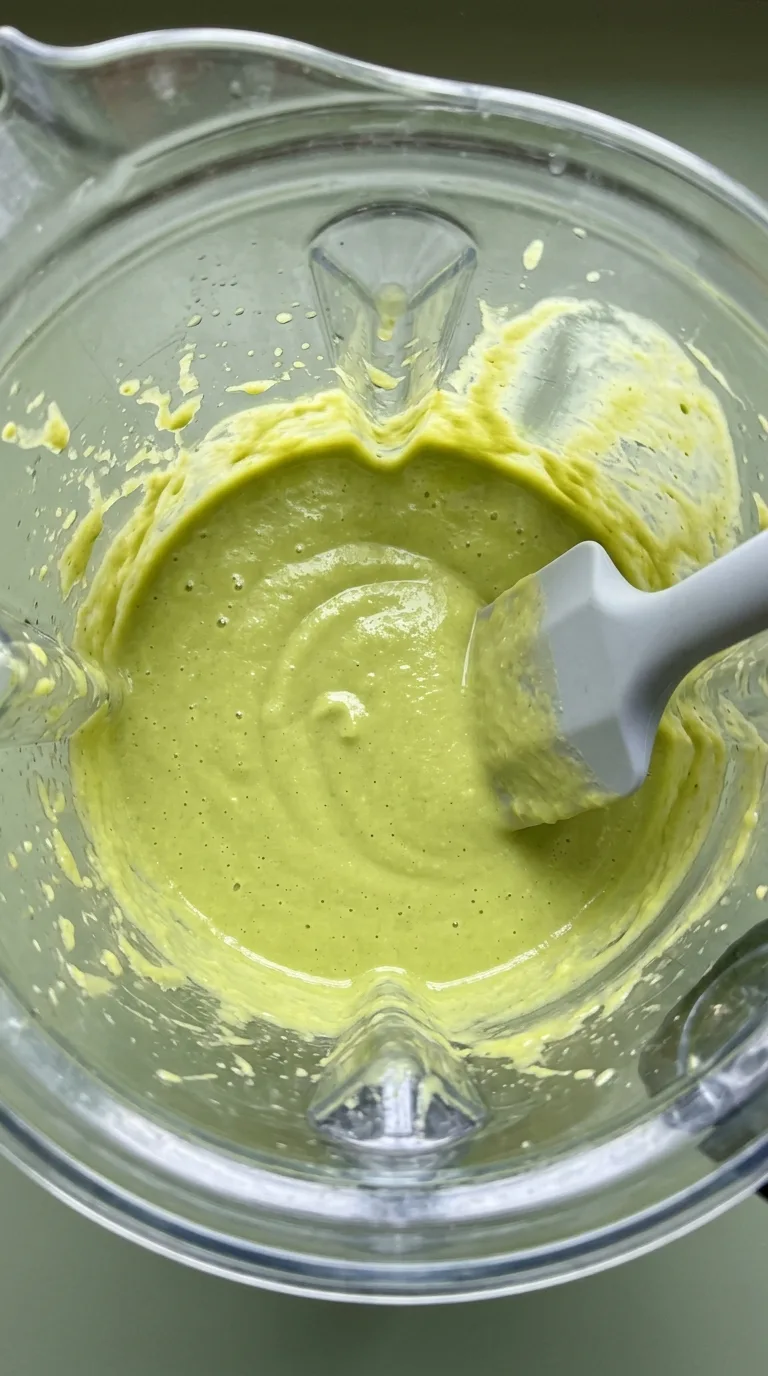
The critical step happens before the sauce leaves the blender. You must simmer the split peas for 30 to 35 minutes until totally soft, then blend them with starchy pasta cooking water to emulsify the olive oil and create the texture of pourable double cream.
Split Pea Pasta: Rigatoni in Garlic Herb Pea Sauce
Recipe cardIngredients
Instructions
-
Soften the onion
Heat 1 tablespoon of extra virgin olive oil in a large saucepan set over medium heat. Add the diced onion and cook gently for 5 to 6 minutes until soft and translucent, ensuring it does not brown. Keeping the heat steady preserves the delicate sweet flavour of the onion without turning the base bitter.
-
Simmer the split peas
Stir in the minced garlic and cook for 1 minute until fragrant. Add the rinsed split peas, 700 ml of vegetable stock, 1 teaspoon of sea salt, and 0.5 teaspoon of black pepper. Bring the liquid to a boil over medium-high heat, then reduce the heat to low, cover with a tight-fitting lid, and simmer gently for 30 to 35 minutes until the split peas are completely tender and soft.
-
Boil the pasta
Bring a large pot of well-salted water to a rolling boil over high heat. Add the rigatoni and cook according to packet instructions until al dente, roughly 10 to 12 minutes. Reserve 200 ml of the starchy pasta cooking water before draining through a colander so you have the liquid needed to emulsify the sauce.
-
Blend the velvety sauce
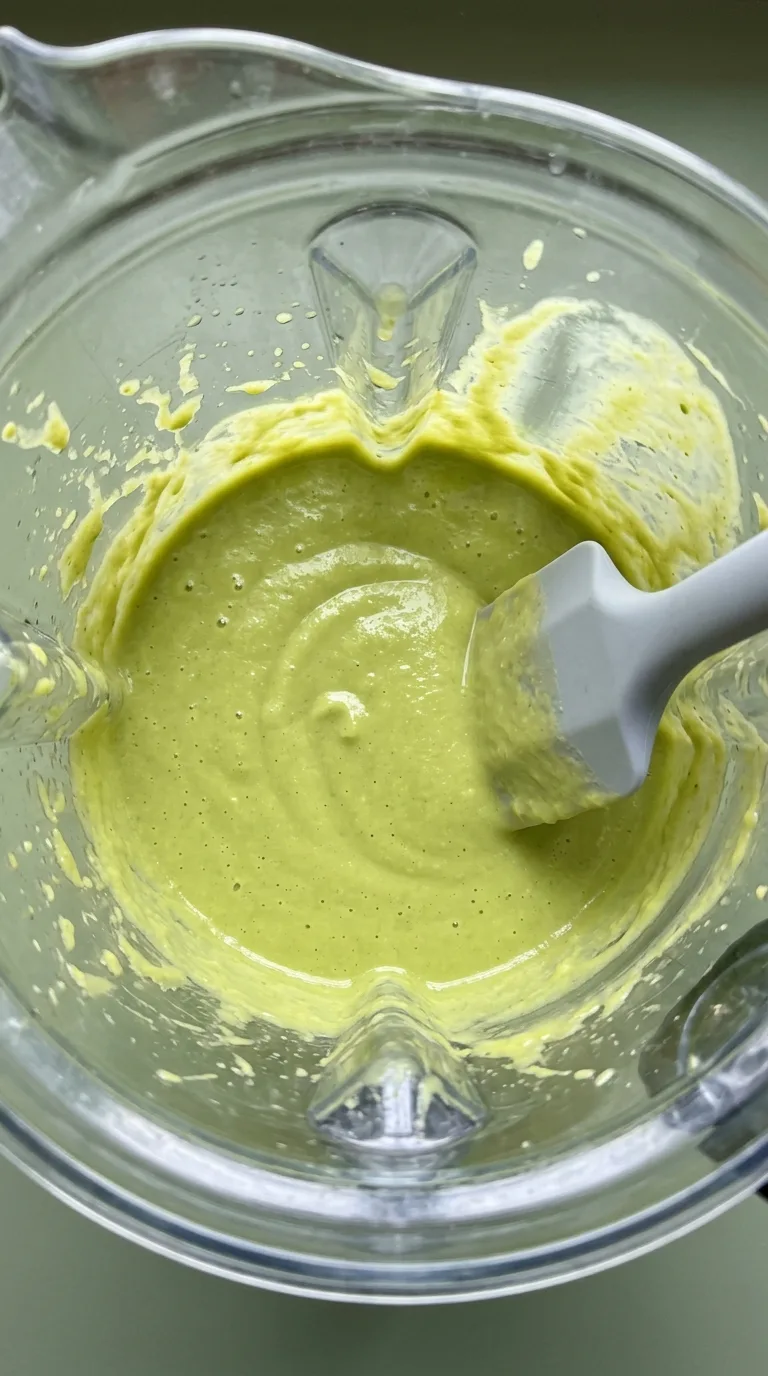
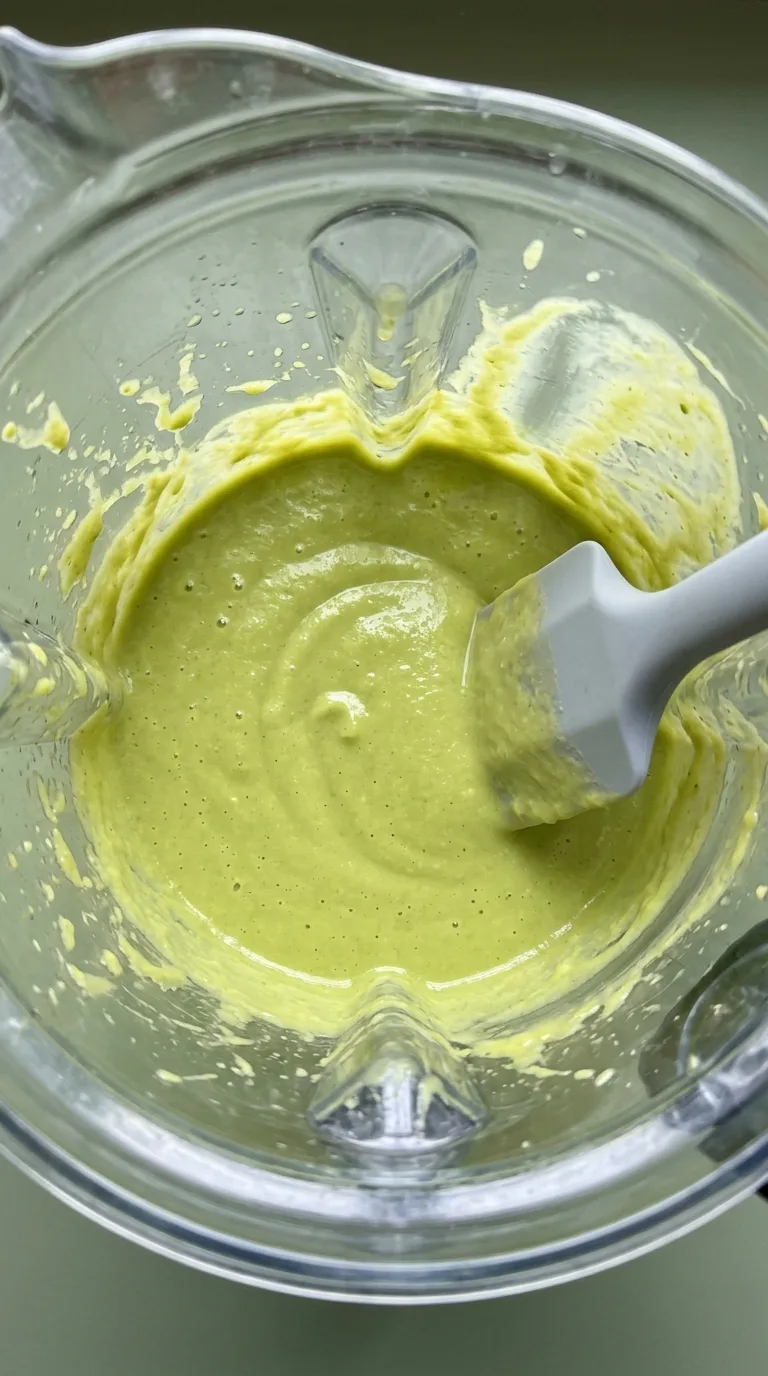
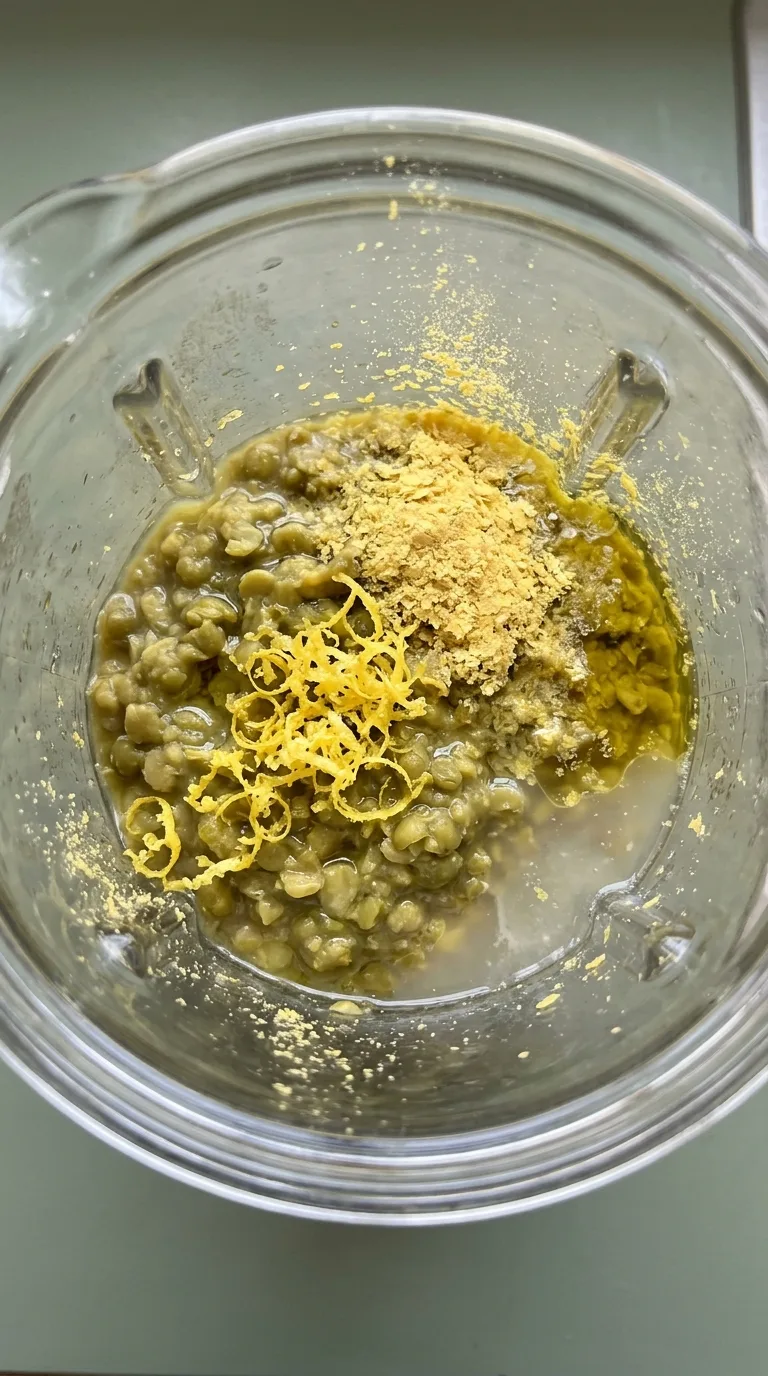
Transfer the cooked split pea mixture carefully into a blender. Add the remaining 2 tablespoons of extra virgin olive oil, lemon zest, 2 tablespoons of freshly squeezed lemon juice, nutritional yeast, and 100 ml of the reserved pasta water. Blend on high speed for 1 to 2 minutes until completely smooth, silky, and pale green in colour, adding a splash more pasta water if necessary to achieve the consistency of pourable double cream.
-
Toss and coat
Pour the velvety split pea sauce back into the warm saucepan over low heat. Tip in the drained pasta along with the finely chopped parsley and mint. Toss vigorously for 1 to 2 minutes until the pasta is thoroughly coated in the glossy sauce, adjusting seasoning with an extra squeeze of lemon juice or sea salt to taste.
-
Plate and finish
Divide the hot pasta evenly amongst four warm pasta bowls. Drizzle each portion with a thin thread of olive oil to catch the light and add richness. Serve immediately while the sauce is hot and fluid.
Check the split peas before blending by crushing one between your fingers. If the centre feels chalky or resists, simmer for another 5 minutes with a splash of water; unsoftened peas will produce a gritty purée that separates from the pasta rather than a glossy, clinging cream.
What goes wrong and why
The purée turns gritty if you blend the split peas before the centres soften completely. Test a pea between two fingers before taking the pan off the heat; it must mash instantly without resistance. If it resists, simmer for another 5 minutes with a splash of water.
Storing and reheating
Cool leftovers within 2 hours and refrigerate in an airtight container for up to 4 days. The starch in the purée thickens as it chills, so reheat gently on the hob with a splash of warm water to restore the glossy, pourable consistency before tossing.
What to serve with it
Garnish the bowls with toasted pine nuts or crispy toasted breadcrumbs to add textural crunch against the velvety pasta. A crisp salad of rocket and shaved fennel tossed in lemon vinaigrette balances the savoury pulse purée, while crumbled feta or fresh ricotta adds an indulgent dairy finish.
Nutrition per serving
- Calories
- 490
- Protein
- 21.5 g
- Carbs
- 78.0 g
- Fat
- 12.0 g
- Fiber
- 15.0 g
- Sugar
- 4.5 g
Estimated, and offered as a guide rather than a medical figure.
Made it? Rate it.
Questions people ask
Is split pea healthy?
Yes. Split peas are naturally rich in plant protein, dietary fibre, and essential minerals like iron and folate. Blending them into a sauce provides complex carbohydrates and lasting satiety without needing heavy cream or butter.
What is the best recipe for pea pasta?
The best method simmers dried split peas with aromatics until completely soft, then purées them with starchy pasta cooking water and olive oil. Emulsifying the cooking water with the pulses creates a clinging, velvety sauce that coats rigatoni ridges seamlessly.
Which is healthier, split pea or lentils?
Both are nutritionally comparable legumes with similar calorie and protein profiles. Split peas provide slightly more dietary fibre per portion, while lentils contain marginally higher iron levels. Both offer exceptional plant protein for savoury dishes.

About the author
Mary C. Rivero
Mary C. Rivero specializes in comforting home‑cooked meals, from hearty pastas and sheet‑pan dinners to quick weeknight snacks. Her recipes feature clear, step‑by‑step directions and practical tips, helping readers create flavorful dishes with confidence and ease.