Why Is Chicken Breast So Dry? Science and Simple Fixes
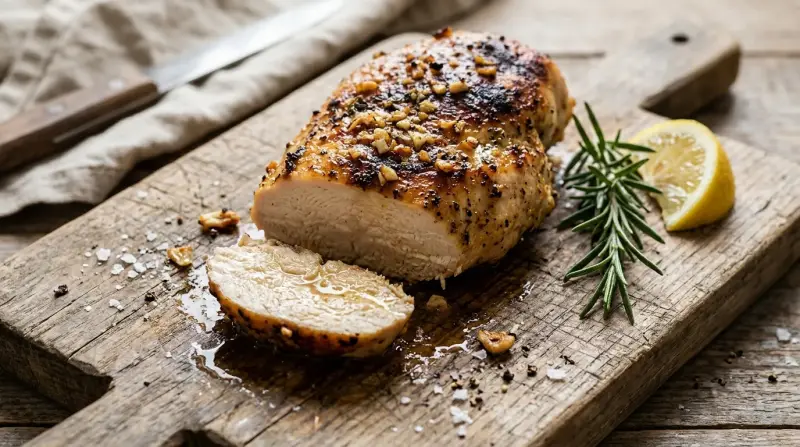
Chicken breast becomes dry because it has very little fat, and when it is heated the muscle fibres contract sharply, squeezing out the juices and leaving the meat stringy if it is cooked too long or at too high a temperature.
Moisture‑Keeping Strategies Compared
| Method | Approx. Time | Effort | Result | Best For |
|---|---|---|---|---|
| Brining | 2–4 h | Low | Juicy, evenly seasoned | Beginners who want a fool‑proof boost |
| Marinating | 30 min–2 h | Medium | Flavourful, slightly tender | Cook‑savvy who like layered taste |
| Sear‑then‑Bake | 12–15 min total | Medium | Golden crust, moist centre | Those who enjoy a crisp exterior |
| Resting | 5–10 min | Very low | Juices re‑absorb, easier to slice | All cooks, especially when serving |
Brining – a Simple Salt Solution
Brining works by denaturing proteins so they can retain more water. A basic brine uses one tablespoon (15 g) of kosher salt per litre of cold water; adding a teaspoon of sugar enhances flavour and promotes browning. Submerge the boneless, skinless breast and refrigerate for two to four hours. If you prefer a quicker method, a quarter‑hour brine of the same concentration will still add some moisture, though the effect is milder. After brining, pat the meat dry and season lightly before cooking. For cooks who enjoy bone‑in pieces, keeping the bone and a thin layer of skin on the breast further reduces moisture loss, a point explained in What is chicken breast with rib meat? Explained for home cooks.
Marinating with Acid and Oil
A marinade combines an acid (lemon juice, yoghurt or apple cider vinegar) with oil and herbs. The acid partially breaks down muscle fibres, while the oil creates a protective coating that slows moisture evaporation. Mix 60 ml lemon juice, 30 ml olive oil, a minced garlic clove and a pinch of dried thyme. Coat the breast and refrigerate for thirty minutes to two hours. Longer marination does not always improve texture; beyond two hours the acid can make the surface mushy. This method also adds flavour, making the meat more enjoyable as discussed in Chicken Breast: Is It a Healthy Choice for Your Diet?.
Sear‑then‑Bake for a Golden Crust
Start by heating a heavy skillet over medium‑high heat to about 200 °C (400 °F). Add a drizzle of olive oil and sear each side of the breast for 2 minutes until a deep brown crust forms. Transfer the skillet to a pre‑heated oven at 190 °C (375 °F) and finish cooking for 8–10 minutes, or until an instant‑read thermometer registers 74 °C (165 °F) in the thickest part. Remember that the temperature will rise another 3–5 °C during resting, so remove the bird a few degrees early. This two‑stage method prevents the outer layer from over‑cooking while allowing the interior to reach a safe temperature without drying out. For a practical example, see the Broiled Chicken Breast: Lean American Poultry recipe.
Resting and Proper Slicing
After the chicken leaves the heat, tent it loosely with aluminium foil and let it rest for five to ten minutes. Resting relaxes the muscle fibres, allowing the juices that were forced out during cooking to redistribute throughout the meat. Cutting too early results in a pool of liquid on the plate and a dry bite. When you are ready to serve, slice against the grain—cutting perpendicular to the length of the fibres—to shorten the fibre strands and make each bite feel more tender.
A printable recipe card for "Broiled Chicken Breast: Lean American Poultry" is just below the article, ready to download or print.
Frequently asked questions
Can I use a frozen chicken breast?
Yes, but thaw it in the refrigerator overnight first. Cooking from frozen often doubles the cooking time and increases the risk of a dry exterior while the centre remains undercooked.
Is it safe to eat chicken breast at 70 °C (158 °F)?
No. The USDA recommends an internal temperature of at least 74 °C (165 °F) for safe consumption. Cooking to a lower temperature can leave harmful bacteria alive.
How long can cooked chicken breast be stored?
Refrigerated in an airtight container, it stays safe for up to three days. For longer storage, freeze it within two hours of cooking; it will keep for two to three months.
Will using butter instead of oil help?
Butter adds flavour but burns at lower temperatures than oil. Use a combination of butter and a high‑smoke‑point oil, such as olive oil, to get both taste and a safe sear.
Printable recipe card: Broiled Chicken Breast: Lean American Poultry
Save it, print it, or keep it on your phone while you cook.
Loading the recipe card…

About the author
Mary C. Rivero
Mary C. Rivero specializes in comforting home‑cooked meals, from hearty pastas and sheet‑pan dinners to quick weeknight snacks. Her recipes feature clear, step‑by‑step directions and practical tips, helping readers create flavorful dishes with confidence and ease.