Are Chicken Wings Healthy? Nutrition Facts and Smart Cooking Tips
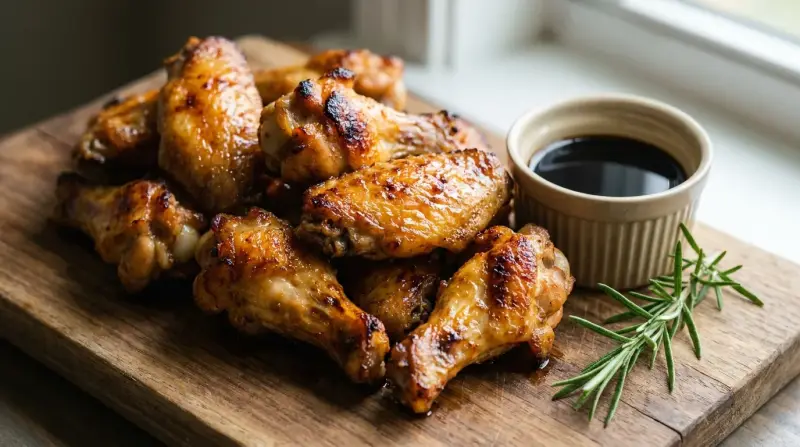
Chicken wings can be part of a healthy diet when they’re prepared with lower‑fat cooking methods, kept to reasonable portions, and paired with nutrient‑rich sides; they provide high‑quality protein, vitamins, and minerals, but deep‑fried or sauce‑laden versions add extra calories, saturated fat, and sodium.
Comparison of Cooking Methods
| Method | Time/Effort | Result | Best For |
|---|---|---|---|
| Baked (425°F/220°C) | 30‑35 minutes, minimal hands‑on | Golden skin, less fat, moderate crisp | Home cooks who want convenience |
| Deep‑Fried (350°F/175°C) | 15‑20 minutes, oil handling | Very crisp, higher fat content | Fans of classic restaurant texture |
| Air‑Fried (400°F/205°C) | 20‑25 minutes, one‑pan | Crunchy exterior, up to 70% less oil | Health‑focused eaters |
| Grilled (medium‑high heat) | 20‑25 minutes, outdoor or indoor grill | Smoky flavor, charred edges, skin retains some fat | Those who enjoy barbecued taste |
Understanding the Nutrition of Wings
A single average chicken wing (including skin) supplies roughly 6 g of protein, 45 calories, and small amounts of iron, zinc, and B‑vitamins. The protein supports muscle repair and satiety, while the skin contributes both flavor and collagen, a nutrient that benefits joint health. Because wings contain virtually no carbohydrates, they fit low‑carb plans, but the fat content varies sharply with preparation. Fried wings can reach 120 calories per piece, whereas baked or air‑fried wings stay near 70 calories. Sodium spikes when sauces contain soy, salt, or sugar, so watching label information is key. The USDA recommends a safe internal temperature of 165°F (74°C) for poultry; use a meat thermometer to avoid undercooking.
Healthier Preparation Techniques
Baking on a rack lets fat drip away, lowering overall calories. For extra crispness, pat the wings dry, toss them in a thin coating of olive oil, and bake at 425°F (220°C) for 30‑35 minutes, turning once. Air‑frying achieves similar crunch with up to 70% less oil; a single‑layer basket ensures even airflow. Grilling over medium‑high heat creates a smoky char while preserving the skin’s texture—brush with a light mixture of apple juice and a dash of low‑sodium soy sauce to prevent drying.
If you enjoy Asian flavors, try the Honey Soy Chicken Wings: Crispy Asian Appetiser. The glaze uses honey, soy, and a splash of ginger, delivering taste without deep frying. For those who keep frozen stock, remember you can safely cook chicken wings from frozen by baking them a few minutes longer, ensuring the internal temperature still reaches 165°F.
Portion Control and Pairings
Moderation is essential. A standard serving of six wings provides about 360‑450 calories, depending on cooking method. Pair wings with a high‑fiber side such as a mixed green salad or roasted vegetables to balance the meal and improve satiety. When choosing a dip, opt for low‑fat Greek‑yogurt “ranch” or a vinegar‑based hot sauce instead of creamy dressings. If you’re serving wings with pasta, a light broth‑based sauce works better than heavy cream; see the guide on best sauce for chicken pasta for ideas that keep the overall plate lighter.
Keeping track of sodium is also important. A tablespoon of typical buffalo sauce can add 300 mg of sodium; using a reduced‑sodium soy sauce or homemade spice rub cuts this significantly. Finally, store leftovers in an airtight container in the refrigerator for up to three days, reheating to 165°F before serving.
A printable recipe card for "Honey Soy Chicken Wings: Crispy Asian Appetiser" is just below the article, ready to download or print.
Frequently asked questions
Do chicken wings contain a lot of cholesterol?
A single wing has about 25 mg of cholesterol, which is modest compared with other animal proteins. For most adults, eating wings in moderation fits within the recommended daily limit of 300 mg.
Can I make chicken wings healthier without losing flavor?
Yes. Use dry rubs of smoked paprika, garlic powder, and black pepper, then bake or air‑fry. Adding a splash of citrus or a light honey‑soy glaze provides sweetness without excess fat.
Are wing bones a concern for nutrition?
The bones are safe to eat if you chew them well, but they add little nutritional value. Most people discard them after the meat is removed, focusing on the protein‑rich meat and skin.
How often can I include wings in a balanced diet?
Eating wings once or twice a week, while choosing baked or grilled methods and controlling portion size, works well within a varied diet that includes plenty of vegetables, whole grains, and fruits.
Printable recipe card: Honey Soy Chicken Wings: Crispy Asian Appetiser
Save it, print it, or keep it on your phone while you cook.
Loading the recipe card…

About the author
Mary C. Rivero
Mary C. Rivero specializes in comforting home‑cooked meals, from hearty pastas and sheet‑pan dinners to quick weeknight snacks. Her recipes feature clear, step‑by‑step directions and practical tips, helping readers create flavorful dishes with confidence and ease.