Can You Cook Chicken Breast from Frozen? Safe Methods and Tips
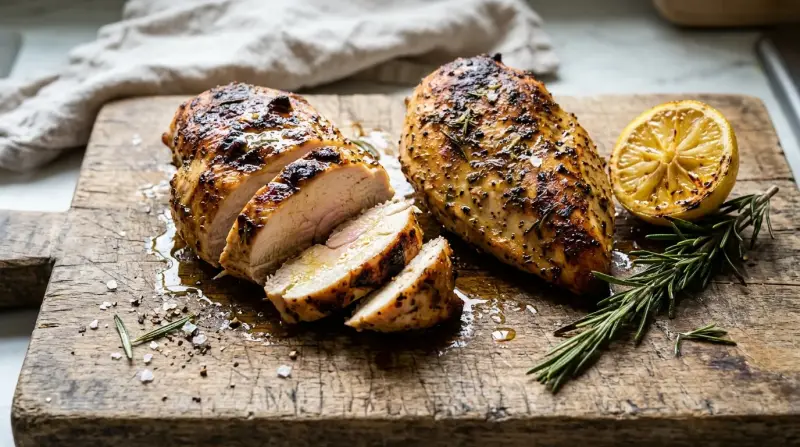
Yes, you can safely cook boneless, skinless chicken breasts straight from the freezer; just ensure they reach an internal temperature of 74°C (165°F) in the thickest part, extend cooking time by about 50%, and use a moist cooking method to prevent drying.
Why cooking chicken breast from frozen is safe
The United States Department of Agriculture states that frozen poultry may be placed directly into a hot oven, stovetop or pressure‑cooker without thawing, provided the final internal temperature reaches 74°C (165°F). Freezing halts bacterial growth, and the rapid rise in temperature during cooking kills any surviving organisms. The main safety consideration is timing: because the centre starts at 0°C, heat takes longer to penetrate, which is why an additional 50% cooking time is recommended.
Preparing frozen chicken breasts for cooking
Begin by separating any breasts that are stuck together. Run the sealed package under cold water for 30 seconds and gently pry the pieces apart; this prevents one side from over‑cooking while the middle remains undercooked. Pat each breast dry with paper towels – do not rinse raw poultry, as splashing spreads bacteria. Lightly brush both sides with a thin layer of oil or melted butter; the fat helps conduct heat and adds moisture.
Seasoning before cooking is optional because salt does not adhere well to a frozen surface. Instead, wait ten minutes after the breasts have begun to thaw in the oven or pan, then sprinkle with salt, pepper and any herbs you like.
Oven method for frozen chicken breasts
Preheat a conventional oven to 200°C (400°F). Line a rimmed baking tray with aluminium foil and place a wire rack on top – this allows hot air to circulate all around the meat. Arrange the frozen breasts on the rack, leaving at least 2 cm between pieces. Brush each breast with 1 tablespoon of olive oil and grate a small amount of lemon zest over the top for fresh flavour.
Roast for 10 minutes, then remove the tray, flip the breasts and season with salt, cracked black pepper and dried thyme. Return the tray to the oven and continue roasting for 20–30 minutes, depending on thickness. A typical 200 g breast will need about 30 minutes total; larger pieces may require up to 40 minutes. Use a meat thermometer inserted into the centre; when it reads 74°C (165°F) the chicken is safe.
For extra juiciness, drizzle 30 ml of low‑sodium chicken broth over the breasts during the final five minutes of cooking. The broth steams the surface and keeps the meat from drying.
For more ideas on using cooked chicken in a Mexican‑style dish, see the recipe for Enchiladas: Slow Cooker Mexican Chicken.
Stovetop poaching method
Poaching yields tender, slice‑ready chicken that retains moisture. Choose a deep saucepan large enough to hold the breasts in a single layer. Add enough low‑sodium chicken broth or water to cover the breasts by 2‑3 cm; a typical 500 ml amount works for two medium breasts. Optionally add aromatics such as a bay leaf, a few peppercorns and a slice of onion.
Bring the liquid to a gentle simmer over medium heat (about 90°C). Do not let it boil, as vigorous bubbles can toughen the outer protein layer. Once a low simmer is established, cover the pan and reduce the heat to maintain a gentle bubble. Cook for 20–30 minutes, checking the thickest part with a thermometer. When the temperature reaches 74°C (165°F), remove the breasts, let them rest for three minutes, then slice or shred as needed.
This method is ideal for preparing chicken for salads, tacos or soups, and the remaining poaching liquid can be reduced to a flavourful sauce.
Pressure‑cooker method
A pressure cooker (electric models such as the Instant Pot are acceptable) cooks frozen chicken rapidly while sealing in moisture. Add 250 ml of water or broth to the inner pot, place the trivet, and arrange the frozen breasts on the rack so they do not touch the liquid directly. Seal the lid and set the valve to “sealing”. Cook on high pressure for 12 minutes for average‑size breasts; larger pieces may need 15 minutes.
After the cooking cycle ends, allow the pressure to release naturally for 10 minutes, then perform a quick release for any remaining pressure. Check the centre with a thermometer; if it reads below 74°C (165°F), reseal and cook for an additional 2‑3 minutes.
Once done, let the meat rest for five minutes before shredding. The broth left in the pot can be seasoned and used as a base for soups or gravies.
For safe storage, you can freeze the cooked chicken again. See Yes, You Can Freeze Homemade Chicken Broth Safely and Easily for guidance on proper freezing techniques.
A printable recipe card for "Enchiladas: Slow Cooker Mexican Chicken" is just below the article, ready to download or print.
Troubleshooting common problems
What goes wrong
The most frequent issues are undercooking, dryness, and uneven colour. Because frozen meat heats slower, the outer layer can become overcooked while the centre remains below the safe temperature. Using dry‑heat methods without added liquid often leads to a rubbery texture.
What it looks like
Undercooked chicken will appear pinkish in the centre and feel soft to the touch. Overcooked pieces are dry, crumbly and may have a leathery surface. Uneven colour shows as a charred exterior with a pale, sometimes translucent interior.
How to fix it
If the centre is still below 74°C, return the breast to the oven or pot and continue cooking in 5‑minute increments, checking the temperature each time. To rescue dry meat, slice it thin and simmer it briefly in broth or a sauce; the liquid re‑hydrates the fibres. For uneven colour, lower the oven temperature to 180°C (350°F) and cover the tray loosely with foil after the first 10 minutes, allowing the heat to penetrate more gently.
Keep reading
Frequently asked questions
Do I need to thaw chicken before using a slow cooker?
Yes. The USDA advises that frozen chicken should not be placed in a slow cooker because the low temperature may not bring the meat to a safe internal temperature quickly enough.
Can I season frozen chicken breasts before cooking?
Seasoning can be added after the first ten minutes of cooking, when the surface has begun to thaw. This allows salt and spices to adhere properly without being brushed off.
How long can I store cooked chicken that was frozen then cooked?
Cooked chicken can be refrigerated for up to four days in an airtight container, or frozen for three months. Reheat to at least 74°C (165°F) before serving.
Is it safe to use a microwave to defrost chicken before cooking?
Microwave defrosting is safe if the chicken is cooked immediately afterwards. However, the microwave can partially cook the edges, leading to uneven texture, so many cooks prefer cold‑water or overnight fridge thawing.
Can I use the same methods for turkey breast?
Yes, turkey breast follows the same principles: increase cooking time by roughly 50% and ensure the thickest part reaches 74°C (165°F). Adjust seasoning to complement the milder flavour of turkey.
Printable recipe card: Enchiladas: Slow Cooker Mexican Chicken
Save it, print it, or keep it on your phone while you cook.
Loading the recipe card…
About the author
Mary C. Rivero
Mary C. Rivero specializes in comforting home‑cooked meals, from hearty pastas and sheet‑pan dinners to quick weeknight snacks. Her recipes feature clear, step‑by‑step directions and practical tips, helping readers create flavorful dishes with confidence and ease.