Can You Freeze Chicken Pasta Bake? A Complete Guide
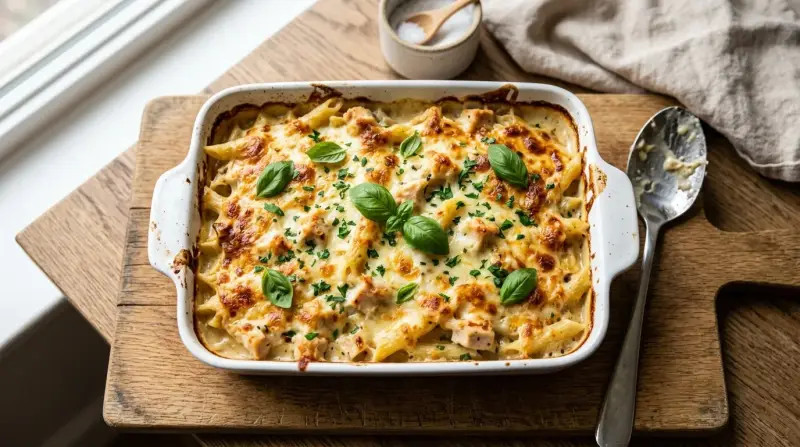
Yes, chicken pasta bake freezes well. Cool, wrap airtight, store up to three months, and reheat using steps to keep flavor and texture.
Why Freezing Works for Chicken Pasta Bake
Freezing preserves the baked casserole’s moisture and flavor because the sauce, cheese, and pasta create a sealed matrix that protects the chicken from freezer burn. When you cool the dish quickly, ice crystals remain small, preventing a grainy texture when reheated. The cheese layer also acts as a barrier, sealing in steam and keeping the pasta from drying out.
Flavor and Texture Retention
Cheese‑based sauces, like the Alfredo cream in our Chicken Alfredo Bake: Creamy Pasta Casserole, contain fats that solidify at freezer temperatures, forming a protective film. This film locks in the aromatic herbs, garlic, and chicken juices, so the casserole tastes almost as fresh as the day it was baked.
Safety Considerations
Food safety hinges on two rules: cool the dish to below 40°F (4°C) within two hours, and keep the freezer at 0°F (‑18°C) or colder. Rapid cooling prevents bacterial growth, especially for the chicken. Use an ice‑water bath for the baking dish if you need to speed up the process.
Step‑by‑Step Guide to Freezing
- Cook and Cool: Bake the chicken pasta bake as directed. Once it reaches an internal temperature of 165°F (74°C), remove it from the oven and let it sit on a wire rack for 10–15 minutes.
- Portion (Optional): Cut the casserole into individual servings. Smaller portions thaw more evenly and reheat faster.
- Wrap Tightly: Cover each portion with a double layer of plastic wrap, pressing the film directly onto the surface to eliminate air pockets. Then add a layer of aluminum foil or place the dish in a freezer‑safe zip‑top bag.
- Label: Write the date and contents on the foil or bag. This helps you track the three‑month storage limit.
- Freeze: Place the wrapped portions flat in the freezer. Avoid stacking until the wrap is firm.
How Long Can It Stay Frozen?
For best quality, aim to consume the frozen bake within three months. After that, the texture may degrade, though it will still be safe if kept at 0°F (‑18°C) continuously.
| Storage Method | Maximum Time | Recommended Temperature |
|---|---|---|
| Freezer (airtight wrapped) | 3 months | 0°F (‑18°C) |
| Refrigerator (covered) | 4 days | 40°F (4°C) |
For more details on refrigeration limits, see our article How Long Does Chicken Pasta Stay Fresh in the Fridge?.
Reheating From Frozen
Two reliable methods preserve the creamy texture: oven and microwave. The oven yields a uniformly heated crust, while the microwave is faster for a single serving.
Oven Method
- Preheat the oven to 350°F (177°C).
- Remove the outer foil; keep the inner plastic wrap if it’s microwave‑safe, otherwise replace with fresh foil.
- Place the frozen portion on a baking sheet and cover loosely with foil to prevent the cheese from over‑browning.
- Bake for 35–45 minutes, or until the internal temperature reaches 165°F (74°C). Use a food thermometer in the center of the casserole.
- For a golden top, uncover the dish for the last 10 minutes.
Microwave Method
- Transfer a single portion to a microwave‑safe plate.
- Cover loosely with a microwave‑safe lid or vented plastic wrap.
- Heat on medium power (50%) for 4 minutes, then stir the edges to distribute heat.
- Continue heating in 1‑minute intervals, stirring each time, until the center reaches 165°F (74°C). This usually takes 6–8 minutes total.
Regardless of method, let the bake rest for 5 minutes after reheating; the residual heat equalizes the temperature and finishes the sauce’s thickening.
Tips to Avoid Common Problems
- Prevent Ice Crystals: Cool the bake quickly and wrap tightly. Large ice crystals cause a watery sauce when reheated.
- Avoid Over‑Freezing Cheese: Excessive freezer burn appears as gray spots on the cheese. Seal well and consume within three months.
- Reheat Evenly: Stir the sauce halfway through reheating to stop hot spots, especially in the microwave.
- Adjust Moisture: If the reheated casserole seems dry, stir in a splash of low‑sodium chicken broth or milk before serving.
- Portion Size Matters: Smaller servings thaw faster and reheat more uniformly, reducing the risk of undercooked chicken.
Make‑Ahead Variations
You can customize the bake before freezing to match seasonal produce or dietary needs. Swap spinach for kale, add sun‑dried tomatoes for a tangy bite, or use gluten‑free pasta if required. Just follow the same freezing steps; the added ingredients freeze just as well.
A printable recipe card for "Chicken Alfredo Bake: Creamy Pasta Casserole" is just below the article, ready to download or print.
Frequently asked questions
Can I freeze a chicken pasta bake that wasn’t baked yet?
Yes. Prepare the uncooked casserole, portion it, and freeze it before baking. When ready, bake from frozen at 400°F (204°C) for about 45‑50 minutes, or until the internal temperature hits 165°F (74°C).
Do I need to thaw a chicken pasta bake before reheating?
Thawing is optional. For oven reheating, you can go directly from frozen; the oven’s gentle heat will thaw and cook evenly. For the microwave, a brief defrost (2‑3 minutes) speeds up the process and prevents uneven heating.
How do I know if the frozen bake is still safe to eat?
If the bake has been stored longer than three months, shows freezer burn, or has an off smell after thawing, discard it. Always check that the reheated interior reaches 165°F (74°C) before serving.

About the author
Mary C. Rivero
Mary C. Rivero specializes in comforting home‑cooked meals, from hearty pastas and sheet‑pan dinners to quick weeknight snacks. Her recipes feature clear, step‑by‑step directions and practical tips, helping readers create flavorful dishes with confidence and ease.