How Long Homemade Chicken Broth Stays Fresh and Safe to Use
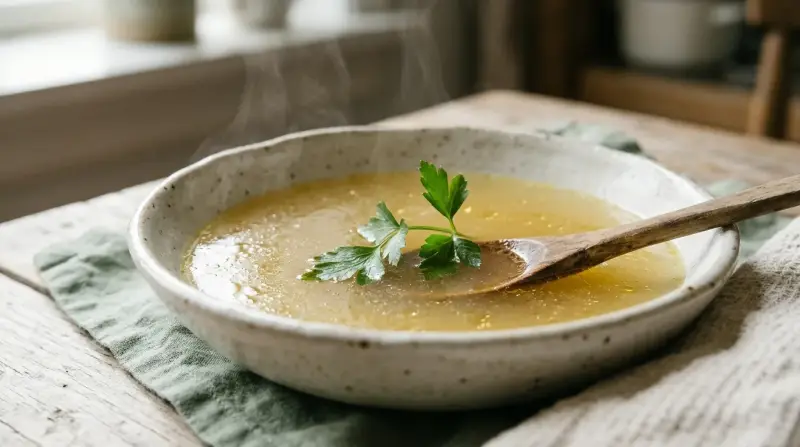
Homemade chicken broth stays safe to eat for three to four days in a refrigerator kept at 4°C (40°F) and can be frozen for four to six months if cooled rapidly and stored in airtight containers.
Understanding the Shelf Life of Homemade Chicken Broth
When a pot of broth finishes simmering, the clock starts the moment it reaches a safe refrigerator temperature. The USDA advises that perishable liquids should not remain above 4°C (40°F) for more than two hours, or one hour if the kitchen is above 32°C (90°F). After cooling, the broth should be transferred to a clean, sealable container and placed in the fridge. Within this environment, the broth’s natural enzymes and any residual bacteria slow dramatically, giving it a shelf life of three to four days. This timeframe is shorter than that of commercial broth because home‑made stock lacks preservatives and is exposed to more kitchen microbes during preparation.
How to Store Broth Safely for Maximum Freshness
Proper storage begins with rapid cooling. Divide the hot broth into smaller portions—ideally 500 ml (about 2 cups) each—and place the containers in an ice‑water bath, stirring occasionally, until the temperature drops below 4°C (40°F). Once cool, seal the lids tightly to prevent air and odour transfer. For fridge storage, place the containers on a shelf rather than the door, where temperature fluctuations are greatest. Label each with the preparation date; this simple habit helps you use the oldest broth first. If you notice a cloudiness that does not turn into a pleasant gelatin, an off‑smell, or a sour taste, discard the broth immediately as these are signs of spoilage.
Common Myths About Broth Longevity
Many cooks believe that broth will keep for a week in the fridge if it is fully gelatinous or that reheating it every few days extends its life. The gelatinous texture simply indicates a high collagen content, not enhanced safety. Reheating does kill most bacteria present at that moment, but any spores that survived the initial cooling can germinate again once the broth cools, meaning the overall shelf life does not increase. The belief persists because reheated broth often tastes fine, yet the risk of subtle food‑borne illness remains. The safest approach is to adhere to the three‑to‑four‑day rule, regardless of texture or reheating frequency.
Freezing Homemade Broth for Long‑Term Use
Freezing is the most reliable way to keep homemade broth beyond the fridge window. Before freezing, allow the broth to cool to room temperature, then transfer it to freezer‑grade bags or rigid containers, leaving about 2 cm (1 inch) headspace for expansion. Portion sizes of 250 ml (1 cup) work well for quick thawing. Seal tightly, label with the date, and store at –18°C (0°F) or lower. When you need broth, thaw a portion in the refrigerator overnight or submerge the sealed bag in cold water for faster results. Never thaw broth at room temperature as this encourages bacterial growth. After thawing, bring the broth to a rolling boil for at least one minute to ensure any potential microbes are destroyed before use. For further guidance, see the article "How to Freeze Homemade Chicken Stock for Long‑Term Use".
A printable recipe card for Xiao Long Bao: Chicken Soup Dumplings is just below the article, ready to download or print.
Keep reading
- The Secret to Good Chicken Soup: How to Achieve a Silky, Flavourful Broth
- How to Freeze Homemade Chicken Stock for Long‑Term Use
Frequently asked questions
Can I keep broth at room temperature overnight?
No. Leaving broth above 4°C (40°F) for more than two hours creates an environment where harmful bacteria multiply quickly. If it has sat out longer, discard it for safety.
How long will broth stay good in the freezer?
Homemade chicken broth retains quality for four to six months when stored at –18°C (0°F) or lower. After this period the flavour may diminish, but it remains safe if continuously frozen.
Is it safe to reheat frozen broth without boiling?
Always bring thawed broth to a vigorous boil for at least one minute. This step eliminates any bacteria that might have survived freezing and thawing.
Can I add herbs or spices to frozen broth?
Yes, you can freeze broth with aromatics, but they may lose some potency. For the brightest flavour, add fresh herbs during the final reheating stage.
Printable recipe card: Xiao Long Bao: Chicken Soup Dumplings
Save it, print it, or keep it on your phone while you cook.
Loading the recipe card…

About the author
Mary C. Rivero
Mary C. Rivero specializes in comforting home‑cooked meals, from hearty pastas and sheet‑pan dinners to quick weeknight snacks. Her recipes feature clear, step‑by‑step directions and practical tips, helping readers create flavorful dishes with confidence and ease.