Why Chicken Wings Are So High in Calories and How to Manage Them
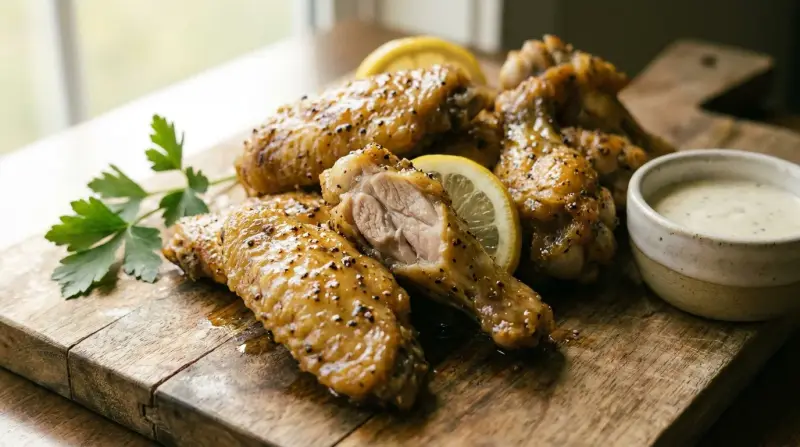
Chicken wings are high in calories primarily because they contain a high proportion of skin, which is rich in fat, and because many popular preparation methods add additional oil, butter, or sugary sauces that further boost the energy content.
The High‑Calorie Makeup of Chicken Wings
Each wing consists of meat, bone, and a thin layer of skin. The skin holds most of the fat, and a typical raw wing can contain 4‑6 g of fat for just a few ounces of protein. When the skin is left on, it contributes roughly 9 calories per gram of fat, which quickly adds up. For example, a medium‑size wing (about 1.5 oz) may provide 100 – 130 calories, with fat accounting for over half of that total. The USDA lists a standard serving of four wings (4.4 oz) at around 300 – 350 calories, but restaurant portions often contain 10‑12 wings, pushing the calorie count well over 800 – 1,200 calories.
Beyond the inherent fat, many wings are cooked by deep‑frying, which saturates the skin with additional oil. The oil not only increases the fat gram count but also adds calories that cling to the surface even after draining. Even baked or grilled wings soak up some of the cooking fat, especially when brushed with butter or oil for crispness. This baseline explains why wings, even without sauce, can feel calorie‑dense compared with lean cuts such as chicken breast.
How Cooking Methods Influence Calorie Count
Choosing the right cooking technique can cut the calorie load dramatically. Deep‑frying immerses the wing in oil at 350°F (175 °C) for 8‑10 minutes, allowing the skin to absorb up to 2 g of oil per wing. Baking at 425°F (220 °C) for 30‑35 minutes with a light coating of spray oil reduces absorbed fat by up to 50 % because the hot dry air evaporates excess oil. Air‑frying uses rapid hot air circulation at 400°F (205 °C) for 20‑25 minutes and typically requires only a tablespoon of oil for a dozen wings, keeping the added calories under 100.
For those who want a crispy exterior without the oil bath, the Best Cooking Method for Chicken Wings: Oven‑Baked for Ultimate Crisp article details how to achieve "fried" texture with a simple wire rack and a spray of olive oil. Baking on a rack allows fat to drip away, further lowering the final calorie count. Grilling over medium‑high heat (around 400°F/205 °C) for 12‑15 minutes per side renders fat out of the skin while adding a smoky flavor, keeping calories comparable to oven‑baked wings.
Sauces, Glazes, and Toppings That Add Calories
Even if you bake or grill your wings, sauces quickly inflate the calorie tally. Classic Buffalo sauce often combines hot sauce with melted butter; a typical 2‑tablespoon serving can add 80‑120 calories, primarily from butter’s saturated fat. Sugar‑based glazes—such as honey garlic or BBQ—can contribute 30‑50 calories per tablespoon due to added sugars. Creamy dips like blue cheese or ranch dressings can add 150‑250 calories per ounce because of high‑fat dairy components.
To keep calories in check, consider dry rubs with herbs, spices, or citrus zest. A lemon‑pepper dry rub adds flavor without extra fat, which is why the Lemon Pepper Chicken Wings: Zesty American Appetiser recipe relies on a butter glaze that can be reduced or swapped for a light olive‑oil spray. If you crave richness, mix low‑fat Greek yogurt with mustard and herbs for a dip that delivers creaminess at roughly half the calorie cost of traditional ranch.
Portion Sizing and Realistic Serving Ideas
Understanding serving size helps keep wing consumption within daily calorie goals. A standard protein serving (4 oz) equals about 2‑3 medium wings, delivering roughly 100‑130 calories. For a 2,000‑calorie diet, two servings (6‑8 wings) amount to 600‑800 calories, already consuming 30‑40 % of your daily intake if paired with high‑calorie sauces.
To stay within a balanced diet, pair wings with low‑calorie sides such as raw celery sticks, carrot ribbons, or a mixed green salad. This adds volume and fiber without many extra calories. A research‑based approach recommends limiting fried wings to once a week and focusing on baked or grilled versions when possible.
The Are Chicken Wings Healthy? Nutrition Facts and Smart Cooking Tips article explains that wings can fit into a nutritious plan when you track fat sources, control portion size, and choose lean cooking methods.
Troubleshooting High‑Calorie Wing Pitfalls
What goes wrong
Common mistakes that raise calorie counts include deep‑frying without draining excess oil, using heavy butter‑based sauces, and serving wing portions that exceed the standard 4‑wing serving. Adding sugary glazes or thick coating batters also traps more fat against the skin.
What it looks like when it does
Visually, over‑fatty wings appear shiny, greasy, and may have a soggy texture rather than a crisp bite. The skin may look darkened from oil absorption, and sauces may pool at the bottom of the plate, indicating excess liquid calories.
What to do about it
Start by switching to baking, grilling, or air‑frying and limit added oil to a light spray. Use a digital kitchen scale to measure 4‑oz portions (about three medium wings) before cooking. Choose dry rubs or low‑fat yogurt‑based sauces and apply them after cooking so the wings stay crisp without soaking up extra fat. If you love a buttery glaze, try using half the amount of butter mixed with a splash of low‑sodium chicken broth for moisture.
Frequently asked questions
Do all chicken wing parts have the same calorie count?
No. Drumettes, flat wings, and wing tips vary in meat‑to‑skin ratio. Drumettes usually have more meat and slightly fewer calories per ounce than flats, which carry more skin.
How many calories are in a typical restaurant order?
A standard restaurant order of 10‑12 medium wings, deep‑fried and tossed in Buffalo sauce, can range from 800 to 1,200 calories depending on sauce amount and added butter.
Can I freeze cooked chicken wings?
Yes. Store wings in airtight containers at 0°F (‑18 °C) for up to three months. Reheat in an oven at 350°F (175 °C) to restore crispness without adding extra fat.
Are bone‑in wings more caloric than boneless?
Boneless wings are often breaded and fried, which adds calories from the coating. Bone‑in wings, when baked or grilled, usually have fewer added carbs and may be slightly lower in total calories.
Is it safe to eat chicken wings at room temperature?
No. Cooked chicken should not sit out longer than two hours (one hour above 90°F/32 °C). Bacteria can multiply quickly, increasing food‑borne illness risk.
A printable recipe card for "Lemon Pepper Chicken Wings: Zesty American Appetiser" is just below the article, ready to download or print.
Printable recipe card: Lemon Pepper Chicken Wings: Zesty American Appetiser
Save it, print it, or keep it on your phone while you cook.
Loading the recipe card…

About the author
Mary C. Rivero
Mary C. Rivero specializes in comforting home‑cooked meals, from hearty pastas and sheet‑pan dinners to quick weeknight snacks. Her recipes feature clear, step‑by‑step directions and practical tips, helping readers create flavorful dishes with confidence and ease.