Chicken Alfredo Ziti: Baked Italian Pasta Bake
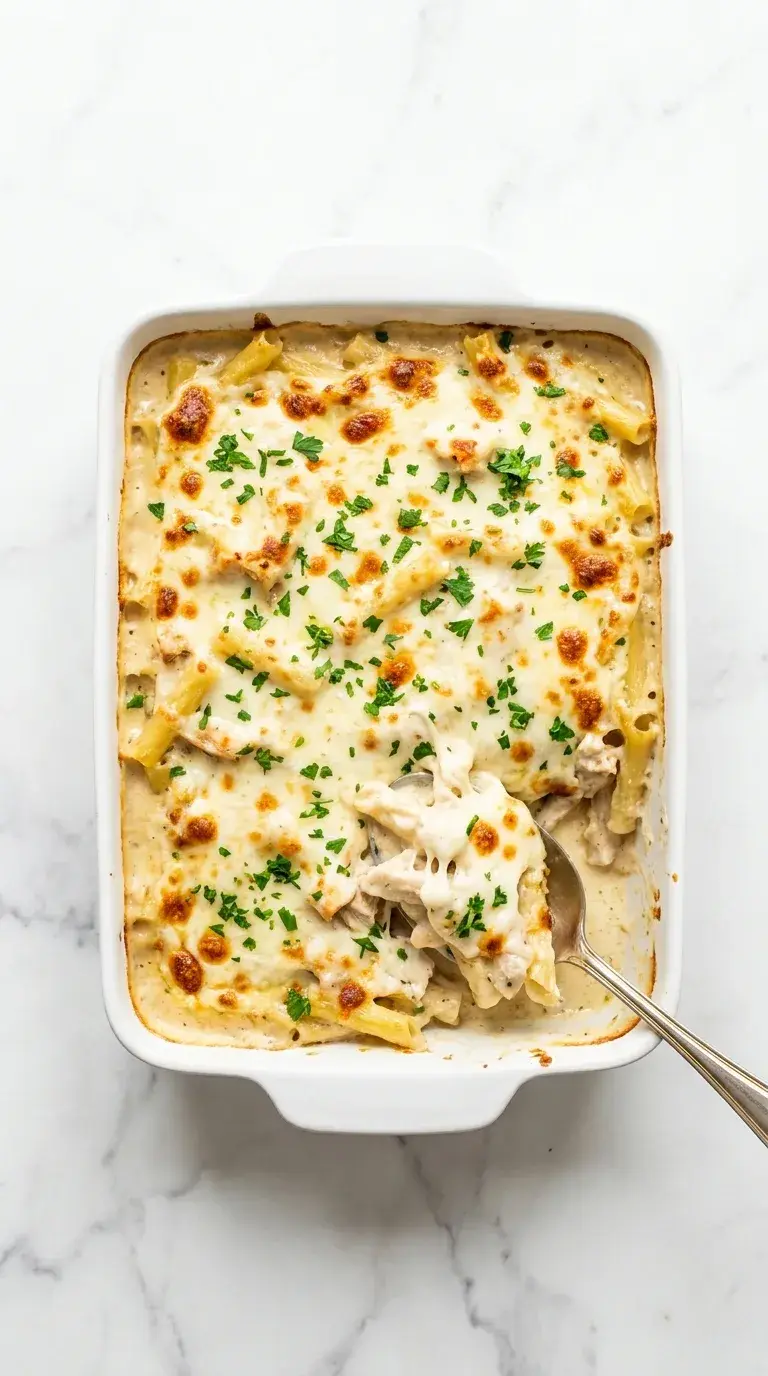
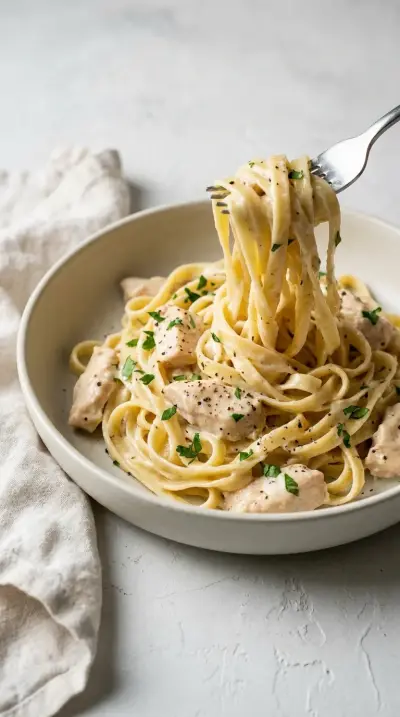
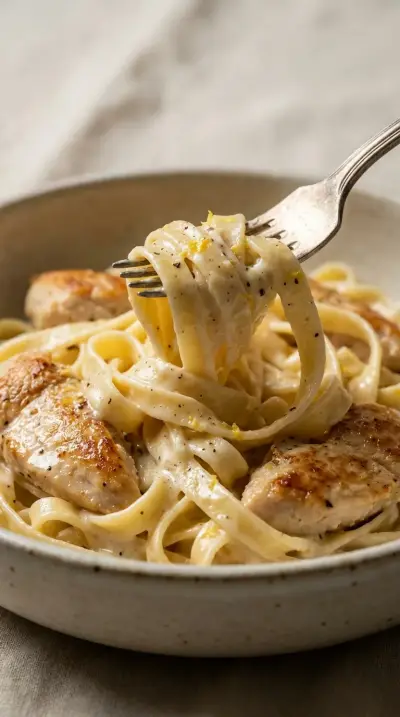
This chicken alfredo ziti combines shredded chicken and pasta in a rich butter and cream sauce. You must whisk the cream steadily into the roux to prevent the sauce from separating or becoming grainy. Grate the Parmesan yourself to ensure a smoother melt and deeper flavour. Cook the ziti for one minute less than the package instructions so the pasta stays firm after baking at 190°C (375°F) for 40 minutes.
Chicken Alfredo Ziti: Baked Italian Pasta Bake
Recipe cardIngredients
Watch how it's made
Instructions
-
Prepare the pasta
Preheat your oven to 190°C (375°F). Boil a large pot of salted water and cook the ziti for 1 minute less than the package suggests, roughly 7–8 minutes. You want the pasta undercooked so it remains firm after baking.
-
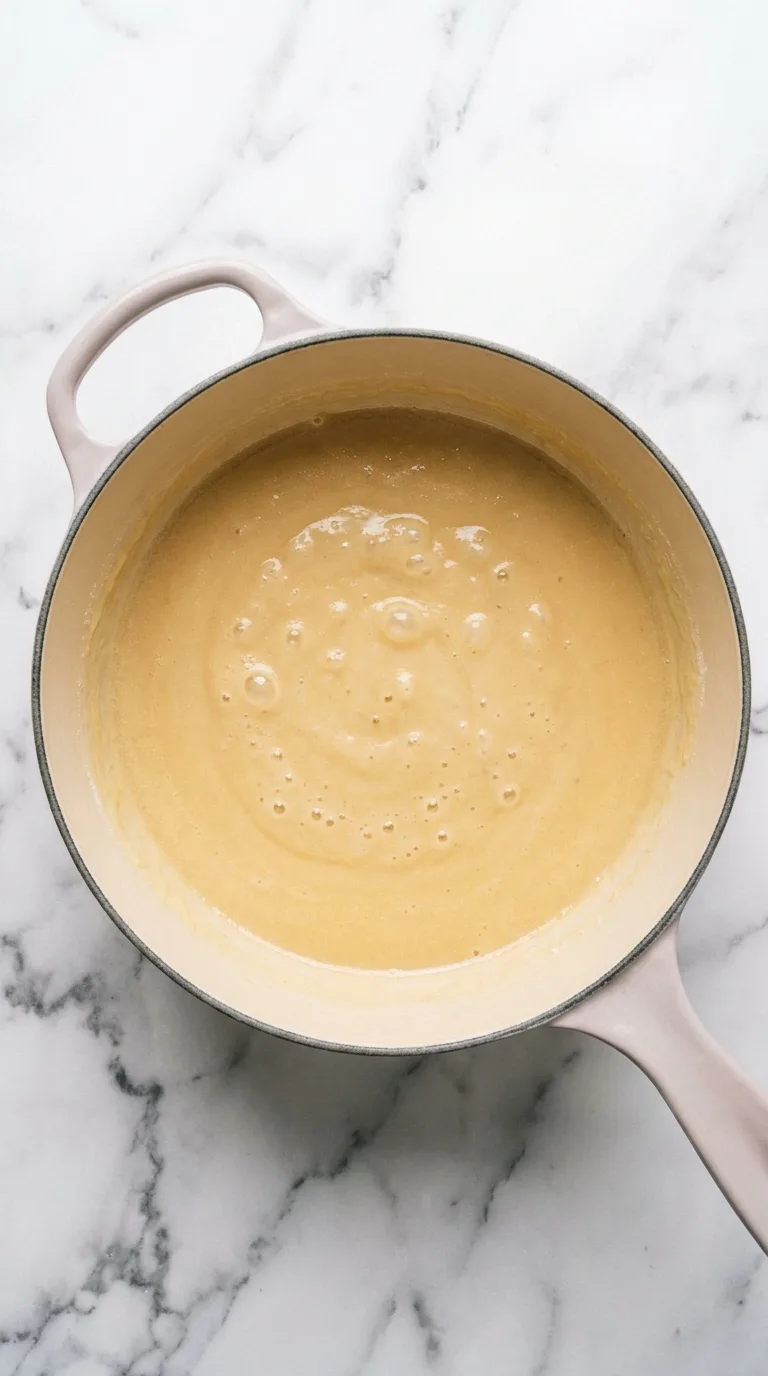
Make the roux
Melt the butter in a saucepan over medium heat. Whisk in the flour constantly for 1–2 minutes until the mixture is lightly golden. This creates a thickening base that prevents the sauce from separating.
-
Build the sauce
Gradually pour in the heavy cream while whisking steadily to avoid lumps. Add the minced garlic and simmer for 2 minutes. This allows the garlic to become fragrant without burning.
-
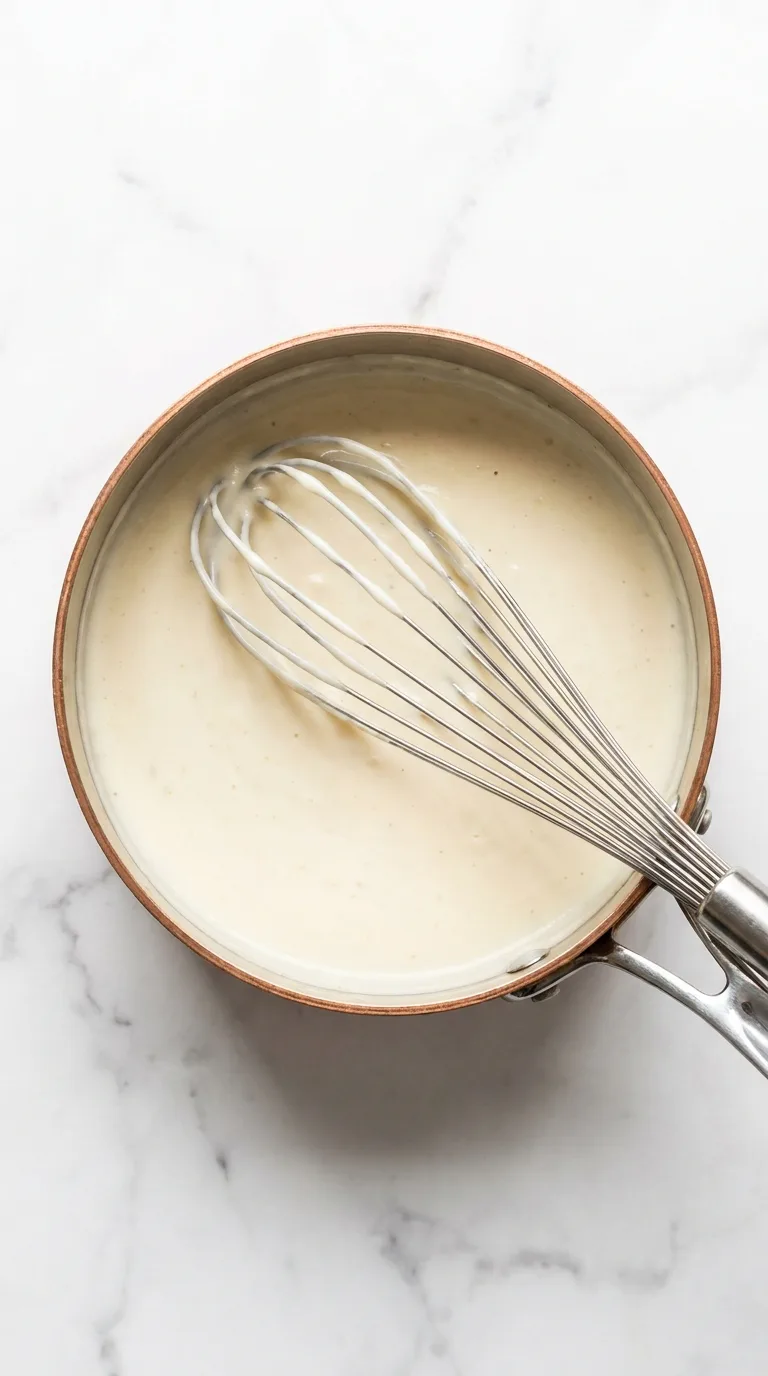
Finish the Alfredo
Reduce the heat and stir in the grated Parmesan until completely melted. Season with sea salt and black pepper. Remove the pan from the heat once the sauce is silky to avoid overcooking the cheese.
-
Combine the ingredients
Toss the drained ziti, shredded chicken, and Alfredo sauce together in a large mixing bowl. Ensure every piece of pasta is evenly coated. Transfer the mixture into a greased 23 x 33 cm baking dish.
-
Bake the ziti
Sprinkle the shredded mozzarella and optional dried oregano over the top. Bake for 40 minutes until the cheese is bubbly and lightly golden. Let the casserole rest for 5 minutes before garnishing with fresh parsley.
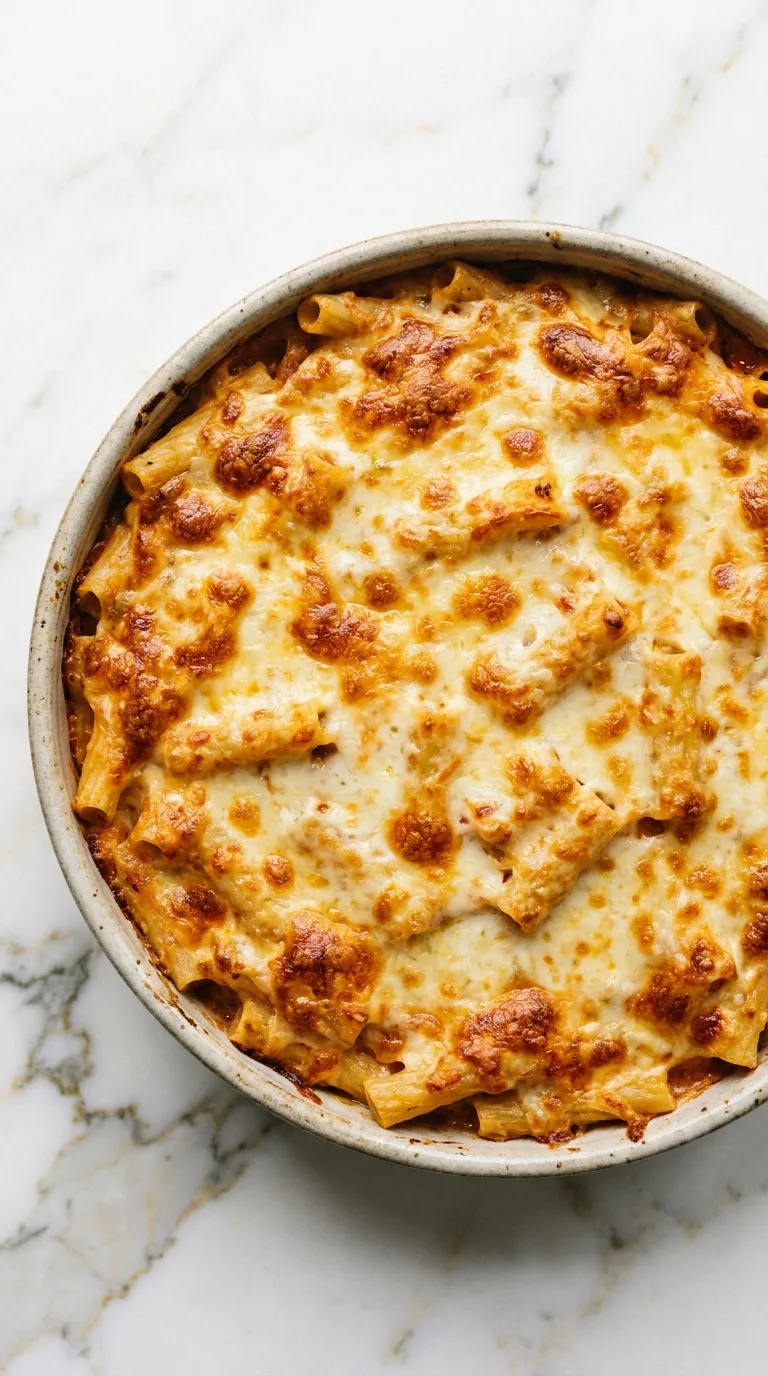
Whisk the cream into the roux constantly to ensure a smooth texture. If you stop whisking, the sauce may become grainy or separate. Using freshly grated Parmesan rather than pre-grated varieties also ensures a richer flavour and a more consistent melt.
What to serve with it
Pair this dish with a Caesar salad and homemade dressing for a classic Italian meal. You may also serve crusty rusk or garlic focaccia to soak up the remaining sauce. For a bright finish, drizzle extra-virgin olive oil and a sprinkle of fresh oregano over the bake before serving.
Getting the texture right
Use freshly grated Parmesan to ensure a smoother melt and a richer flavour than pre-grated options. You must whisk the cream into the roux constantly to prevent the sauce from separating or becoming grainy. Cook the ziti for one minute less than the package states to avoid mushy pasta.
Choosing the cut
Use chicken breast for a lean protein that holds its shape when shredded or diced. If you prefer a nuttier flavour and more fibre, swap the regular ziti for whole-wheat pasta. You can also stir in steamed broccoli or spinach at Step 6 for additional nutrients.
Storing and reheating
Transfer any remaining portions to an airtight container and keep them refrigerated. When reheating, add a small splash of milk or water to the pasta before warming it in the oven or microwave. This restores the creamy consistency of the Parmesan butter sauce after it has cooled.
Nutrition per serving
- Calories
- 740
- Protein
- 42.5 g
- Carbs
- 48.2 g
- Fat
- 44.1 g
- Fiber
- 3.1 g
- Sugar
- 6.4 g
Estimated, and offered as a guide rather than a medical figure.
Made it? Rate it.
Questions people ask
Can I make chicken alfredo with ziti noodles?
Yes. Ziti is an excellent choice because the hollow tubes capture the thick cream sauce inside, ensuring every bite is saturated with flavour.
Is ziti good with Alfredo sauce?
Yes. The sturdy texture of ziti holds up well during the baking process, preventing the pasta from breaking down into the sauce.
How do I make a chicken alfredo recipe taste richer and more flavourful?
Grate your own Parmesan cheese. Pre-grated cheeses contain anti-clumping agents that block a smooth melt and diminish the natural sharpness of the cheese.

About the author
Mary C. Rivero
Mary C. Rivero specializes in comforting home‑cooked meals, from hearty pastas and sheet‑pan dinners to quick weeknight snacks. Her recipes feature clear, step‑by‑step directions and practical tips, helping readers create flavorful dishes with confidence and ease.