Chicken Pasta Primavera: Italian Vegetable Pasta
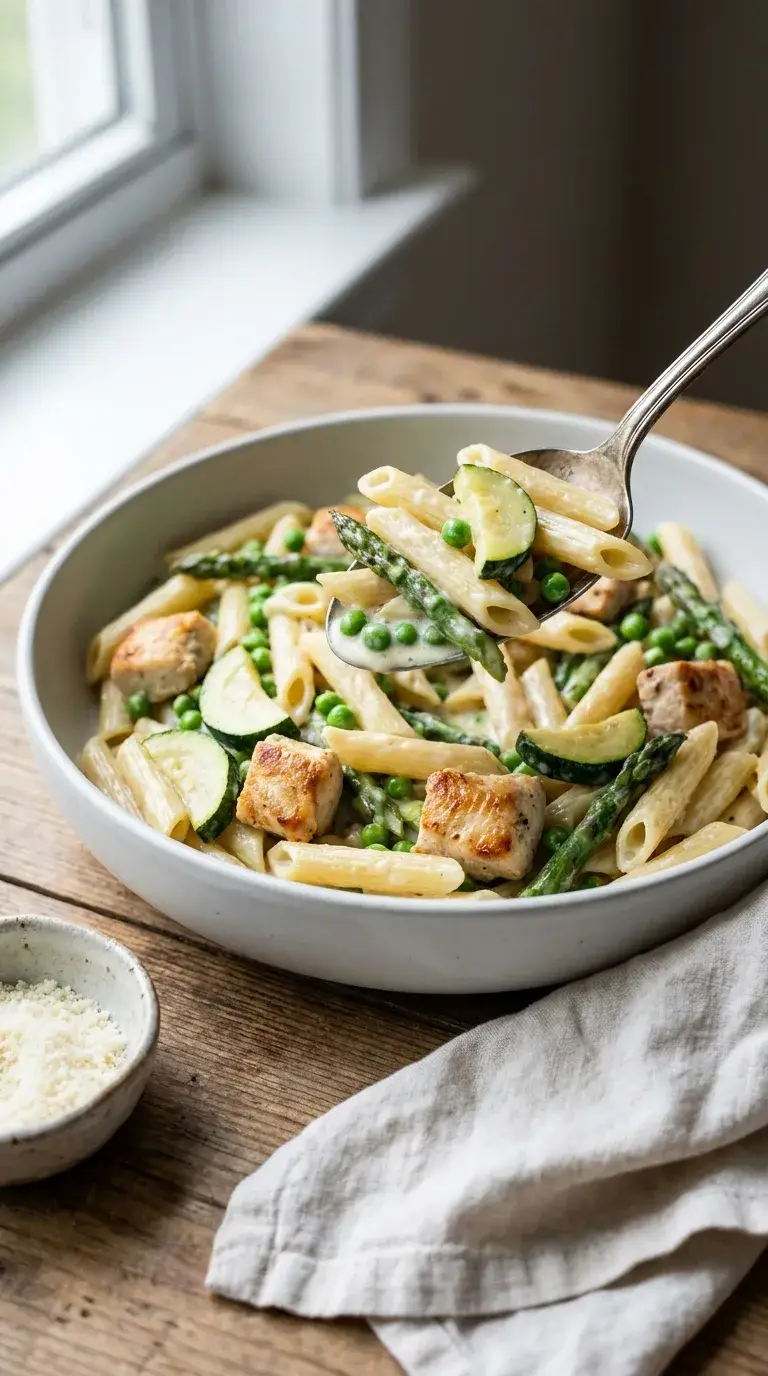
This chicken pasta primavera combines 450g (1 lb) of cubed chicken breast with a medley of fresh vegetables in a creamy garlic olive oil sauce. To ensure the dish succeeds, you must avoid overcooking the chicken during the initial sear. This preserves the juices before the meat finishes in the sauce. Sauté your zucchini, asparagus, and peas until they are tender but remain bright green to keep the textures crisp and the colours vibrant.
Chicken Pasta Primavera: Italian Vegetable Pasta
Recipe cardIngredients
Watch how it's made
Instructions
-
Cook the pasta
Boil a large pot of salted water. Cook the penne according to package instructions until al dente so the pasta retains a firm bite. Drain the pasta and reserve 1/2 cup of the water to adjust the sauce consistency later.
-
Sear the chicken
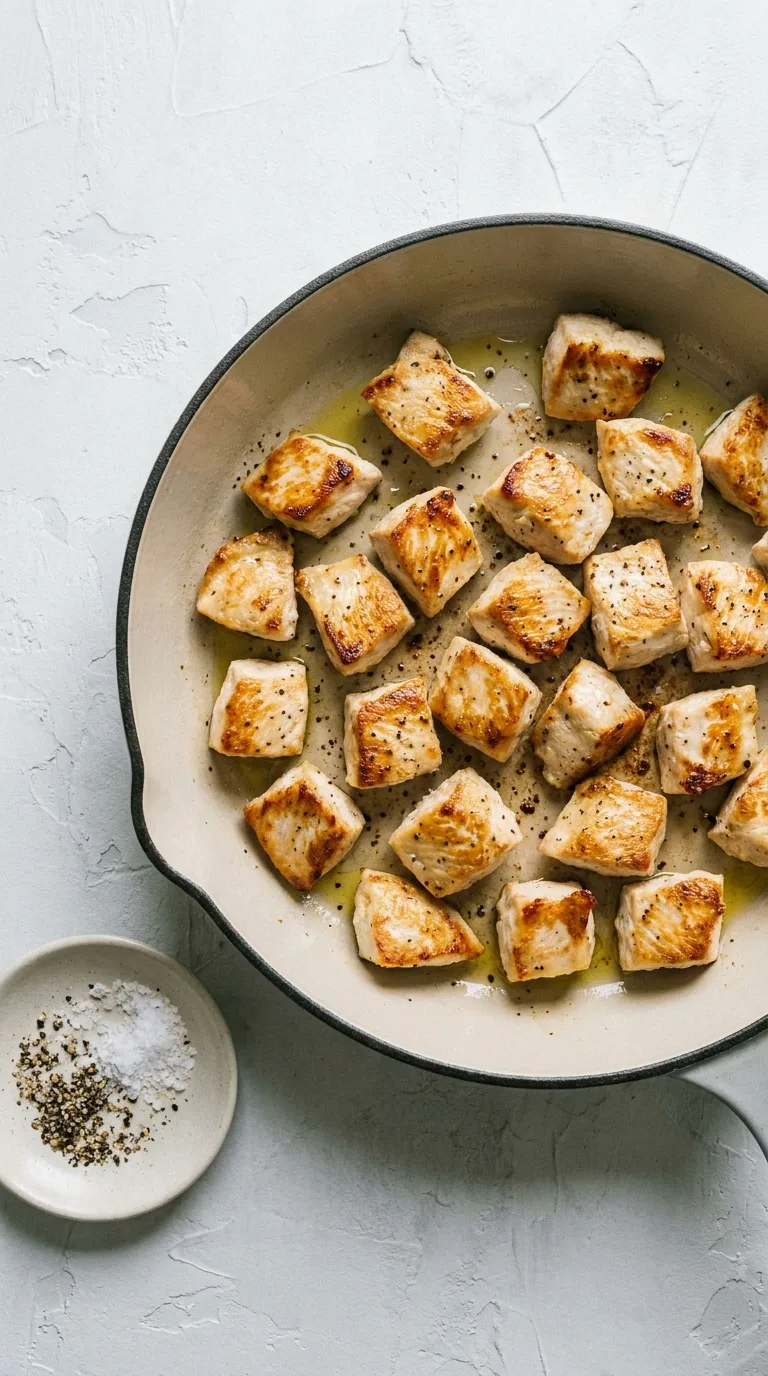
Heat 1 tablespoon of olive oil in a large skillet over medium-high heat. Season the chicken cubes with salt and pepper. Cook for 5-6 minutes, turning occasionally, until the meat is golden brown and cooked through.
-
Sauté the aromatics
Remove the chicken from the skillet. Add the remaining tablespoon of olive oil, then stir in the sliced onion and minced garlic. Sauté for 2 minutes until the onion softens and the garlic becomes fragrant.
-
Cook the vegetables
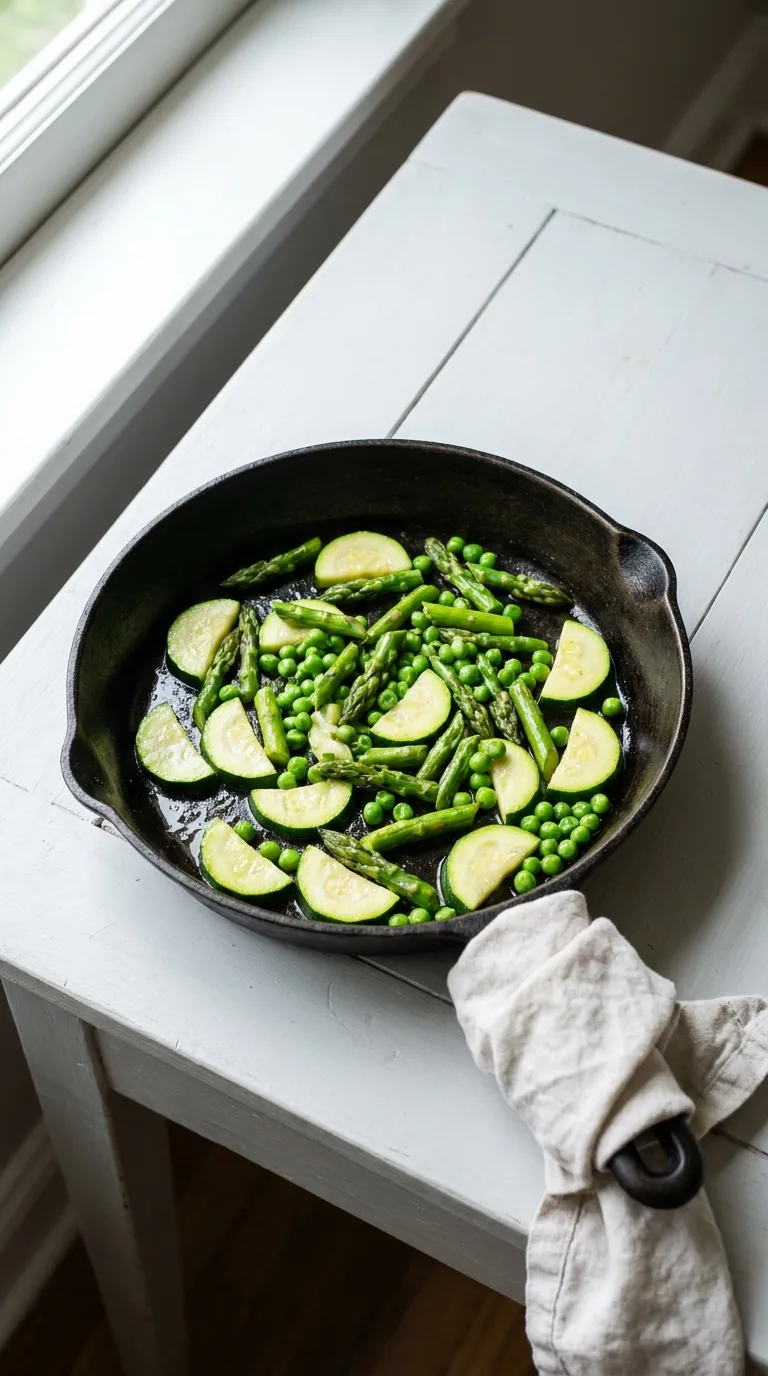
Add the zucchini, asparagus, and peas to the skillet. Stir occasionally for 4-5 minutes. Stop when the vegetables are tender but remain bright green and slightly crisp to preserve their colour and texture.
-
Thicken the sauce
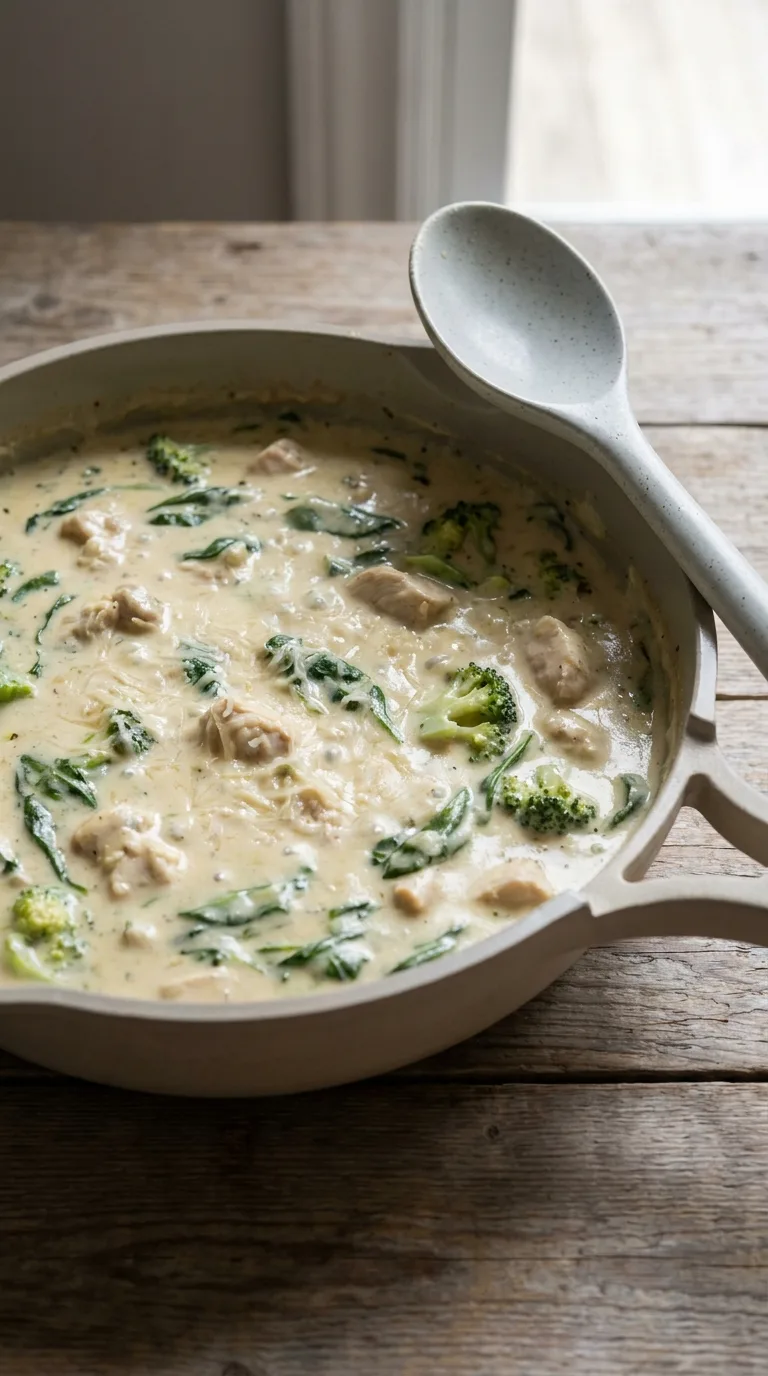
Return the chicken to the skillet. Stir in the heavy cream and Parmesan. Simmer for 2-3 minutes until the sauce thickens slightly to coat the ingredients properly.
-
Combine and finish
Season with smoked paprika, salt, and pepper. Toss in the drained penne and cook for one more minute. The pasta must be evenly coated in the creamy sauce to ensure a balanced flavour in every bite.
-
Rest the dish
Remove the skillet from the heat. Let the meal rest for a minute or two. This allows the residual heat to finish the vegetables and lets the flavours meld together.
Avoid overcooking the chicken during the initial sear. If the meat becomes tough or dry, it is a sign you have cooked it too long. A quick sear is sufficient because the chicken will finish cooking while simmering in the cream sauce.
What to serve with it
Pair this meal with a crusty loaf of bread to soak up the creamy sauce. A simple green salad or garlic bread provides a balanced meal. For a bright finish, drizzle lemon-infused olive oil over the finished plate or top with toasted pine nuts for a crunchy contrast and extra protein.
Storing and reheating
Keep leftovers in the refrigerator. Do not store this dish at room temperature. To reheat, place individual portions in the microwave for 2-3 minutes. Stir the pasta halfway through the process to ensure the sauce is heated evenly throughout. Use frozen portions within 2 months for the best quality.
Getting the texture right
Reserve 120 ml (1/2 cup) of pasta water before draining. Use this starchy liquid to thin the sauce if the cream reduces too much during the simmer. This ensures the sauce coats the penne smoothly. Let the dish rest for two minutes before serving to allow the flavours to meld.
Choosing the cut
Use 450 g (1 lb) of boneless, skinless chicken breast cut into bite-size cubes. Sear the meat quickly over medium-high heat for 5-6 minutes. Avoid overcooking the chicken during the initial brown, as the meat will finish cooking when you return it to the simmering cream sauce later.
Nutrition per serving
- Calories
- 640
- Protein
- 38.5 g
- Carbs
- 42.0 g
- Fat
- 34.2 g
- Fiber
- 5.5 g
- Sugar
- 7.0 g
Estimated, and offered as a guide rather than a medical figure.
Made it? Rate it.
Questions people ask
What is pasta primavera with chicken?
It is a light Italian dish featuring penne pasta and chicken tossed with spring vegetables. A creamy garlic olive oil sauce binds the ingredients together, highlighting the natural colours and flavours of zucchini, asparagus, and peas.
What is pasta primavera sauce made of?
The sauce consists of extra-virgin olive oil, minced garlic, heavy cream, and grated Parmesan cheese. These ingredients simmer together to create a rich, savoury coating that clings to the pasta and vegetables.
What kind of dressing is best for pasta primavera?
A creamy garlic and Parmesan base is traditional for this version. For a lighter alternative, use a mixture of half-fat milk and Greek yoghurt to maintain the creamy texture without the heavy calories of double cream.