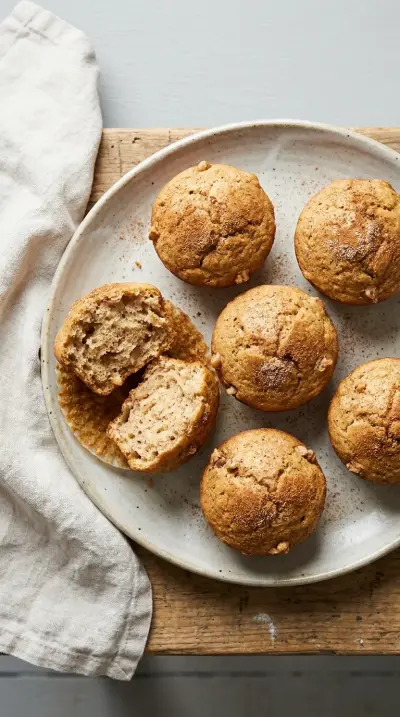
Protein Muffins with Greek Yogurt: High-Protein Breakfast Cakes
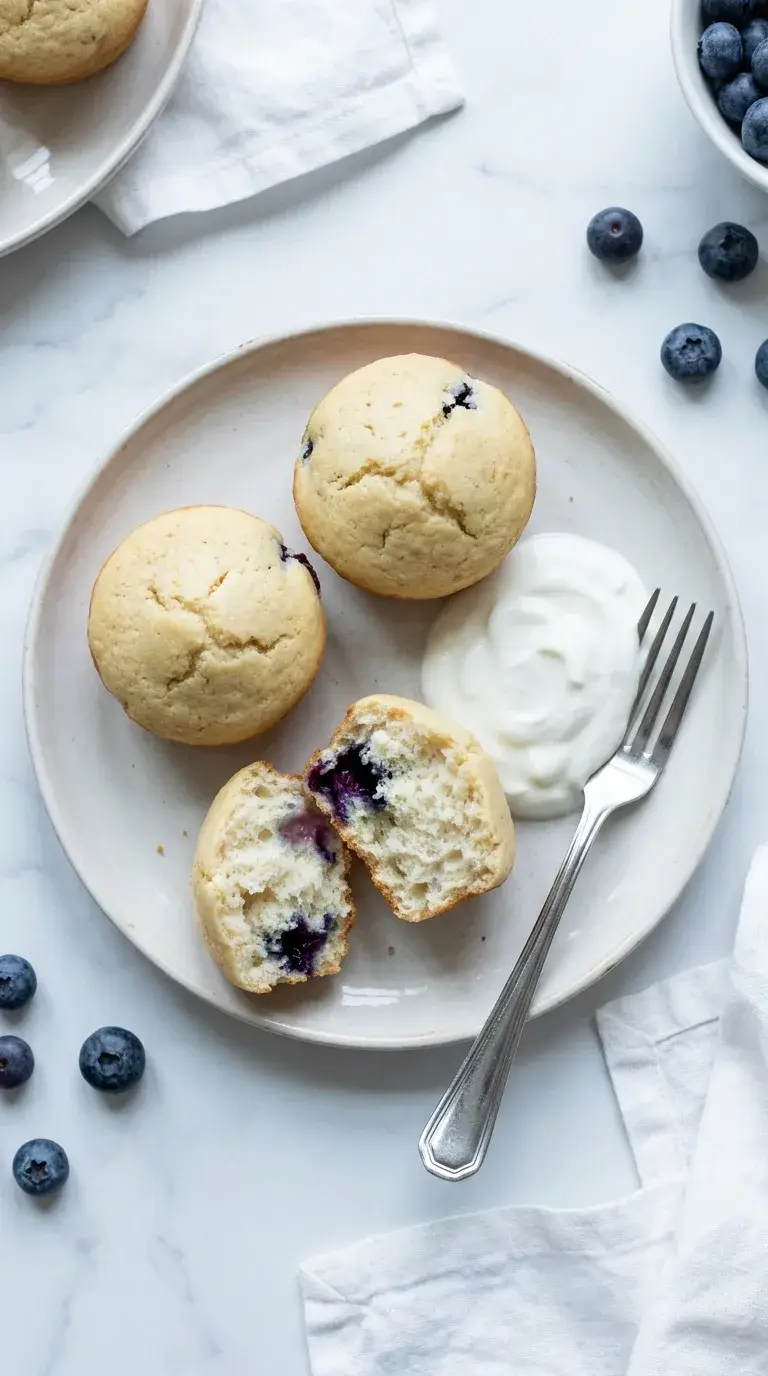
These protein muffins with Greek yogurt provide a fluffy texture and a moist crumb. To ensure a smooth batter, let your yogurt sit at room temperature for 10 minutes if it is very thick. Whisk your eggs until light and foamy to build structure. Stir the wet and dry ingredients gently with a spatula until just combined. Do not overmix the batter or the cakes will become dense. Bake at 180°C (350°F) until the centre is clean.
Protein Muffins with Greek Yogurt: High-Protein Breakfast Cakes
Recipe cardIngredients
Watch how it's made
Instructions
-
Heat the oven
Preheat your oven to 180°C (350°F). Line a 12-cavity muffin tin with paper or silicone liners so the cakes do not stick to the pan.
-
Whisk the eggs
Whisk the eggs in a medium bowl. Continue until they are light and foamy to incorporate air for a better lift.
-
Combine dry ingredients
Mix the flour, baking powder, baking soda, sugar, optional protein powder and salt in a separate bowl. Ensure the leavening agents are evenly distributed to avoid uneven rising.
-
Mix the wet base
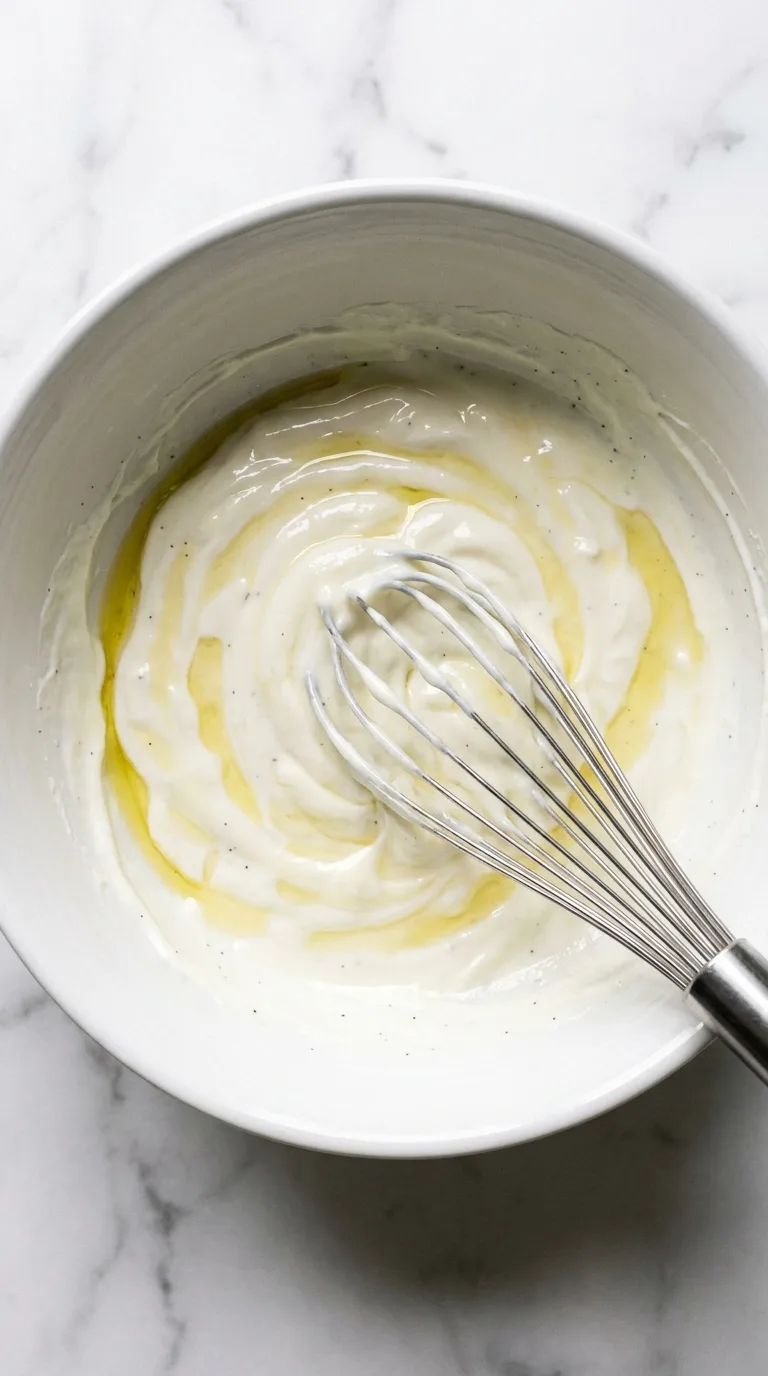
Whisk the Greek yogurt, oil and vanilla extract in a third bowl. Stir until the mixture is smooth and free of clumps.
-
Fold the batter
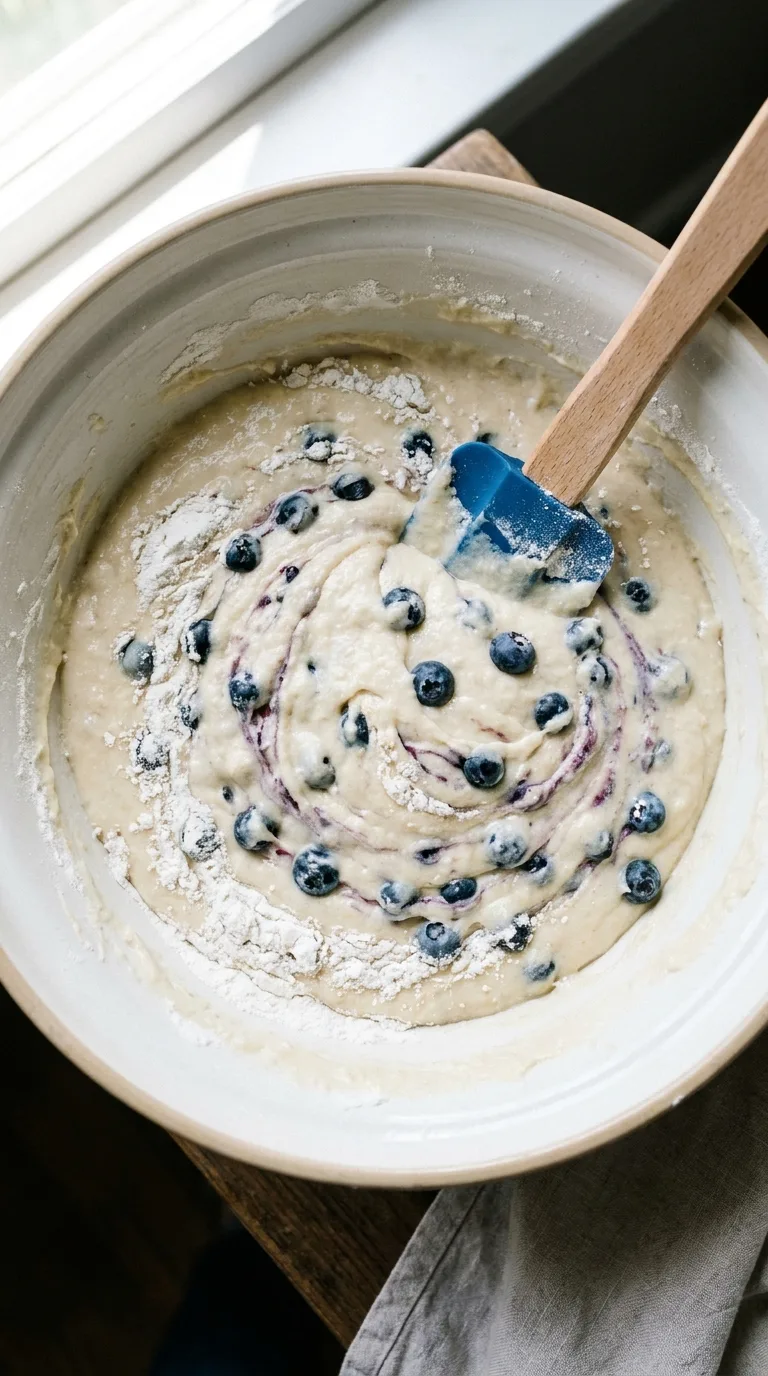
Pour the wet mixture into the dry ingredients. Stir gently with a spatula until just combined and fold in blueberries if using. Do not overmix or the muffins will become tough.
-
Fill the tin
Divide the batter evenly among the 12 muffin cups. Fill each cup about two-thirds full to allow space for the muffins to rise without overflowing.
-
Bake the muffins
Bake for 18–20 minutes until the tops are golden. Insert a toothpick into the centre to ensure it comes out clean and press the tops gently to check that they spring back.
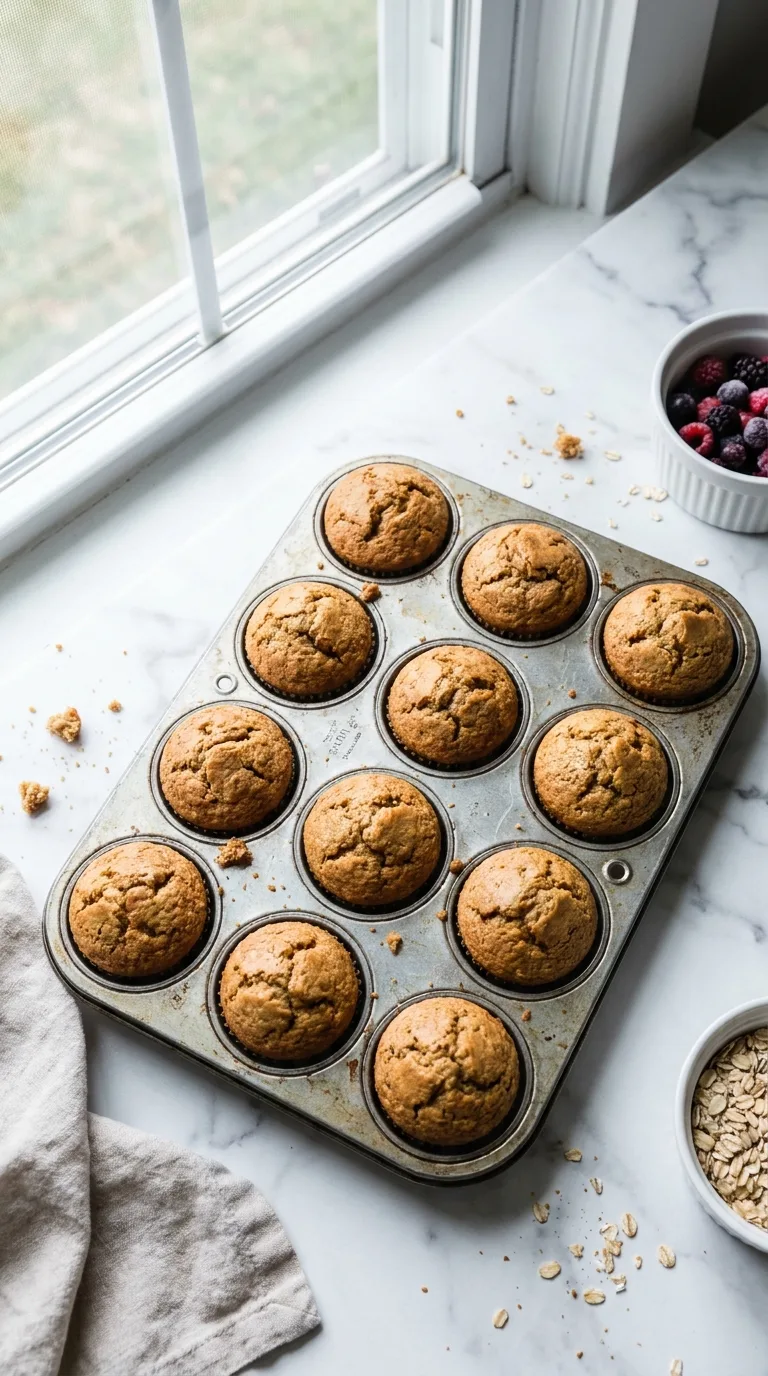
Watch for clumps of cold Greek yogurt in your batter. If the yogurt is too thick, it will not emulsify, leaving white streaks in the dough. Let the yogurt sit at room temperature for 10 minutes before mixing to ensure a smooth, consistent texture.
What to serve with it
Serve these muffins warm with natural peanut butter and sliced banana for a breakfast power-up. You can also top them with honey and chopped pecans for a snack. Pair the muffins with hot black coffee or a plant-based latte to complete the meal.
Getting the texture right
Stir the wet and dry ingredients gently with a spatula until just combined. Do not overmix the batter or the muffins will become tough. If the Greek yogurt is thick, leave it at room temperature for 10 minutes to ensure the batter remains smooth.
Storing and reheating
Keep baked muffins covered at room temperature for up to 2 days. You can freeze them in a resealable bag for 3 months. To reheat, thaw on the counter for 20 minutes then place in a 180°C (350°F) oven for 5 minutes.
Making it ahead
Prepare the muffins in advance and freeze them to save time during the week. Use the freezer method to maintain moisture and freshness. This allows you to have a protein-rich breakfast ready quickly by reheating them shortly before you intend to eat.
Nutrition per serving
- Calories
- 250
- Protein
- 12.0 g
- Carbs
- 22.5 g
- Fat
- 11.2 g
- Fiber
- 1.1 g
- Sugar
- 14.8 g
Estimated, and offered as a guide rather than a medical figure.
Made it? Rate it.
Questions people ask
Does adding Greek yogurt to muffins increase protein?
Yes. Greek yogurt contains more protein than standard yogurt or milk, which raises the overall protein content of the batter. It also provides a tangy flavour and a moist crumb.
What does adding Greek yogurt to muffins do?
It adds moisture and acidity to the batter. This acidity reacts with the baking soda to create a better rise and a tender, fluffy texture in the final muffin.
Can you make 3 ingredient protein muffins?
No. To achieve the specific fluffy texture and rise of this recipe, you need the combination of flour, leavening agents, fats, and proteins provided by the full ingredient list.

About the author
Mary C. Rivero
Mary C. Rivero specializes in comforting home‑cooked meals, from hearty pastas and sheet‑pan dinners to quick weeknight snacks. Her recipes feature clear, step‑by‑step directions and practical tips, helping readers create flavorful dishes with confidence and ease.