Can You Boil Chicken Breast? A Complete Guide to Tender, Safe Results
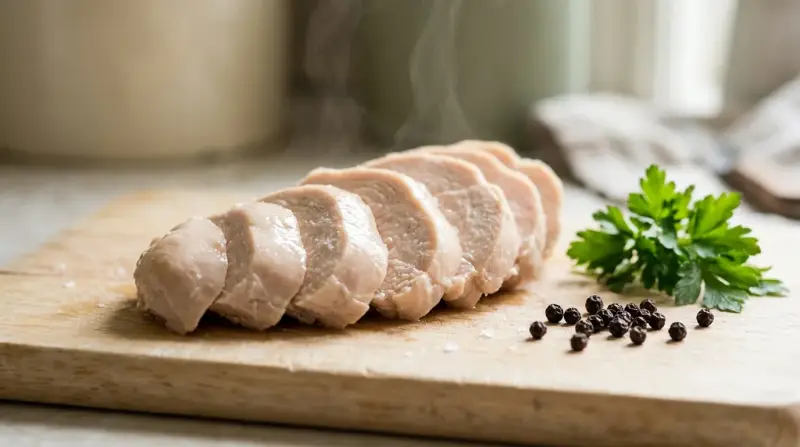
Yes, you can boil chicken breast, but the key is to use a gentle simmer, monitor the internal temperature, and limit the cooking time to keep the meat juicy and safe for consumption.
What boiling actually does to chicken breast
Many cooks assume that submerging chicken in boiling water automatically keeps it moist, yet the truth is more nuanced. Rapid boiling forces the proteins to contract quickly, squeezing out moisture and creating a dry, rubbery texture. A gentle simmer, by contrast, heats the meat slowly, allowing the fibres to relax and retain juices. This principle is why professional chefs prefer poaching over a hard boil for tender poultry.
Step‑by‑step method for perfectly boiled chicken breast
- Place the chicken in a large pot in a single layer. Using cold water or low‑sodium chicken stock, cover the pieces by about 2.5 cm (1 inch). Starting cold ensures even heat distribution.
- Add flavour enhancers: 2 g (½ tsp) salt, a crushed garlic clove, a few peppercorns, and a bay leaf. These infuse the meat without overwhelming it.
- Heat over medium‑high until the liquid reaches a rapid boil. Once boiling, immediately reduce the heat to low so the surface shows only a few gentle bubbles – a true simmer.
- Cover the pot and let the chicken cook for 12–15 minutes for boneless breasts, or 18–22 minutes for bone‑in pieces. Check the thickest part with a digital thermometer; it must reach 74 °C (165 °F).
- When the target temperature is achieved, turn off the heat and let the chicken rest in the liquid for 5 minutes. This allows the juices to redistribute.
- Remove the breasts, pat dry, and slice or shred while still warm.
For a quick reference, the following table summarises the essential timings:
| Chicken type | Simmer time | Internal temp. |
|---|---|---|
| Boneless, skinless breast | 12–15 min | 74 °C (165 °F) |
| Bone‑in breast | 18–22 min | 74 °C (165 °F) |
Tips for flavourful and moist results
Even though boiling is a neutral cooking method, a few tricks can dramatically improve taste and texture.
- Start with cold liquid. This prevents the outer layer from overcooking before the centre reaches safe temperature.
- Use broth instead of water. The extra protein and salt in stock enhance the meat’s natural flavour without added fat.
- Skim the foam. As the water reaches a boil, a grey scum of denatured protein rises. Removing it with a spoon keeps the broth clear and reduces any bitter notes.
- Avoid a rolling boil. Keep the heat low enough that only tiny bubbles break the surface. This gentle heat protects the muscle fibres from tightening too much.
- Rest before slicing. A brief 5‑minute rest lets the juices settle, stopping them from spilling onto the cutting board.
If you need more inspiration for a quick, high‑protein meal, see the recipe Broiled Chicken Breast: Lean American Poultry, which pairs well with boiled chicken for contrasting textures.
How to store boiled chicken safely
Proper storage is essential to keep boiled chicken safe for later use. Cool the meat quickly by placing the pot in an ice‑water bath for a few minutes, then transfer the breasts to a shallow container. Refrigerate at 4 °C (40 °F) or below and use within 3 days. For longer storage, freeze the cooked meat in airtight bags; it will keep for up to 3 months. When reheating, ensure the internal temperature again reaches 74 °C (165 °F). For broth leftovers, the guide Yes, You Can Freeze Homemade Chicken Broth Safely and Easily explains the best practices.
If you ever wonder whether you can start from frozen, the article Can You Cook Chicken Breast from Frozen? Safe Methods and Tips details the extra time needed and why a gentle simmer remains the safest choice.
A printable recipe card for "Broiled Chicken Breast: Lean American Poultry" is just below the article, ready to download or print.
Frequently asked questions
Can I boil chicken breast with skin on?
Yes, you can, but the skin will soften rather than crisp. If you prefer a crispy texture, finish the boiled breast under a hot grill for a few minutes after it has rested.
Is it better to use a pressure cooker for boiled chicken?
A pressure cooker reduces cooking time dramatically, but the high pressure can over‑compress the fibres, leading to a denser texture. For shreddable, tender chicken, the gentle simmer method remains the most reliable.
How long can boiled chicken be kept in the fridge?
Stored in an airtight container at 4 °C (40 °F) or lower, boiled chicken stays safe for up to three days. Beyond that, the risk of bacterial growth rises, so freeze it instead.
Can I add vegetables to the boiling water?
Absolutely. Adding carrots, celery, onion, and herbs not only flavours the chicken but also creates a light stock that can be used as a base for soups or sauces.
Printable recipe card: Broiled Chicken Breast: Lean American Poultry
Save it, print it, or keep it on your phone while you cook.
Loading the recipe card…

About the author
Mary C. Rivero
Mary C. Rivero specializes in comforting home‑cooked meals, from hearty pastas and sheet‑pan dinners to quick weeknight snacks. Her recipes feature clear, step‑by‑step directions and practical tips, helping readers create flavorful dishes with confidence and ease.