Why Is Chicken Breast Stringy? Causes and Solutions
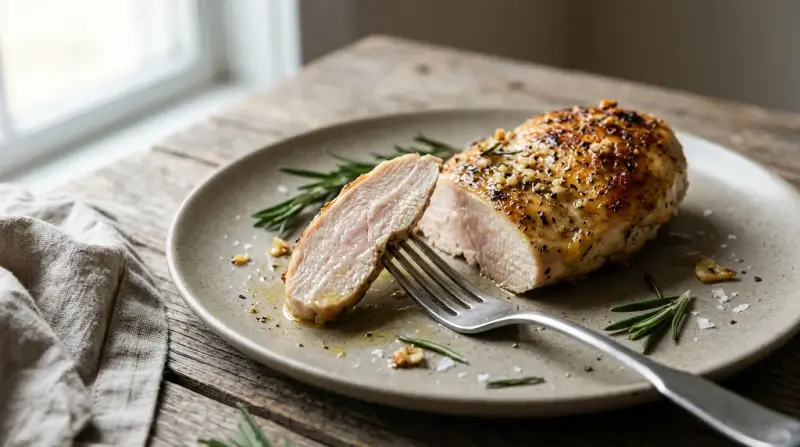
Chicken breast becomes stringy when the muscle fibres separate and lose moisture, a result of rapid growth, weakened connective tissue, or cooking at too high a temperature that forces the fibres to pull apart during broiling or pan‑searing, especially if the meat is not rested before slicing.
What Is Stringy Chicken Breast?
Stringy chicken breast describes a texture where the cooked meat feels like thin, separate strands rather than a cohesive, tender bite. The phenomenon is often visible as small, hair‑like threads running through the surface, and it can make the eating experience feel dry and rubbery. The issue originates in the muscle structure before cooking, meaning that even a perfectly seasoned piece can appear stringy if the underlying fibres have been altered.
Two scientific terms explain the problem: “myopathy” and the more popular nickname “spaghetti meat”. Myopathy refers to a muscle defect where the connective tissue that binds muscle fibres together weakens. When this tissue can no longer hold the fibres, they slide apart, creating the noodle‑like appearance that consumers recognise as stringiness. The defect is most common in the pectoralis major of commercial broilers.
Visually, raw stringy breasts may feel slightly softer to the touch and display visible fibre bundles that separate easily when handled. After cooking, the fibres become more pronounced, pulling away from one another like strands of pasta.
Why Modern Production Leads to Stringy Meat
Industrial poultry breeding prioritises rapid weight gain. Birds are selected to reach market weight in as little as six weeks, which forces muscle fibres to enlarge faster than the connective tissue can develop. The resulting imbalance weakens the collagen network, a condition documented as “spaghetti meat”. Studies estimate that up to 35 % of commercially processed chicken breasts exhibit some degree of this defect.
Feed formulations rich in protein and growth‑promoting additives accelerate muscle growth, but they also increase the proportion of fast‑twisting fibres that are more prone to separation when heated. High‑energy diets, combined with low‑temperature water baths used in processing, create a moist environment that softens collagen, further reducing its ability to hold fibres together.
Mechanical handling during chilling and packaging can also shear the already fragile fibres, especially when birds are processed on high‑speed conveyor lines. While the defect does not pose a food‑safety risk, it reduces perceived quality and can slightly affect nutritional value because the loosened fibres lose moisture‑bound proteins during cooking.
Cooking Techniques That Create Stringiness
Even a perfectly healthy breast can become stringy if the cooking method is too aggressive. High, direct heat causes muscle fibres to contract rapidly, expelling water and pulling the fibres apart. This is why broiling at 200 °C (400 °F) for a short time can sometimes produce a dry, stringy surface if the interior does not reach the safe internal temperature of 74 °C (165 °F) uniformly.
- Searing at very high temperature – The outer layer denatures quickly, forming a tight protein crust while the interior remains moist. The contrast forces the outer fibres to tighten and separate, creating a stringy mouthfeel.
- Over‑cooking – Prolonged exposure above 74 °C (165 °F) dries the meat and denatures collagen, turning it into tough, rubbery strands.
- Uneven cooking – When a thick breast is cooked on high heat, the edges may overcook while the centre stays underdone, leading to a mixture of stringy and rubbery textures.
Resting the chicken for at least five minutes after cooking allows the fibres to re‑absorb some juices, reducing the chance of stringiness. Cutting the meat immediately forces the juices to run out, leaving the fibres tighter and more noticeable.
Low‑and‑slow methods, such as baking at 180 °C (350 °F) and finishing with a brief high‑heat sear, keep the temperature rise gradual, preserving moisture within the fibres. For a deeper dive into moisture‑preserving cooking, see the article Why Is Chicken Breast So Dry? Science and Simple Fixes.
How to Prevent Stringiness at Home
Choosing the right chicken and applying moisture‑retaining techniques can greatly diminish the risk of a stringy texture.
- Select fresh, high‑quality breasts. Look for meat that is firm, pink, and free of visible strings before cooking. If you notice any pre‑existing strands, consider using the piece in a shredded‑style recipe where the texture is less noticeable.
- Brine or marinate. Soaking the breast in a solution of 30 g salt per litre of water for 30 minutes, or marinating with a small amount of acid such as lemon juice, helps the fibres retain water during heat.
- Pat dry and apply a thin oil coating. Olive oil and a sprinkle of garlic powder create a barrier that slows moisture loss while adding flavour.
- Cook at moderate temperature. Pre‑heat the oven to 180 °C (350 °F) and bake for 20‑25 minutes, or pan‑sear on medium‑high heat at about 190 °C (375 °F) for 3‑4 minutes per side, then finish in the oven. This gradual rise reduces sudden fibre contraction.
- Use a meat thermometer. Remove the chicken once the thickest part reaches 74 °C (165 °F). This avoids over‑cooking the outer fibres while the centre is still underdone.
- Rest before slicing. Allow the breast to rest, loosely covered with foil, for 5‑10 minutes. Resting redistributes the juices and lets the protein fibres relax.
| Method | Why It Works |
|---|---|
| Brining (30 g/L, 30 min) | Increases the water‑holding capacity of muscle fibres, reducing shrinkage during heat. |
| Gentle oven bake (180 °C) | Gradual temperature rise prevents rapid fibre contraction. |
| Resting (5‑10 min) | Allows re‑absorption of juices, softening fibre tension. |
| Thin oil coat | Creates a moisture barrier and promotes even heat transfer. |
For a simple, flavourful result, try the recipe Broiled Chicken Breast: Lean American Poultry. The brief high‑heat broil, followed by a rest period, demonstrates how to achieve a golden crust while keeping the interior tender and free of stringy fibres.
Remember that chicken breast remains a lean source of protein; for a broader nutritional perspective, read Chicken Breast: Is It a Healthy Choice for Your Diet?.
A printable recipe card for “Broiled Chicken Breast: Lean American Poultry” is just below the article, ready to download or print.
Troubleshooting
What goes wrong?
Typical issues include using too high a heat, neglecting to rest the meat, or starting with a breast that already exhibits spaghetti meat. Skipping a brine, extending cooking time beyond the safe internal temperature, and cutting the chicken immediately after cooking all accelerate fibre contraction and moisture loss.
What it looks like
The cooked breast appears dry, with visible thin strands pulling apart when sliced. The surface may be over‑browned while the interior feels slightly rubbery, and the juice runs off the cutting board rather than staying within the meat.
How to fix it
Reduce the oven temperature to 180 °C (350 °F) and shorten the cooking time. Introduce a brief brine or a light coating of olive oil and lemon juice before cooking. Always use a thermometer, and let the chicken rest for at least five minutes before cutting.
Frequently asked questions
Can I freeze stringy chicken breast?
Yes. Freeze it in an airtight bag within two days of purchase. When thawed, the texture may remain slightly stringy, so consider using it in casseroles or shredded dishes where the texture is less apparent.
Does freezing cause stringiness?
Freezing can exacerbate existing fibre separation because ice crystals damage cell walls. However, the primary cause of stringiness is the muscle defect, not the freezing process itself.
Is stringy chicken unsafe to eat?
Stringy chicken is safe as long as it has reached the internal temperature of 74 °C (165 °F). The defect does not affect bacterial safety, only texture and palatability.
Will marinating remove the stringy texture?
Marinating can mask the sensation by adding moisture and flavour, but it will not repair weakened connective tissue. It is best used alongside proper cooking techniques.
How long can I store cooked chicken breast?
Refrigerate cooked pieces in a sealed container for up to four days, or freeze for three months. Ensure the chicken was cooled to below 4 °C (40 °F) within two hours of cooking.
Printable recipe card: Broiled Chicken Breast: Lean American Poultry
Save it, print it, or keep it on your phone while you cook.
Loading the recipe card…

About the author
Mary C. Rivero
Mary C. Rivero specializes in comforting home‑cooked meals, from hearty pastas and sheet‑pan dinners to quick weeknight snacks. Her recipes feature clear, step‑by‑step directions and practical tips, helping readers create flavorful dishes with confidence and ease.