Is Homemade Chicken Soup Really Healthy? A Complete Guide
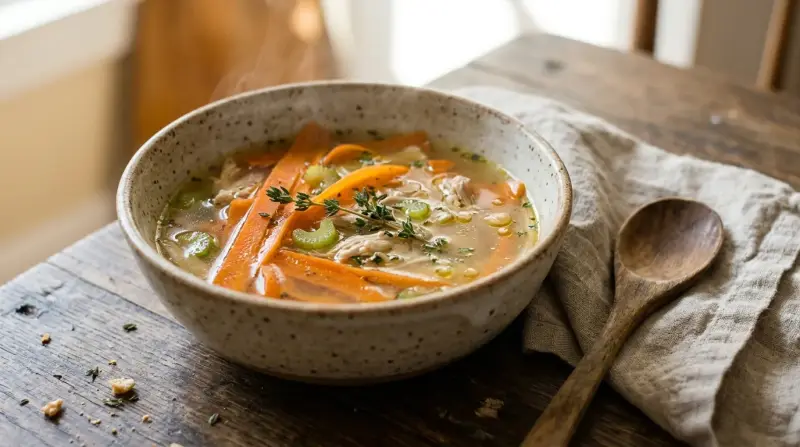
Homemade chicken soup is generally healthy because it supplies lean protein, vitamins, minerals and soothing herbs while allowing you to control sodium, fat and added sugars, making it a balanced meal for most diets.
What makes homemade chicken soup healthy?
The healthfulness of chicken soup starts with its core ingredients. Using skinless chicken breast or thigh provides high‑quality protein with minimal saturated fat. Adding a variety of vegetables such as carrots, celery, onions and leafy herbs introduces fibre, beta‑carotene, vitamin C and potassium, all of which support immune function and overall wellbeing. Because the broth is primarily water, it contributes to daily hydration and carries dissolved nutrients throughout the body.
Key nutritional components of chicken soup
Each cup (≈240 ml) of a typical homemade chicken soup delivers roughly:
- Protein: 15 g from chicken, essential for muscle repair and immune cells.
- Vitamin B‑6: 0.3 mg, aiding brain development and immune response.
- Vitamin C: 4 mg from vegetables, supporting collagen synthesis and antioxidant defence.
- Iron: 0.8 mg, improving oxygen transport.
- Selenium: 10 µg, a trace mineral with anti‑inflammatory properties.
- Potassium: 250 mg, helping maintain fluid balance and blood pressure.
When you prepare the broth from scratch, gelatin from chicken bones dissolves into the liquid, giving a silky mouthfeel and adding collagen‑building amino acids. Collagen may support joint health, although scientific consensus advises modest expectations.
How to maximise health benefits when cooking
To boost the nutritional profile, follow these steps:
- Use a mix of white meat (breast) and dark meat (thigh) for a balance of protein and healthy fats. Dark meat contains more iron and zinc.
- Include anti‑inflammatory herbs such as fresh ginger (5 g minced) and turmeric (½ tsp ground). The curcumin in turmeric is better absorbed when combined with a pinch of black pepper.
- Saute aromatics (onion, garlic, celery) in a teaspoon of olive oil before adding liquid. This Maillard reaction releases flavour compounds without adding excess oil.
- Choose low‑sodium homemade broth or make your own by simmering chicken bones for at least 2 hours. Adding a bay leaf and a few peppercorns enriches the broth without extra salt.
- Finish with fresh lemon juice (1 tbsp) just before serving. The vitamin C enhances iron absorption from the meat.
These tips keep the soup nutrient‑dense while limiting added sodium, which is often the main health concern in commercial soups. For a practical example, see the recipe for Healthy Chicken Casserole: Brown Rice and Broccoli Bake, which demonstrates how a creamy yoghurt base can replace heavy cream for added protein and calcium.
Safe preparation and storage practices
Food safety is crucial to preserve the health benefits of chicken soup. Follow these guidelines:
- Cook chicken to an internal temperature of 74 °C (165 °F). Use a digital thermometer inserted into the thickest part of the meat.
- Bring the soup to a gentle boil, then reduce to a simmer for 30‑40 minutes. This ensures thorough cooking of the meat and vegetables while retaining nutrients.
- Cool the soup quickly: divide into shallow containers and place in an ice‑water bath for 20 minutes. Rapid cooling limits bacterial growth.
- Store in the refrigerator for up to 3 days. For longer storage, freeze in airtight containers for up to 2 months. Thaw overnight in the fridge before reheating.
- When reheating, bring the soup to a rolling boil for at least 1 minute to destroy any potential pathogens.
These steps align with food‑safety recommendations and prevent the risk of food‑borne illness, which could otherwise negate the soup’s health advantages.
Common issues and how to fix them
Soup is watery
A watery texture often results from using too much liquid or insufficient simmer time. Reduce the initial water volume by 250 ml (1 cup) and let the soup simmer uncovered for an extra 10‑15 minutes; the excess moisture will evaporate, concentrating flavours and thickening the broth.
Soup is bland
Under‑seasoning is common when relying on low‑sodium broth. Taste the soup halfway through cooking and add sea salt a pinch at a time, or finish with a splash of low‑sodium soy sauce for umami. Fresh herbs added at the end, such as dill or parsley, also brighten the flavour without extra salt.
Soup is greasy
Excess oil can appear if the chicken skin or a large amount of oil is used for sauteing. Skim the surface with a spoon during the final minutes of simmering, or chill the soup briefly; the fat will solidify and rise, making it easy to remove.
Vegetables become mushy
Overcooking vegetables releases more water, contributing to a thin broth. Add firmer vegetables like carrots and celery after the chicken has cooked for 15 minutes, allowing them to retain a slight bite while still infusing flavour.
Soup loses colour
Bright colour fades when turmeric or carrots are over‑cooked. Add turmeric in the last 5 minutes and finish with a drizzle of lemon juice just before serving to preserve the golden hue and fresh appearance.
A printable recipe card for “Healthy Chicken Casserole: Brown Rice and Broccoli Bake” is just below the article, ready to download or print.
Keep reading
- The Secret to Good Chicken Soup: How to Achieve a Silky, Flavourful Broth
- Are Chicken Wings Healthy? Nutrition Facts and Smart Cooking Tips
Frequently asked questions
Can I use frozen chicken for soup?
Yes, frozen skinless chicken pieces can be added directly to the simmering broth. Increase the cooking time by 10‑15 minutes to ensure the meat reaches the safe internal temperature of 74 °C (165 °F).
Is homemade chicken soup suitable for a low‑sodium diet?
Absolutely. By making the broth yourself and limiting added salt, you can keep the sodium content below 300 mg per serving, well within most low‑sodium guidelines.
How long can I keep reheated soup in the fridge?
Reheated soup should be stored no longer than 2 days in the refrigerator. Keep it in a sealed container and reheat to a rolling boil before serving.
Does adding noodles make the soup less healthy?
Noodles add carbohydrates and can increase the calorie count, but they also provide energy. Choose whole‑grain or legume‑based noodles for extra fibre and protein, or keep the portion modest to maintain a balanced meal.
What are some good substitutes for chicken broth?
If you need a non‑poultry base, try low‑sodium vegetable broth, mushroom broth or a diluted beef stock. Adding a teaspoon of miso paste can also impart a savoury depth without extra sodium.
Printable recipe card: Healthy Chicken Casserole: Brown Rice and Broccoli Bake
Save it, print it, or keep it on your phone while you cook.
Loading the recipe card…

About the author
Mary C. Rivero
Mary C. Rivero specializes in comforting home‑cooked meals, from hearty pastas and sheet‑pan dinners to quick weeknight snacks. Her recipes feature clear, step‑by‑step directions and practical tips, helping readers create flavorful dishes with confidence and ease.